 Search


- Chinese enterprises deepen their cultivation of infrastructure in East Africa, paving the way for a new pattern of regional connectivity
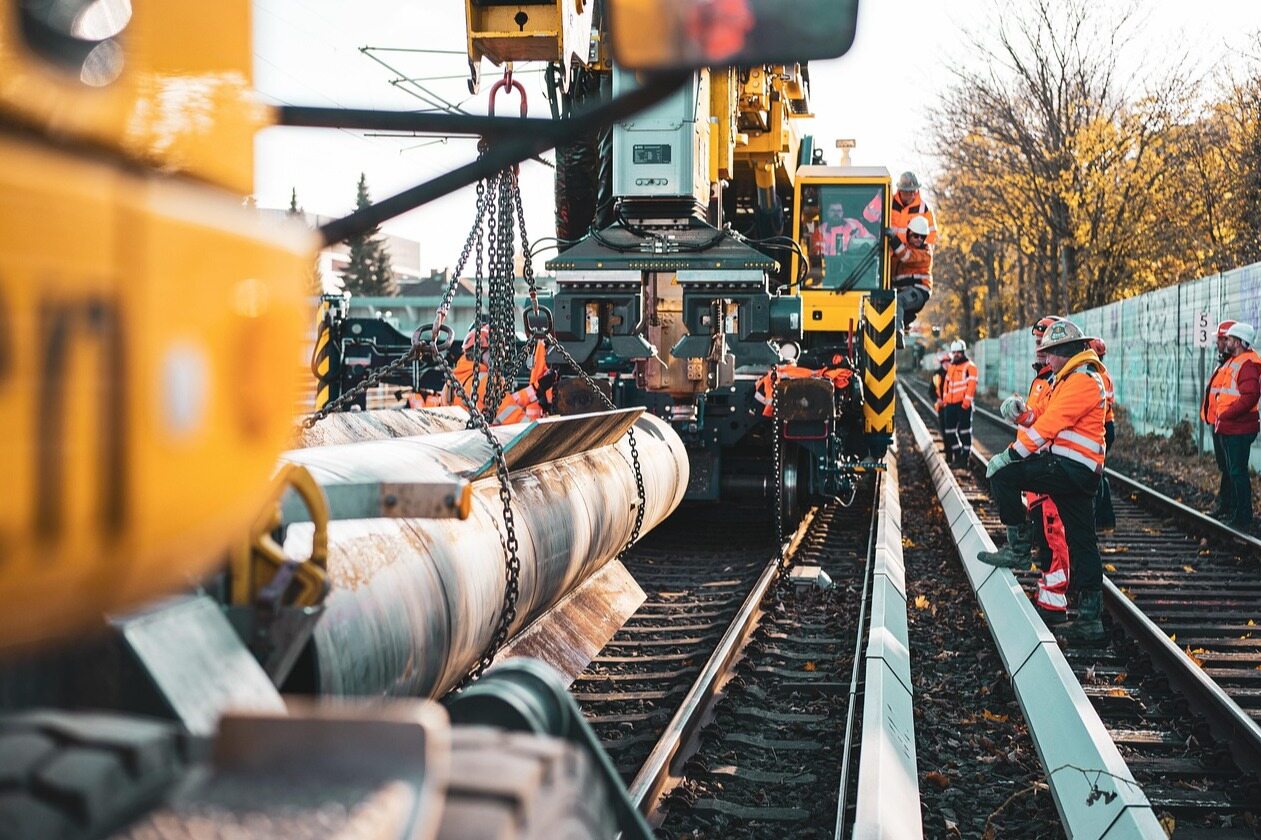
The transportation infrastructure in the East African region continues to upgrade, and Tanzania's key railway project has reached a critical milestone. Relying on the opportunity of pragmatic cooperation between China and Tanzania, the construction of a new section of the central standard gauge railway in the country has officially begun, opening up a new channel for local economic development and cross-border trade.
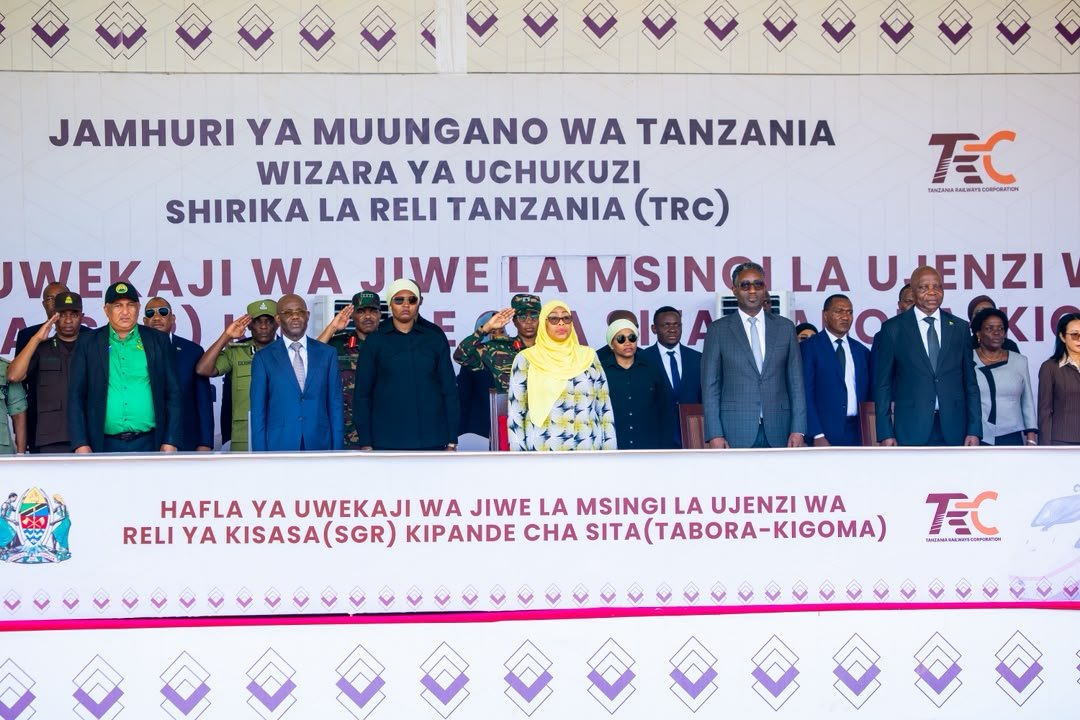
The project has officially laid the foundation
On July 20, 2026, Tanzanian President Samia Suluhu Hassan attended the groundbreaking ceremony for the sixth section of the Central Standard Gauge Railway in the Kigoma region, marking the full start of the construction of the Tabora Kigoma railway. The project is undertaken by a consortium of CRCC and CCECC, and the contract was signed in December 2022, with a total contract amount of 2.743 billion US dollars. The total length of the line is 506 kilometers, including 411 kilometers of main line and 95 kilometers of branch line, covering all types of construction projects such as roadbed, bridges, and stations. It is planned to be completed and put into use by 2030.
Complete road network layout
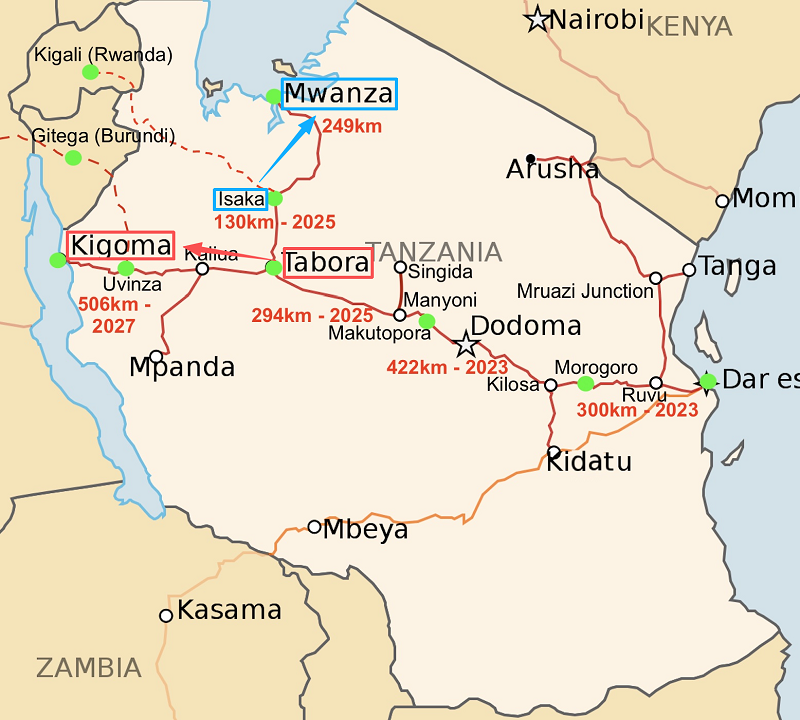
The sixth bid section under construction is located in the west of Tanzania, connecting with Kigoma, a key port city on the east bank of Lake Tanganyika, and is an important transportation node connecting with DRC, Burundi and other surrounding countries. Previously, the Chinese enterprise consortium had undertaken the fifth section of the project, with a total length of 237 kilometers, connecting the northern town of Mwanza and linking with Lake Victoria to achieve water land intermodal transportation. Two major sections cover the core areas of northern and western Tanzania, building a comprehensive inland railway transportation network. Keywords: Tanzania Railway, East African Interconnection
Empowering regional development
The railway is the core backbone project of the East Africa Central Corridor, and also the key livelihood infrastructure project of the the Belt and Road. After the completion of the project, it will significantly reduce the cost of local passenger and freight transportation, and drive the development of diversified industries such as agriculture, commerce, and cultural tourism along the route. At the same time, we will strengthen the linkage between inland cities and Dar es Salaam Port, open up the Indian Ocean sea route for neighboring countries such as Uganda and Rwanda, effectively accelerate connectivity among East African countries, and help promote high-quality development of regional economic integration.Editor/Min Jing
Comment



 Praise
 Collect
 Comment

 Share
Share


Write something~