 Search


- Cooperation on transportation and energy has been reached, and the freight channel has entered the preparatory stage
- The hardware supporting facilities at both ends of the port are complete, and the reserve of goods in both directions directly determines the long-term operation of the route
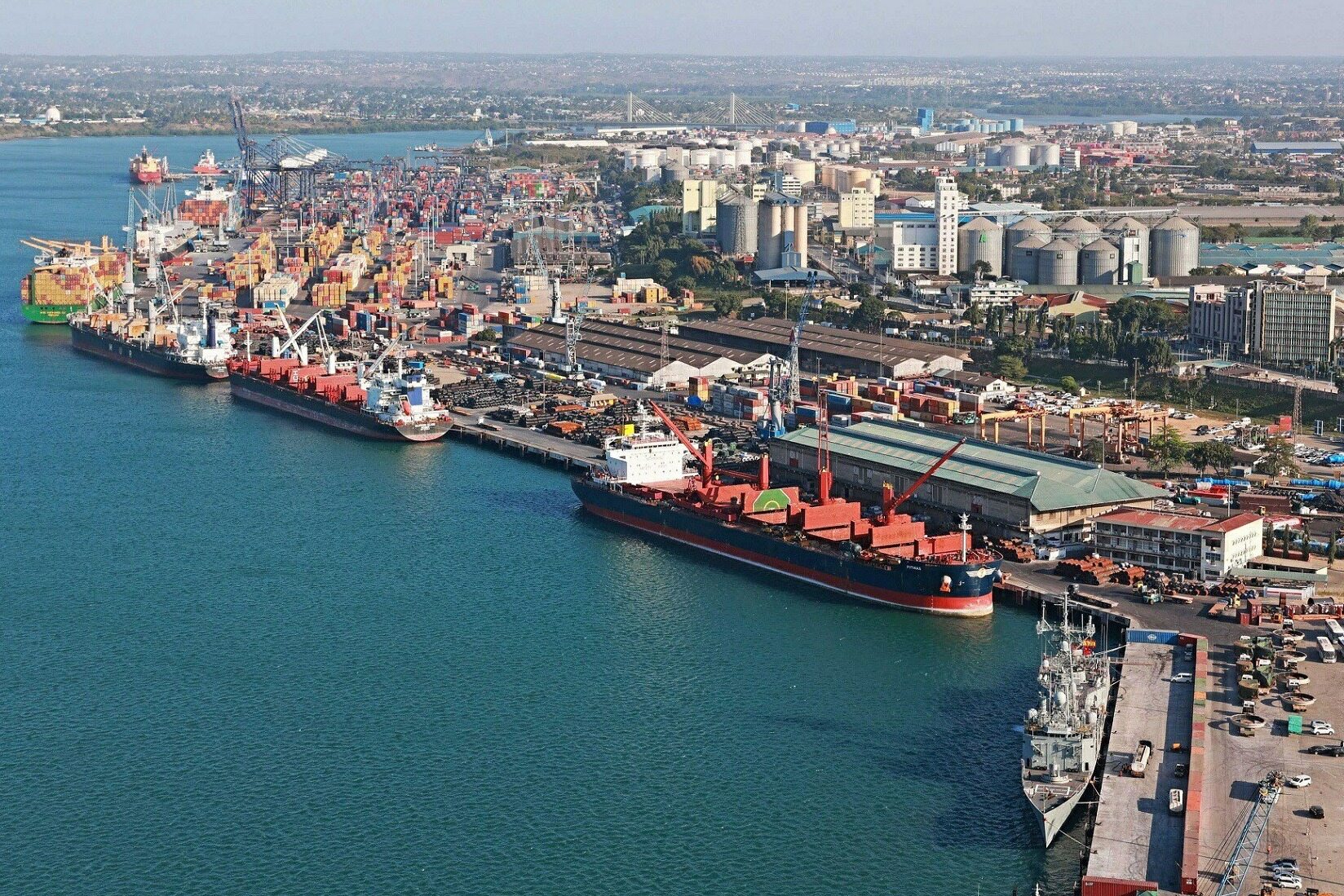
The wind of the Red Sea blows through two ancient ports, and a new channel connecting the hinterland of East Africa and the gateway to the desert is quietly taking shape. When the gantry crane in Dar es Salaam meets the brand new berth in Ain Suhena, the idea of a cargo flow spanning the Indian Ocean and Red Sea is moving from a paper blueprint to a realistic puzzle of the supply chain.
On July 18, 2026, the Presidents of Tanzania and Egypt witnessed the signing of two memoranda of understanding in Dar es Salaam, covering the fields of transportation, electricity, and renewable energy. The Minister of Transport of Tanzania stated that the freight plan connecting Dar es Salaam Port and Ain Suhena Port has entered the final stage. The Tanzanian team will go to Egypt for negotiations in late July 2026, and the cooperation has entered the final draft preparation stage. Core information such as shipping companies, schedules, and freight rates has not yet been made public. Domestic enterprises deeply involved in logistics and trade in North and East Africa are concerned about when the channel will achieve market-oriented booking, and the key lies in whether the four layer transportation system can form a complete supply chain.
Intensify preparations for cross-border channels
In March 2026, Egypt announced four cooperation plans: jointly building a multi-purpose terminal, connecting shipping in the Red Sea ports, establishing logistics parks with each other, and relying on the Tanzanian standard gauge railway to radiate inland. On July 18, 2026, new cooperative ports will be met, and Egypt will adopt a multi port diversion model to match different goods.
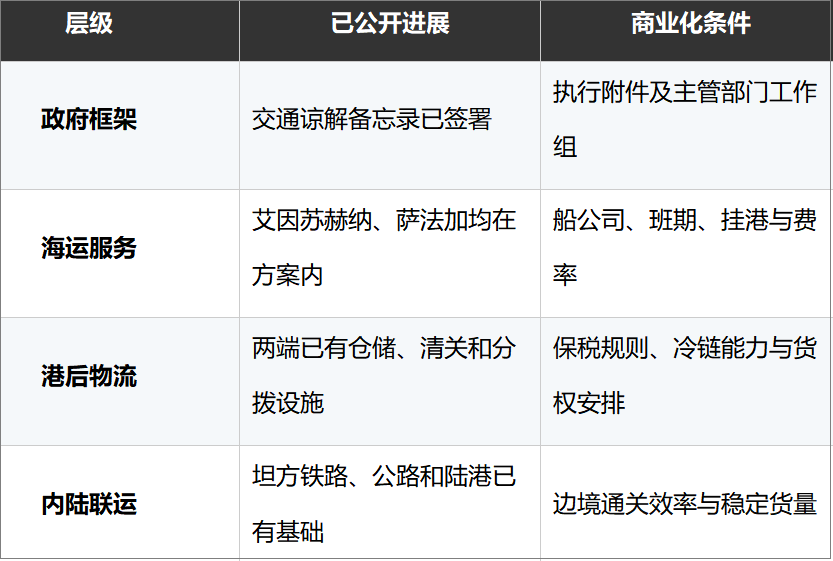
The source of goods determines the prospects of the shipping route
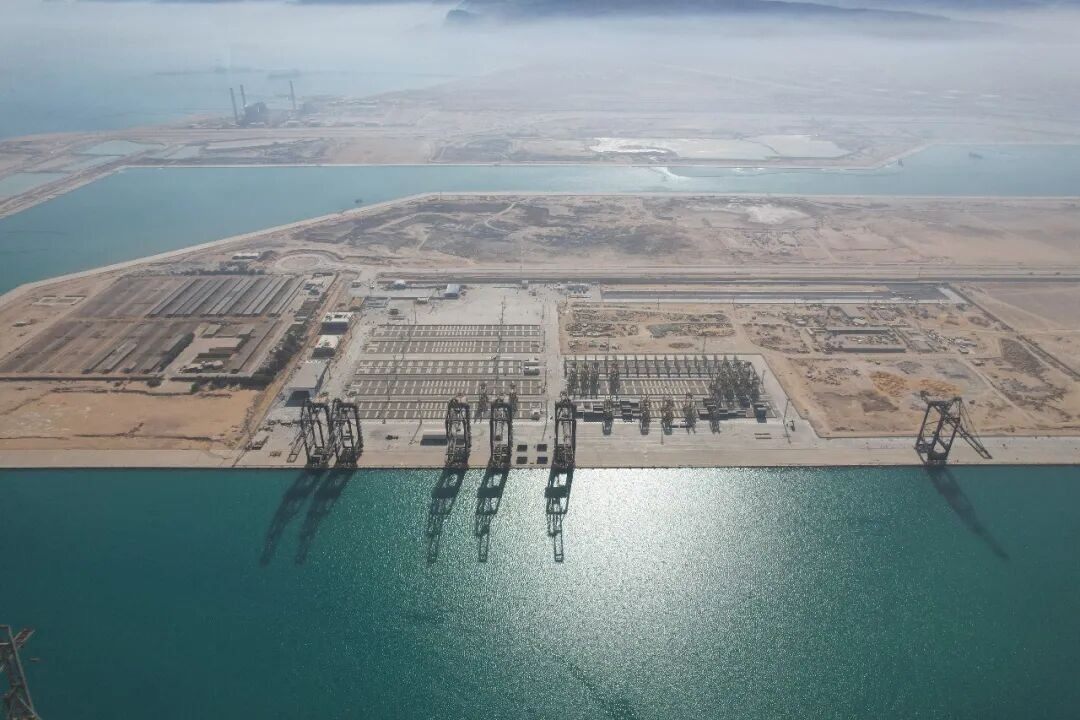
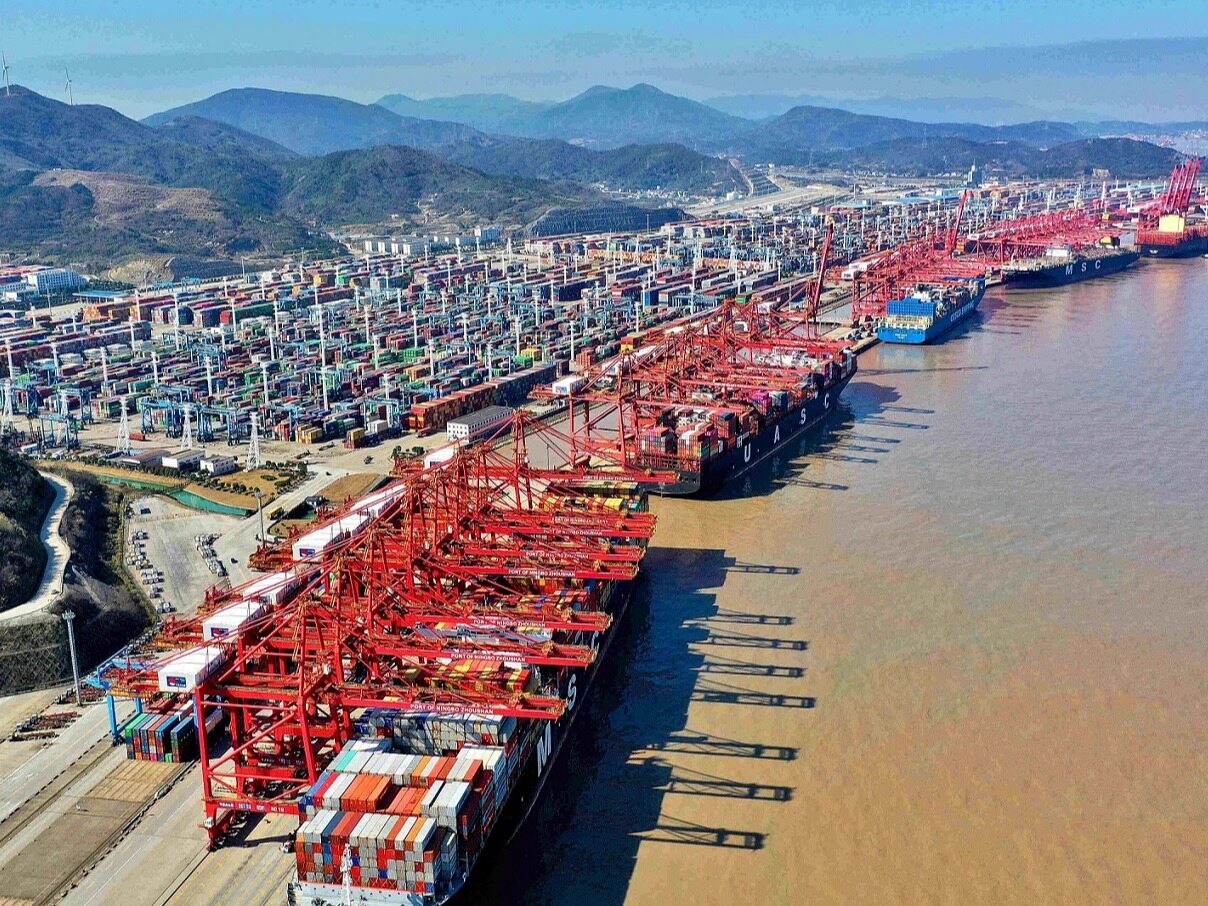
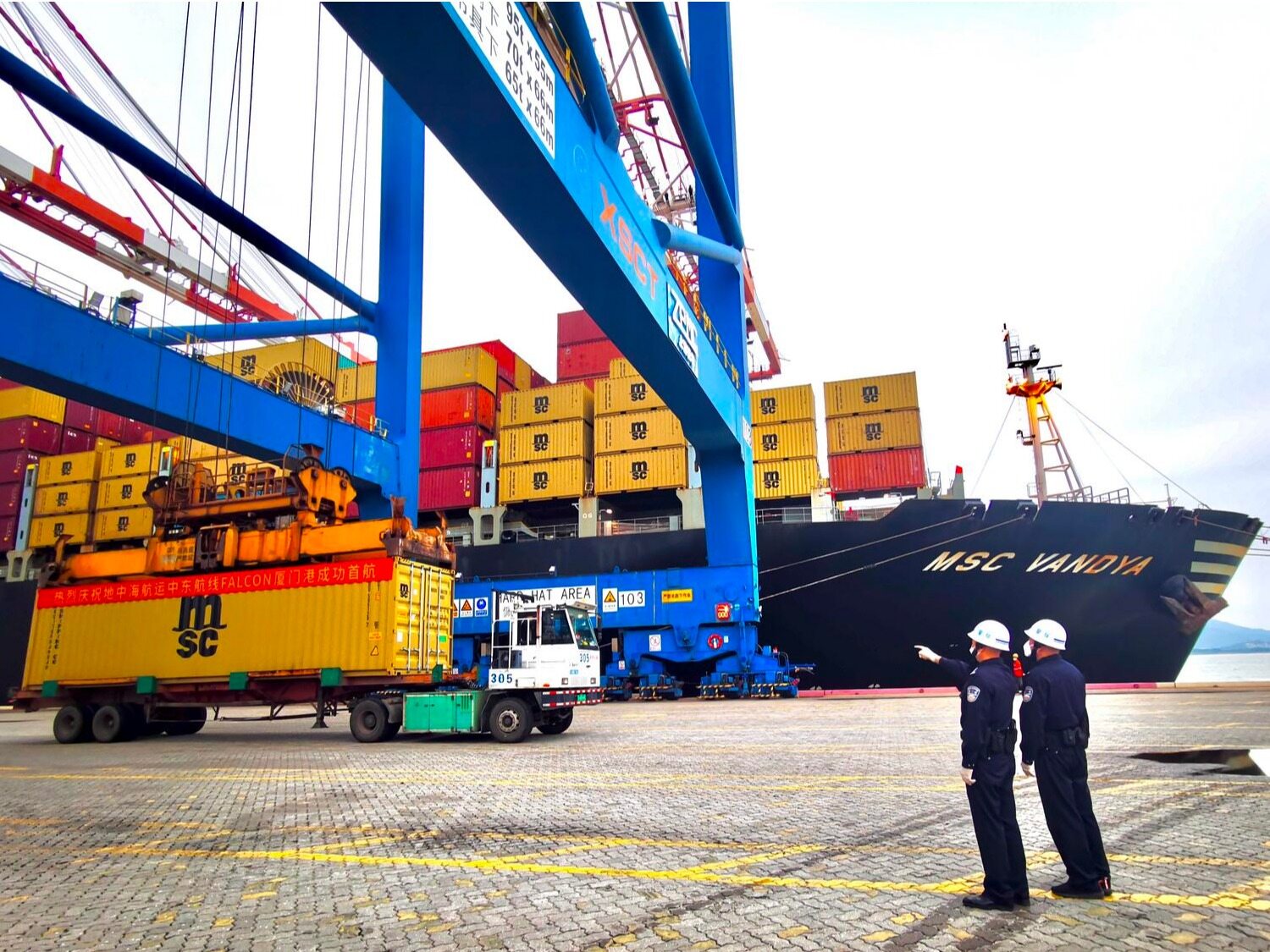
Dar es Salaam Port undertakes 95% of Tanzania's foreign trade and serves the inland markets of multiple countries. After being operated by foreign capital, the loading and unloading efficiency of the terminal has been greatly improved. The Ain Suhena Container Terminal in Egypt will be put into operation in January 2026, with the participation of multiple shipping and port enterprises, and the supporting comprehensive logistics center will be put into use on July 1, 2026.
The hardware conditions in both places are sufficient, but the long-term operation of the route relies on two-way cargo flow: Egypt exports southbound goods such as building materials and machinery, while Tanzania and its hinterland transport minerals and agricultural products. Insufficient return cargo will increase shipping costs, cause backlog of empty containers, and make it difficult to maintain fixed schedules. The Red Sea waterway is still passable, but the attack on merchant ships on July 5, 2026, resulted in war risks and diversion costs being included in the quotation. The short-term channel will start with cabin cooperation and pilot cargo transportation, and the normalization of direct routes requires long-term stable two-way cargo sources and supporting guarantee mechanisms.
The layout path of Chinese enterprises
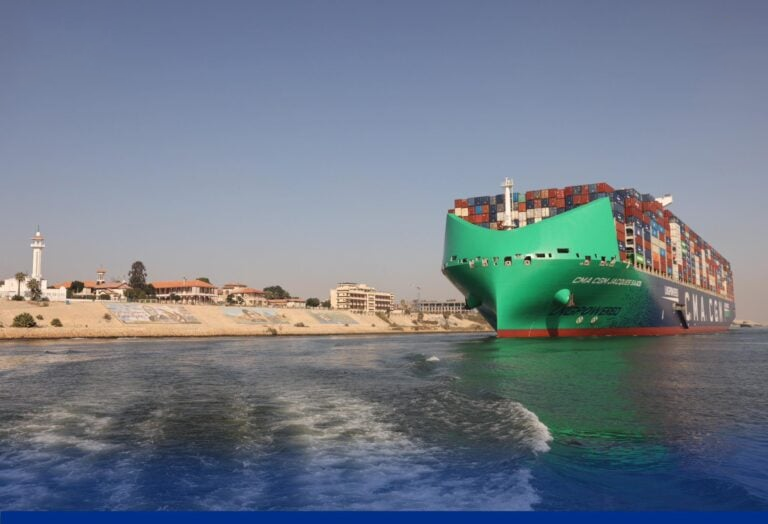
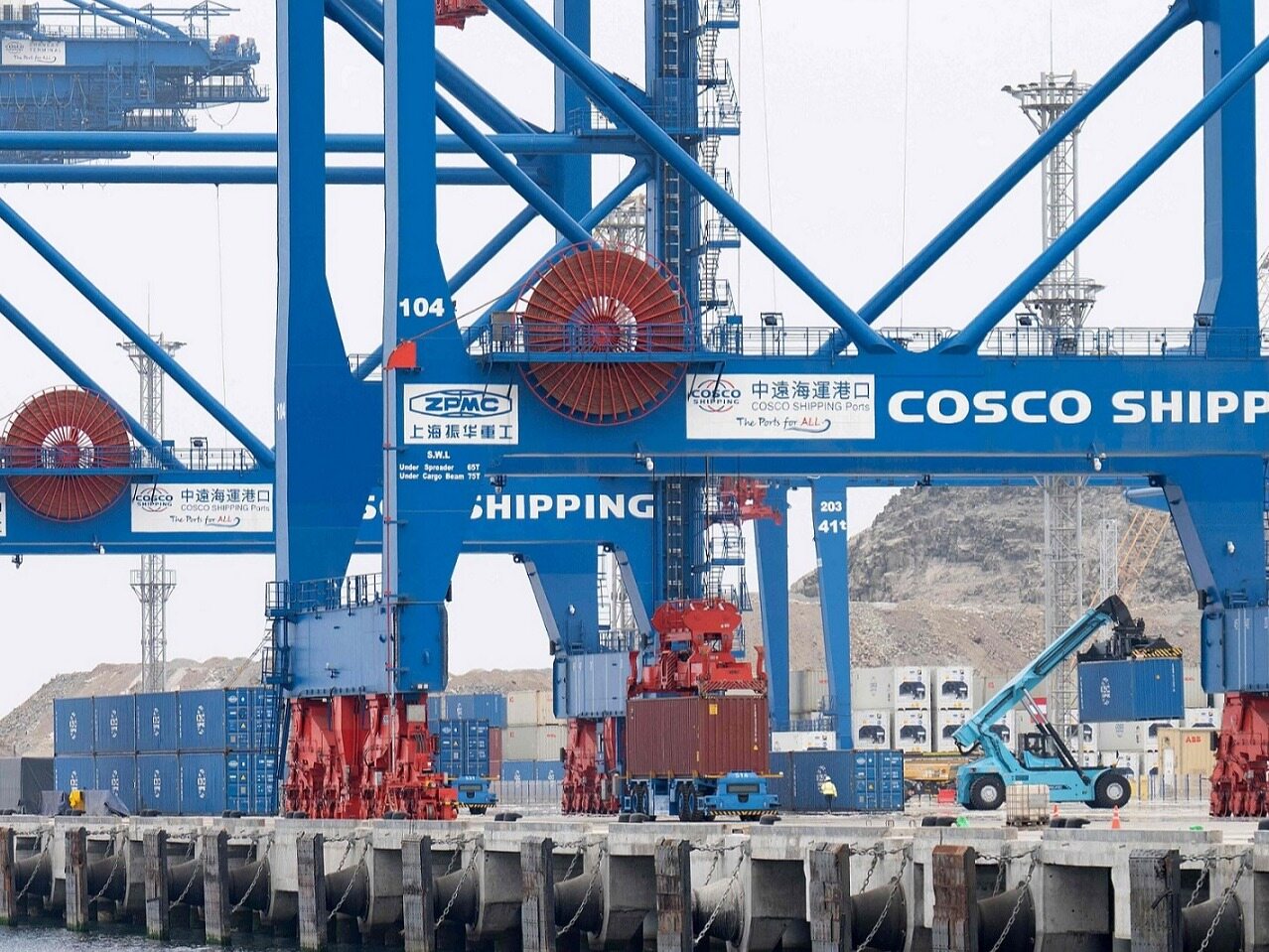
Chinese enterprises have three cooperation points: COSCO Shipping participating in the operation of Egyptian ports, Chinese logistics center landing in Tanzania, and the Tanzania Zambia railway project connecting inland sources of goods, providing warehousing, cargo collection, and information docking services. Project contracts still need to be obtained through competition. Chinese enterprises can be divided into three categories to carry out preliminary work, with logistics companies accounting for the full cost of multiple routes; Industrial and trade enterprises shall conduct monthly statistics on the quantity and categories of goods; Equipment companies accurately connect with various procurement entities. Enterprises that distribute or control northbound East African goods in Egypt have a higher degree of adaptability, and the existing routes for direct shipments from China to East Africa are more convenient. Keywords: Tanzania, Egypt, logistics
The technical consultation will be completed in late July 2026, with a focus on four signals: cooperative ports, carrier companies, pilot cargo types, and complete freight rates. The standardized booking operation of the channel can only be carried out after all have been implemented.Editor/Gong Ziwei
Comment



 Praise
 Collect
 Comment

 Share
Share


Write something~