 Search


- COSCO Shipping has officially launched CHX3 branch line service recently
- The logistics channel from the west coast of South America to Asia is more smooth and efficient
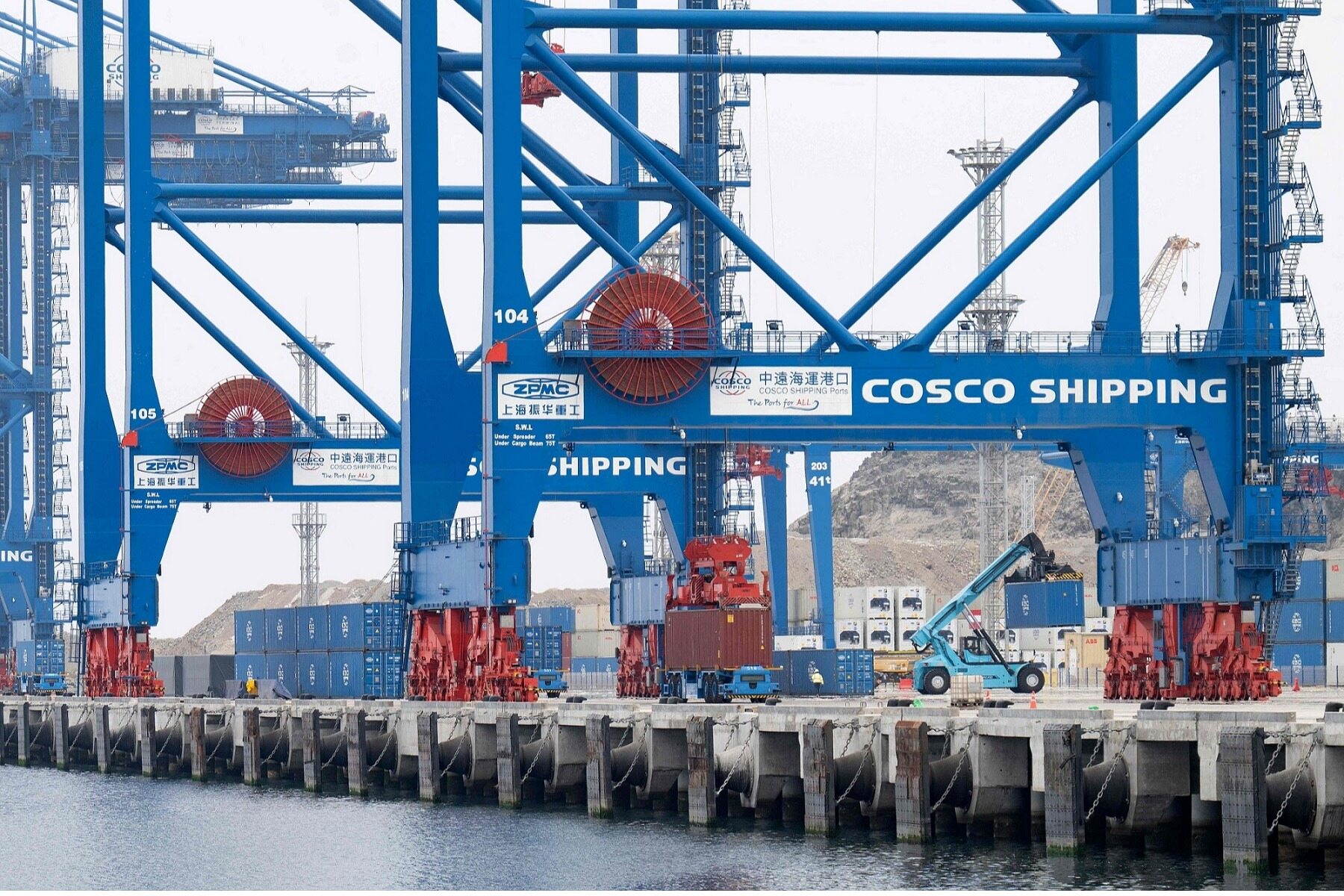
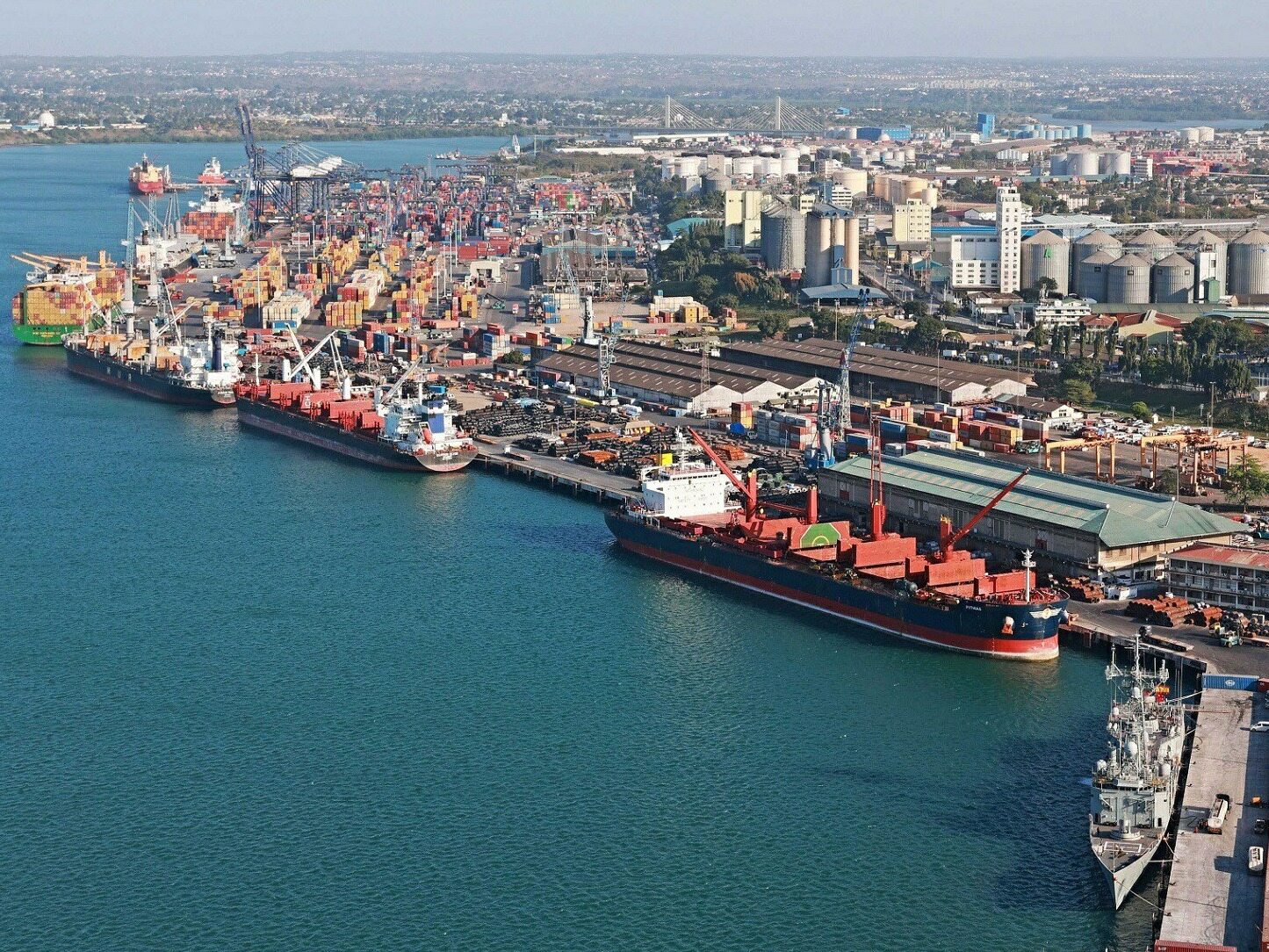
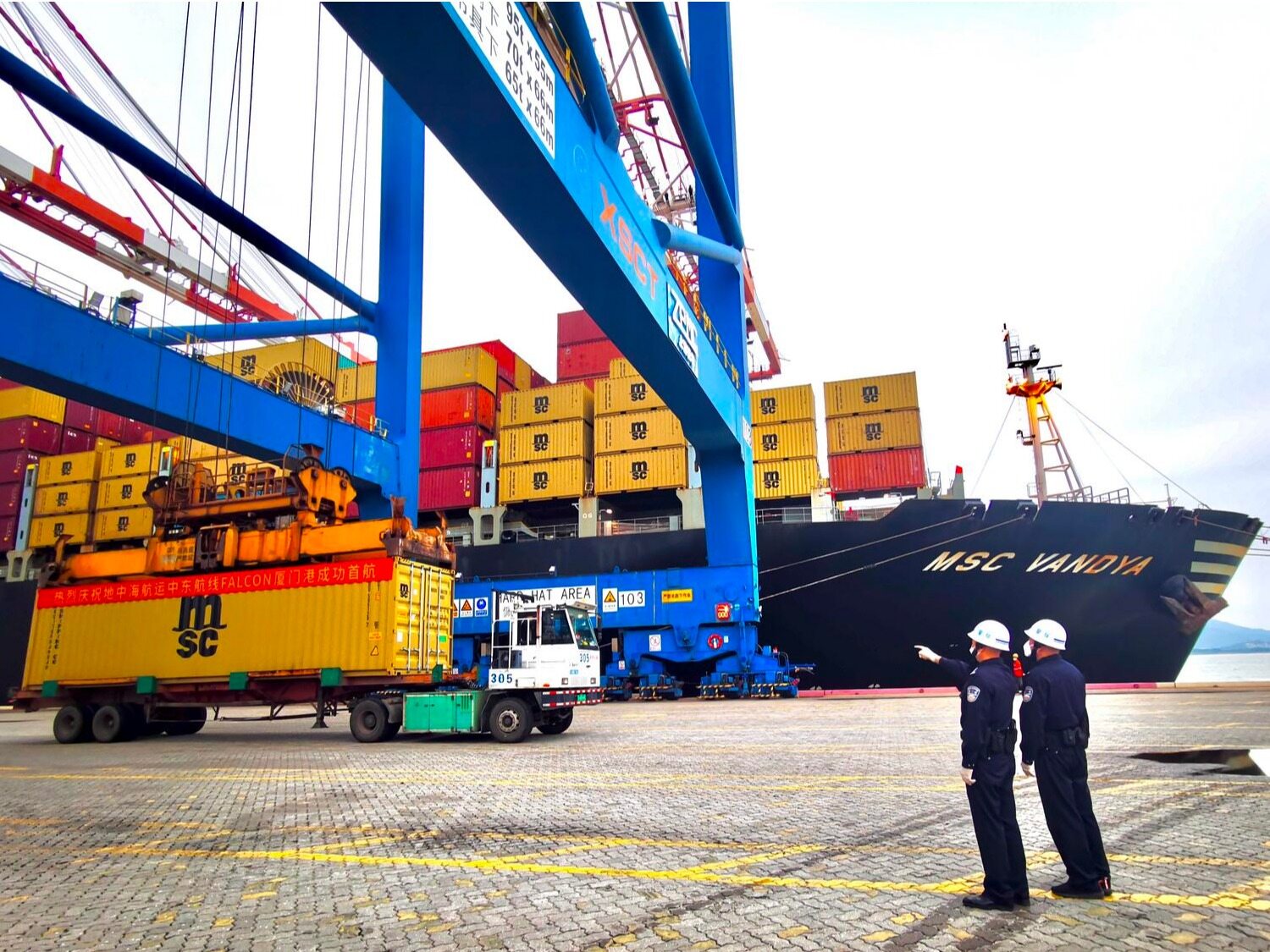
On the banks of the port of Paita in northern Peru, boxes of freshly picked avocados and grapes are emitting a fragrant aroma. In the past, these fresh goods had to cross the sea to Asia, often requiring cumbersome transportation to other ports. The risk of cargo damage and time costs weighed heavily on exporters like two heavy stones. On the other side of the Pacific, in the Costa Rican port of Caldera, local businesses are also facing the problem of unstable logistics links. All of this is quietly being changed by a newly opened maritime artery. Recently, COSCO Shipping officially put into operation the CHX3 (Chancay Express Service 3) branch line service. This is not a trans oceanic main line, but a regional link that connects Peru's Qiankai Port with surrounding core ports. It tightly weaves the ports of Paita, Qiankai, and Caldera into a normalized network of weekly operations.
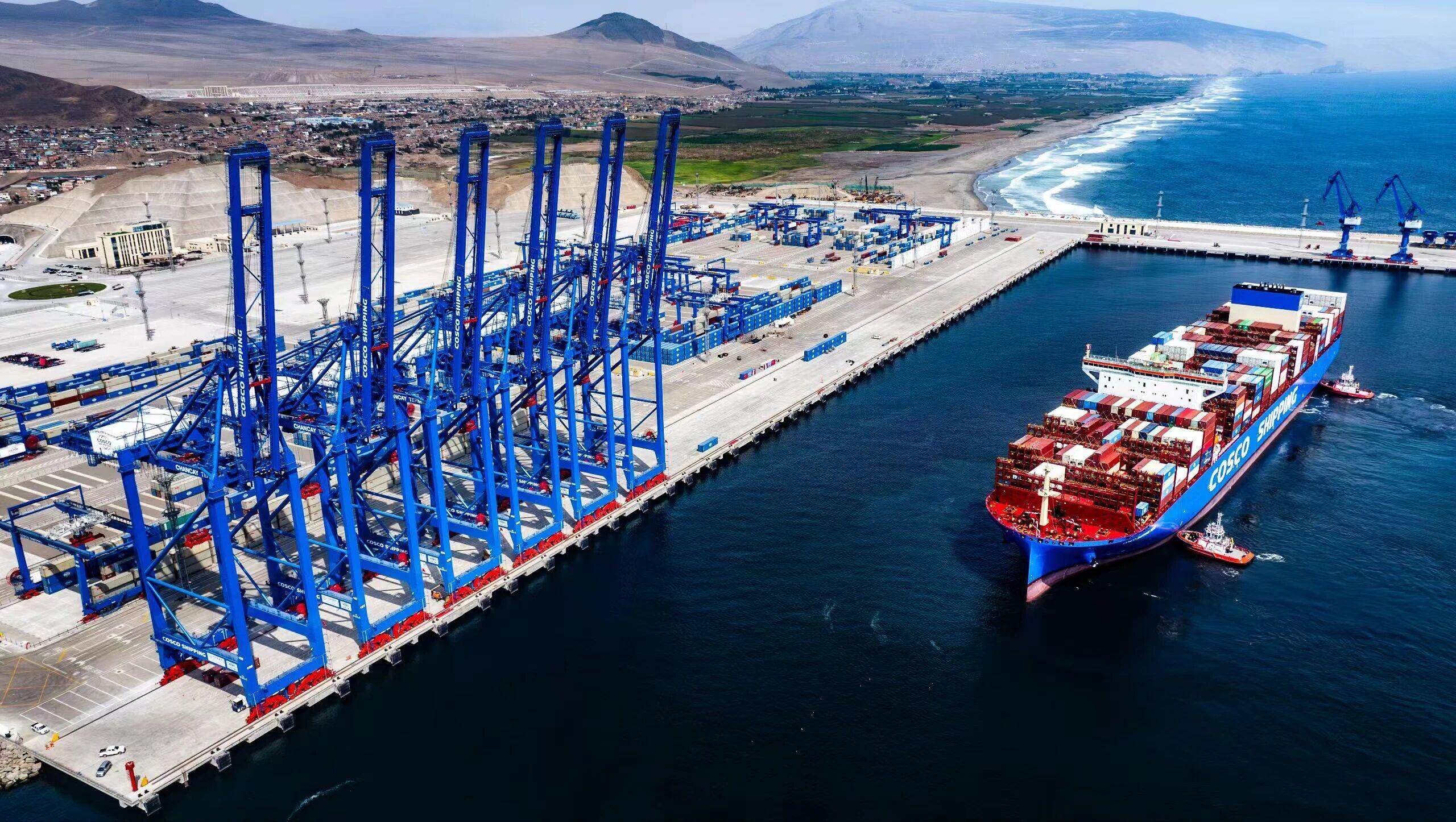
Enhanced consolidation capability
Unlike the previous focus on the main line from China to Peru, CHX3 focuses on strengthening the regional branch network of Qiankai Port. Paita Port, as an important container gateway in northern Peru, is a core distribution center for avocados, grapes, seafood, and mineral products; Caldera Port is the main port on the Pacific coast of Costa Rica. In the past, some goods between the two places relied on external ports for transit. Now, they can be gathered at Qiankai Port through CHX3 and seamlessly connected to the long-distance main line to sail to Asia. The implementation of this model has made the regional consolidation chain more stable. For time sensitive goods such as cold chain and fresh produce, the compression of transportation nodes directly means a reduction in the risk of cargo damage and logistics uncertainty. As a result, agricultural products from northern Peru and sources from Central America have a more stable export path to Asia.
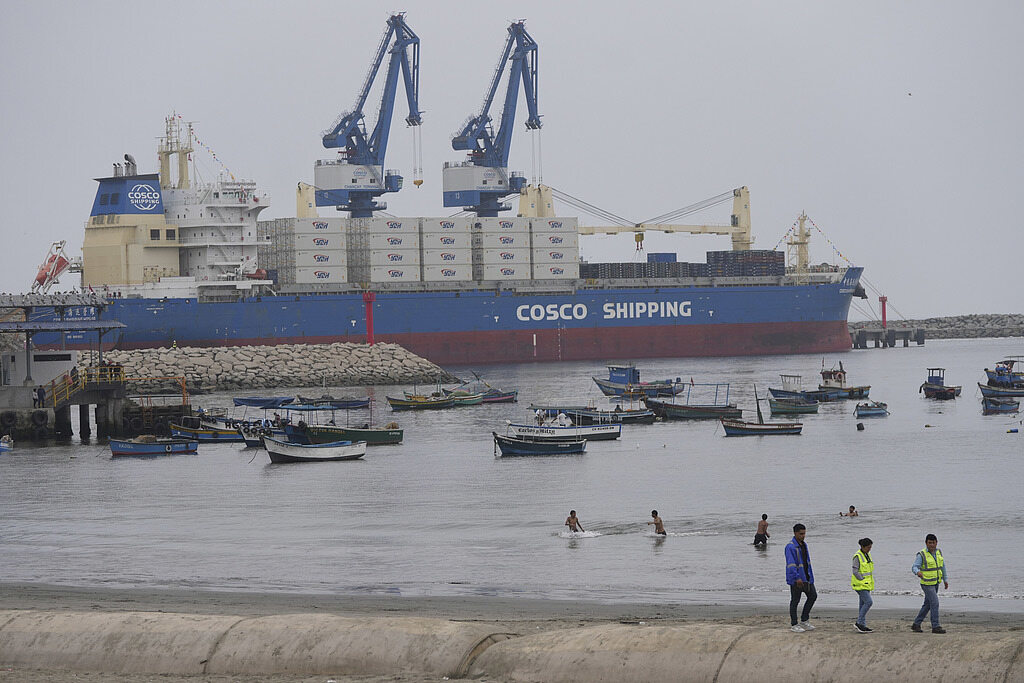
Towards a Regional Hub
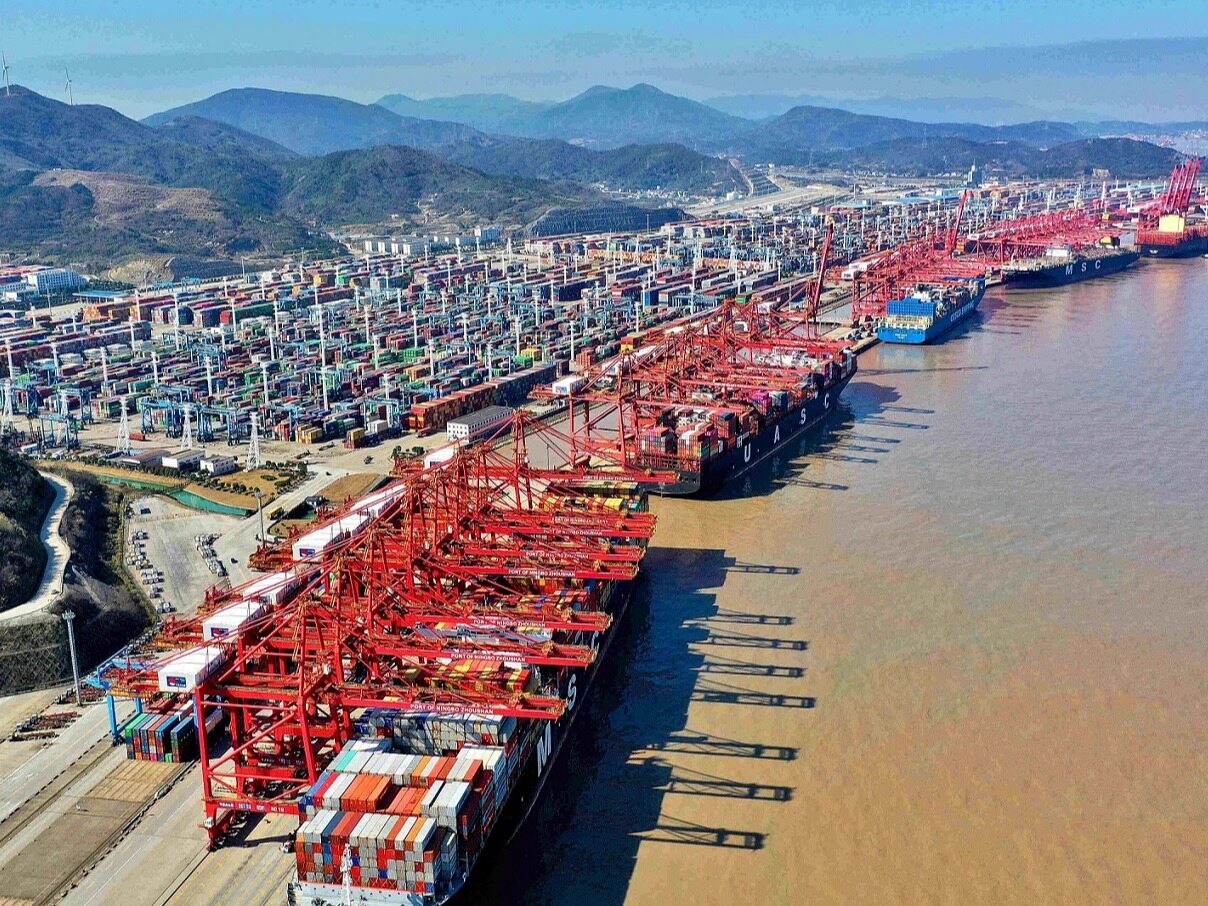
Since its operation, the most remarkable feature of Qiankai Port is its direct shipping advantage connecting China and the west coast of South America. However, the long-term competitiveness of the port ultimately lies in its ability to continuously gather regional cargo sources. In recent years, several shipping companies have laid branch lines around Qiankai Port with the aim of extending the radius of the port's hinterland. With the successive integration of ports such as Paita and Caldera, Qiankai Port is no longer just a single node on the ocean route, but gradually takes on the functions of regional distribution, transit, and distribution, and a logistics network covering the west coast of South America is taking shape. For shipping companies, this provides a more stable source of supply support for long-distance trunk lines; For export enterprises, the direct connection to Asia through Qiankai Port after local port consolidation has become more accessible, and the radiation effect of the hub is beginning to emerge.keywords:Construction News
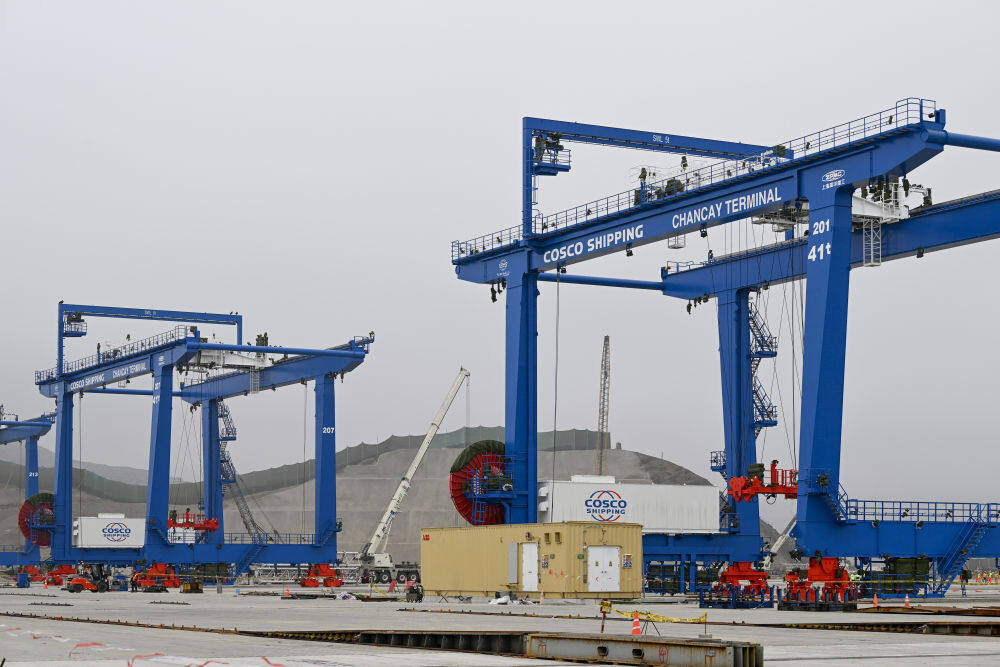
Network effects manifest
Although CHX3 is a regional branch line, it sends a clear strategic signal that the route network around Qiankai Port is still being closely woven. In the past, the market's attention was mostly focused on the direct trans Pacific shipping between China and Peru. Now, with the integration of surrounding ports, the cargo collection and transit functions of Qiankai Port have been further activated, and it has become the norm for goods from northern Peru and Central America to first converge at Qiankai before boarding the long-distance main line. This type of long-distance trunk line is responsible for coordinating the supply of goods across oceans and regional branches, and is a typical path for the growth of large hub ports. For Peru's advantageous export products such as avocados, grapes, and seafood, the improvement of the branch network has brought more path choices and significantly improved the convenience of connecting to the Asian market. From the highly anticipated direct shipping port when it was put into operation, to the rising transit hub on the west coast of South America today, the future trend of Qiankai Port is also becoming an important window for observing the evolution of South American shipping patterns.Editor/Yang Meiling
Comment


 Praise
 Collect
 Comment

 Share
Share


Write something~