 Search


- The Mu Jie Mandalay railway, which has been put on hold for many years, restarts the accelerator button
- A new land sea route that bypasses the Strait of Malacca and leads directly to the Indian Ocean is about to emerge
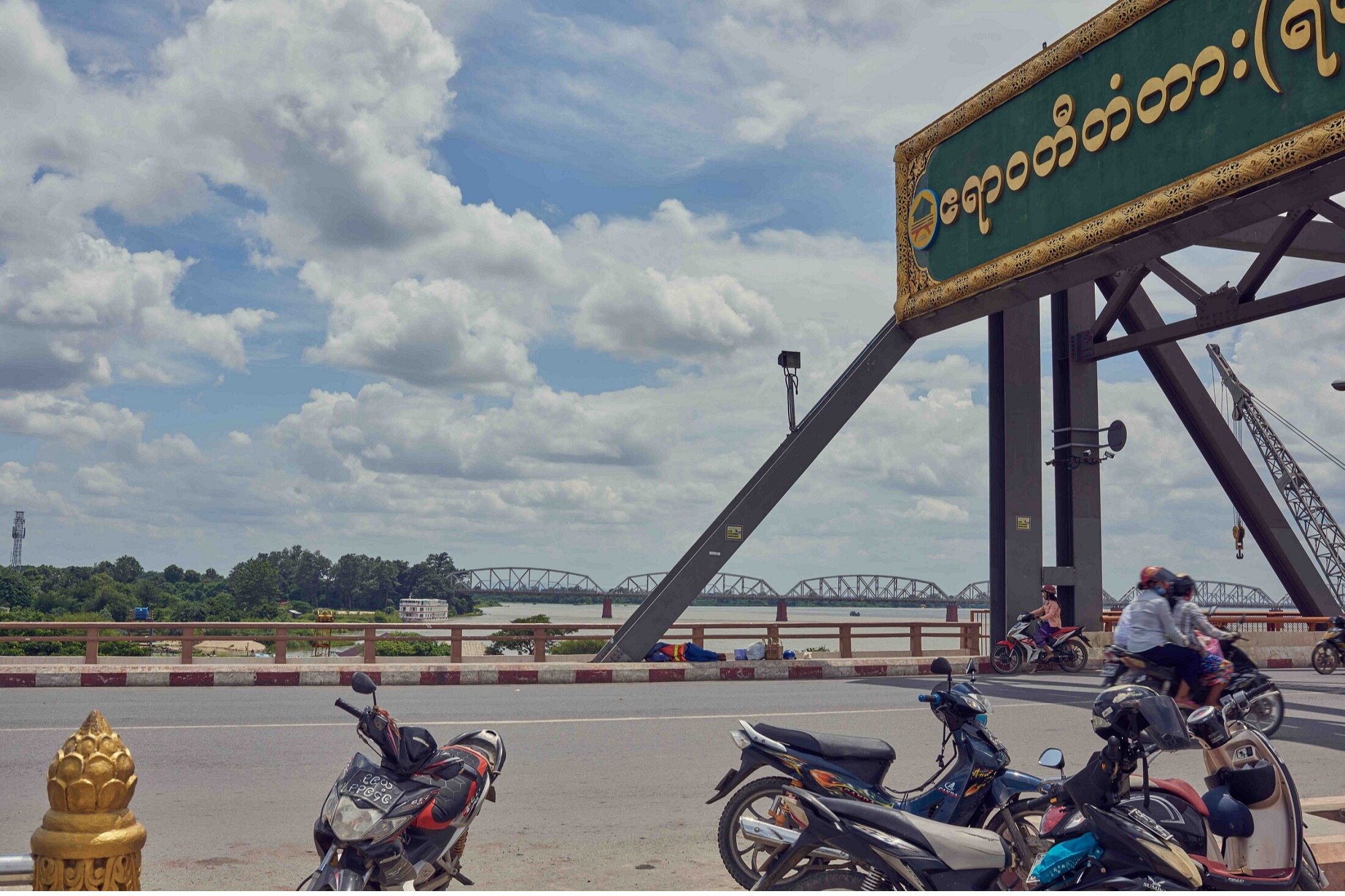
In the early morning at the western Yunnan border, the fog has not yet dissipated, and trucks loaded with goods have formed long queues at the port. Driver Lao Zhang often runs on this line, always muttering, 'If the train could directly reach the edge of the Indian Ocean, our goods wouldn't have to spend time traveling on mountain roads.' Now, this expectation is accelerating into reality.
In mid June 2026, Myanmar President Myint Aung Hlaing began his first visit to China since his election. In just a few days, China and Myanmar not only issued a joint statement, but also signed multiple cooperation documents in areas such as transportation and people's livelihood. The highly anticipated Mujie Mandalay Railway and Jiaopiao Deepwater Port projects have finally moved from drawings to the forefront of construction. As a key link in the western route of the Pan Asian Railway, this steel dragon spanning mountains and rivers is reshaping the open pattern of the Greater Southwest.
Breaking the Malacca Dilemma
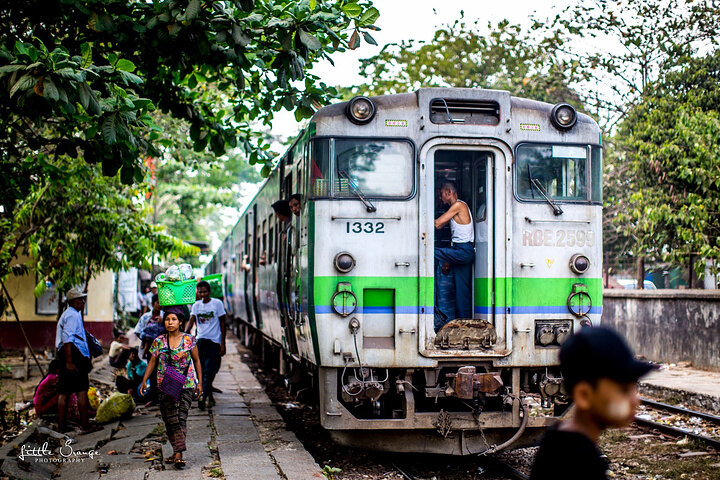
For a long time, the Strait of Malacca has been the lifeline of China's energy and trade. However, the recent US Iran conflict has hindered the passage of the Strait of Hormuz, leading to a sharp increase in global shipping pressure, and the strategic sensitivity of the Strait of Malacca has once again risen. For the southwestern region of China, in order to export goods, they must first be transported eastward to coastal ports and then westward through the Strait of Malacca, which is time-consuming, labor-intensive, and risky.
The construction of the China Myanmar Economic Corridor is aimed at solving this dilemma. Once the China Myanmar Railway and the Jiaopiao Deepwater Port are linked, goods from China's Yunnan Guizhou Sichuan Chongqing region will no longer need to detour along the eastern coast. This can not only shorten thousands of kilometers of sea freight mileage and significantly reduce transportation time, but also effectively avoid single channel risks. A shortcut from the southwestern hinterland to the Indian Ocean will greatly enhance the resilience of China's supply chain and provide inland provinces with new possibilities for "going global".
Activate the old road in Myanmar
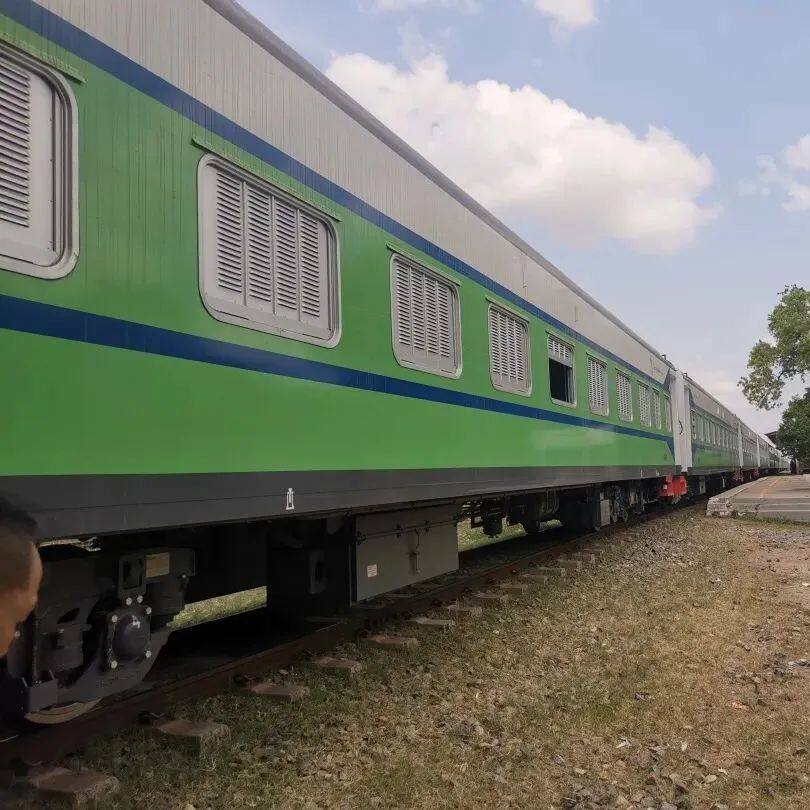
When it comes to Myanmar, the outside world often only sees the label of its underdeveloped economy, but ignores that it was once a major railway country in Southeast Asia. At present, Myanmar has a railway network of over 6000 kilometers and more than a thousand railway stations, ranking among the top in the region in terms of scale. Unfortunately, these legacies, mostly left over from the colonial period, have suffered significant losses due to years of disrepair, aging equipment, and declining transportation capacity, and have not been transformed into a driving force for economic development.
Change is happening. With the advancement of the Muse Mandalay railway project, Myanmar's backward transportation landscape is expected to be completely transformed. This project is not only the backbone of the China Myanmar "T-shaped" economic corridor, but also the key to activating the economic linkage between the north and south of Myanmar. Modern railways will unblock traffic congestion in Myanmar, drive the landing of industries in underdeveloped western regions such as Rakhine State, revitalize dormant railway assets, and effectively improve local livelihoods.
Reshaping a new pattern of corridors
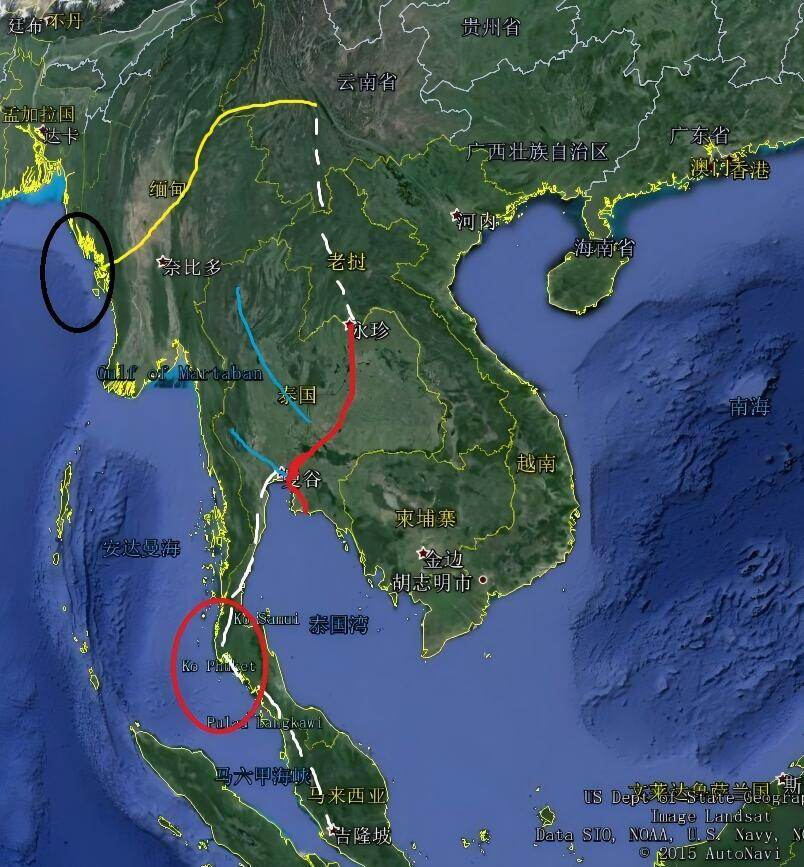
The "T-shaped" China Myanmar Economic Corridor proposed in 2017 starts from the China Myanmar border in the north and extends southward through Mandalay, connecting Yangon New City and the Kyaukpyu Special Economic Zone respectively, forming a strategic layout supported by three ends. During this visit, the two sides agreed to negotiate and sign the the Belt and Road cooperation plan in due course, marking that the corridor construction has entered the practical stage.
Chinese Academy of Social Sciences scholar Bao Zhipeng pointed out that as a core flagship project, the value of Jiaopiao Deepwater Port lies in opening up a strategic seaport in the southwest direction for China. It complements the already operational China Myanmar oil and gas pipeline, not only strengthening energy security, but also driving economic and trade cooperation in the entire region.
For China, this will promote the efficient connection between the Western Land Sea New Corridor and the Indian Ocean route; For Myanmar, its advantageous location will be transformed into tangible development momentum. With the comprehensive acceleration of railway construction, a new economic map of mutual benefit and win-win has begun.Editor/Yang Meiling
Comment





 Praise
 Collect
 Comment

 Share
Share


Write something~