 Search


- Jiangsu Traffic Control innovates industrial layout, coordinates road traffic control data resources to expand road economy
- Multi dimensional industrial ecological coordinated development, promoting the transformation of high-speed channels into comprehensive economic corridors
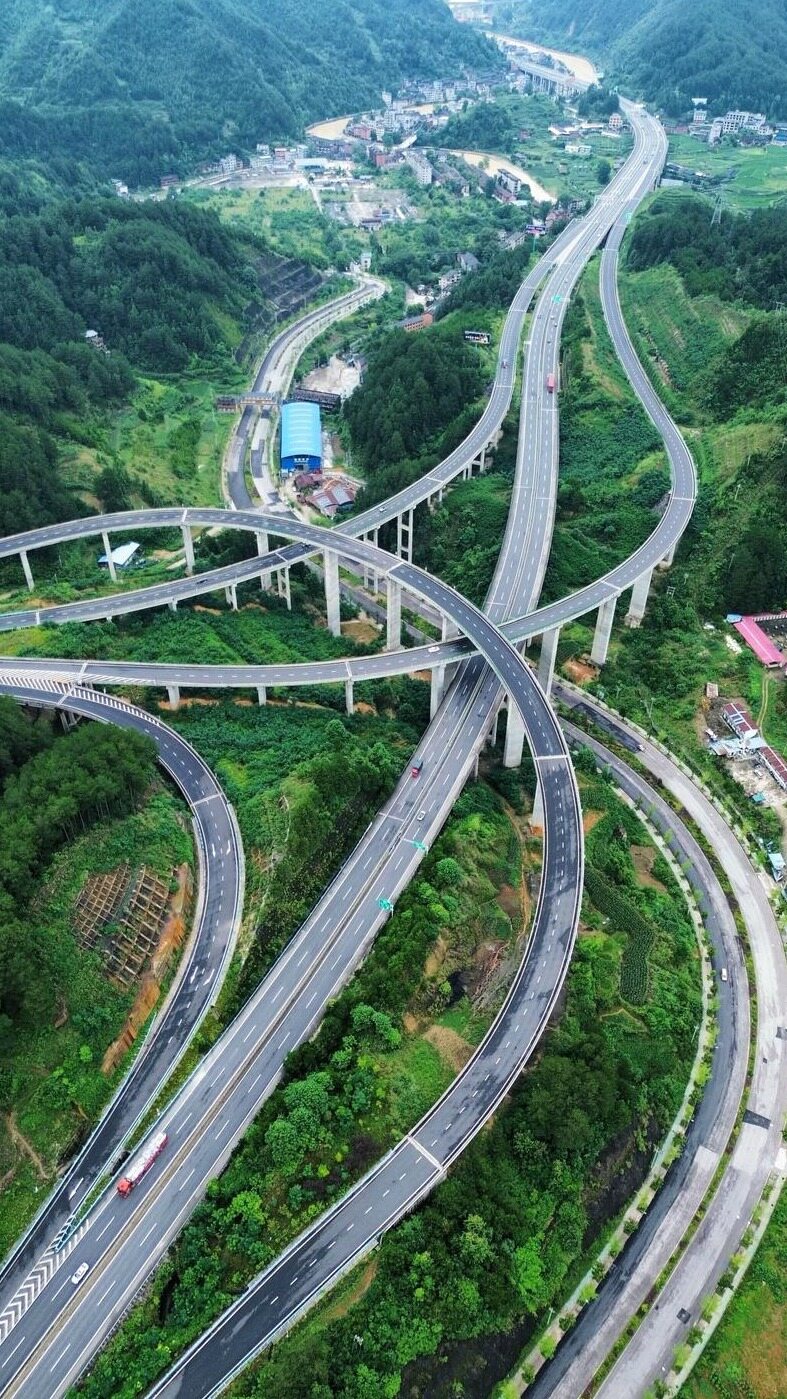
When the wheels run over the asphalt of Jiangnan, what remains is no longer just dust and roar. Under the grand narrative of the 15th Five Year Plan, highways are shedding their single traffic cloak and transforming into composite meridians that connect physics and numbers. Jiangsu Traffic Control uses the three sixes as needles and threads to weave the road network into a dense network, attempting to reconstruct the value gene of transportation in the era of stock.
Strategic transition from channel to domain
The construction of a strong transportation country is no longer simply a combination of steel and cement in deep water areas. In the new cycle of state-owned enterprise reform, the core proposition lies in how to break through the single logic of "road construction fees". The essence of Jiangsu Traffic Control's anchoring of the dual world-class vision is to redefine the attributes of transportation assets. This is not only the vision of the enterprise itself, but also a precise undertaking of the national strategy of one network and four modernizations. By establishing a tripartite positioning, enterprises are attempting to awaken dormant road resources and turn them into a breeding ground for incubating new quality productivity, marking a shift in the transportation industry from passive carrying to active empowerment.
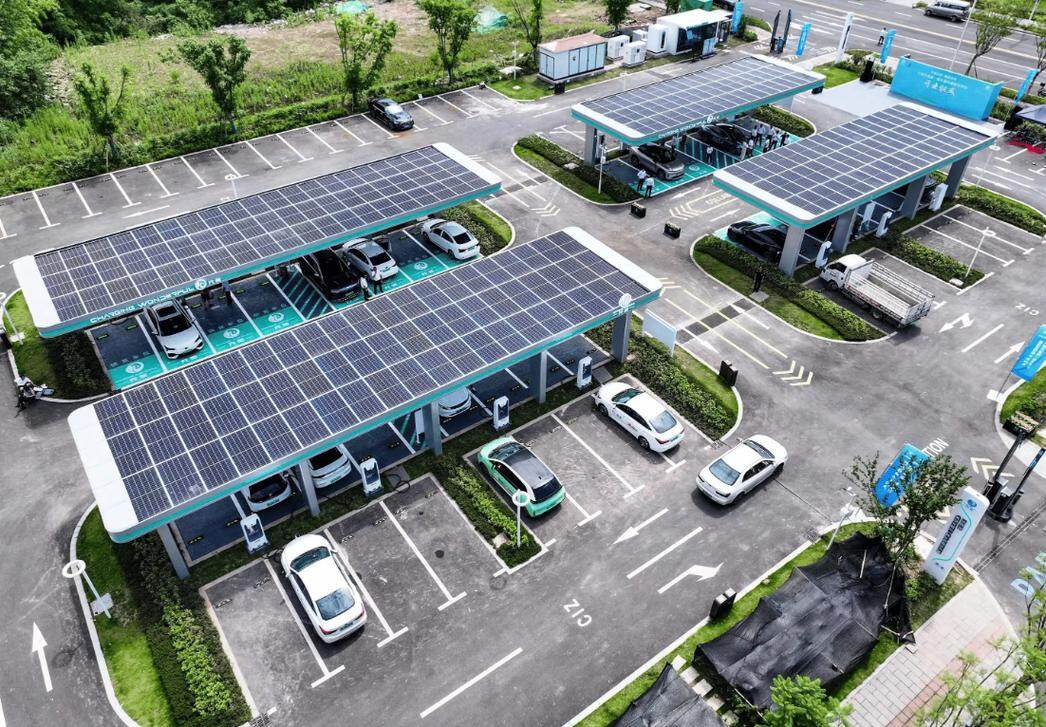
The integration of six networks solidifies the foundation for development
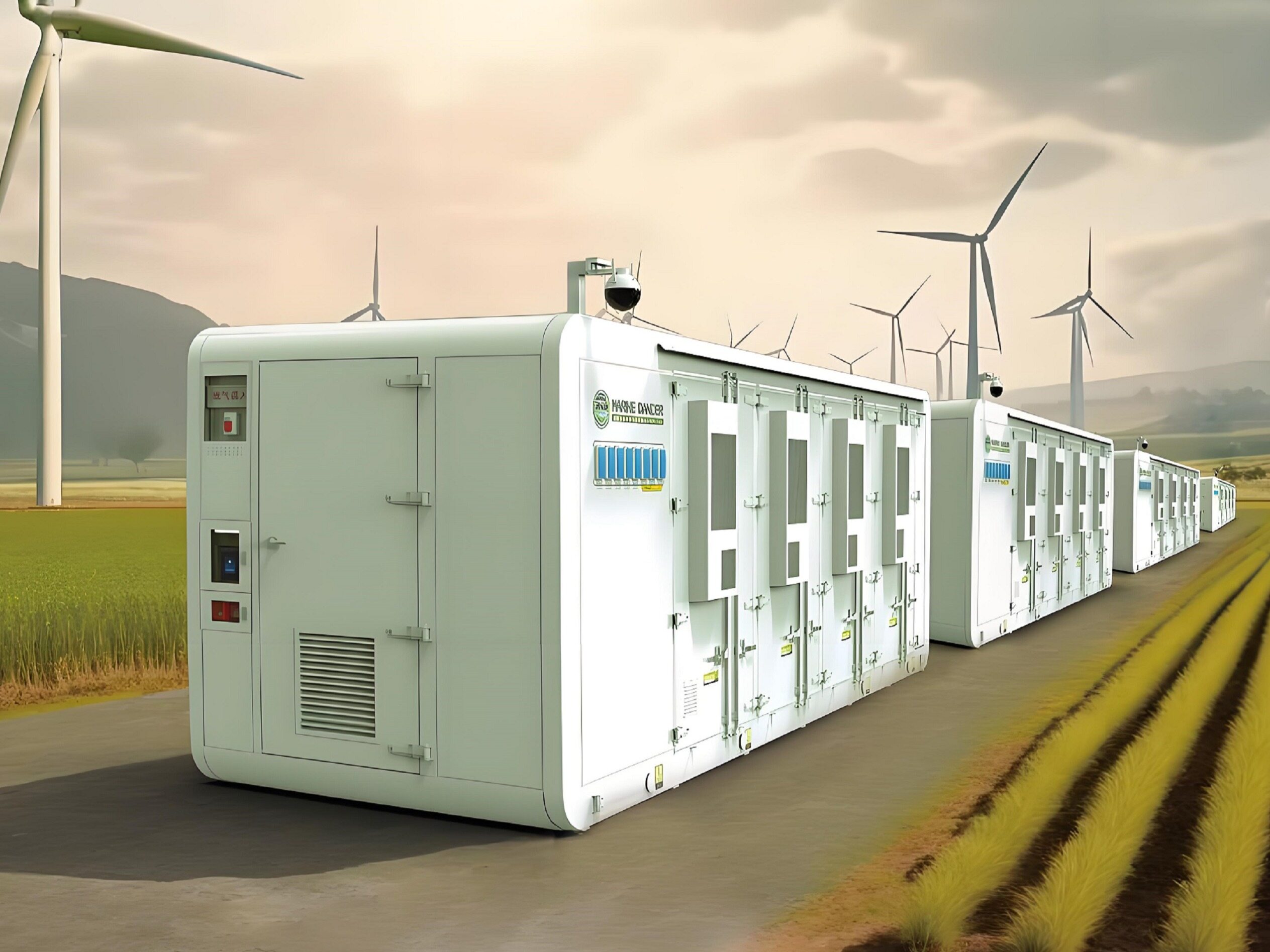
The hardware skeleton of the infrastructure network, the neural center of the digital computing power network, and the driving force of the transportation and energy network are not simply physical superposition, but a deep decoupling and reconstruction of the flow of people, logistics, information, and capital. For a long time, the pain point in the transportation industry has been the lack of smooth communication and connectivity. Jiangsu Traffic Control attempts to break through the barriers to circulation between various elements through this layout, making data perceptible, energy dispatchable, and assets utilizable. This is not only a technological integration, but also a revolution in management thinking - it upgrades the traditional road economy to a hub economy, making highways a platform for efficient allocation of various production factors.
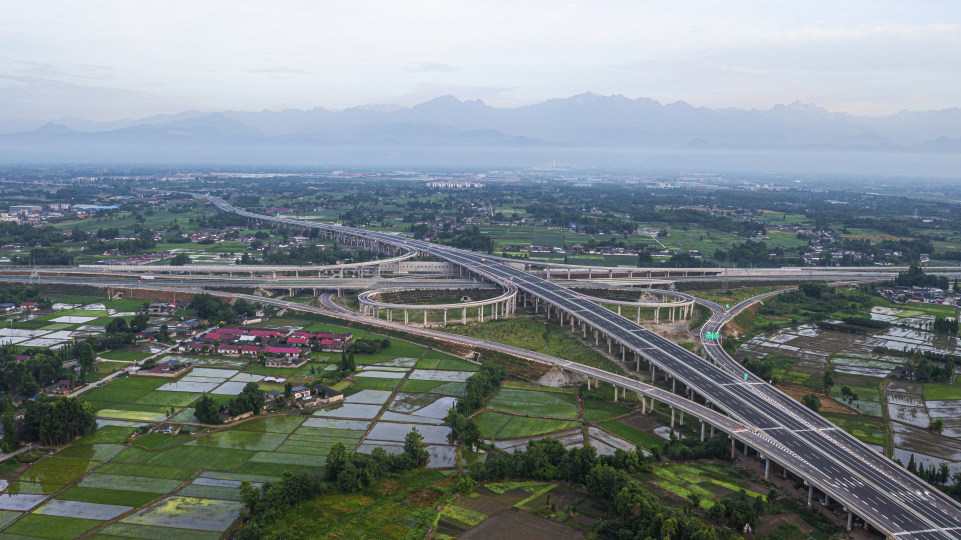
Six platforms and six industries activate growth momentum
If the six networks are the foundation, then the six major platforms are the converters, and the six industry collaboration is the ecosystem. Under the wave of platform economy, Jiangsu Traffic Control has abandoned the traditional second landlord mentality and instead built independent operation platforms such as industrial incubation and green low-carbon. This business oriented thinking+platform economy model aims to monetize road network traffic into industrial increment. The 3+3+X industrial structure reflects strong strategic determination and foresight: it not only stabilizes the fundamentals, but also cultivates new driving forces and lays out future tracks. This tiered industrial pattern ensures that enterprises have sufficient resilience and risk resistance in complex and ever-changing market environments.
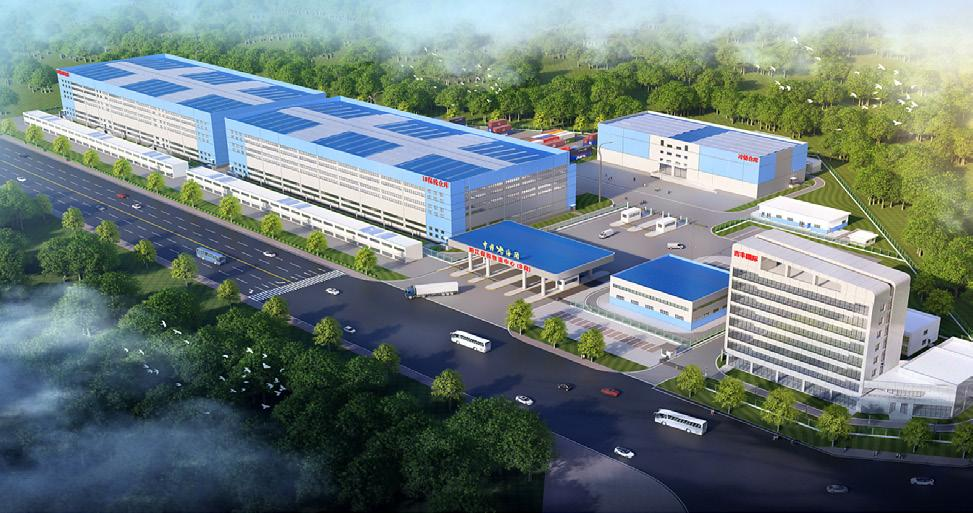
The three six layouts of Jiangsu Traffic Control essentially depict a roadmap for the modernization of the transportation industry. It uses a closed-loop logic of connection interaction creation to answer the question of where transportation enterprises are in the era of stock. When highways are no longer just connecting media, but evolve into a multidimensional ecological field that integrates travel, energy, logistics, and data, the iteration from transportation corridors to economic corridors becomes natural. This is not only the high-quality development path of Jiangsu Traffic Control, but also provides a valuable observation sample for the future evolution of China's transportation industry.Editor/Gong Ziwei
Comment





 Praise
 Collect
 Comment

 Share
Share


Write something~