 Search


- From the heartland of Central Asia to the shores of the Caspian Sea, a quiet tax revolution is reshaping the regional economic landscape
- Digitization is becoming a new engine for attracting investment and activating markets in the five countries

In the early morning of Dushanbe, Amir, who runs a small solar equipment company, no longer needs to travel back and forth between the tax bureau and the bank with thick ledgers like in previous years. He opened his computer, logged into the tax system, and completed last month's declaration in just a few minutes. On the other side of the screen, the big data backend of the Tajikistan tax department has quietly recorded this transaction. Thousands of miles away in Astana, tax officials in Kazakhstan are using AI models to screen for risks, and all of this is a vivid reflection of the new stage of tax reform in the five Central Asian countries.
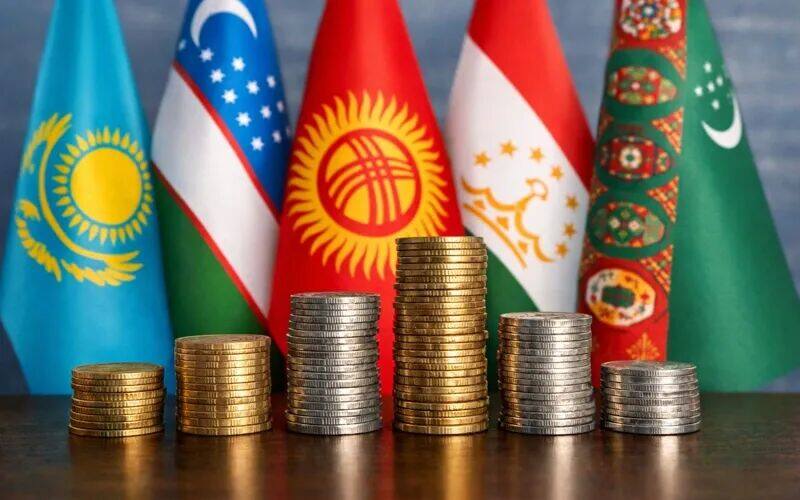
In the past, this land often attracted merchants with "tax reduction benefits". Nowadays, with the regional economy entering the fast lane, a profound transformation from "competing for discounts" to "competing for governance" has begun. The popularization of electronic declaration, deep application of big data, and intelligent management of the entire process are becoming common tools for countries to optimize their business environment, laying a solid foundation for high-quality economic development.
Ha Guo leads the way in intelligent taxation
As a regional leader, Kazakhstan started early and made great strides in tax digitization. At present, the vast majority of tax declarations across the country have been processed at your fingertips. Its core engine, the Smart Data Finance system, has connected 78 national databases, making cross departmental information sharing the norm. More cutting-edge exploration is already on the way, and the AI Salyq platform based on big data and artificial intelligence is about to be launched, aiming to accurately improve the efficiency and risk control level of tax collection and management. In addition, the country has set the annual revenue threshold for companies subject to special tax systems at approximately $5 million, leaving ample room for growth oriented enterprises. The massive tax revenue has made it the leader in Central Asia in terms of fiscal revenue and per capita tax revenue.

Uzbekistan inspires vitality
Uzbekistan will focus its reform efforts on "releasing water to raise fish". In 2026, the country will further raise the revenue threshold for small and micro enterprises to apply the special tax system to about $390000, allowing more market entities to enter the market with light equipment. This move significantly simplifies the tax process, coupled with a continuously optimized business environment, injecting strong vitality into the market and striving to create a more stable and convenient investment haven.
Multi path co drawing blueprint
The other three countries are based on their national conditions and exploring distinctive paths. Kyrgyzstan has a stable style and has not made major revisions to the Tax Code. Instead, it has focused on expanding its special tax system and polishing the details of digital services. Tajikistan is closely following the industrial orientation, adjusting the vehicle tax system, increasing tax incentives for renewable energy projects, and starting to formulate a tax plan for 2030. Turkmenistan is taking a cautious approach, with the current focus on streamlining tax collection and management procedures, optimizing tax enterprise information exchange, and has not yet initiated large-scale structural reforms.

Looking at the overall situation, although the pace of reform varies, digitization has become an irreversible common trend among the five Central Asian countries. From electronic invoices to cloud risk control, modern technology is reshaping every aspect of tax governance. Experts predict that continuing to deepen digital infrastructure, improve administrative efficiency, and optimize the business environment will not only define the future of Central Asian taxation, but also open a new chapter for regional growth and investment cooperation.Editor/Yang Meiling
Comment





 Praise
 Collect
 Comment

 Share
Share


Write something~