 Search


- The Sichuan Tibet Railway has crossed thousands of mountains and valleys to build the world's most difficult plateau railway
- Significantly shorten the travel time between Sichuan and Tibet, and activate the unique products and cultural tourism resources of the snowy region
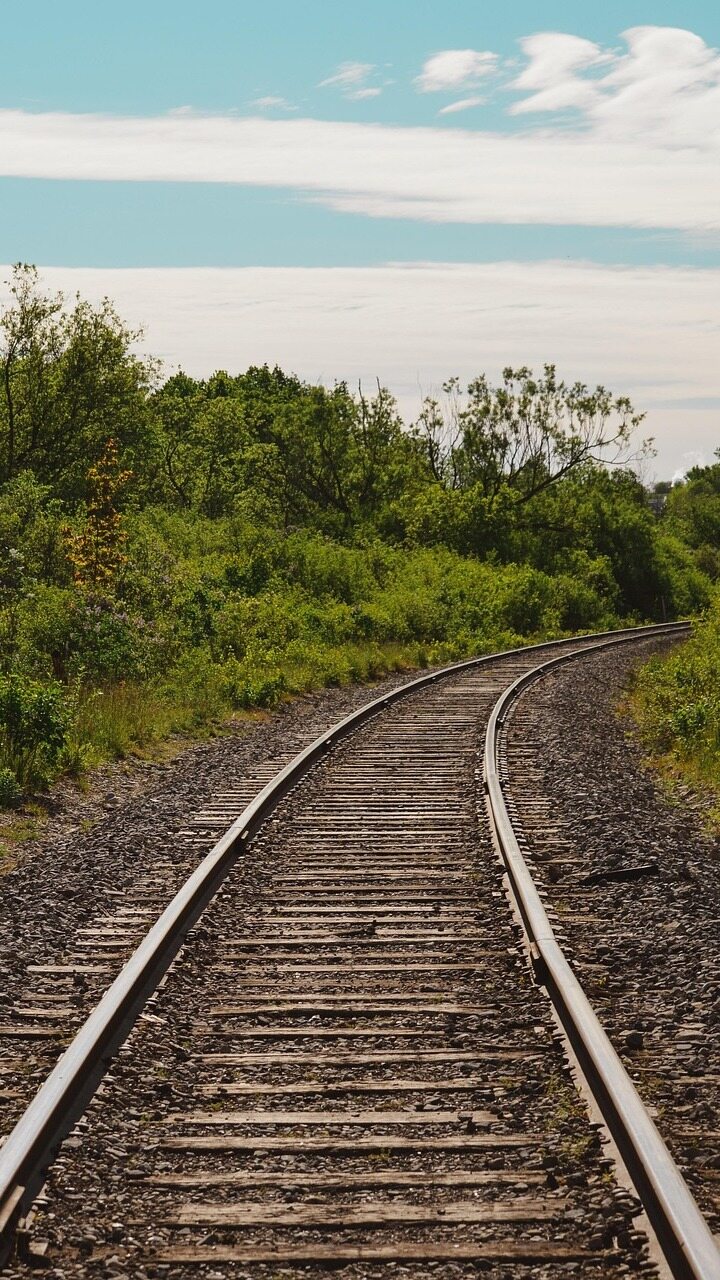
Under the sunset, the Tibetan old man loosened the reins and gazed at the steel rainbow soaring in the distance, lost in thought. The snow capped mountains and deep valleys that were insurmountable in the eyes of our ancestors are quietly stitched together by this path through clouds and fog. It is no longer a cold line on the map, but an era artery that awakens the vitality of the snow domain and connects the pulse of mountains and seas.
Build a super sky road in a dangerous location
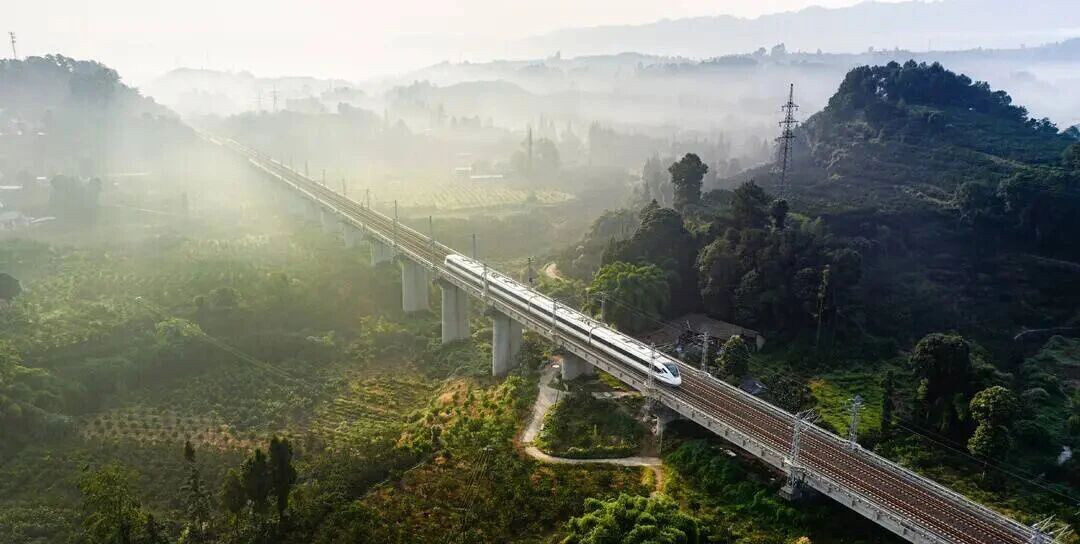
Li Bai sighed that the Sichuan Road was difficult and dangerous, and that Xizang was once isolated from the cold and mountains cut off Sichuan and Tibet. The Sichuan Tibet Railway, with a total length of 1838 kilometers and an investment of over 360 billion yuan, has opened up a natural barrier and is the core project of the national high-speed railway backbone. At the beginning of the founding of the People's Republic of China, route surveys were carried out, and new era projects were accelerated: the Chengya section was opened in 2018, the Lalin section was put into use in 2021, and the most difficult Yalin section started construction in 2020. It is expected to be fully connected by 2030, witnessing China's leading infrastructure in the world.
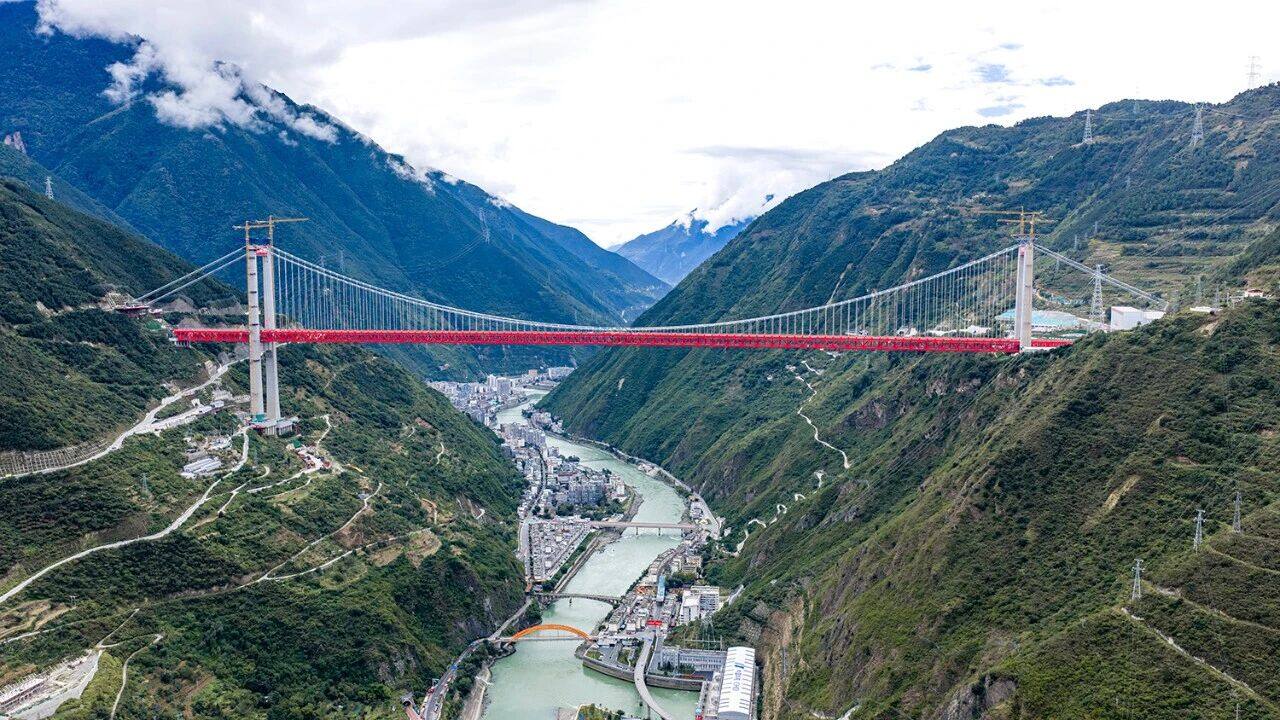
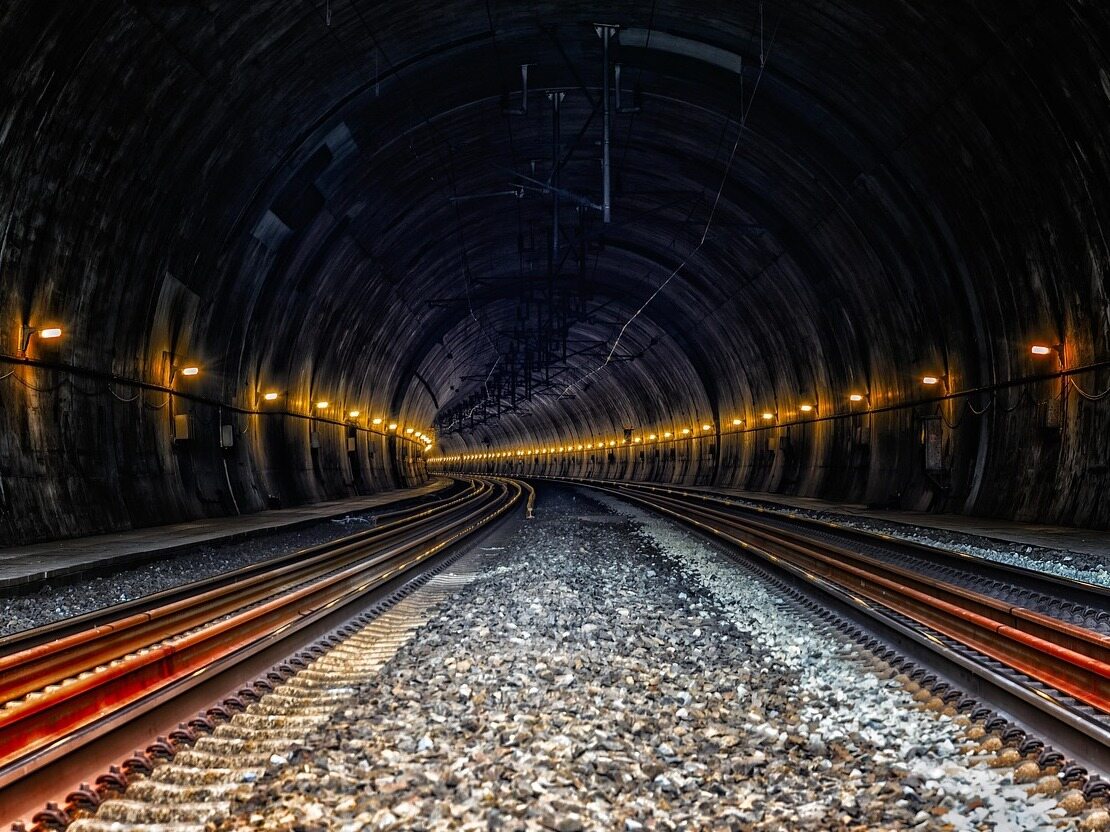
The line crosses the geologically unstable Hengduan Mountain area, where disasters occur frequently, rock masses are broken, and the terrain rises and falls sharply. It spans 14 major rivers and 21 high-altitude snow capped mountains, with bridges and tunnels in the Yalin section accounting for 94.8%, making it known as the world's most difficult railway. The Luding Dadu River Grand Bridge spans the canyon in mid air and is a key control project. Relying on the national overall planning, the construction team has overcome multiple construction difficulties. This railway secures the border and provides core support for Xizang's economic development.
Convenient transportation and circulation of goods
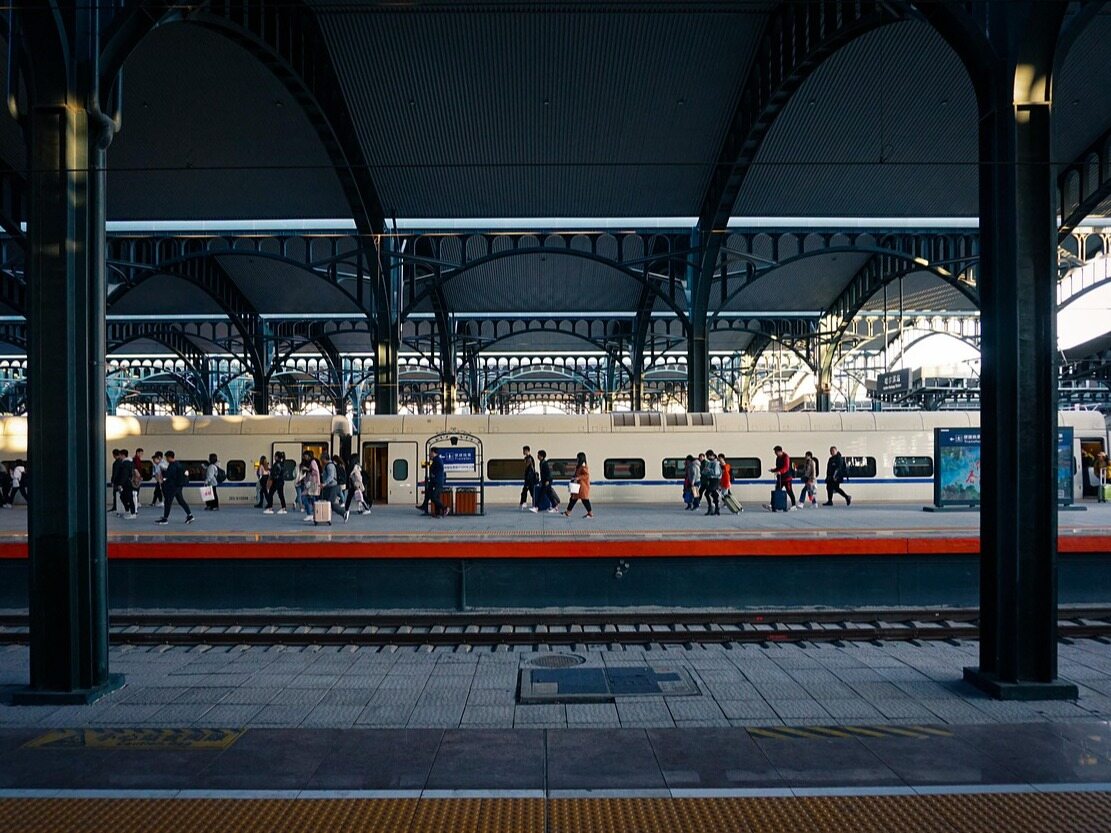
Driving from Lhasa to Nyingchi for nearly 10 hours, railway travel only takes 3 hours; The 48 hour journey from Chengdu to Lhasa will be reduced to 13 hours after the full line is opened, achieving a one-day round-trip between Sichuan and Tibet. The route shares the transportation capacity of the Qinghai Tibet Railway and alleviates the peak season congestion of National Highway 318. Plateau specialties are exported to the mainland, and mainland materials can reach Xizang directly, improving the lives of local people thoroughly. Keywords: Sichuan Tibet Railway, Plateau Infrastructure, Transportation
Drive the comprehensive development of Tibetan areas
Convenient transportation is driving snow tourism, and Tibetan style homestays and folk experiences are rapidly emerging, increasing people's income and wealth. In the future, the Sichuan Tibet railway will link with the Qinghai Tibet, Yunnan Tibet, and Xinjiang Tibet railways to open up the passageway to South Asia and Southeast Asia, making Xizang a regional transportation hub and the frontier of opening up.Editor/Gong Ziwei
Comment



 Praise
 Collect
 Comment

 Share
Share


Write something~