 Search


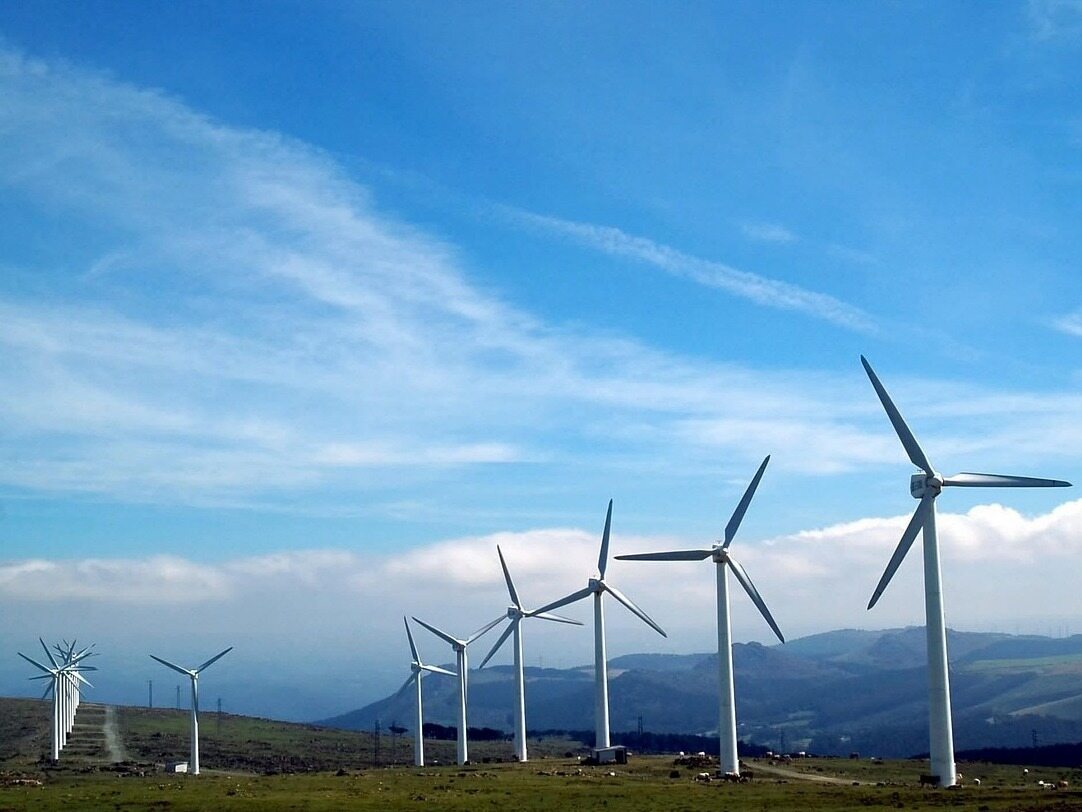
- Intensifying the Shage Desert and Deep Sea Wind Power, ushering in a golden period of development for the wind power industry chain
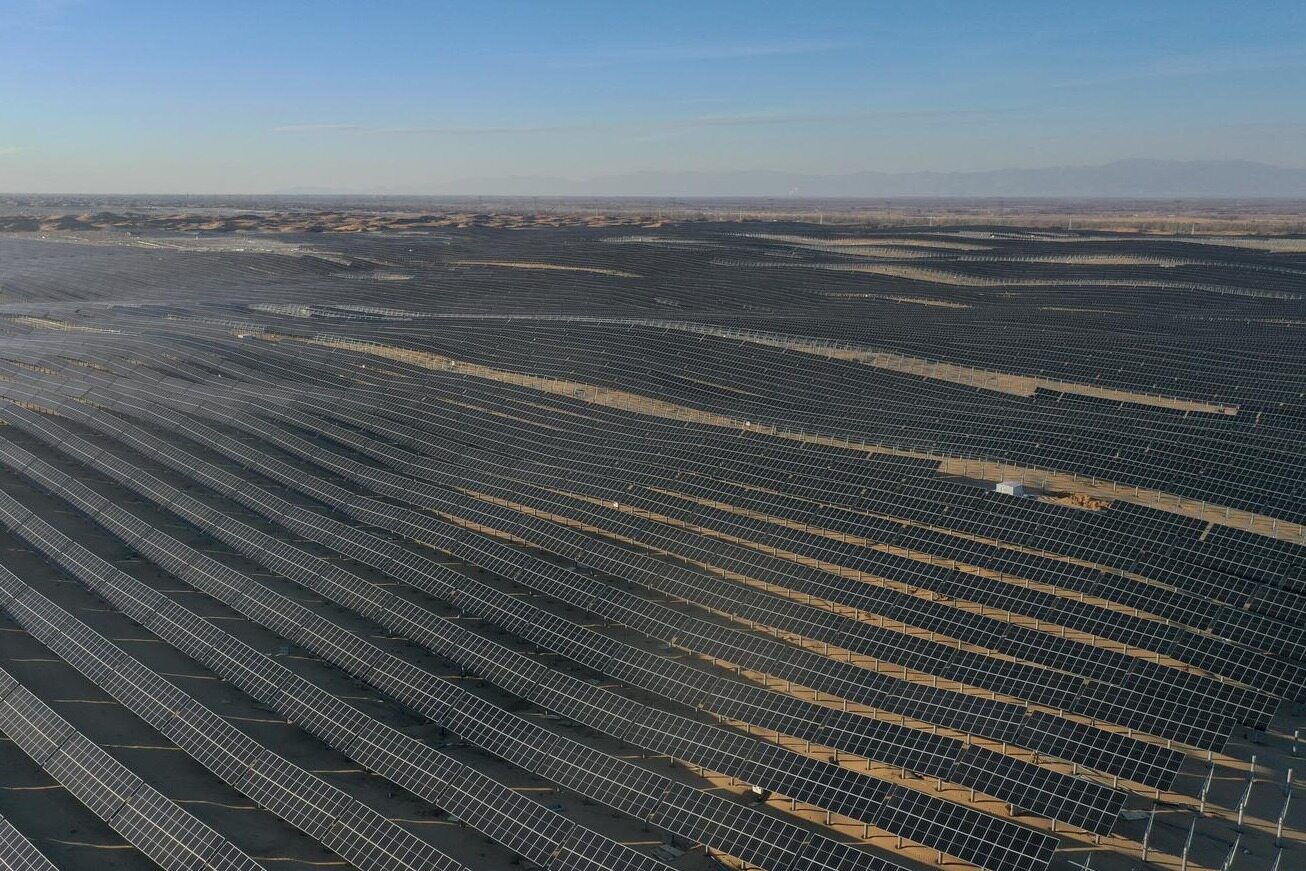
On July 23, 2026, the National Development and Reform Commission and the National Energy Administration officially issued the "15th Five Year Plan for the Development of Renewable Energy". This document is like a blueprint, pushing wind and solar power to the center of the energy stage - by 2030, the total installed capacity of wind and solar power will reach over 2.8 billion kilowatts, accounting for more than 50% of the installed capacity. Behind the numbers, an energy revolution from desert to ocean is accelerating.
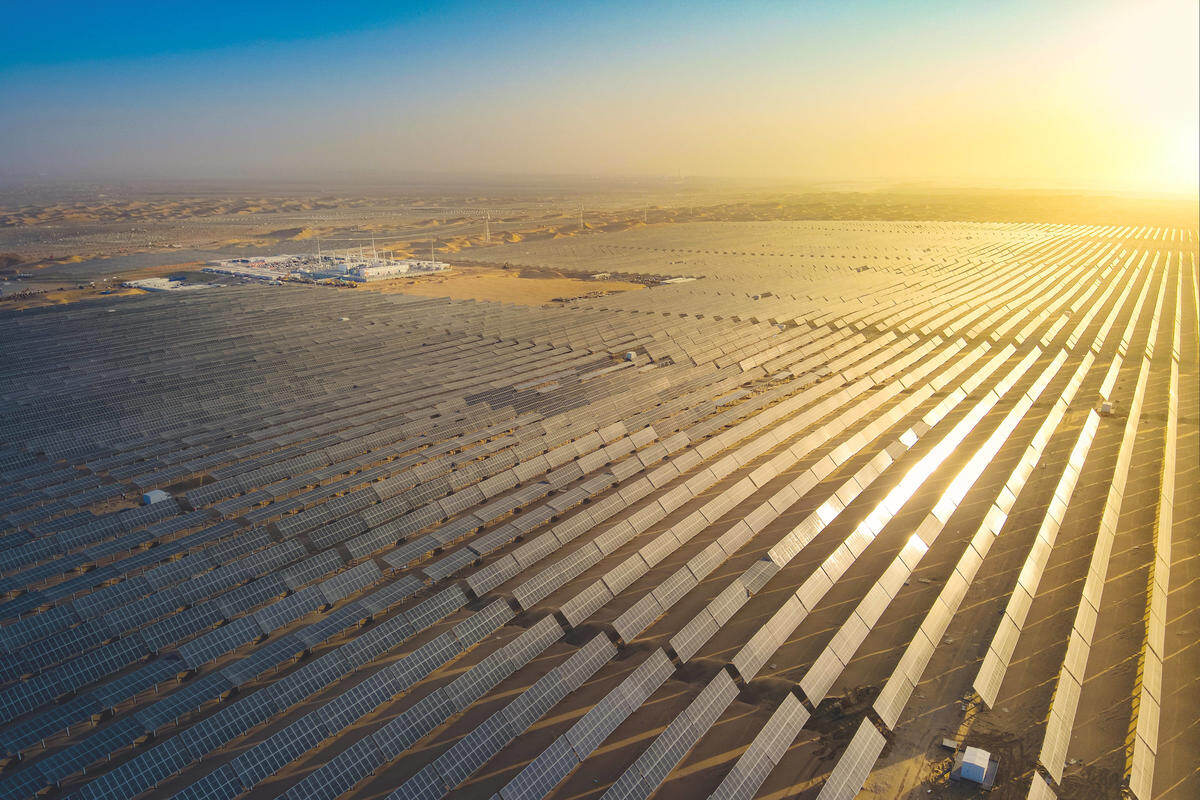
Shage Wilderness Base becomes the main battlefield
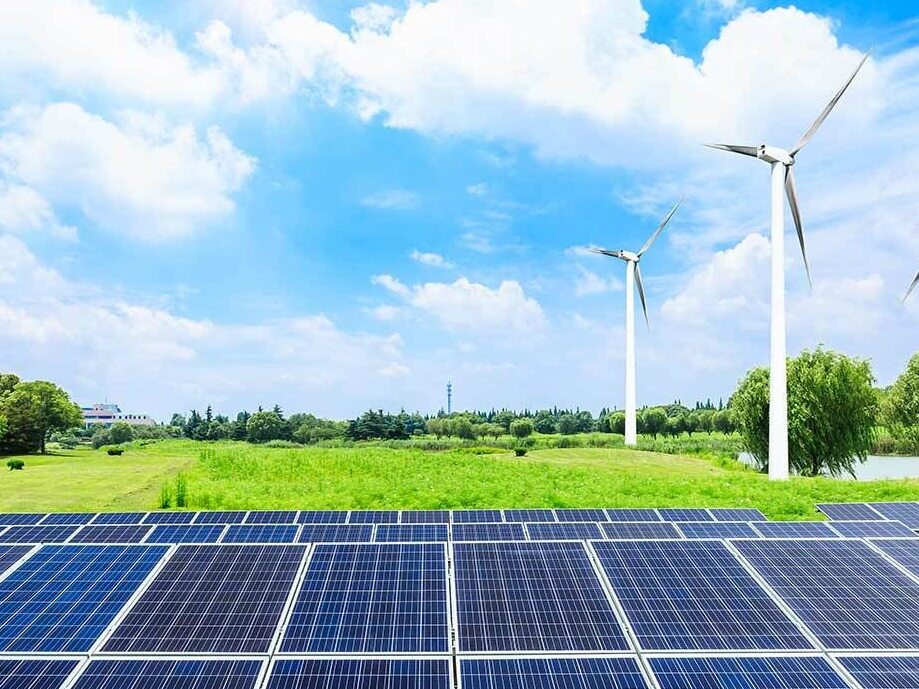
Focusing on desert, Gobi, and desert areas, the construction of the Three North Wind and Photovoltaic Base has been comprehensively accelerated. During the 15th Five Year Plan period, the region added over 370 million kilowatts of new installed capacity. Xinjiang focuses on planning export bases in Turpan Hami and southern Xinjiang, with the upper reaches of the Yellow River focusing on the Gobi Desert and Qaidam Basin in Hainan Province. The Hexi Corridor relies on Jiuquan, Wuwei, and Jinchang to continue its efforts, while the Yellow River covers western Inner Mongolia, Ningxia, northern Shaanxi, and northern Shanxi. The northern Hebei region has the Hunshandake Desert as a breakthrough point, and Songliao is promoting the construction and operation of a clean energy export base in Northeast China. The six major bases are advancing synchronously, and the pilot projects of photovoltaic sand control and 100% green power transmission are also being scientifically laid out.
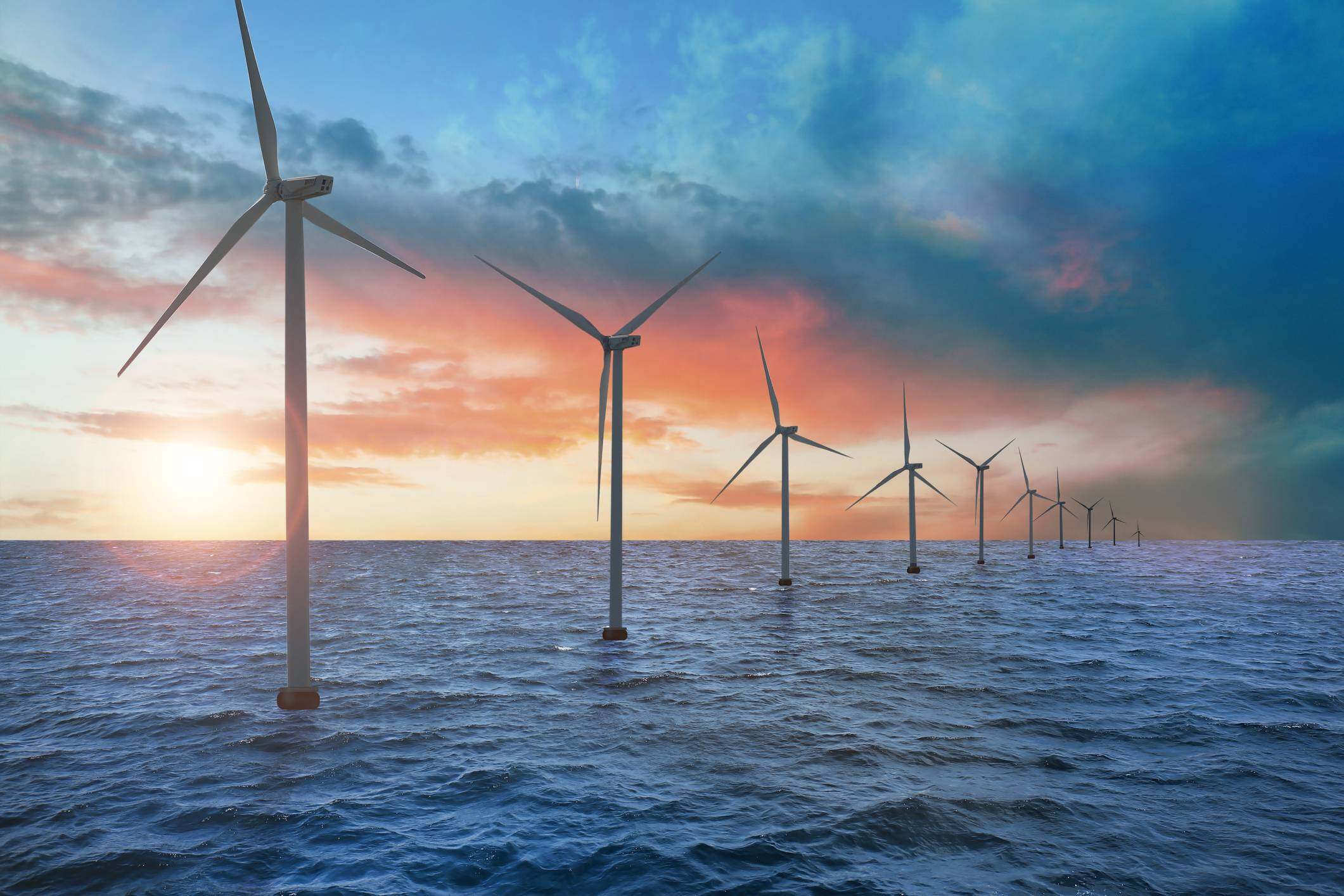
Deep sea wind power officially sets sail
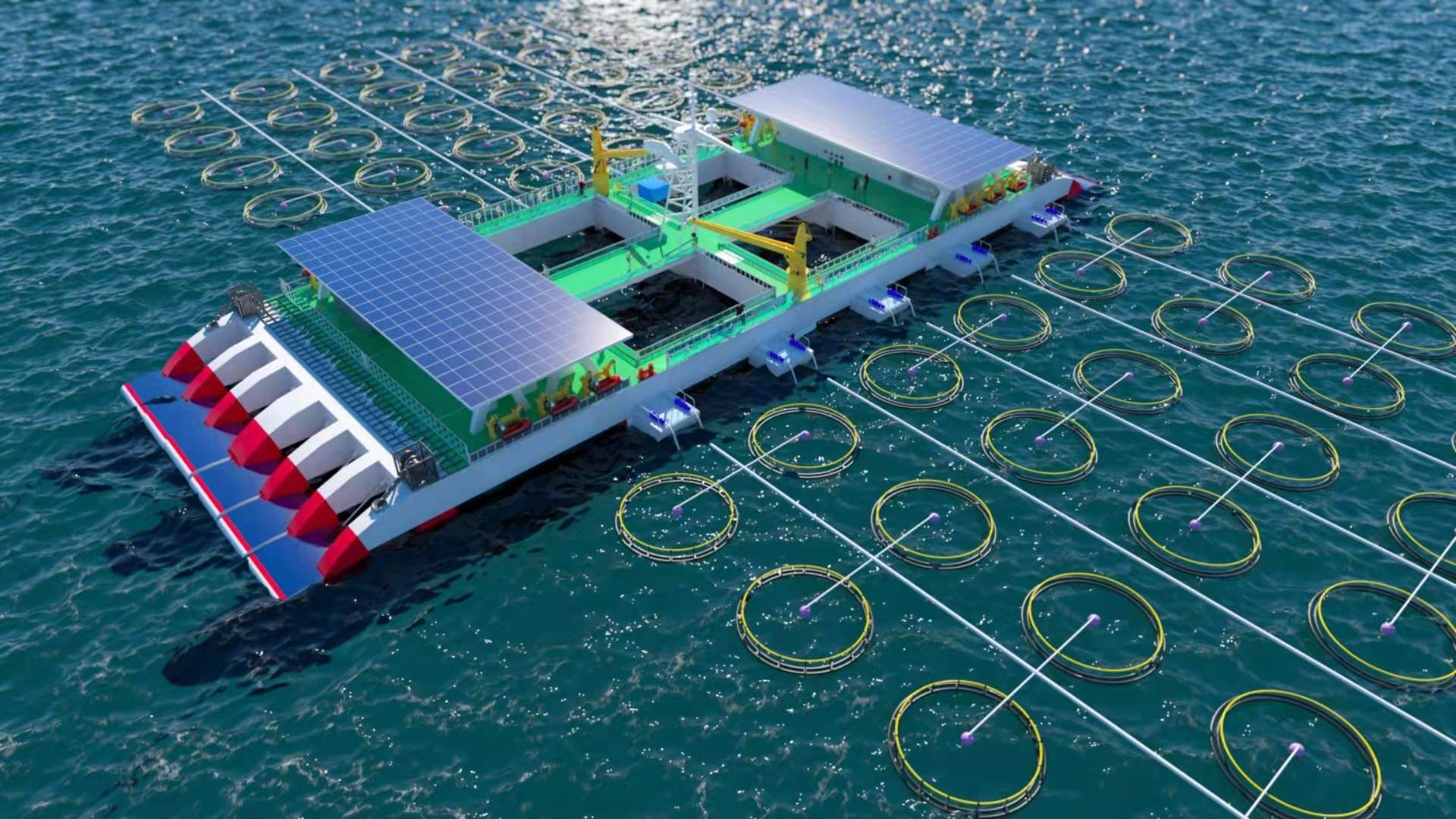
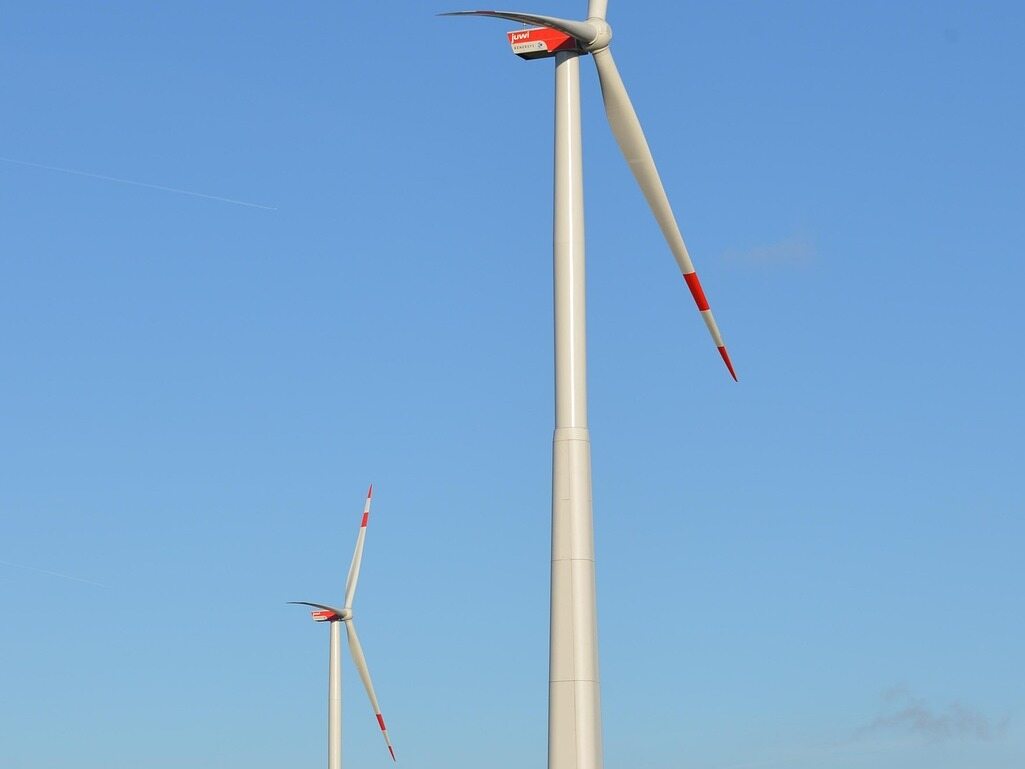
During the 15th Five Year Plan period, the newly started scale of offshore wind power in China will be around 100 million kilowatts, and the cumulative installed capacity will reach over 100 million kilowatts by 2030. While continuously accelerating the construction of offshore wind power in the near sea, the deep-sea has become a new strategic direction. The country will establish a project library for deep-sea offshore wind power bases, promote standardized and orderly construction in batches, and achieve intensive sharing of underwater transmission corridors and landing points. Offshore wind power will also be integrated and developed with offshore photovoltaics, ocean energy, ocean oil and gas, seawater desalination, ocean ranching, underwater computing power and other industries, exploring the construction of offshore energy islands and creating a new model for comprehensive development of green energy.
Integrated promotion of water, scenery and wind
Focusing on the integration of water and scenery, the construction of water and scenery integration bases on the Yalong River, Southeast Tibet, the upper reaches of the Jinsha River, and the upper reaches of the Lancang River was accelerated, and the planning and research on the the Yarlung Zangbo River, Dadu River, the upper reaches of the Yellow River, and the middle and lower reaches of the Jinsha River were advanced simultaneously. Distributed new energy is being diversified and developed in multiple scenarios in the central and southeastern regions, with an additional installed capacity of over 300 million kilowatts during the 15th Five Year Plan period. System friendly wind and solar power stations have become standard for new construction projects, and by 2030, the confidence output of newly built centralized wind and solar power stations should not be less than 10%. Wind and solar heating is actively promoted in the industrial sector and residential areas, and new energy utilization scenarios are constantly expanding. Keywords: New Energy News Network, Wind Power, Shagehuang
The signal released by this plan is very clear: China's new energy industry is expanding from a single installed capacity to a new stage of high-quality substitution and system friendly collaboration. Shage Wilderness and Deep Sea will become the most certain growth poles for the next five years.Editor/Gao Xue
Comment


 Praise
 Collect
 Comment

 Share
Share


Write something~