 Search


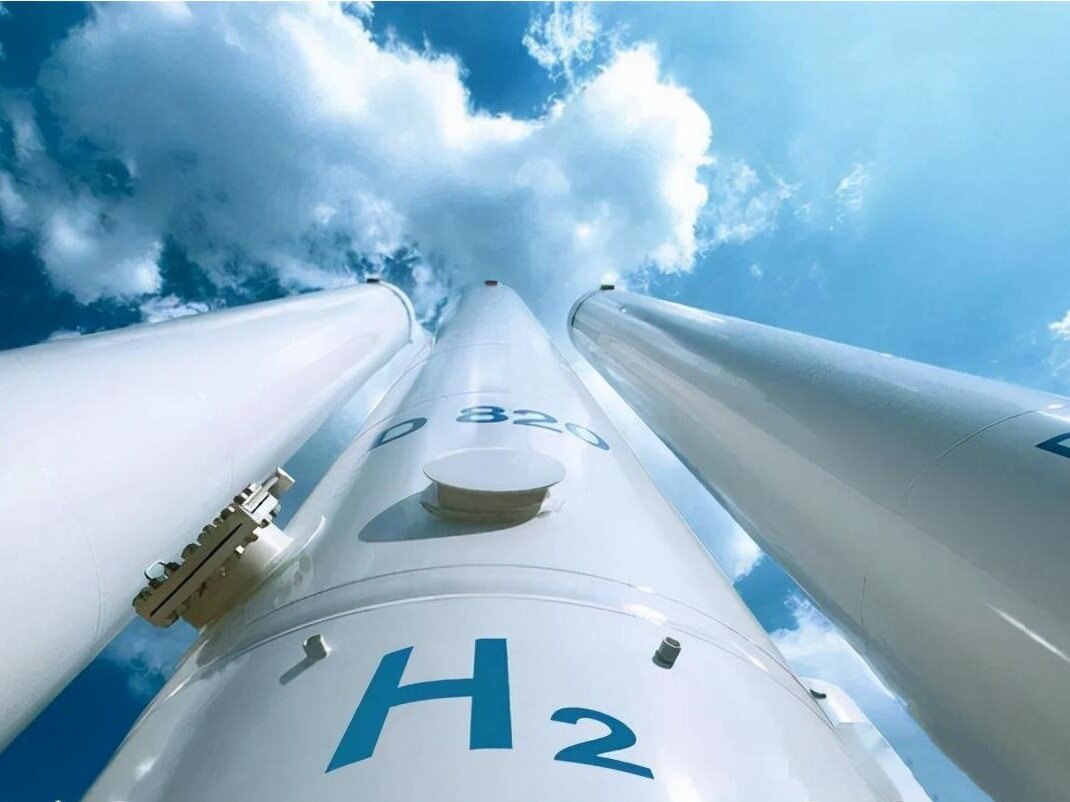
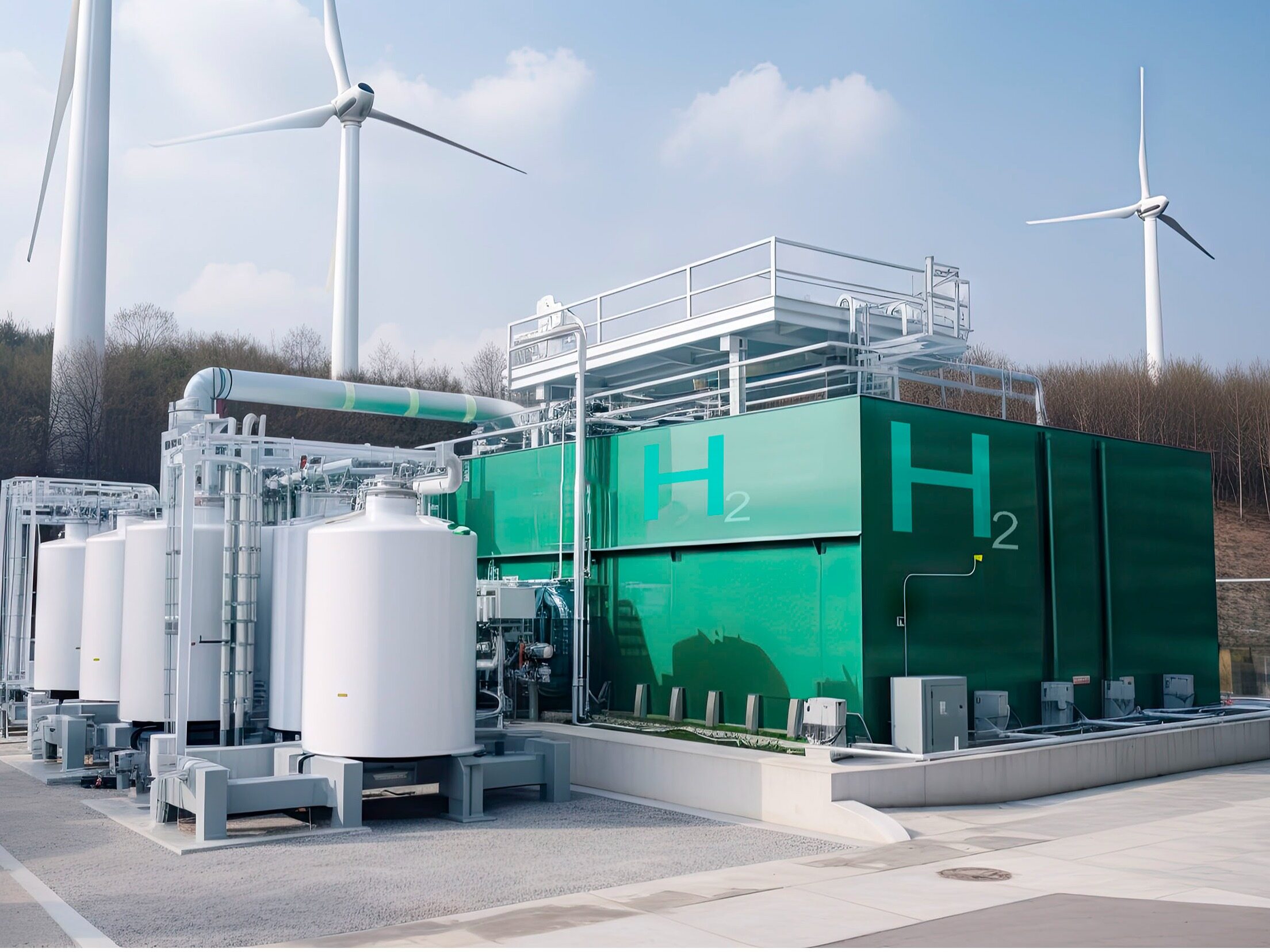
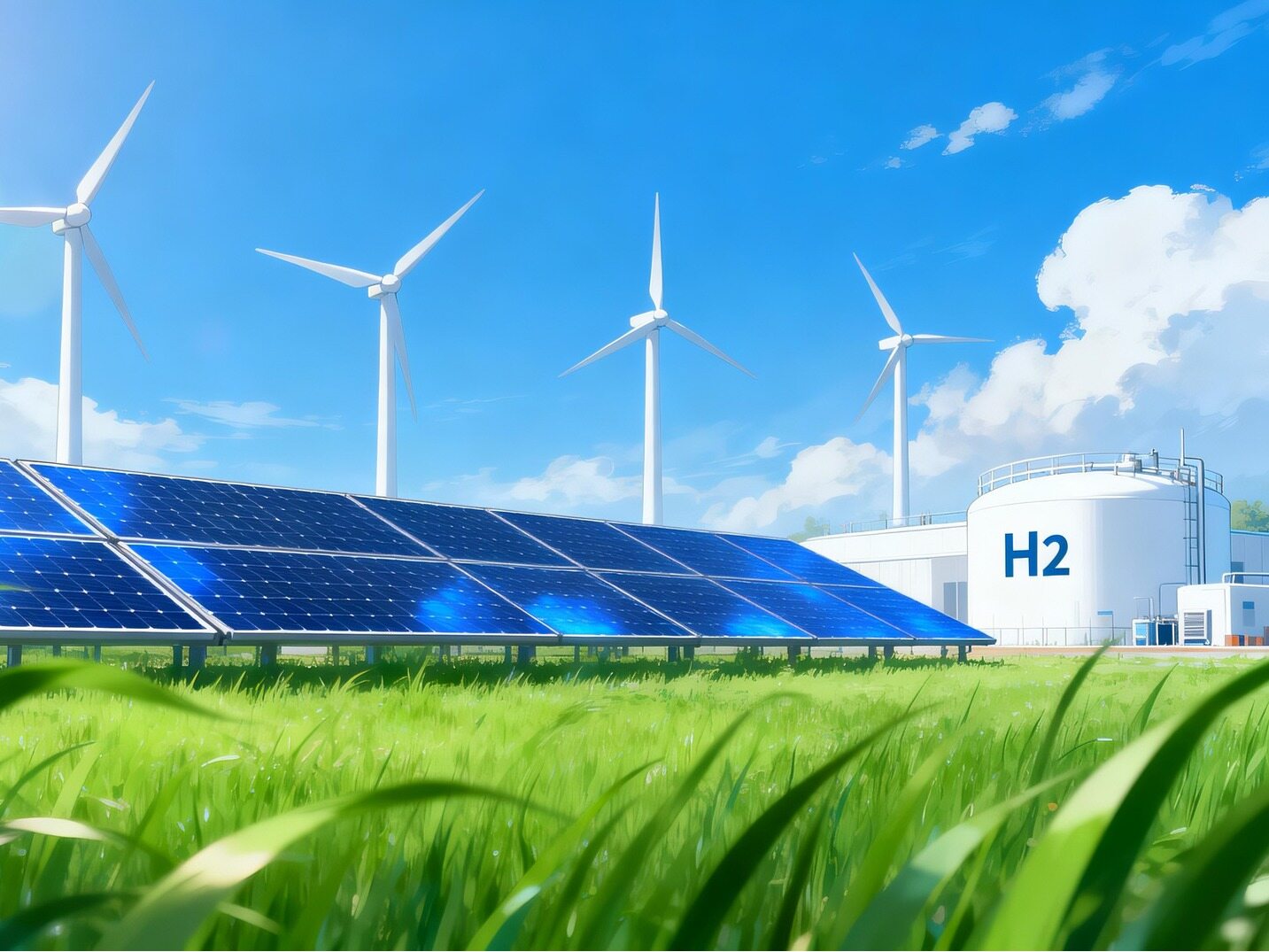
- Relying on diverse renewable energy endowments, Indonesia is laying out green hydrogen demonstration projects in multiple locations
- Indonesia invests billions in hydrogen energy and comprehensively promotes the large-scale implementation of the hydrogen energy industry

The scorching equatorial sun is roasting the coastline of Songba Island, and the once roaring diesel engines are gradually falling silent day and night. In the texture of this land of ten thousand islands, a green hydrogen undercurrent generated by photovoltaics, geothermal energy, and hydropower is quietly surging, attempting to reshape the energy bloodline and industrial breathing of the archipelago.
Concentrated implementation of hydrogen energy projects
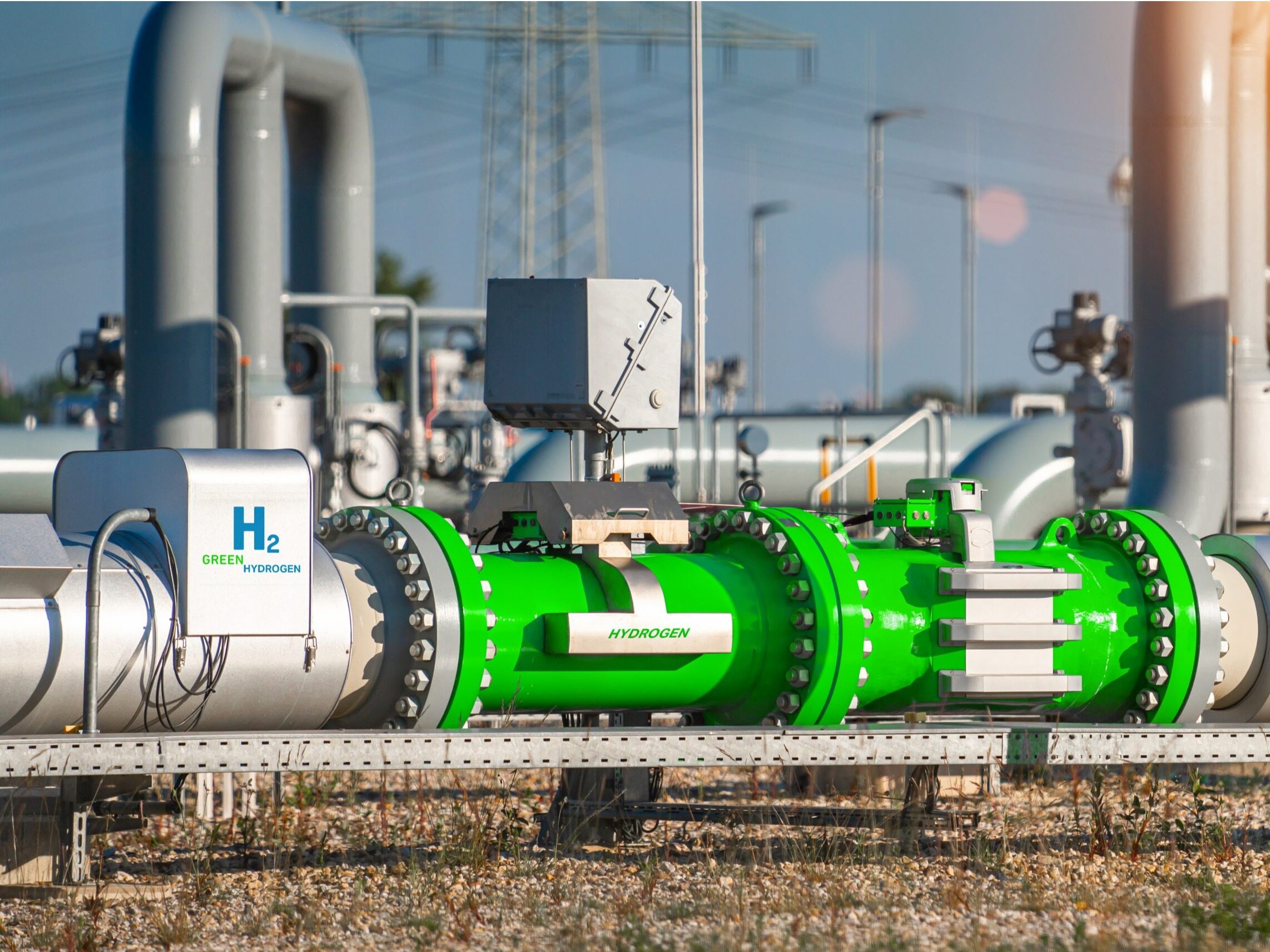
Indonesia is vigorously promoting the large-scale implementation of the hydrogen energy industry and incorporating hydrogen energy into its core energy transformation policies. On July 21, 2026, the Jakarta Hydrogen Summit revealed that there are a total of 93 hydrogen energy projects under construction and in reserve nationwide, with a total investment of approximately 2.05 billion US dollars. The government supervises the project throughout the process to promote the nationwide transition from diesel to diesel. This landing project covers various types of green hydrogen, including wind, solar, water, geothermal, and other resources. It also simultaneously lays out green ammonia and green methanol, taking into account both domestic demand and exports.
Multi scenario demonstration landing
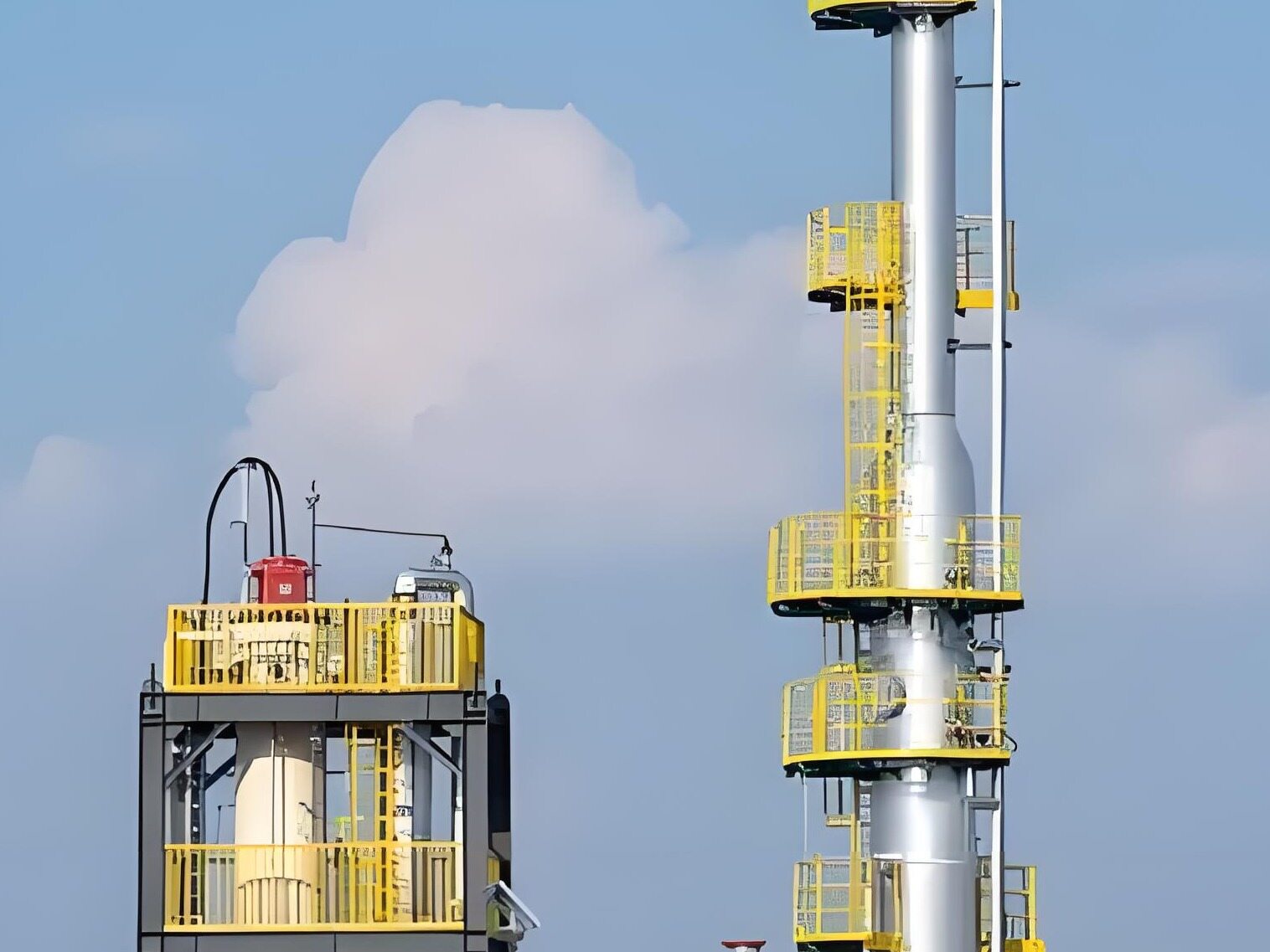
The Songba Island Hydrogen Renewable Energy Project is scheduled to be put into operation in 2028, serving as a model for replacing diesel power generation on islands; The Lungit Island photovoltaic hydrogen storage project achieves daytime hydrogen storage and stable nighttime power supply. The National Petroleum Corporation has launched a geothermal green hydrogen project in Ulubelu, using new electrolysis technology to produce 80 to 100 kilograms of green hydrogen per day. It is planned to start production in the fourth quarter and synchronize with Toyota's hydrogen digestion capacity to create a benchmark in the geothermal hydrogen production industry.
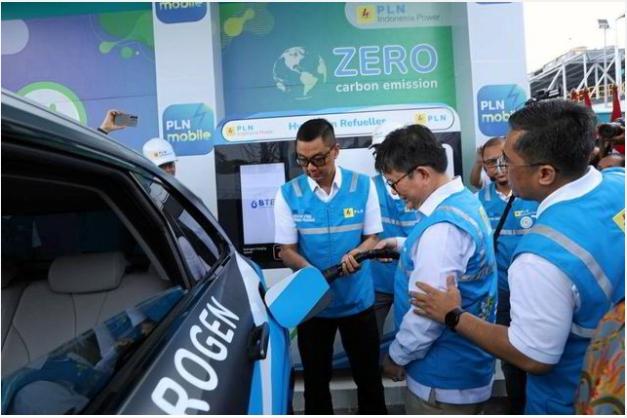
Indonesia has listed hydrogen energy as a strategic new energy source, with the goal of using hydrogen to account for 10% -12% of primary energy by 2060, replacing high carbon ash hydrogen in the fertilizer refining industry with green hydrogen, and avoiding international carbon tariffs. Local utilization of surplus electricity from photovoltaic hydropower to produce hydrogen and reduce costs, while exploring natural hydrogen resources; Simultaneously launching pilot projects for hydrogen diesel dual fuel buses, building a green transportation corridor in Jakarta, and expanding to multiple types of civilian equipment in the future.
Building a regional hydrogen energy hub
Japan, South Korea, and Australia are accelerating their layout of the hydrogen energy industry, while Indonesia relies on diversified renewable energy sources and follows a differentiated route of self-sufficiency and export, striving to become a hydrogen energy hub in Asia. At present, the local hydrogen refueling infrastructure and industry standards are not perfect, and many projects are in the demonstration stage; However, geothermal resources have enormous potential for development, and multiple regions can create hydrogen energy industry clusters. The existing hydrogen energy stock can support the expansion of demonstration projects. Keywords: Indonesia, hydrogen energy, energy
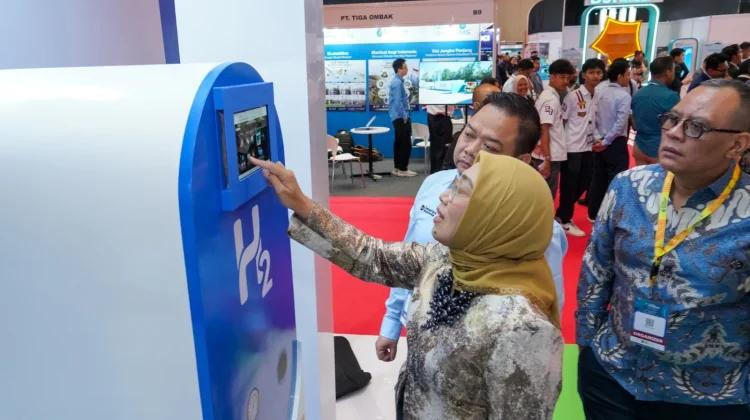
93 projects are stock summaries, not newly signed contracts; Civil hydrogen energy will first be implemented in transportation, and it will take time for it to be fully popularized; Hydrogen energy complements electric vehicles and adapts to different usage scenarios. 93 hydrogen energy projects are the starting point of Indonesia's energy transformation, which can improve power supply in Wandao, promote low-carbon industrial upgrading, and also help Indonesia upgrade its core participants in the regional clean energy industry.Editor/Gong Ziwei
Comment

 Praise
 Collect
 Comment

 Share
Share


Write something~