 Search


- Cameroon sugar refinery starts construction and is expected to transform into a regional processing and export center
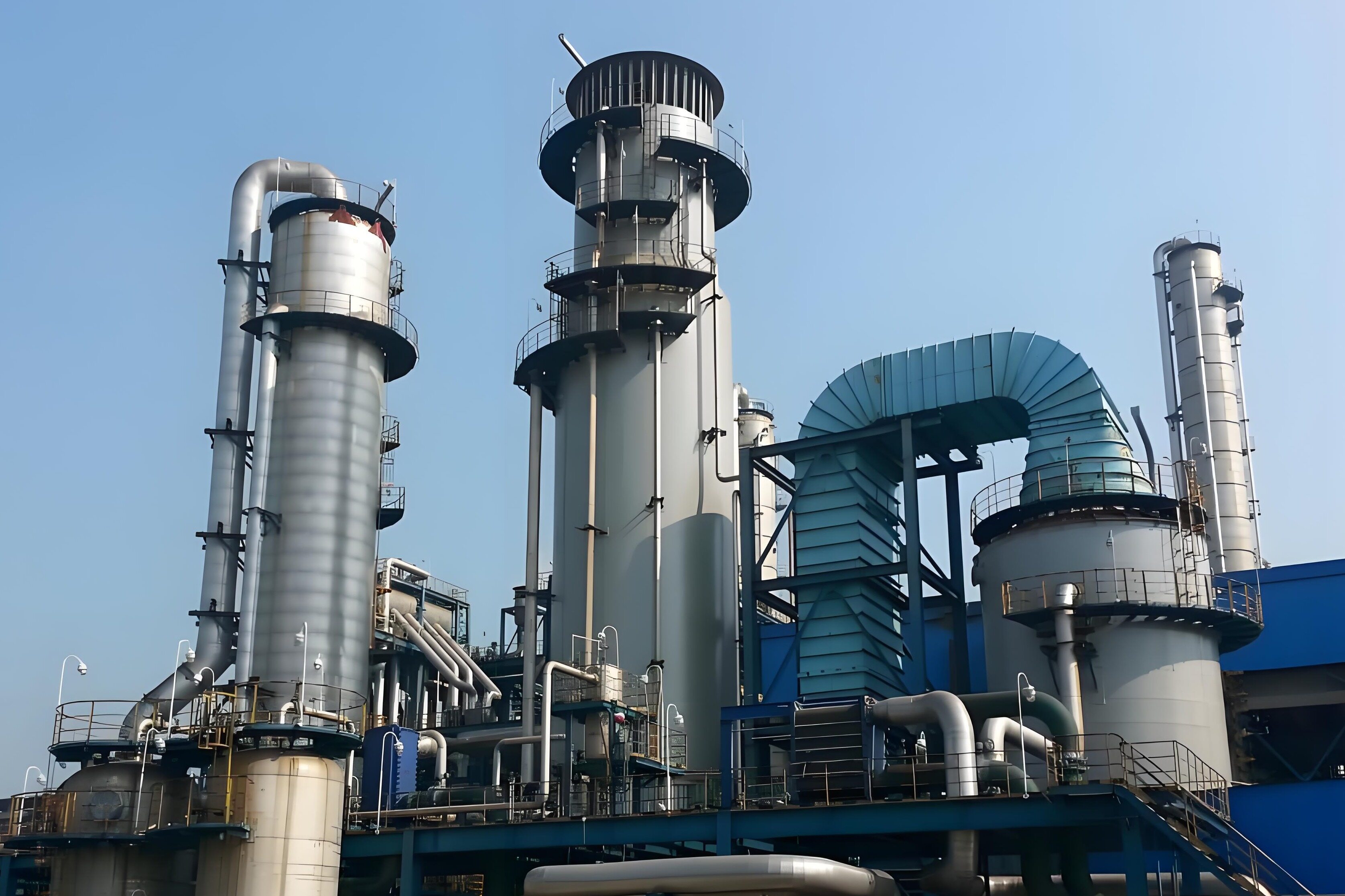
In July 2026, Nasco Group in Cameroon officially disclosed the Kribi sugar refining project to the public. This super sugar refinery with an investment of about 100 million US dollars and a designed annual output of 300000 tons is planned to gradually start production from 2028. The project party revealed that the Cameroon branch of Societe Generale is organizing syndicated financing, and the African Export Import Bank has also participated in supporting it. A country with a high dependence on imports will therefore stand at a crossroads of capacity reversal.
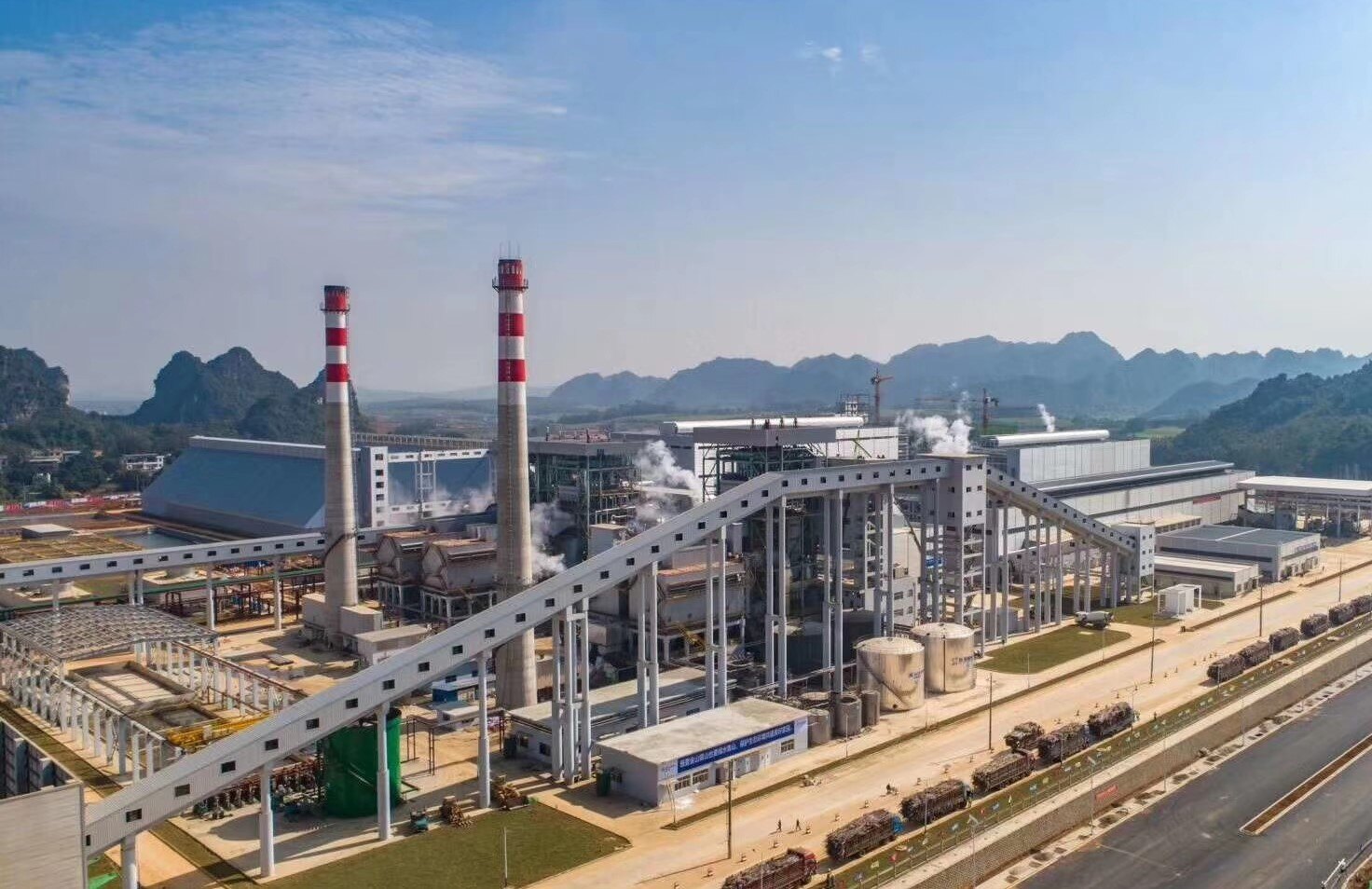
300000 tons of production capacity impacting the existing pattern
In 2025, Cameroon's imports of refined cane sugar or beet sugar will be 2084.43 million tons. The nominal production capacity of a Nazco factory is about 44% higher than this figure. In 2024, the country imported 268218 tons of refined sugar, which has decreased by nearly 60000 tons by 2025, indicating a clear trend of import substitution.
But the release of production capacity is far from overnight. Sosukam is implementing an expansion plan to produce 130000 tons of sugar annually in 2027, and Vega Foods in Douala has expanded its sugar refining capacity to 700 tons per day. If each project operates according to its goals, the domestic market will face significant competition for production capacity. Cameroon's industrial strategy proposes a target of 500000 tons of sugar industry and plans four related industrial parks. Policies support local processing, but the commercial viability of the project still depends on sales volume, raw material costs, and payment collection speed.
The arrival of raw sugar at the port determines the production pace
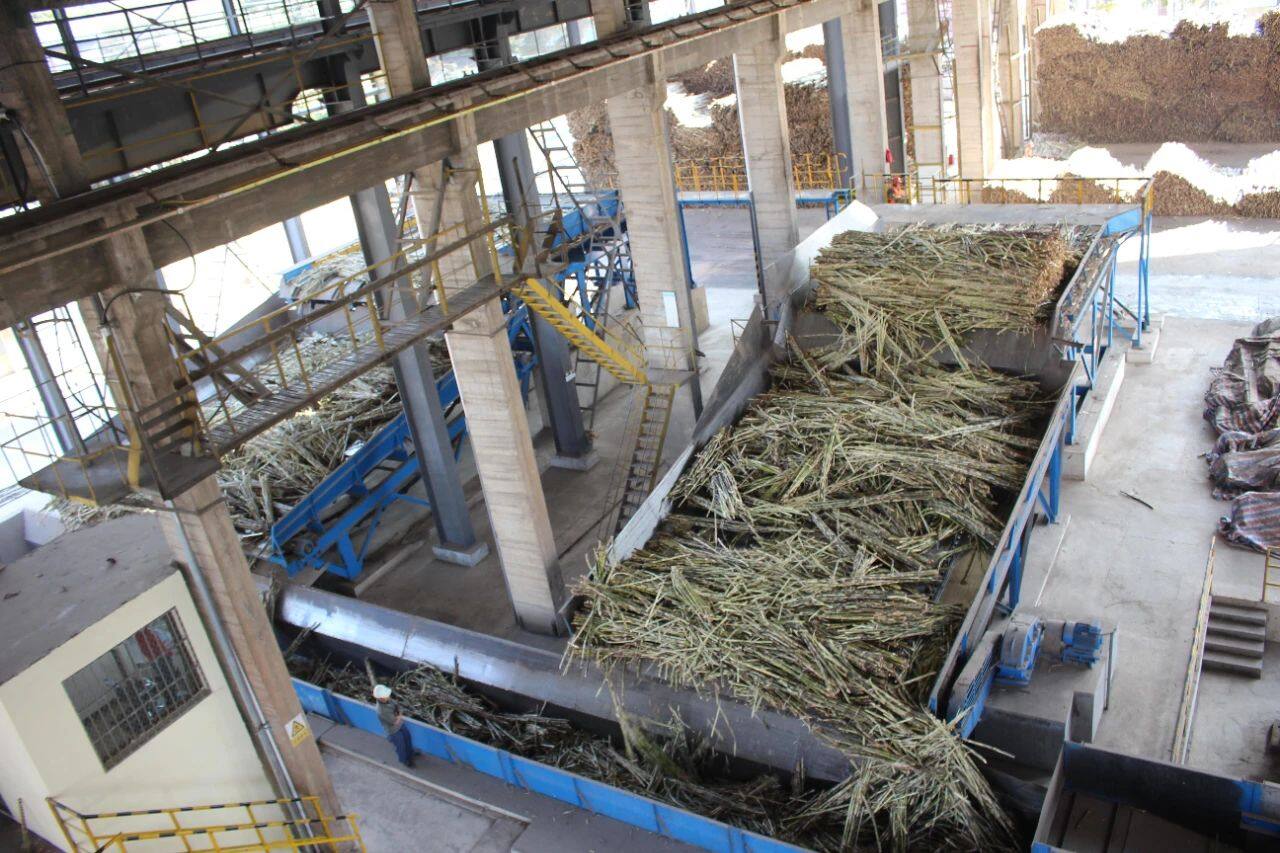
The current public information of the project party has not disclosed its own sugarcane base, crushing line, or long-term contract for raw sugar. The currently confirmed chain starts from the arrival of raw sugar at the port, goes through food grade warehousing, sugar dissolution purification, decolorization crystallization, drying packaging, and finally distribution. This means that the trade structure will undergo fundamental changes - the import of refined sugar products will decrease, while the demand for raw sugar imports and port storage will increase.
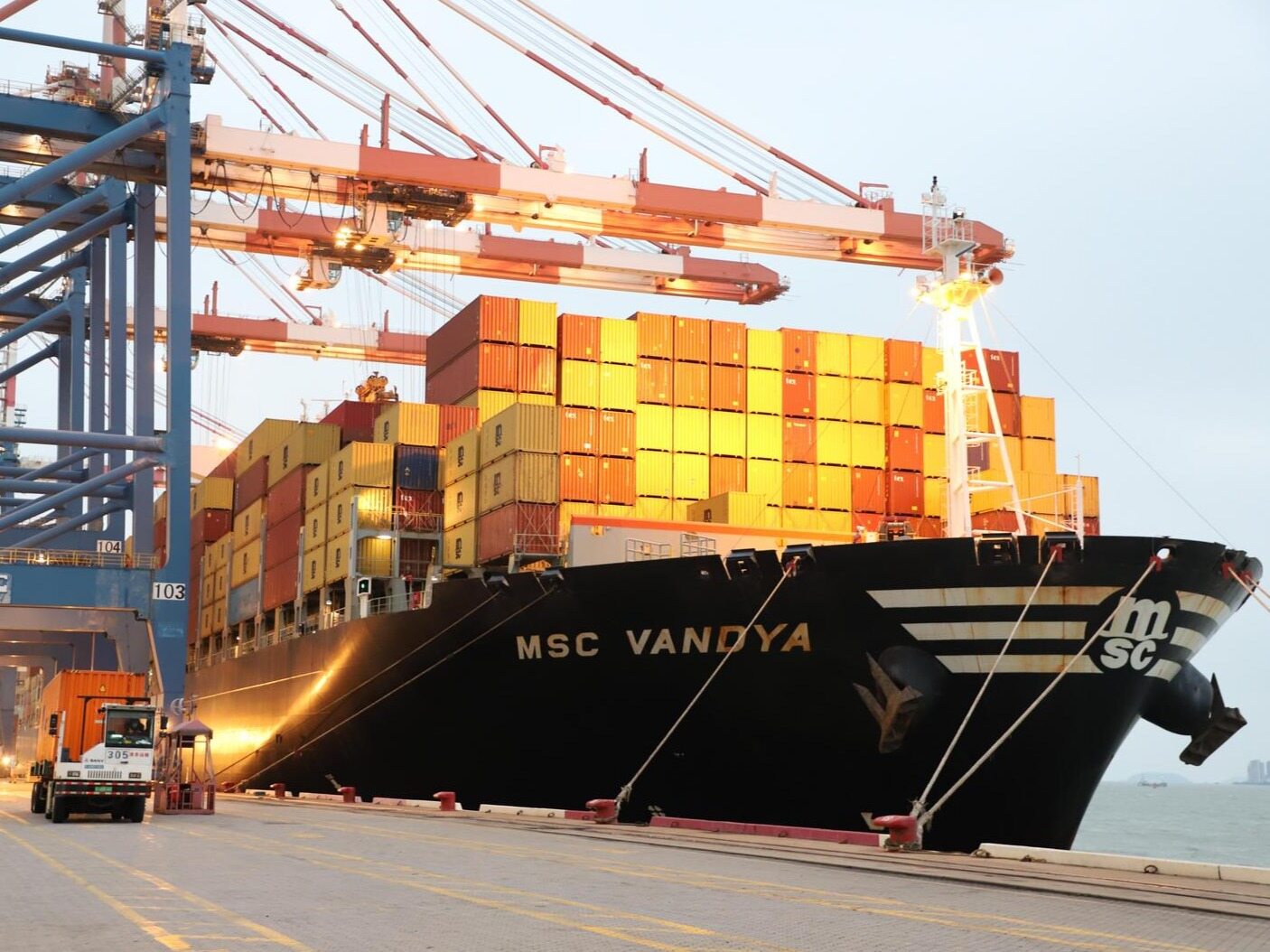
Kribi Port will handle 555398 TEUs and 12.7 million tons of cargo by 2025. The port industrial zone will be launched in February 2026, and the distribution of bulk raw materials and finished products has already been established. But stable production still requires food grade bulk cargo warehouses, electricity, steam, water treatment, and wastewater systems to be in place. China Harbour has previously constructed the first phase of Kribi Deepwater Port, and the Chinese engineering team has accumulated experience in port construction and equipment import. However, the Nazco project still requires independent review of the contract subject and payment source.
Three companies compete for raw material energy consumption channels
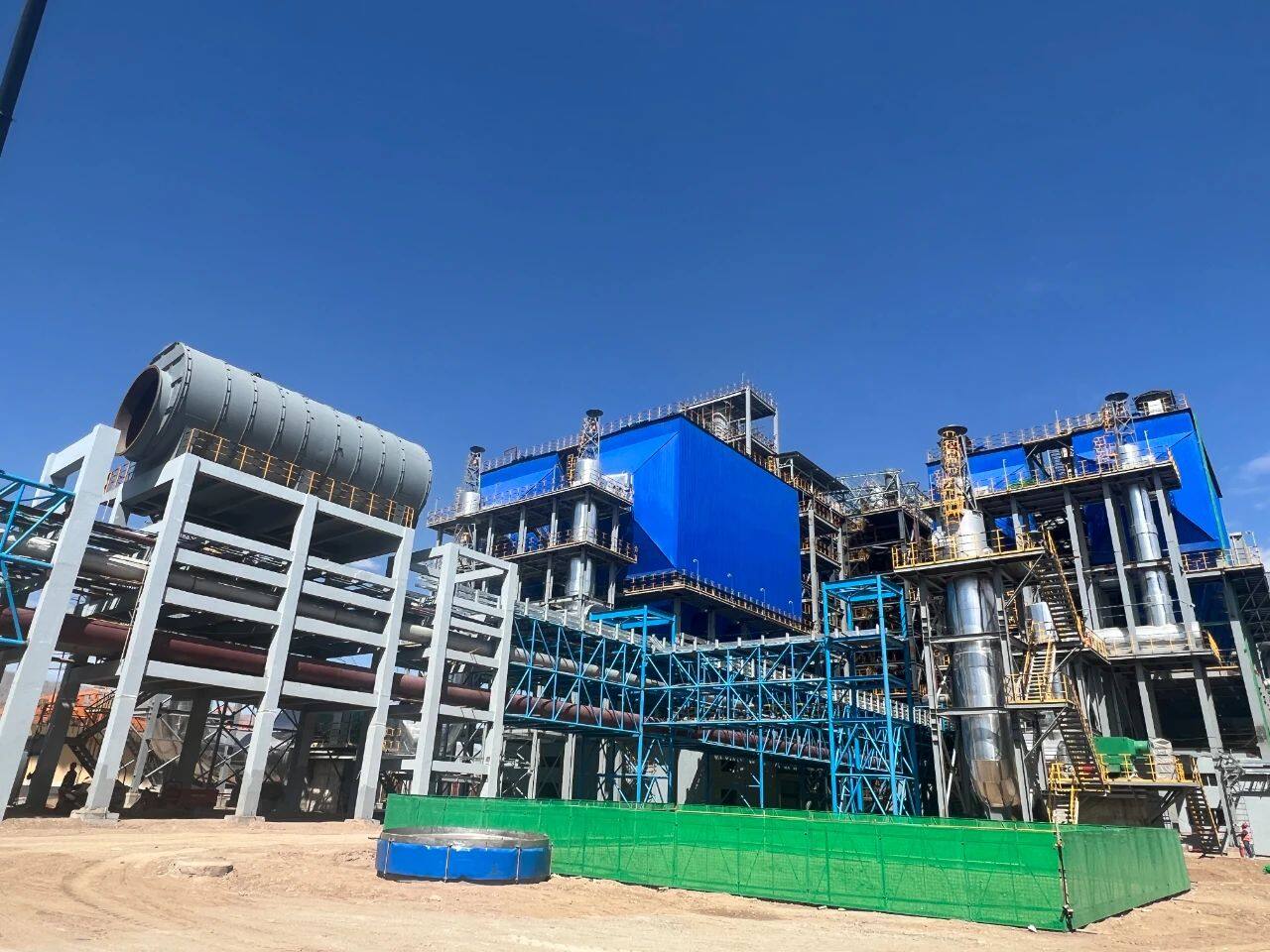
The sugar industry in Cameroon is forming a tripartite balance. Sosukam has approximately 25000 hectares of sugarcane cultivation area, with advantages in agriculture, branding, and long-term channels. Vega Foods is located in Douala and its expansion also relies on raw sugar supply. Nazco is close to deep-water ports, which provides better conditions for reducing costs in unloading, short dumping, and warehousing. Keywords: Infrastructure News Network, Factory Processing
The final price is determined by the cost of raw materials, and the operating rate depends on the procurement of raw sugar, port losses, ton sugar steam, and electricity consumption. Packaging specifications, dealer credit, and neighboring country payments can also affect cash flow. Whoever obtains stable raw materials and industrial customers first can turn nominal production capacity into actual income. By 2028, three specific factors will determine the market position: raw sugar costs, factory operating rates, and the speed of payments from neighboring countries.Editor/Gao Xue
Comment




 Praise
 Collect
 Comment

 Share
Share


Write something~