 Search


- Who can solve the power supply problem, who can win the future
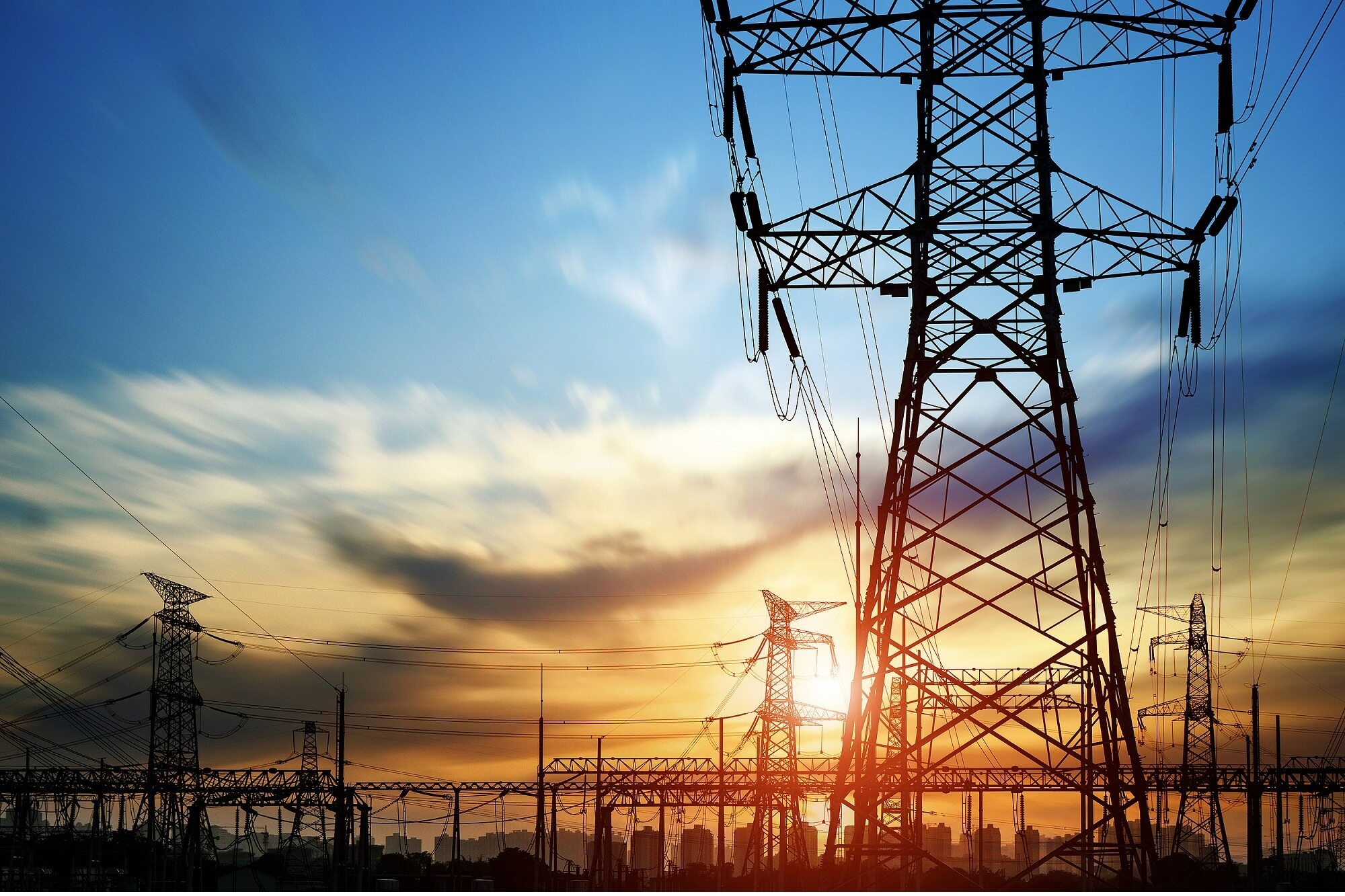
In the Jurong Lake area of Singapore, a once peaceful land is being covered with steel bars and bones. Engineer Li Wei stood in front of the just topped out data center building, with a furrowed brow. According to the original plan, the permanent power supply was supposed to be connected here three months ago, but due to the tight capacity of the power grid, he had to rely on expensive temporary diesel generators to maintain testing. This is not an isolated case. With the global AI boom ignited by ChatGPT, the Asia Pacific region is becoming the main battlefield of this computing power arms race, and electricity has become the shortest wooden board that restricts victory or defeat.

Since the end of 2022, generative AI has moved from the laboratory to various industries, driving the Asia Pacific data center market into a period of explosive growth. According to industry predictions, approximately $800 billion of funds will be targeted towards this region in the coming years. This huge investment is not only for building warehouses to store servers, but also for seizing the high ground of the digital economy. However, with the migration of enterprise cloud, the popularization of the Internet of Things, and the implementation of data localization policies, the power consumption of data centers is rising at an alarming rate.
Faced with this trend, economies in the Asia Pacific region are accelerating the decarbonization of their power systems while promoting the electrification of transportation and buildings. But in practical operation, how to make the huge data center load compatible with the fragile green grid has become a complex equation.
Green electricity access threshold
In the past, companies could build data centers by acquiring land; Now, the number of green electricity indicators in hand is the passport for approval. In Singapore, the government has suspended general approval for new data center projects and instead implemented a "green channel" where only projects that promise extremely high energy efficiency standards and can address green power supply are allowed. In Japan, due to the difficult energy structure transformation after the Fukushima nuclear accident, Tokyo Electric Power Company is collaborating with technology companies to explore building data centers directly near offshore wind farms. For investors, affordable and reliable clean electricity has replaced land costs as the primary factor in evaluating the long-term value of projects.
Power grid under pressure changes
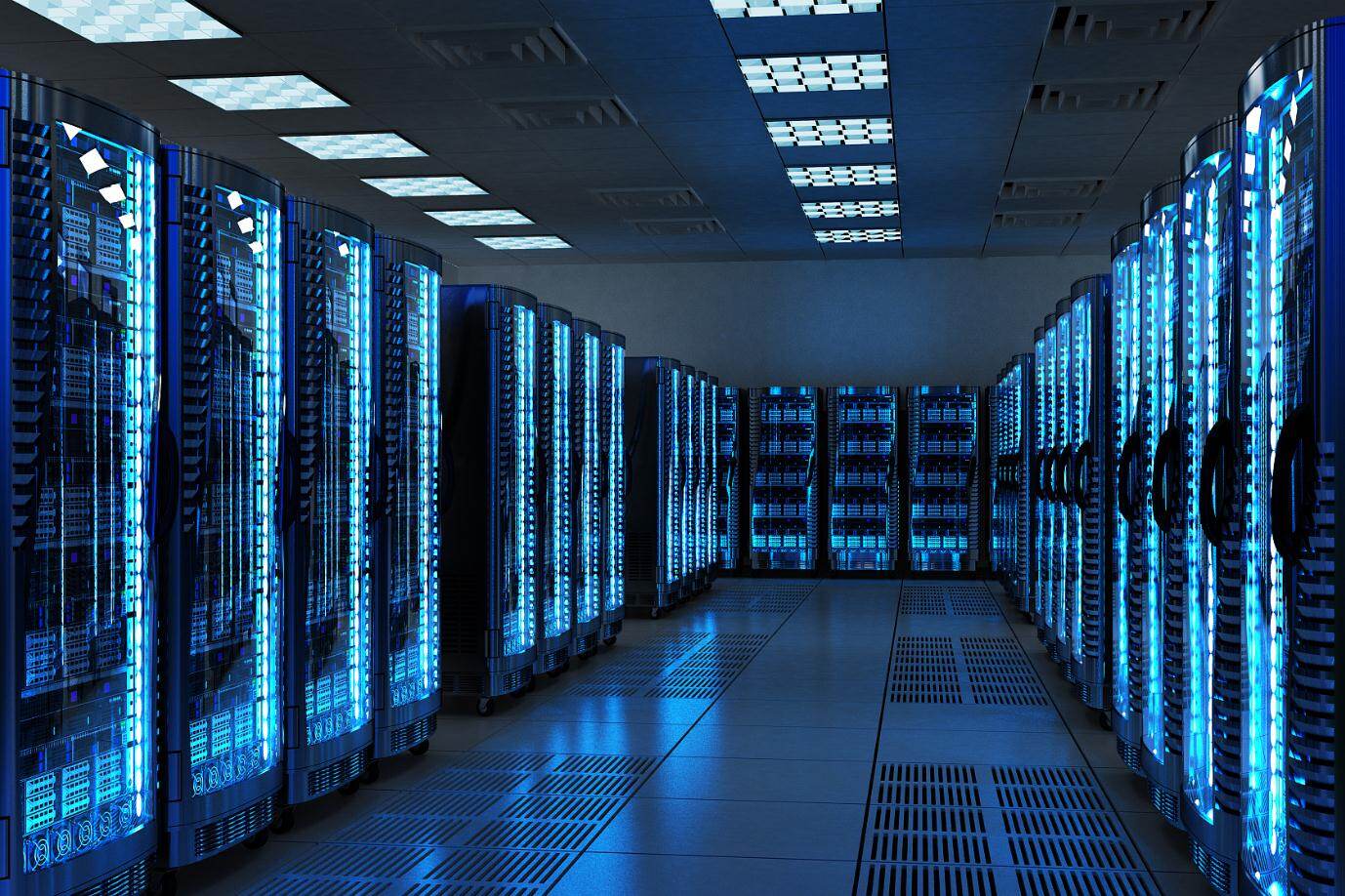
With the clustering of data centers in the Seoul metropolitan area of South Korea and Sydney, Australia, the local power grid is facing unprecedented challenges. The Korea Electric Power Corporation recently warned that if not guided, large-scale data center integration may lead to local power grid overload, thereby pushing up the overall electricity price level in society. At the same time, this has also forced the innovation of power grid technology. In Australia, some newly built data centers have started piloting the "virtual power plant" model, utilizing their own backup power sources and energy storage systems to reverse power transmission during peak grid loads, helping to stabilize grid frequency. This shift from "simple solicitation" to "interactive support" is becoming a new approach to alleviate power grid anxiety.
Collaboration between government and enterprises breaks through the impasse
The key to solving the power dilemma lies in the pre planning and coordination. In Johor, Malaysia, the local government is trying a new approval model: bundling data center construction with grid expansion plans for bidding, requiring developers to invest in a certain proportion of energy storage facilities or renewable energy power stations while investing in data centers. This integrated model of "source grid load storage" ensures synchronous matching between new loads and new power supply capacity. As a senior energy consultant has pointed out, only by drawing clean power generation, grid enhancement, and data center blueprints together can we avoid the embarrassing situation of "power rationing upon completion" and truly unleash the digital productivity of the AI era.Editor/Yang Meiling
Comment


 Praise
 Collect
 Comment

 Share
Share


Write something~