 Search


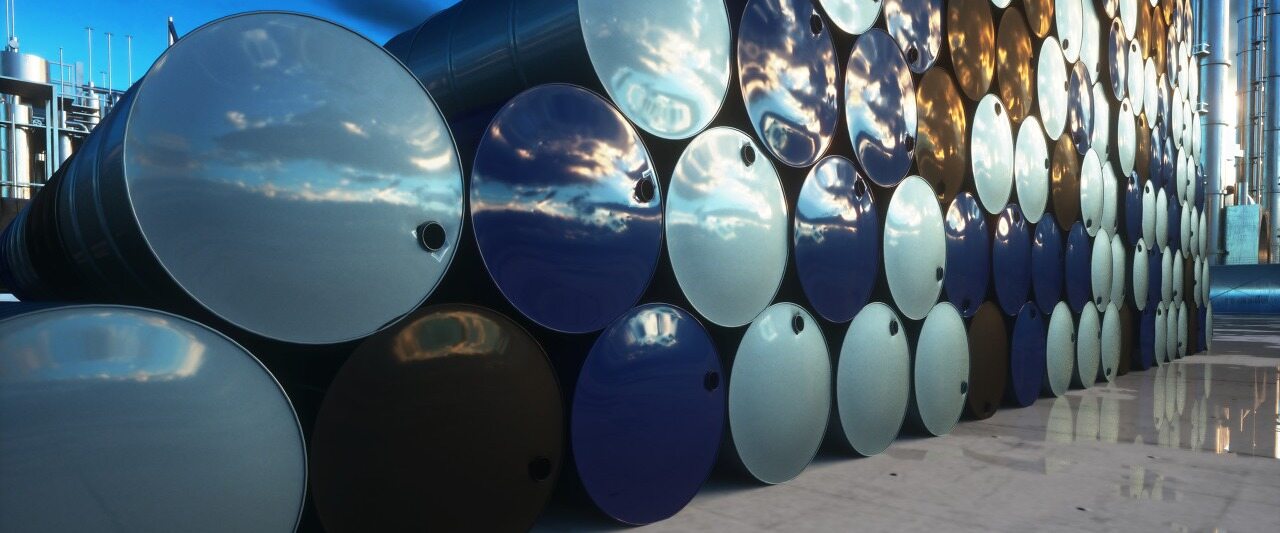
- A transport convoy loaded with Chinese fuel has successfully entered Kyrgyzstan recently
- This warm energy current from the East has played a crucial role in its diversified energy layout
At the gas station on the outskirts of Bishkek, driver Igor had been waiting in line for half an hour. As he watched the fuel gauge pointer approach the red line, he was worried that his weekend driving plan would be ruined. The oil tanker truck with a familiar sign coming from afar caught his eye. On July 23, 2026, as the first batch of fuel from China arrived in Kyrgyzstan, local residents like Igor, who were worried about the "difficulty of refueling", finally received a peace of mind.

Multi channel supply guarantee and stable price
The Ministry of Energy of Kyrgyzstan has been taking frequent actions recently, attempting to weave a tight national energy security net. In addition to opening up channels with China, the official has signed an import agreement with Belarus to further expand the source of goods. Meanwhile, the contract with Kazakhstan is steadily progressing, stipulating a monthly supply of 15000 to 20000 tons of fuel oil. These heavy raw materials will be deeply processed in domestic refineries in Kyrgyzstan, and converted into 92 octane gasoline urgently needed by the market, as well as clean diesel that meets strict K4 and K5 environmental standards, to alleviate the shortage of finished oil products from the source.

Cracking the inland dilemma
As a typical landlocked country, Kyrgyzstan has scarce oil and gas resources and has long relied on imports. A single import path often comes with the risk of price fluctuations and supply disruptions. The introduction of Chinese fuel this time is not only a supplement in quantity, but also an improvement in quality. It means that Kyrgyzstan is breaking through traditional logistics limitations, utilizing its geographical advantages to build a more resilient supply chain, and enhancing its ability to resist international market turbulence.

Expansion of Energy Map
Kyrgyzstan has not stopped here. The Ministry of Energy has revealed that it is intensively promoting the organization of fuel supply from Uzbekistan. With increasingly close energy cooperation with neighboring countries such as China, Belarus, Kazakhstan, and Uzbekistan, a new pattern of energy cooperation covering Central Asia and radiating to the surrounding areas is taking shape. This not only helps to stabilize domestic oil prices, but also provides a solid energy support for the country's future industrial development and livelihood security.Editor/Yang Meiling
Comment





 Praise
 Collect
 Comment

 Share
Share


Write something~