 Search


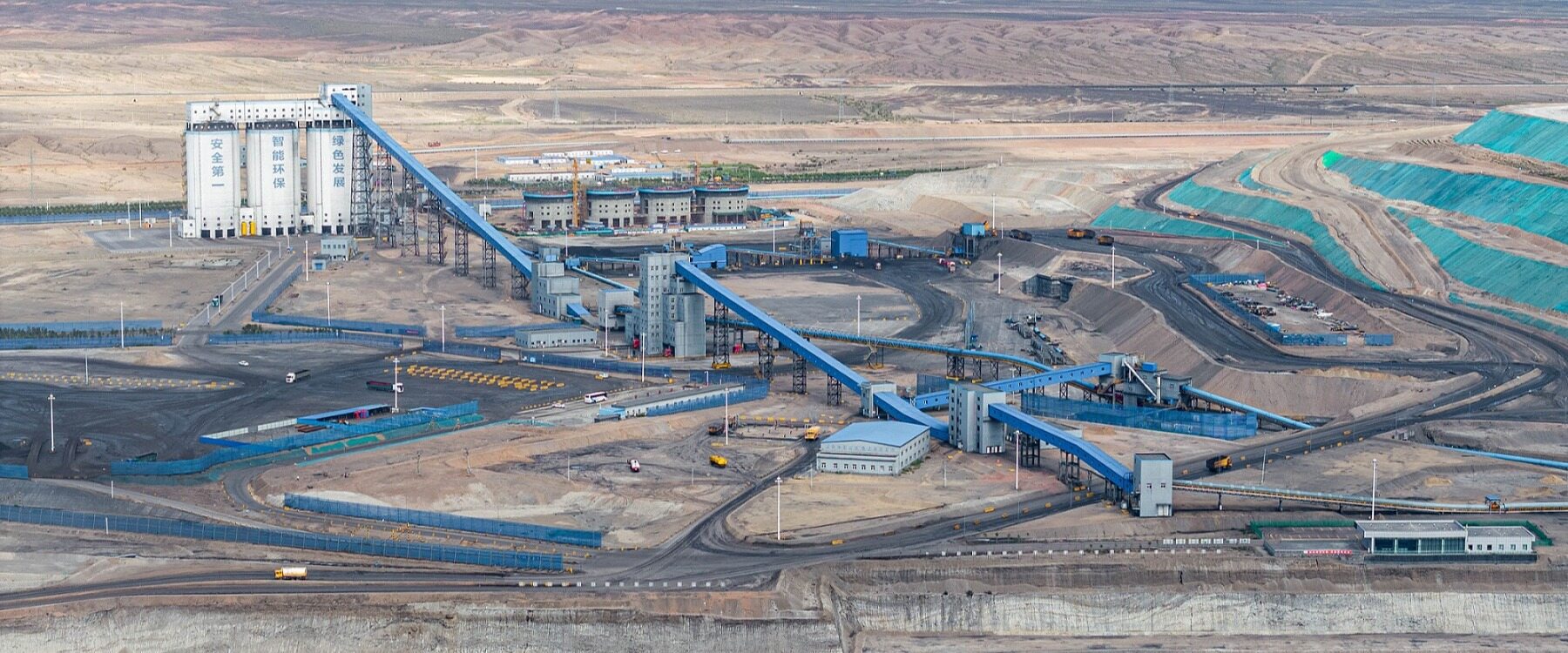
- By jointly building infrastructure, we can break through the bottlenecks in the industrial chain
- Promote the leap of resource advantages towards high value-added links
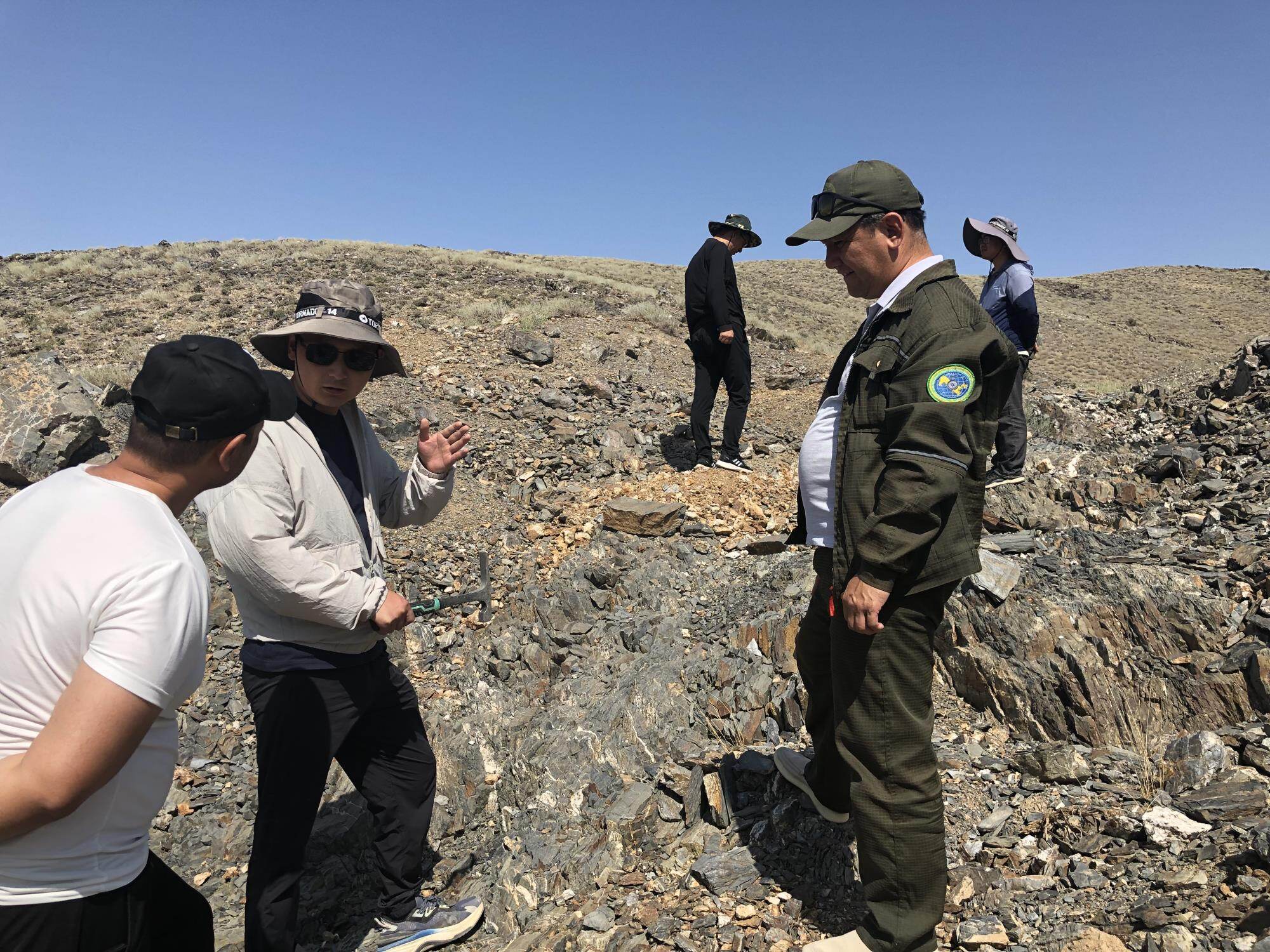
At the Astana venue, Nurlan Lespanov, the President of the National Academy of Mining Sciences of Kazakhstan, unfolded a geological map and accurately placed his finger on the southeastern border. There, a hidden mineral vein quietly crosses the border. He outlined an unprecedented vision for cooperation to the Chinese representatives present: instead of abruptly stopping this mineral vein at the administrative boundary, it is better to work together to activate it as a whole. This idea has opened up a new imaginative space for China Kazakhstan non-ferrous metal cooperation.
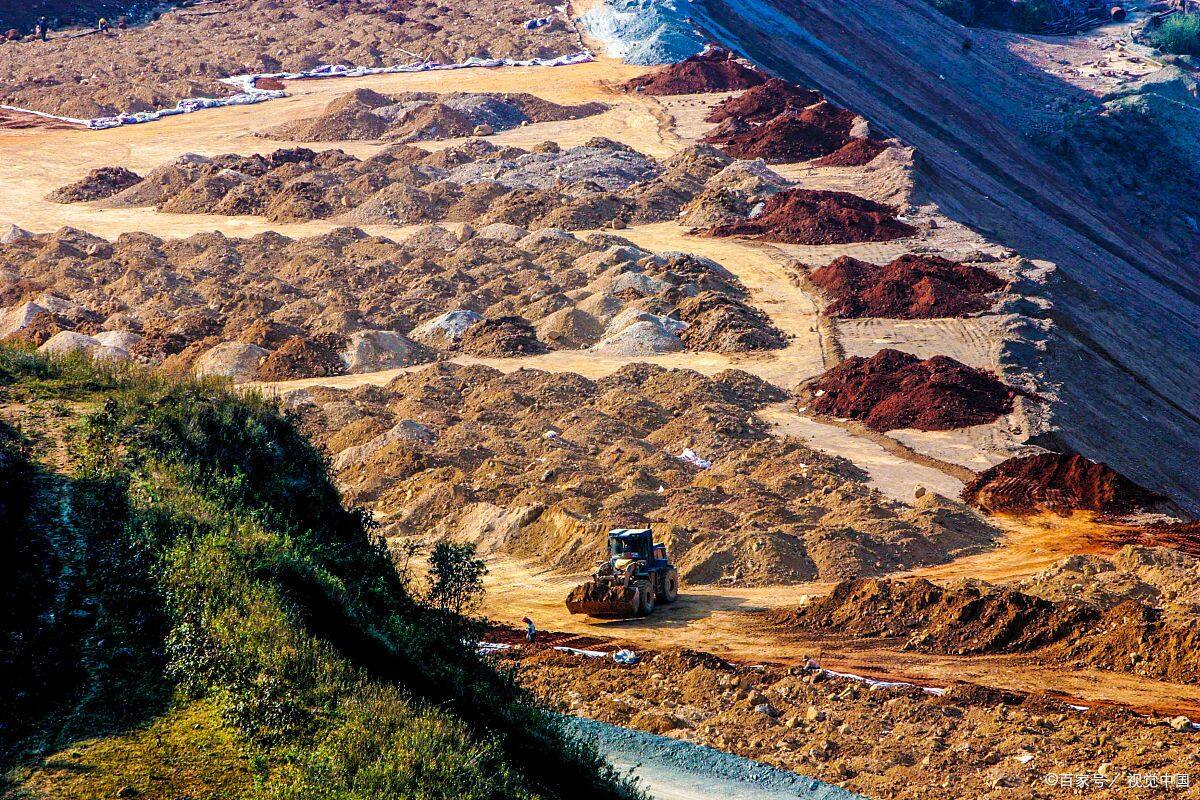
Cross border development breaks through the impasse
For a long time, some mineral deposits along the China Kazakhstan border have been separated and managed due to administrative divisions. The reality is that the Chinese side of the mineral veins has entered a stage of vigorous development, while the Kazakhstan side is still in a state of reserve. Reispanov proposed that industry associations and mining alliances from both countries jointly sign a memorandum to develop special development plans for these cross-border resources. By establishing a joint venture, both parties will break down barriers, unify the planning of mining paths, avoid redundant construction, and quickly transform dormant resources into economic momentum.
Infrastructure cost reduction and efficiency improvement
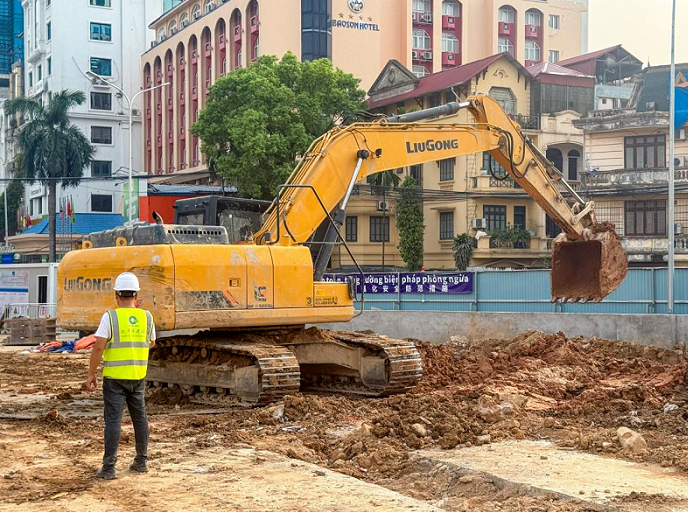
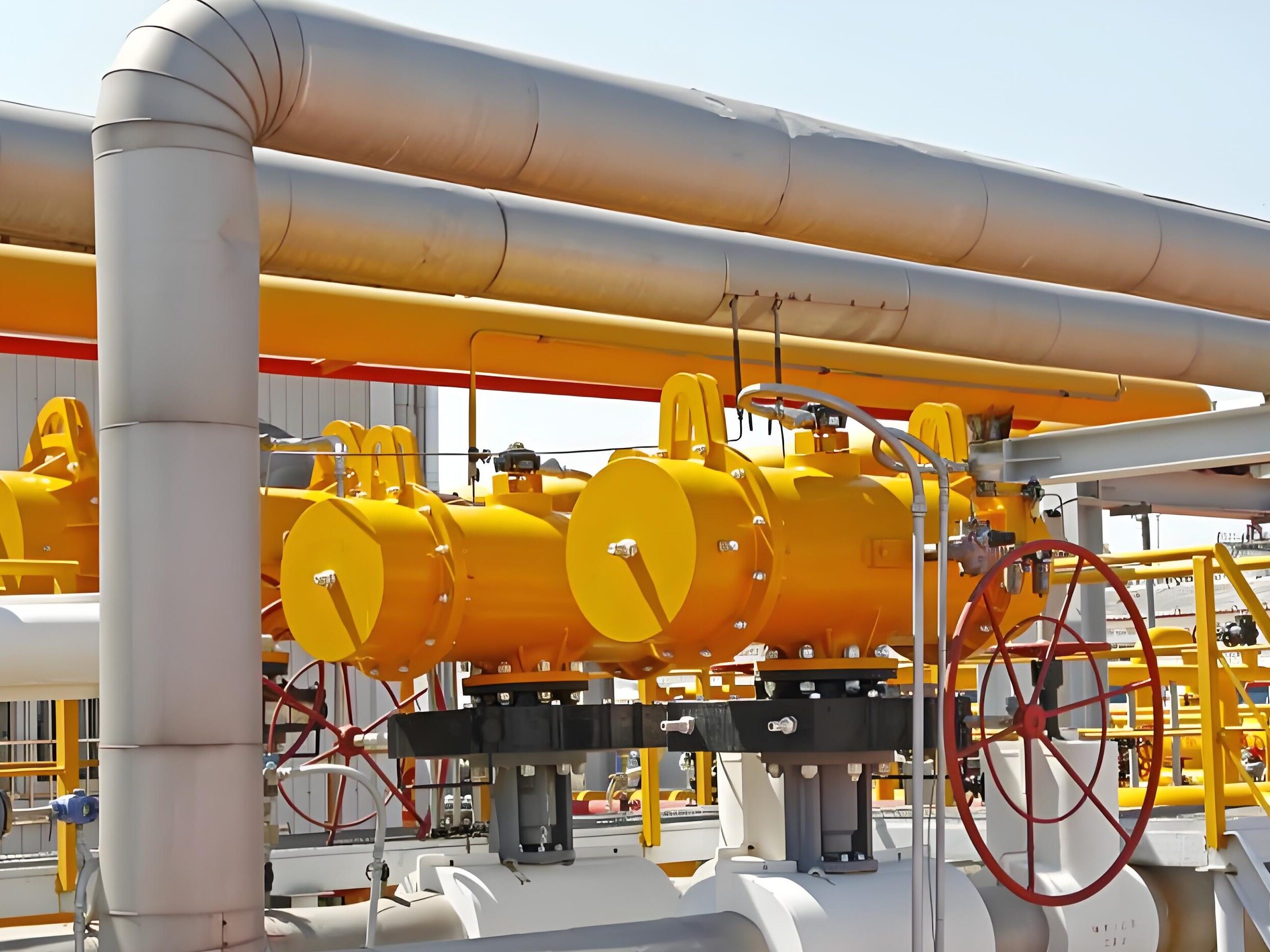
Reducing logistics costs has become a key focus of this cooperation. Reispanov emphasized that sharing cross-border infrastructure is the core of enhancing competitiveness. Whether it is dedicated roads connecting mining areas or cross-border transportation networks, the co construction and sharing model will significantly reduce the transportation costs of individual projects. This not only solves the pain points of long transportation distances and high costs in the southeastern mining areas of Kazakhstan, but also lays a physical foundation for the deep coupling of the industrial chains between the two countries, achieving a qualitative leap in the efficiency of resource development.keywords:Infrastructure News
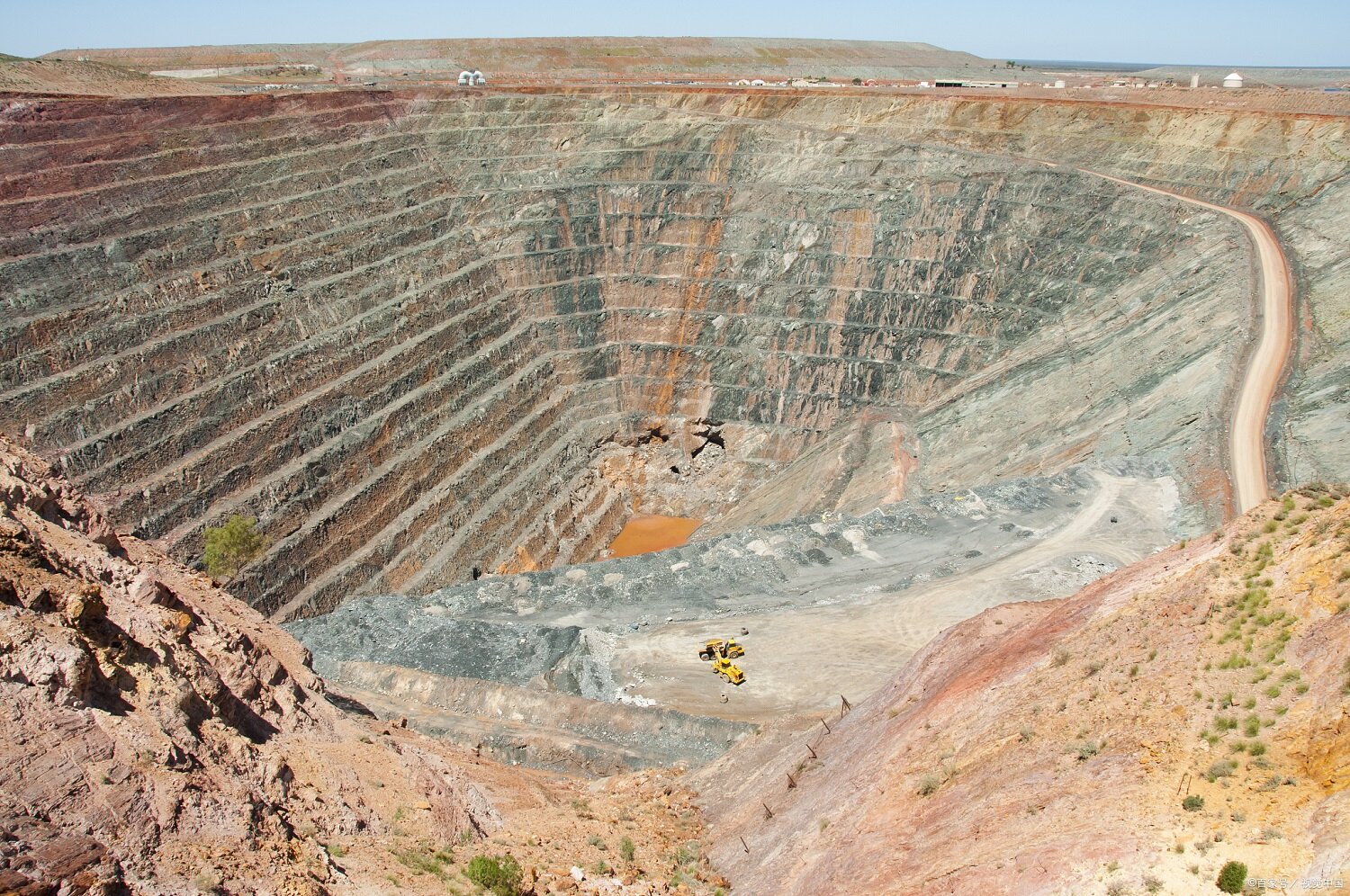
Full chain collaborative upgrade
Kazakhstan's global advantages in areas such as chromium, tungsten, copper, lead, and zinc coincide with the historical opportunity of the global new energy revolution and green transformation. Faced with the continuously rising demand for key minerals such as copper and tungsten, simply exporting raw materials is no longer sufficient to meet the strategic demands of resource rich countries. In addition to traditional exploration and mining, both sides are looking further downstream - mineral deep processing, green technology application, and supporting services. In addition, Lespanov also called for deepening the linkage between industry, academia and research, proposing to rely on the World Academy of Mining Sciences platform to promote the establishment of the Chinese National Academy of Mining Sciences, providing long-term intellectual support for the two countries to extend from resource development to processing, manufacturing and technical services.Editor/Yang Meiling
Comment




 Praise
 Collect
 Comment

 Share
Share


Write something~