 Search


- The Kazakhstan Russia Digital Corridor breaks down data barriers and shifts customs clearance processes towards system interoperability
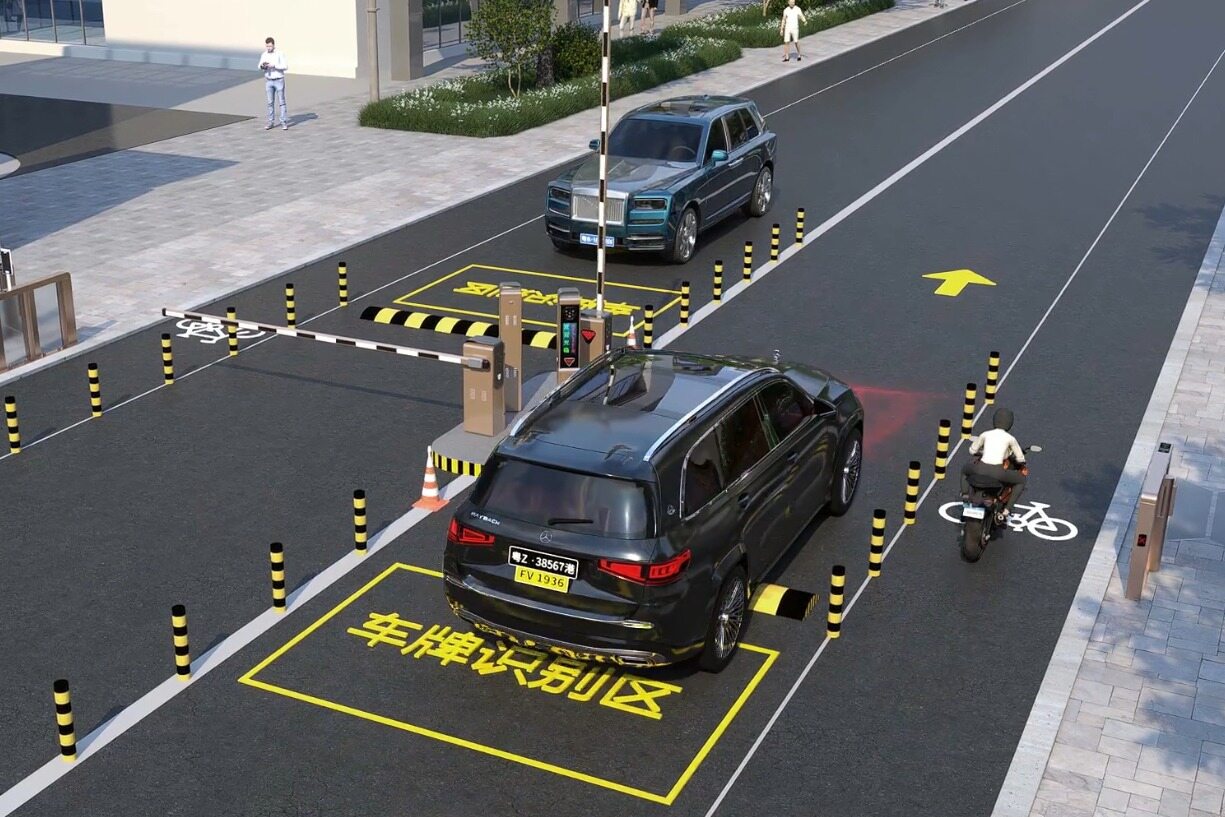
Recently, Kazakh driver Nurlan drove a truck loaded with goods and waited in line at the Aktobe Orenburg highway port to exit the country. Unlike usual, he did not have the thick stack of paper waybills and customs declaration documents in his hand - all data had been transmitted to the Russian border station in advance through an electronic system. This is an ordinary scene on the first day of the pilot launch of the Kazakhstan Russia digital transportation corridor, which also marks the official entry of the two countries into the era of electronic documents for cross-border customs clearance.
Why try the most congested road first
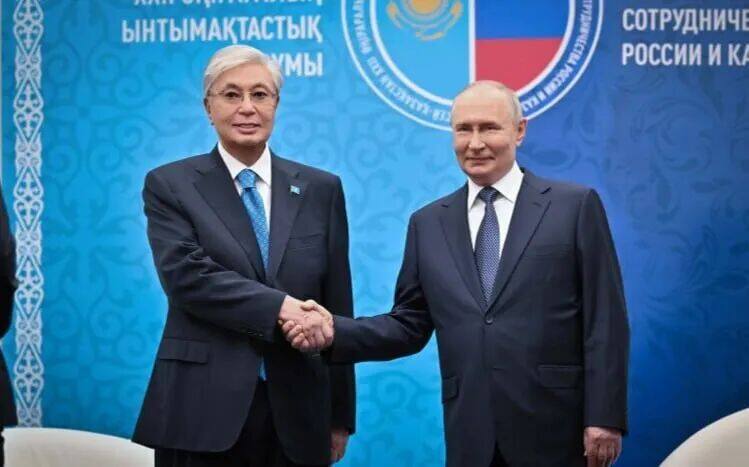
Both Kazakhstan and Russia will pilot the project in the busiest directions of highways such as Aktobe Orenburg and Kostana Chelyabinsk. These road sections have been congested for a long time, and the bottleneck is not on the road surface, but in the process - the carrier records the data once in the Harbin system, and records it again in the Russian system. If the fields are not aligned, they will be returned and restarted. Choosing the most congested direction for pilot testing is equivalent to acknowledging that the problem lies in data flow rather than infrastructure. The 22nd Kazakhstan Russia Regional Cooperation Forum closed in Omsk at the same time, and the corridor pilot is the specific implementation action finalized at the forum.
What steps have been taken in electronic documents
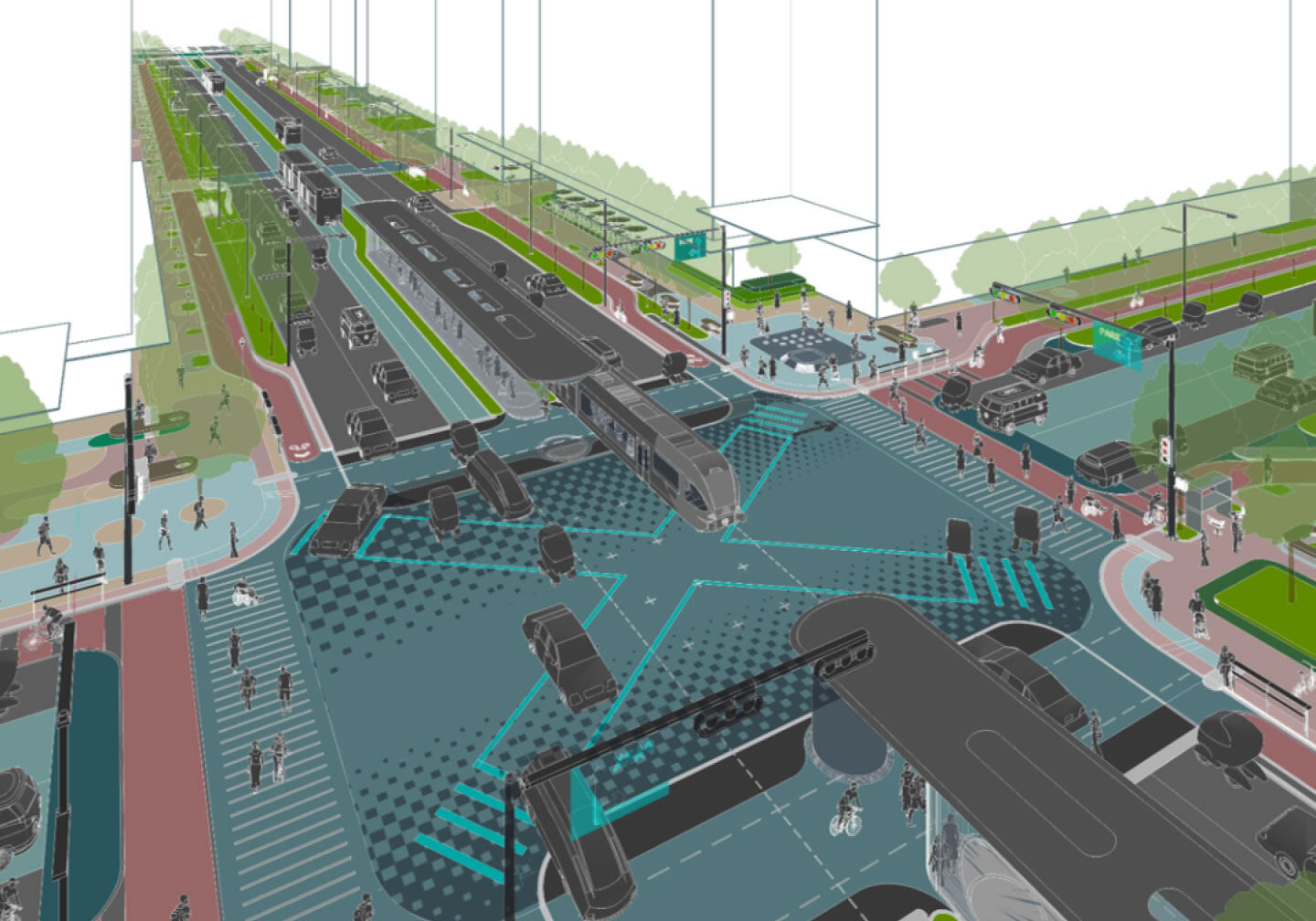
The CMR waybill for road freight transportation will be converted into electronic documents, while the corresponding railway waybill will be synchronized and digitized. The transit declaration is submitted through the Hafang Астана -1 system, and the electronic navigation seal promoted by the Eurasian Economic Union provides real-time feedback on the vehicle's location and unboxing records. The so-called digital corridor essentially connects these data lines between the two countries, making the second input an automatic retrieval of the system from the system. The carrier only needs to submit once, and bilateral customs and border inspections can share information, with manual duplication becoming history. Keywords: the Belt and Road news network, international cooperation, digital transportation corridor
The highest cost of dual track operation during the pilot period
After the electronic system was launched, paper documents were not immediately cancelled. Drivers still need to carry paper backups with the vehicle to deal with on-site system failures or border inspection requirements for presenting original documents - equivalent to doing two rounds of the same process. The real beneficiaries are enterprises with AEO qualifications and companies with complete customs declaration data records. They originally worked according to the system standards, and switching was almost painless. The previous model of doing business based on flexible documents will be the first to fail on this line - after cross-border data exchange, fields such as classification, value, and weight will be automatically compared on both sides, and the operational space of the manual era will be compressed to the point of exhaustion.Editor/Gao Xue
Comment



 Praise
 Collect
 Comment

 Share
Share


Write something~