 Search


- The key section is almost completed, and the construction of the central line of the Pan Asian Railway has taken a solid step forward
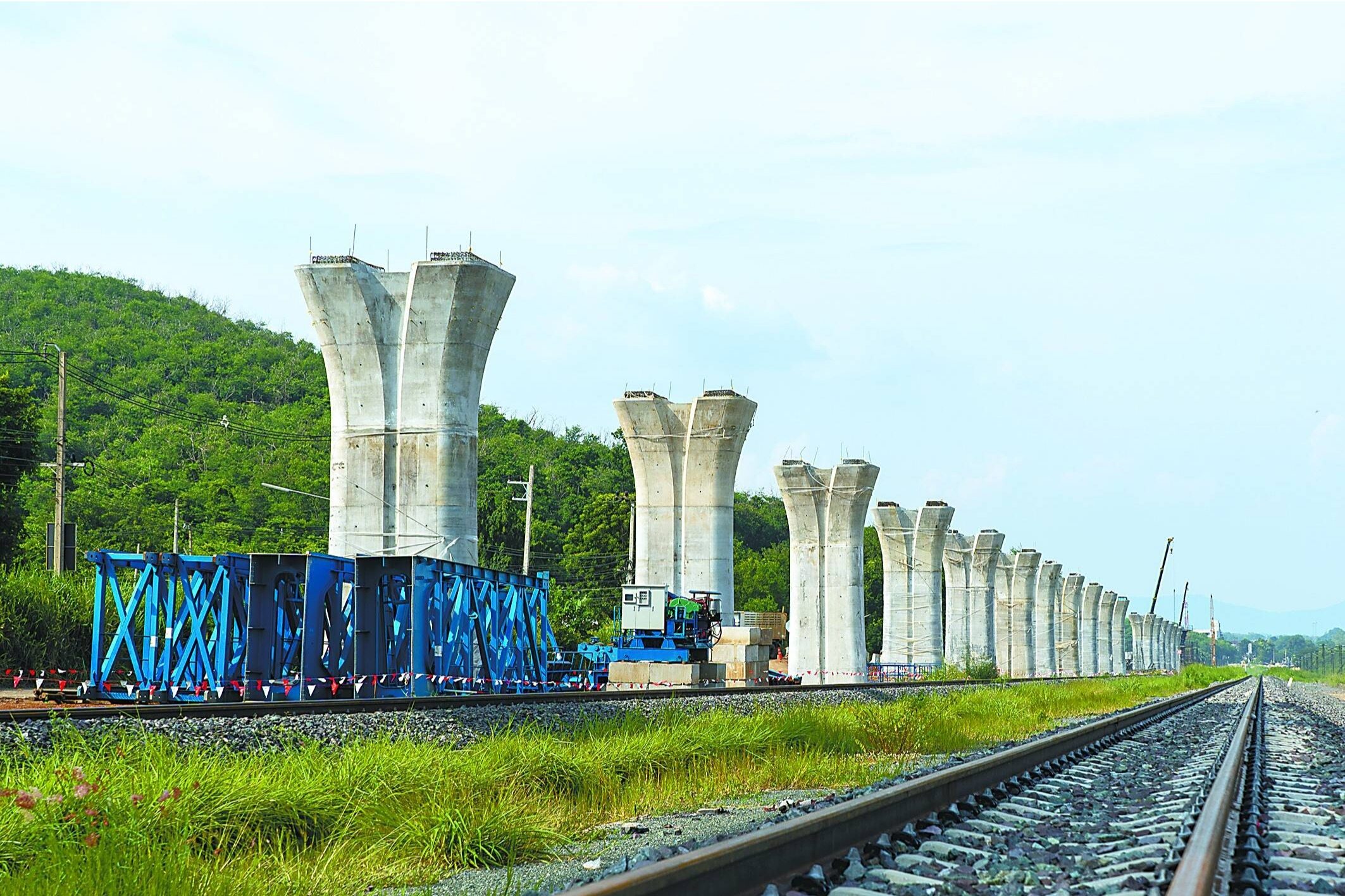
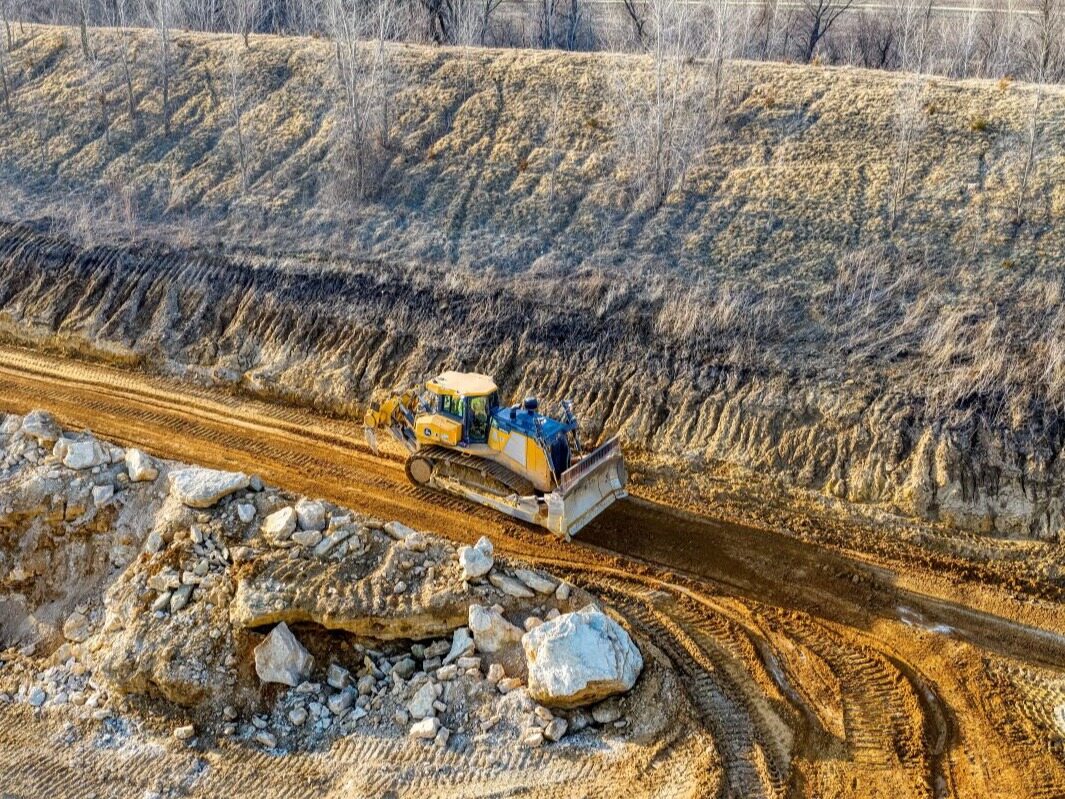
The morning sun shines on the undulating hills of central Thailand, with huge bridge piers sprouting up like mushrooms along the established route towards the distance. On this land that used to only have rice paddies and palm trees, the roaring sound of machinery is playing a new chapter of development. For Songchai, a freight driver who frequently travels between Bangkok and Nakhon Ratchasima, the scene before him signifies the future - a no longer congested and fast-moving passage is taking shape.
As Thailand's first standard gauge high-speed railway, the China Thailand high-speed railway is not only a milestone in infrastructure cooperation between the two countries, but also a core part of the Central Line of the Pan Asian Railway. This railway carries Thailand's ambition to integrate into the regional connectivity network, and is now accelerating from blueprint to reality.
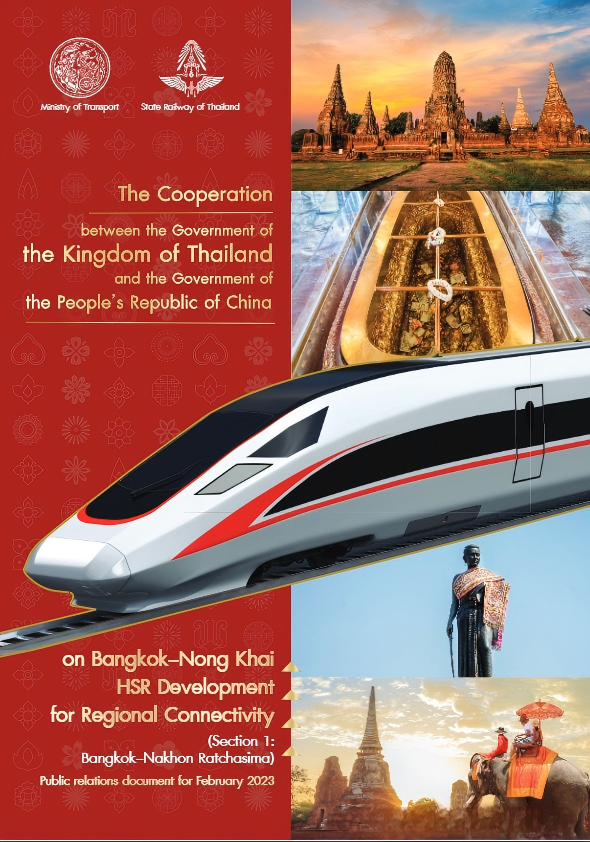
More than half of the project progress
At present, the overall construction progress of the 251 kilometer China Thailand high-speed railway phase I project has reached 54.6%. There are many blooming spots on the construction site, among which the most eye-catching is the 3-4 contract section. This section covers the Lam Takhong to Sikhio and Kut Chik to Khok Kruat areas, with a total length of 37.45 kilometers. At present, this section of the roadbed has almost been fully constructed, with a completion rate of 99.97%. Only the final finishing work is needed, and it is about to be completed first. There are a total of 6 stations along the entire line, starting from Krung Thep Aphiwat Central Station in Bangkok, stopping at Don Mueang, Ayutthaya, Sarawak, and Nakhon Ratchasima, and finally arriving in Nakhon Ratchasima Province, connecting the important economic corridor of central and northern Thailand.
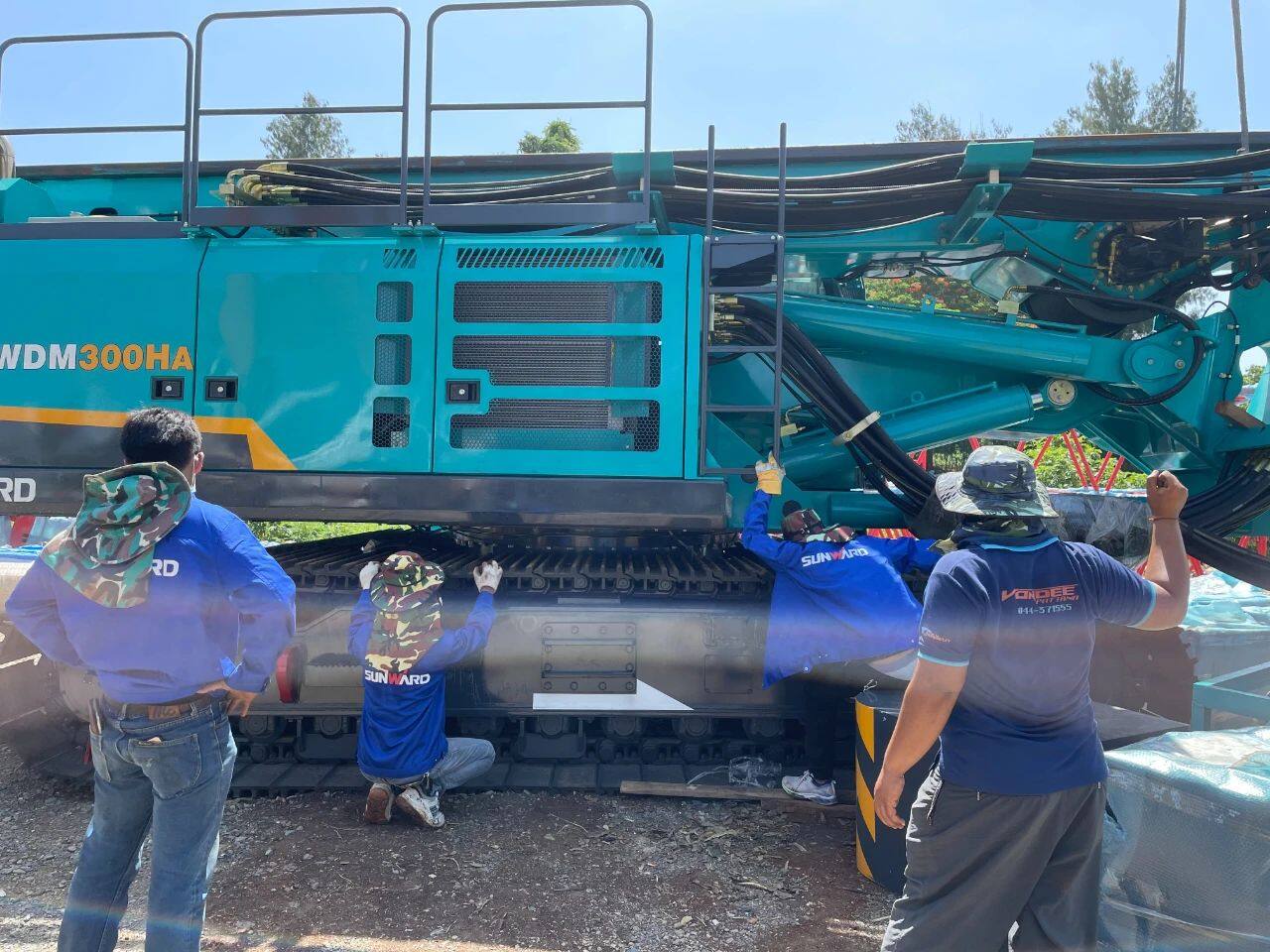
The Fuxing account will be launched online
The driving force behind the speed of this major artery is Chinese technology. The project will adopt the Chinese standardized high-speed train, the CR300AF model of the Fuxing train. The Thai Ministry of Transport has confirmed the purchase of 6 high-speed trains of this type, each consisting of 8 carriages, with a designed maximum operating speed of 250 kilometers per hour. These trains not only have a modern appearance, but also have relatively complete internal facilities. Each train can carry up to 594 passengers, including 96 first-class seats and 498 second-class seats, aiming to provide passengers with a comfortable and convenient travel experience. It is reported that the purchase price of a single high-speed train is about 1.166 billion Thai baht.
Connect the future of the region
The first phase of the project, with a total investment of approximately 179.412 billion Thai baht, will be fully funded and constructed by the Thai government. According to the plan, this high-speed railway will complete civil construction and enter the joint debugging and testing stage by 2030, and is expected to officially enter commercial operation in 2031. At that time, the travel time from Bangkok to Nakhon Ratchasima will be significantly reduced, which not only upgrades the transportation between the two places, but also accelerates regional economic and trade exchanges. As an important component of the Central Line of the Pan Asian Railway, the China Thailand High Speed Railway will continue to extend northward in the future, connecting with the China Laos Railway to form a fast track that runs through the Indochina Peninsula, further unleashing the cross-border logistics and tourism potential between Southeast Asia and China.Editor/Yang Meiling
Comment


 Praise
 Collect
 Comment

 Share
Share


Write something~