 Search


- Along the direction of the ancient Silk Road, a series of trains are sailing from Tashkent towards the Caspian Sea
- Connectivity along the the Belt and Road is becoming concrete and clear
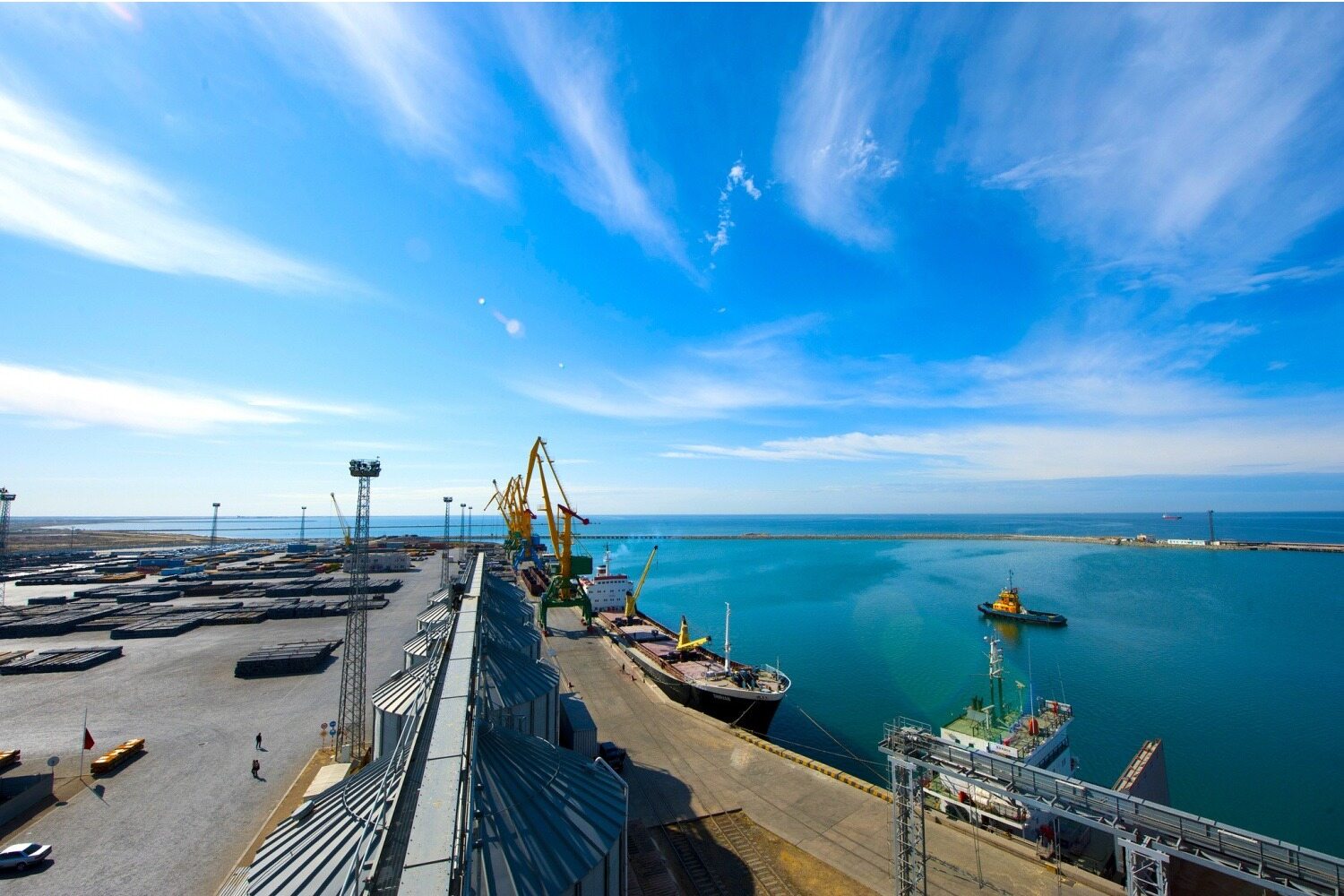
In July 2026, a container train loaded with Uzbekistan goods entered Aktau Port on the east coast of the Caspian Sea, and then crossed the Caspian Sea by ferry towards Baku, Azerbaijan. The destination of this journey is Europe. In the past two years, such scenes have been playing out with increasing frequency in Central Asia.
The transit volume of goods through Kazakhstan ports in Uzbekistan increased by 60% year-on-year. Behind this data is the reshuffling of global trade channels in the context of geopolitical changes, and it is also a microcosm of the deep binding of the two major economies in Central Asia in the logistics field.
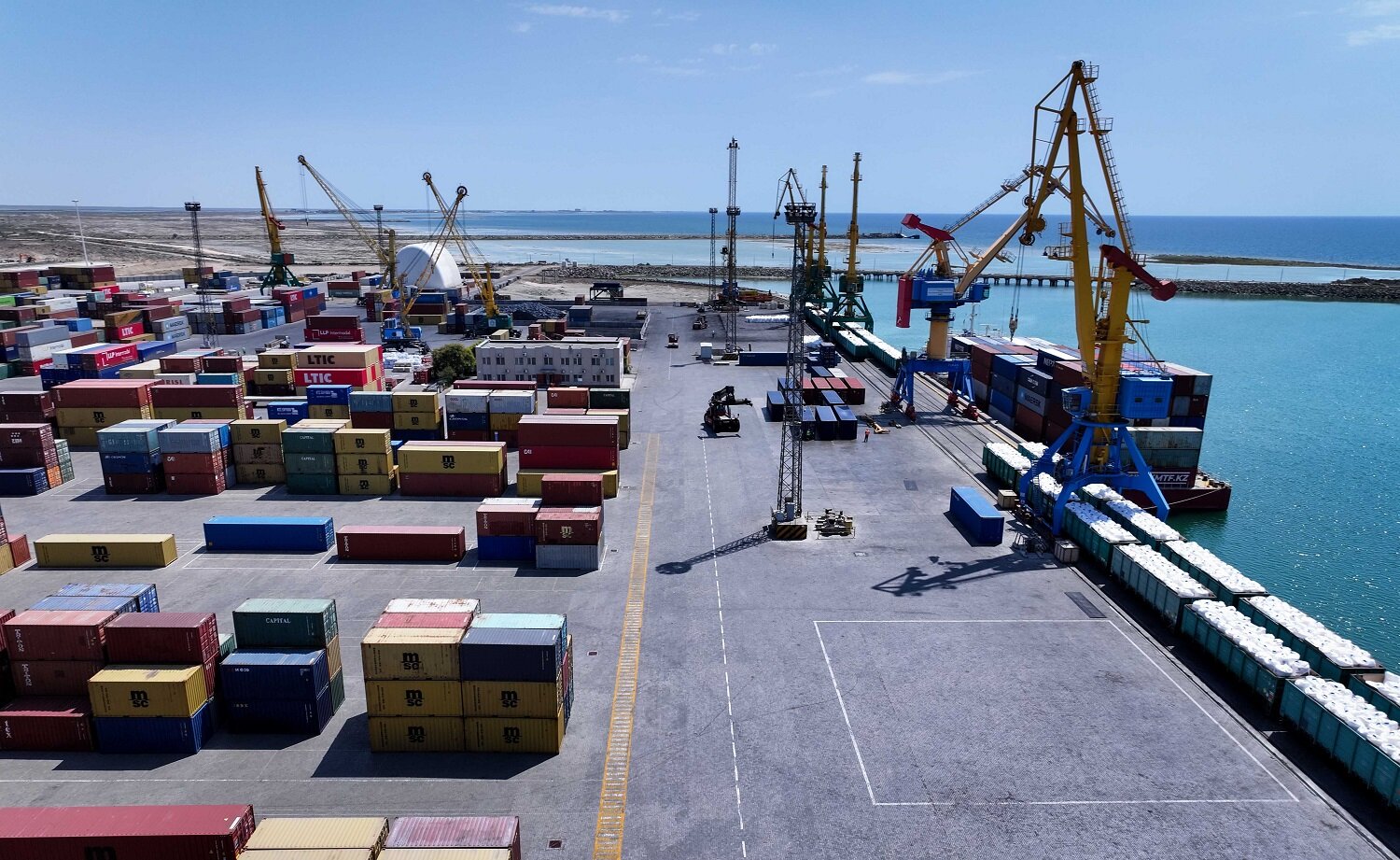
The leap from 12 million tons to 22 million tons
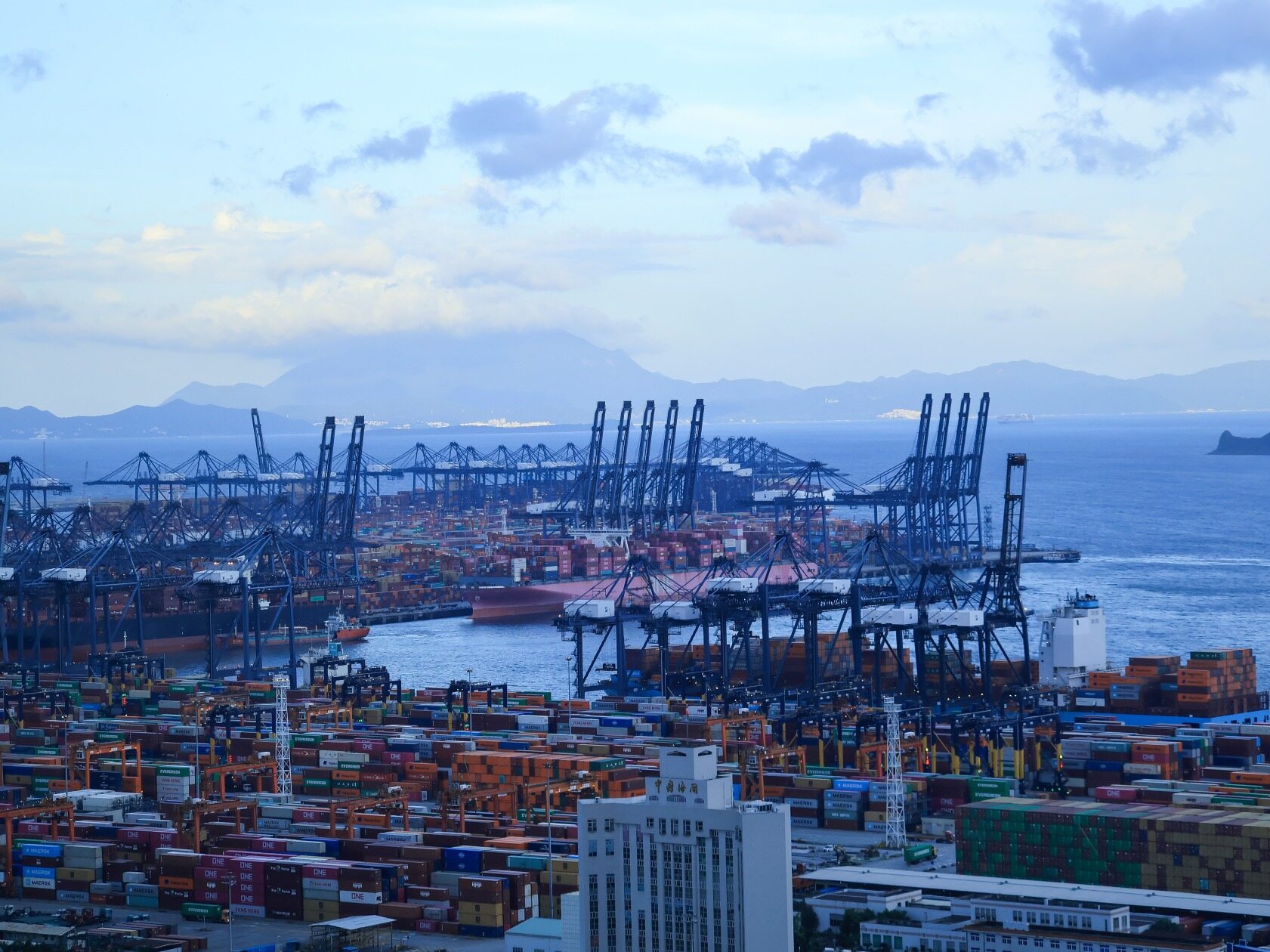
Aktau Port is the largest port in Kazakhstan, with an annual processing capacity of 22 million tons, along with the adjacent Kurik Terminal. To further enhance throughput capacity, the Aktau Port dredging project is underway and is planned to be completed by the end of 2026. At that time, the water depth will increase to 6 to 7 meters, which can ensure the full load entry and exit of large ships.
Aktau Port Container Hub Phase I Project has been officially put into operation on July 14, 2026, with an annual design throughput of 240000 TEUs. It is operated by a Sino Kazakhstan joint venture and forms a three hub integration pattern with Lianyungang Logistics Base and Khorgos Dongmen Dry Port. This channel is called the middle corridor - starting from China, passing through Kazakhstan, the Caspian Sea, Azerbaijan, Georgia, Türkiye, and finally arriving in Europe. It is becoming one of the most dynamic transportation channels in Eurasia.
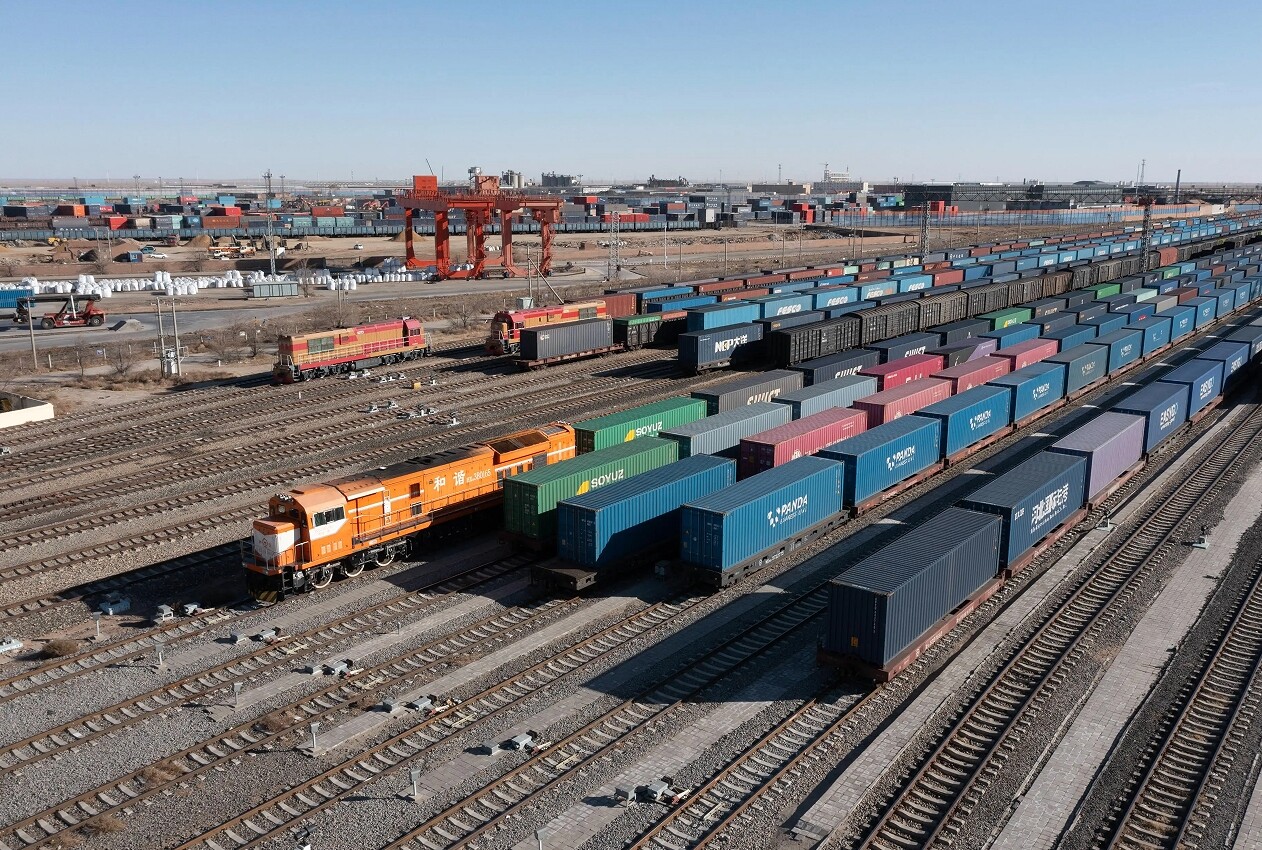
In the past seven years, the freight volume of the middle corridor has increased more than fivefold, reaching 4.5 million tons, and is expected to increase to 5.2 million tons by 2026. The container transportation scale is expected to increase from 77000 TEUs in 2025 to 300000 TEUs in 2029.
Zhonghawu is breaking through three locks
Behind the surge in transit freight in Uzbekistan is a dual breakthrough in infrastructure and institutional levels. In 2025, the freight volume of the Harbin Urumqi railway will increase by 16% year-on-year, reaching 32.3 million tons; Both parties have formulated a plan to increase the annual traffic capacity from 35 million tons to 60 million tons.
In June 2026, the two highway border crossings in Harbin and Urumqi will be upgraded to international ports, implementing 24-hour customs clearance. The 60000 square meter modern logistics and warehousing center in Tashkent Oblast is under construction, and the first phase of the project has been launched in March 2026. Keywords: Transit freight, container trains
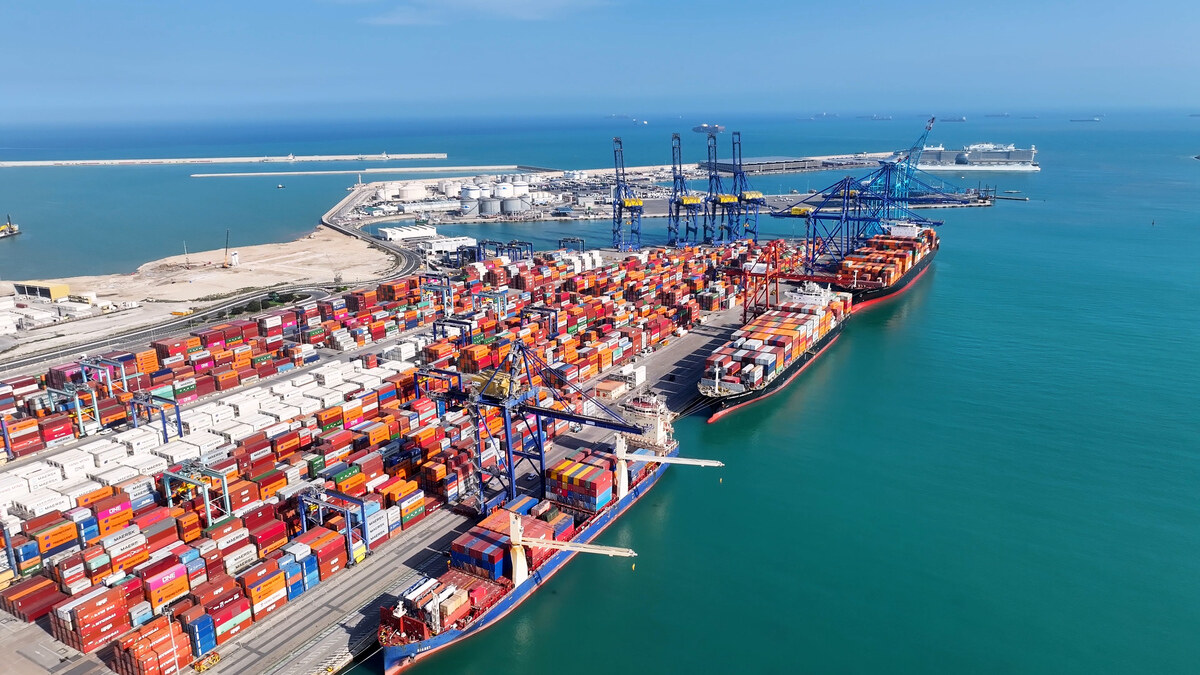
Uzbekistan has obtained preferential tariffs for exports through Kazakhstan ports. The railway companies of the two countries have been instructed to develop plans for further growth in freight transportation. As the trains from Tashkent to Aktau shift from occasional departures to daily departures, a tighter regional logistics network is taking shape.Editor/Cheng Liting
Comment




 Praise
 Collect
 Comment

 Share
Share


Write something~