 Search


- The wind and light of the Gobi Desert are lighting up cities even further away
- Three ultra-high voltage channels undertake nearly 90% of the external transmission tasks
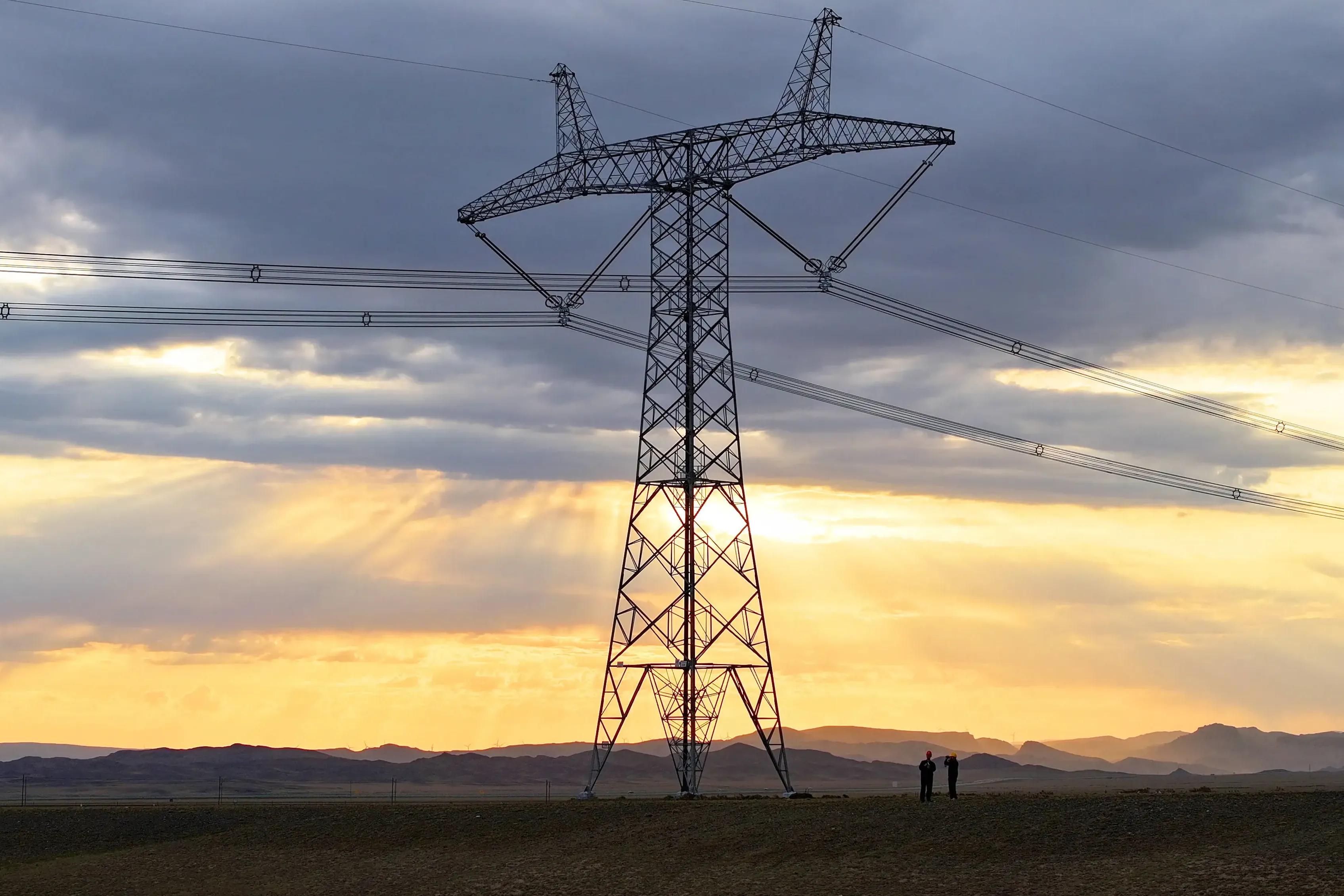
In July 2026, the new energy output of Xinjiang power grid surged to 50.4 million kilowatts, with wind and photovoltaic power contributing 69.78% of the total power generation of the day. Half a month later, this green electricity from the Gobi crossed thousands of kilometers and flowed into the power grids of 23 provinces, regions, and cities across the country. In the first half of 2026, Xinjiang's cumulative external power transmission reached 79.024 billion kilowatt hours, a year-on-year increase of 25.11%, setting a new historical high for the same period.

Three ultra-high voltage lines support the green power layout
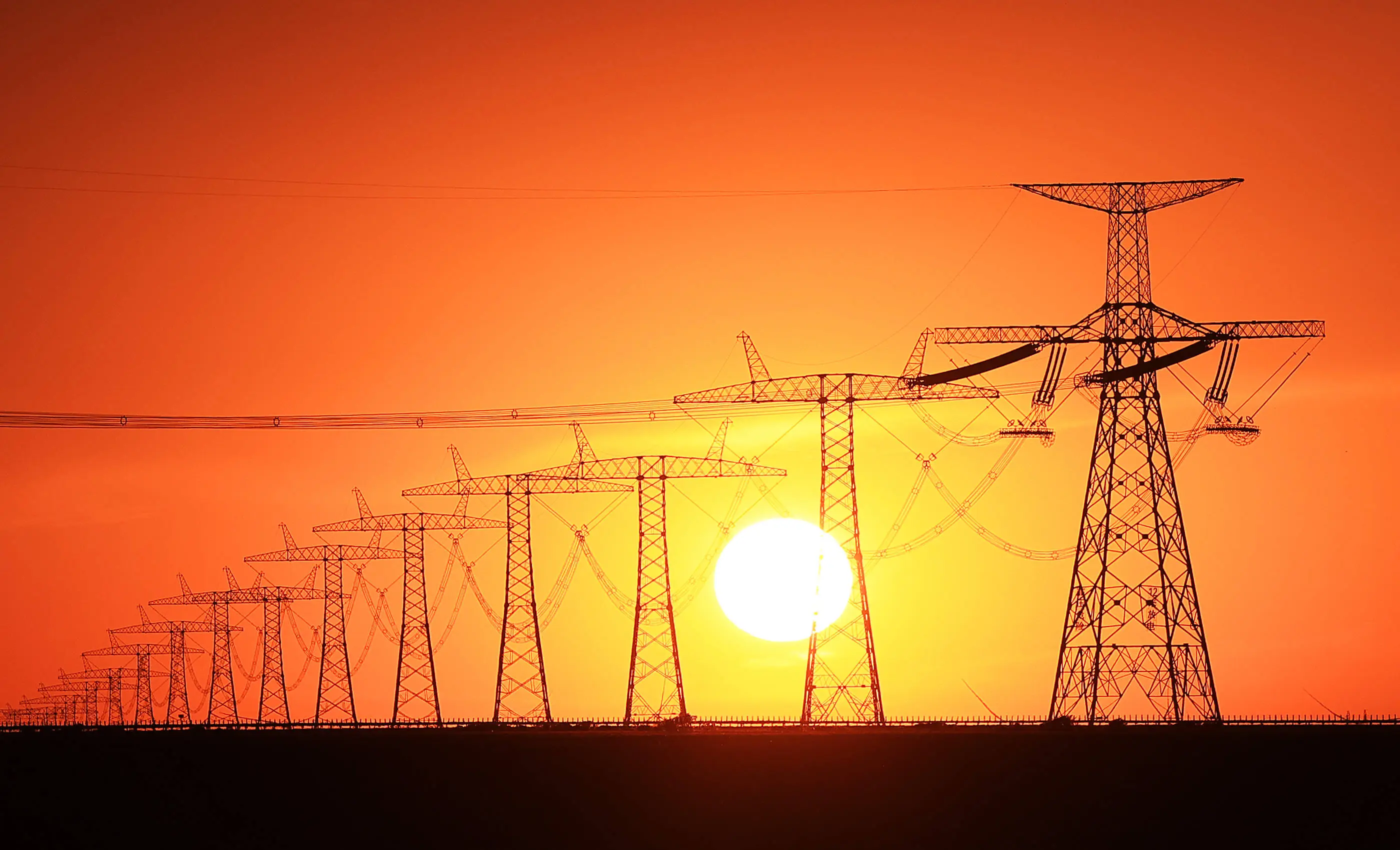
Xinjiang has currently built an eight ring network for internal supply and a five channel main grid for external transmission, with a total cross regional transmission capacity of 33 million kilowatts. In the first half of the year, the three ultra-high voltage direct current channels from Changji to Guquan, Hami South to Zhengzhou, and Hami to Chongqing delivered a total of 70.585 billion kilowatt hours of electricity, accounting for 89.32% of the total external power transmission in Xinjiang. Among them, the Changji Guquan ± 1100 kV project has been in operation since 2019, and its external transmission scale has ranked first among the national ultra-high voltage direct current channels for five consecutive years.
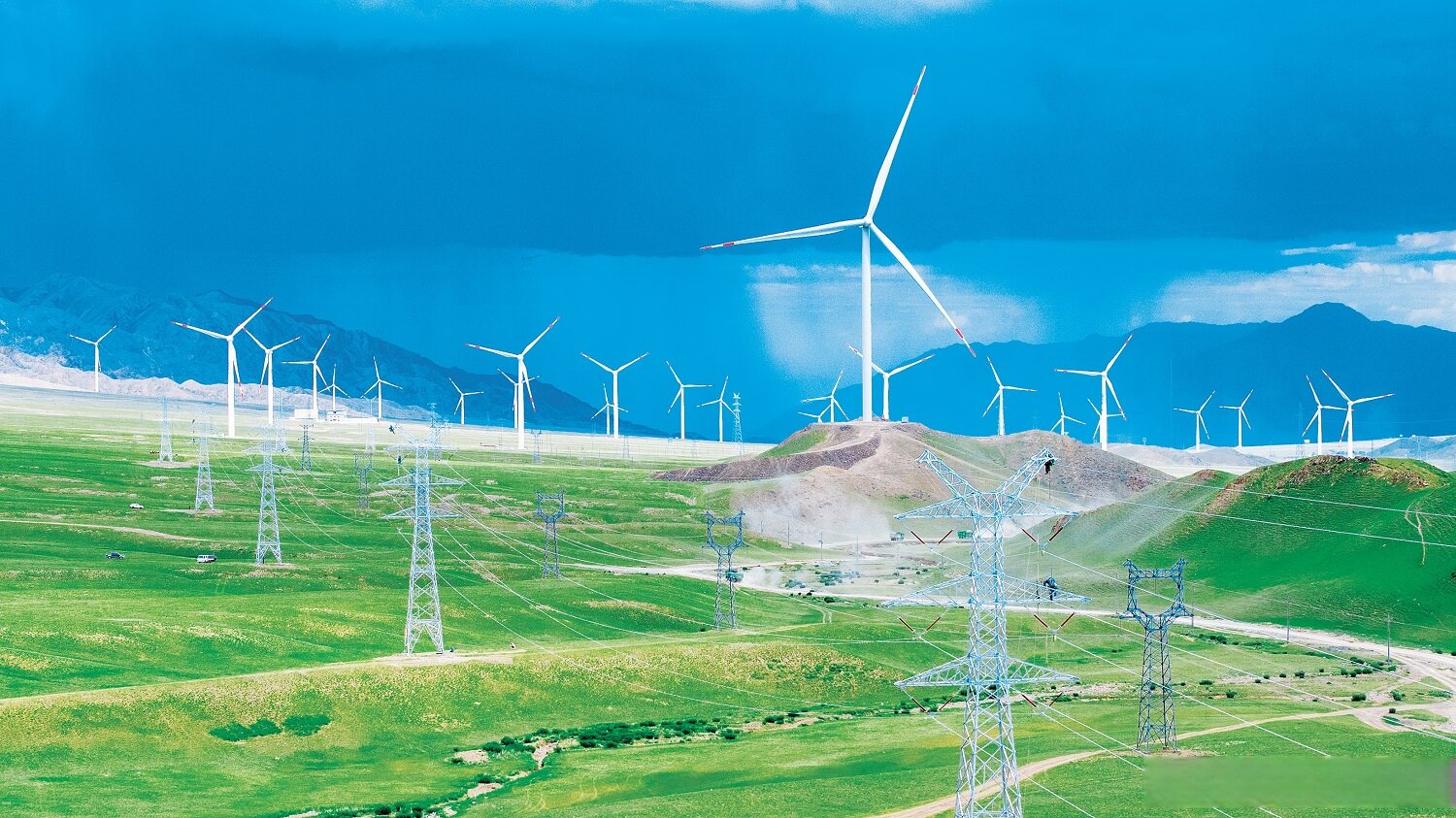
The confidence of green power transmission comes from the continuous expansion of installed capacity. As of the end of June 2026, the total installed capacity of Xinjiang power grid has exceeded 267 million kilowatts, with 173 million kilowatts of new energy installed, accounting for 65%. In the first half of the year, 11.8 million kilowatts of new energy were installed, including 7.8 million kilowatts of wind power and 4 million kilowatts of photovoltaic power. The wind power cluster in northern Xinjiang and the photovoltaic matrix in southern Xinjiang are building a multi energy complementary green power supply pattern in the north and south of the Tianshan Mountains.
An expanding power transmission map
The territory of Xinjiang Electric Power's external transmission is still expanding. In the first half of the year, the power transmission coverage covered 23 provinces, autonomous regions, and municipalities across the country, and for the first time, it achieved power transmission to the eastern Inner Mongolia power grid. 27.84 billion kilowatt hours of new energy electricity is equivalent to saving 5.87 million tons of standard coal, reducing 15.84 million tons of carbon dioxide emissions, and planting over 700 million trees. Keywords: Xinjiang power transmission, Xinjiang power grid new energy
When the wind and light of the Gobi transform into the lights of the eastern and central cities, Xinjiang is redefining the value of its energy base with an annual export scale of over 150 billion kilowatt hours.Editor/Cheng Liting
Comment






 Praise
 Collect
 Comment

 Share
Share


Write something~