 Search


- This Chinese standard railway is continuously accelerating the logistics economy in Kenya and East Africa
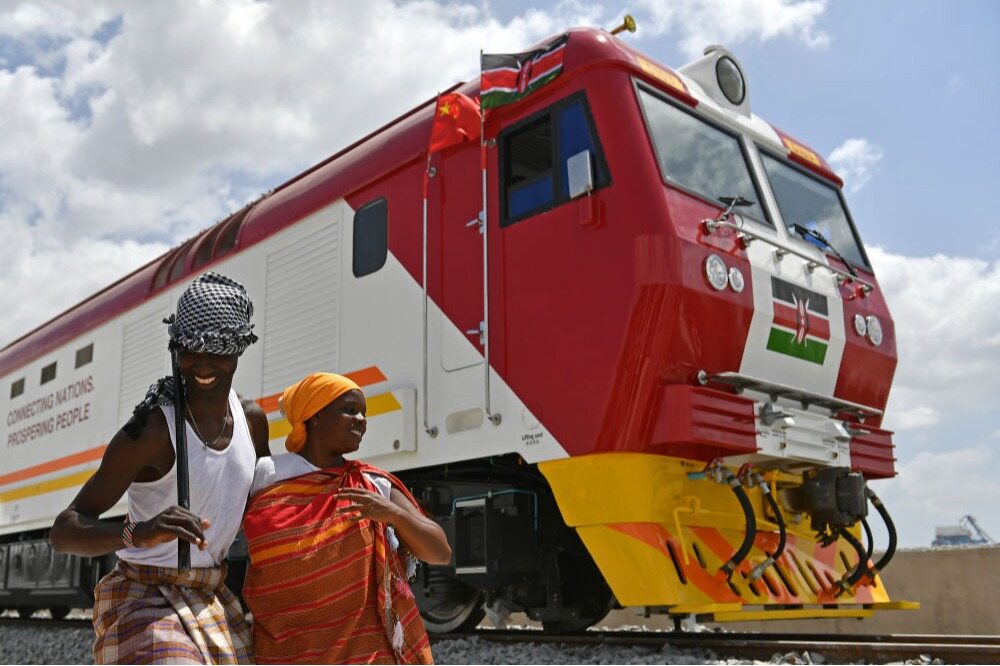
In the early morning of Mombasa Port, the crane steadily dropped the last box of wheat into the open car, and the green locomotive started sounding its horn and headed towards Nairobi. Outside the car window are tropical grasslands and villages, while inside the carriage is the anticipation of crossing 472 kilometers from the port to the hinterland. Before the opening of this railway in May 2017, the same freight had to travel on bumpy roads for two to three days; Now arriving in 8 hours, the once unimaginable efficiency has become the daily rhythm of Kenyan people.
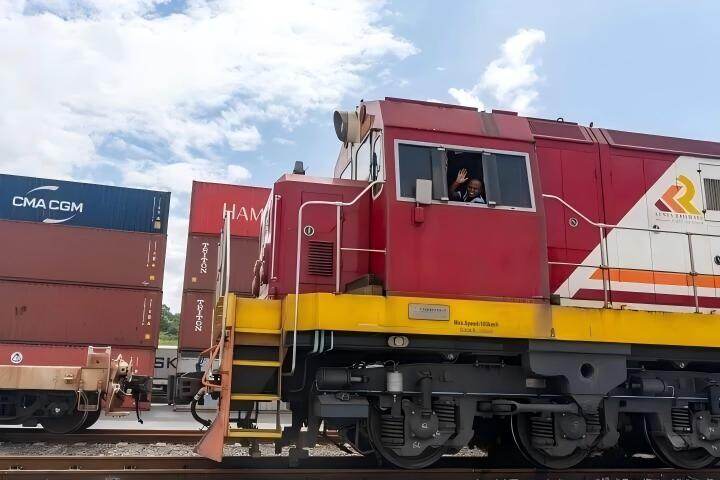
Freight exceeds 50 million
According to the statistics of Africa Star Railway Operation Company, as of July 26, 2026, the cumulative freight volume of the Mombasa Nairobi railway has exceeded 50 million tons. Since the opening of freight services in 2018, the transportation volume has continued to climb. In the first half of 2026, standard gauge railways operated 3931 freight trains and shipped 4.278 million tons, with a year-on-year increase of 12.3% in daily shipments. The average monthly container shipments from May to June increased by about 44% compared to the beginning of the year.
The goods have also expanded from containers in the early stages of opening to grains, fertilizers, steel, cement clinker, agricultural products, and cold chain goods. The grain transported by hundreds of trucks in the past is now pulled away by two or three trains; The delivery time from Kampala, Uganda to Mombasa has been reduced from 21 days to a few days, resulting in a significant decrease in fresh food damage.
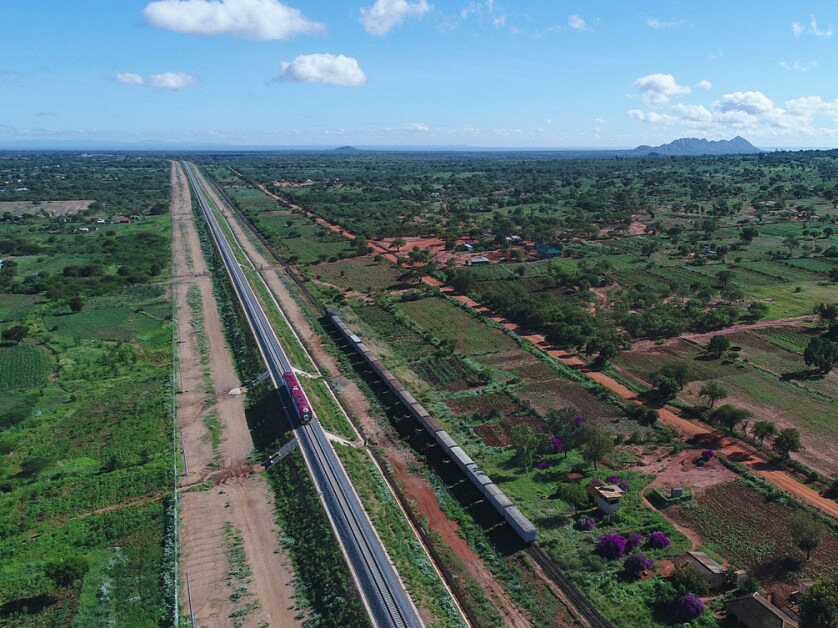
Speed up of both passenger and freight lines
The Mombasa Nairobi Railway starts from Mombasa in the east and ends in Nairobi in the west, with a total length of 472 kilometers. It is the first railway in Kenya since independence and adopts Chinese standards, technology, equipment, and operational management models. Since the opening of passenger transportation in May 2017, it has operated safely for 3344 days until July 26, 2026, with a total of more than 18.6 million passengers transported. The travel time between the two cities has been reduced from just over ten hours to about five hours.
Behind the stable growth of passenger transportation is the linkage of logistics, industry, and commerce along the route. The railway undertakes over 30% of the distribution tasks at Mombasa Port, contributing over 2% to Kenya's GDP, driving a 15% increase in industrial output along the line, creating 74000 jobs, and cultivating more than 2800 local railway talents, with a localization rate of over 90% for employees.
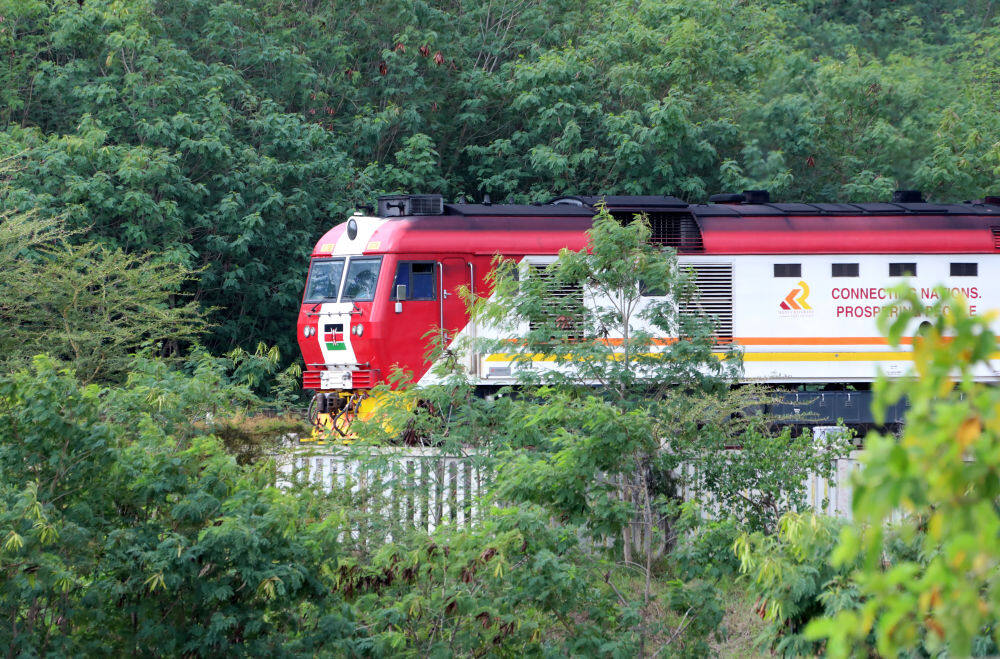
Extension of the East African Corridor
Not only Kenya benefits. As a key section of the northern corridor of the East African railway network, the Mombasa Nairobi Railway is connecting Mombasa Port more closely with landlocked countries such as Uganda and Rwanda, and the regional cold chain and container channels are continuously connected. The first phase of the Naima Railway has been connected to Susuwa, and the extension line is being promoted. The land sea linkage network is still growing.
Africa Star stated that it will continue to improve its transportation capacity and service level, making this railway more efficient, safe, and convenient to support the economic pulse of Kenya and East Africa.Editor/Yang Meiling
Comment






 Praise
 Collect
 Comment

 Share
Share


Write something~