 Search


- Jointly establish local standards and regulations to fill the gaps in Southeast Asian high-speed rail standards
- China's high-speed rail technology goes global, solving engineering problems in volcanic and seismic zones on site
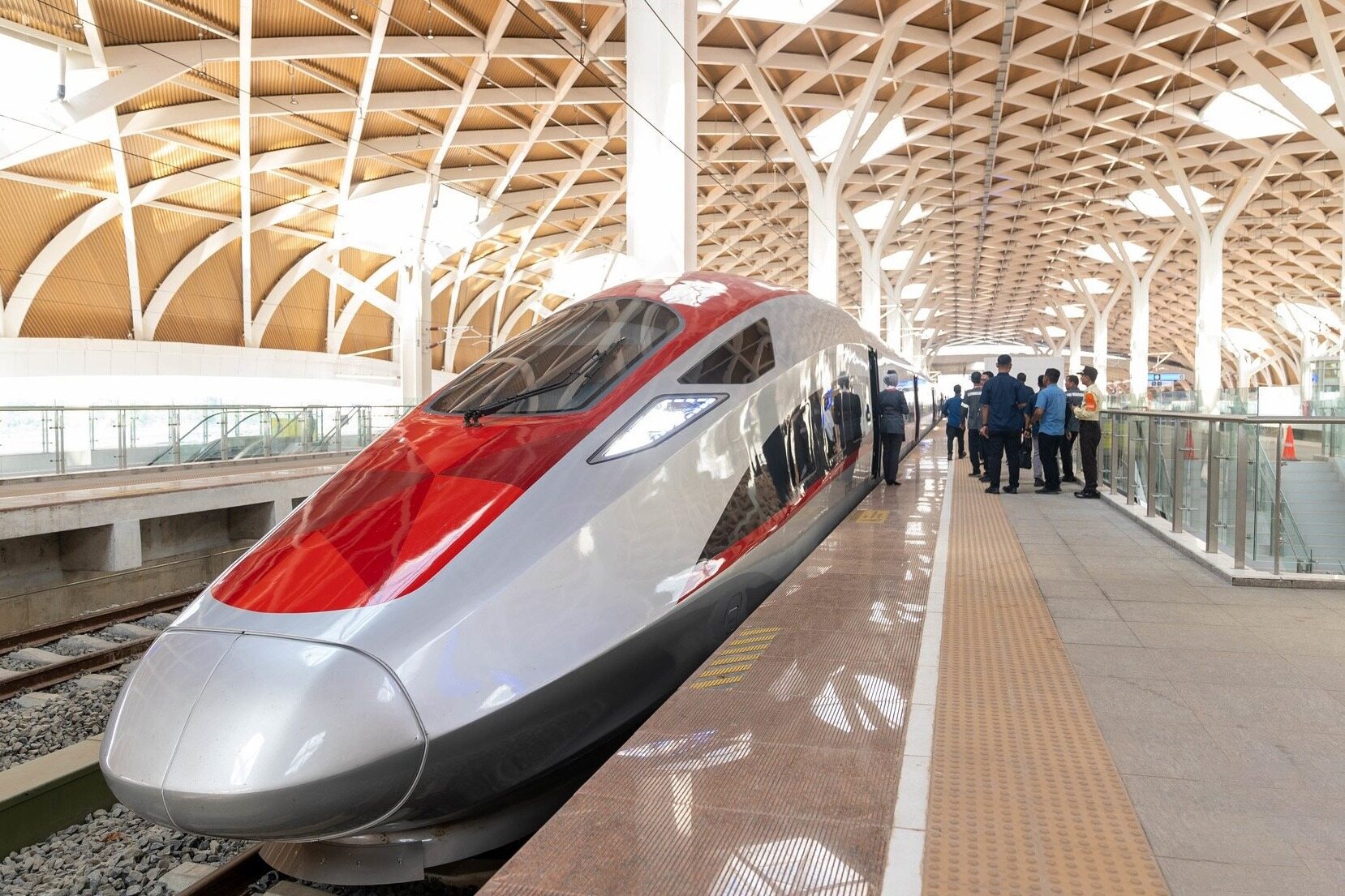
Under the volcanic ash of Java Island lies another world. When Chinese engineers stepped into this equatorial rainforest for the first time, the sticky red soil instantly covered the shoe. Faced with the geological "temper" that they had never met before, they didn't rush to draw pictures. Instead, they picked up their instruments and plunged into the stuffy jungle and noisy streets, determined to understand the language of this land.
Walk through the green mountains and get the geological pulse right
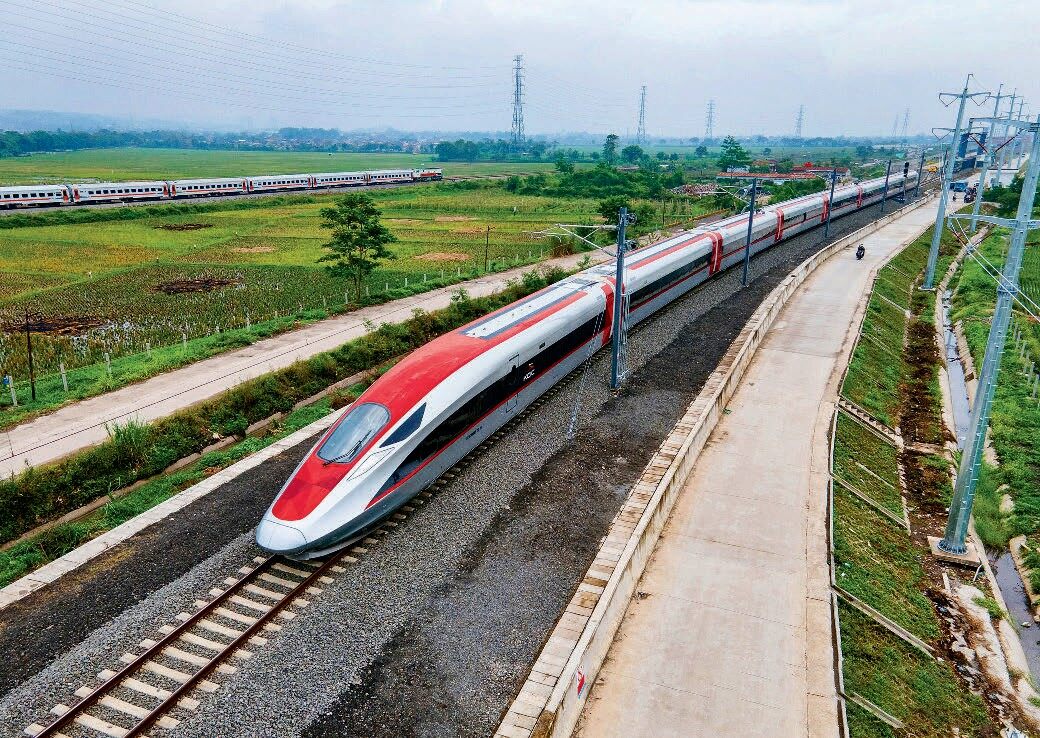
Java Island is located in a volcanic earthquake zone, with high temperatures and humidity throughout the year, soft soil, and frequent earthquakes, posing multiple world-class engineering challenges. From 2015 to 2024, the Yawan high-speed railway project team was fully involved in the feasibility study, design, construction, and operational support of Southeast Asia's first high-speed railway. As a benchmark project for China's high-speed rail system, all elements, and full industry chain to go global, the project relies on standard adaptation, deeply integrates mature Chinese technology with local Indonesian needs, and helps Indonesia establish a high-speed rail standard system from scratch, creating a model of cooperation between China and Indonesia for trust, cooperation, and mutual benefit.
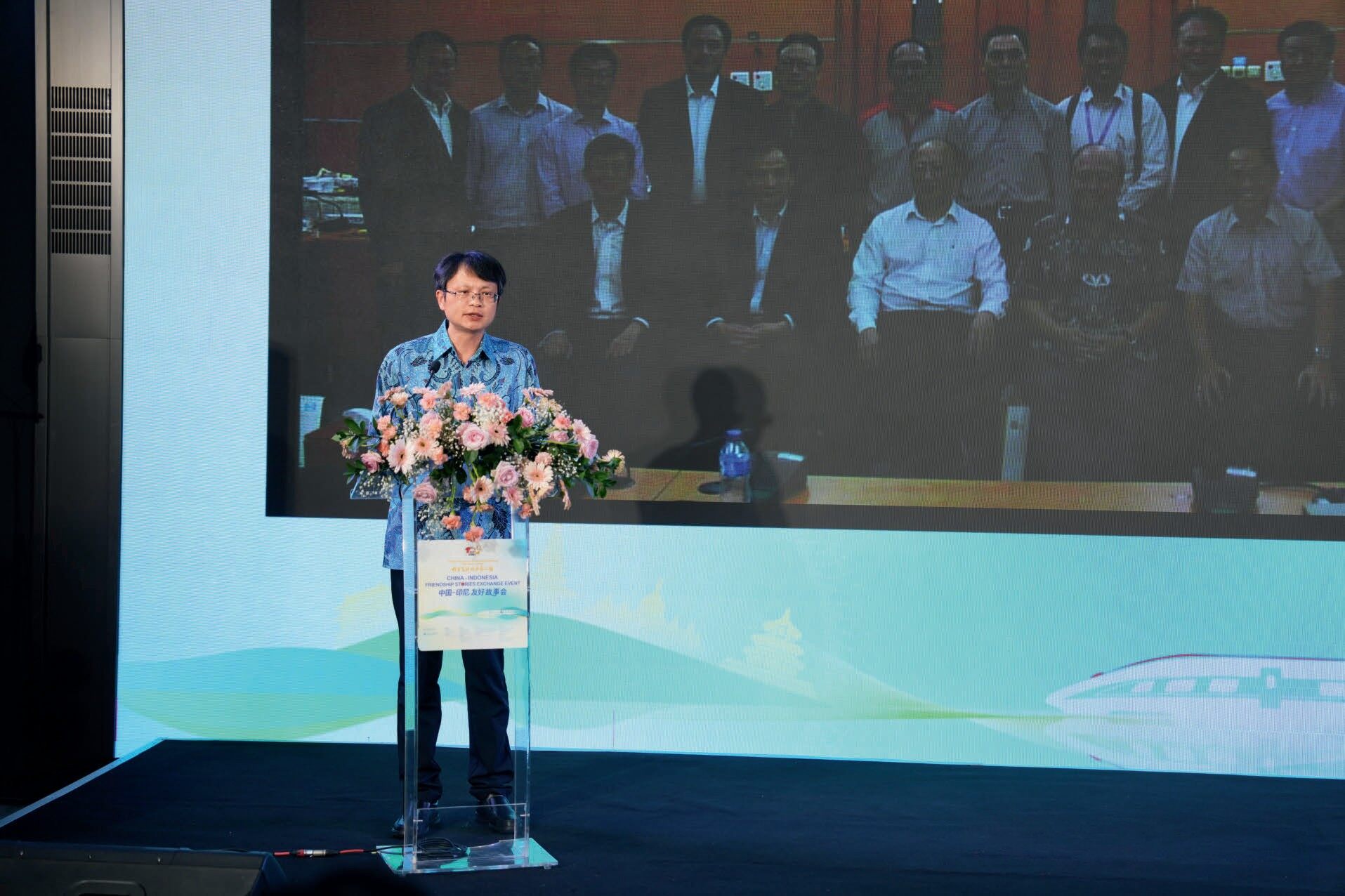
The Yawan high-speed railway is located in the intersection area of three major tectonic plates, with the highest earthquake intensity reaching 9 degrees. Poor geology is widely distributed along the line, and coupled with extreme equatorial climate, the construction difficulty is extremely high. Since 2015, the Chinese team has been stationed in Indonesia to carry out preliminary feasibility studies, collaborating with Indonesian partners and Bandung Institute of Technology to systematically collect basic data on earthquakes, meteorology, hydrology, etc., and complete earthquake safety assessments and hydrological analysis. The Sino Indonesian working group conducted a hiking survey of over 300 kilometers of the route, accurately grasping the geological structure and distribution of unfavorable geology along the entire line through geological exploration and aerial surveying. Indonesia had no high-speed rail construction standards before, and there were significant differences between the existing railway regulations and China's high-speed rail system. The project team refuses to rigidly copy standards and conducts specialized technical research based on measured data to promote the adaptation of China's high-speed rail technology to local working conditions, achieving standard implementation and local symbiosis.
Refined research and effective solutions to solve difficult working conditions
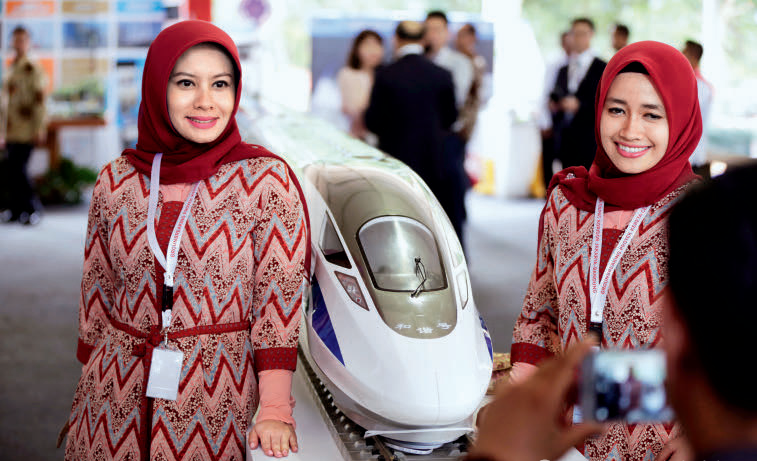
After the detailed design of the project is completed, both China and Indonesia will focus on the implementation of standards and the promotion of construction permits. They will jointly polish the design scheme, refine technical specifications, and optimize the line, structure, roads, bridges, tunnels, construction, and testing standards item by item. Technicians from both countries resolve technical differences and solidify cooperation consensus into executable standards through 3D modeling and image comparison analysis.
The project fully integrates the geological and climatic characteristics of Indonesia, optimizes core parameters such as driving and power supply, and meets local operational needs. In response to the challenges of high-intensity earthquakes, high salt spray corrosion, and steep slope driving, the team has collaborated with research institutions to overcome the construction technology of high-speed railways in earthquake prone areas, optimize equipment anti-corrosion schemes, and enhance the traction performance of high-speed trains. The bridge adopts lightweight simply supported box girders, effectively reducing the impact of seismic loads. More than 2500 monitoring points are set up along the entire line, equipped with earthquake warning systems, and a comprehensive safety operation barrier is built. Through a series of localized optimizations, China's high-speed rail standards have shed their foreign characteristics and deeply adapted to Indonesia's national conditions, laying a solid foundation for the construction of the local high-speed rail standard system. Keywords: the Belt and Road news, high-speed rail, connectivity
Establishing long-term foundations through legislation and regulations
Standards are the soul of engineering. The project is based on China's high-speed railway system and deeply integrates with Indonesia's national conditions, helping to promulgate the first "High Speed Railway (PM7-2022)". This not only fills the gap in Southeast Asian high-speed railway standards, but also provides legal guidelines for the safe operation of the Jakarta Bandung high-speed railway, achieving a leap from technology output to system construction.Editor/Gong Ziwei
Comment



 Praise
 Collect
 Comment

 Share
Share


Write something~