 Search


- China Africa trade reaches a new high, tax exemption and infrastructure demand drive continuous deepening of connectivity
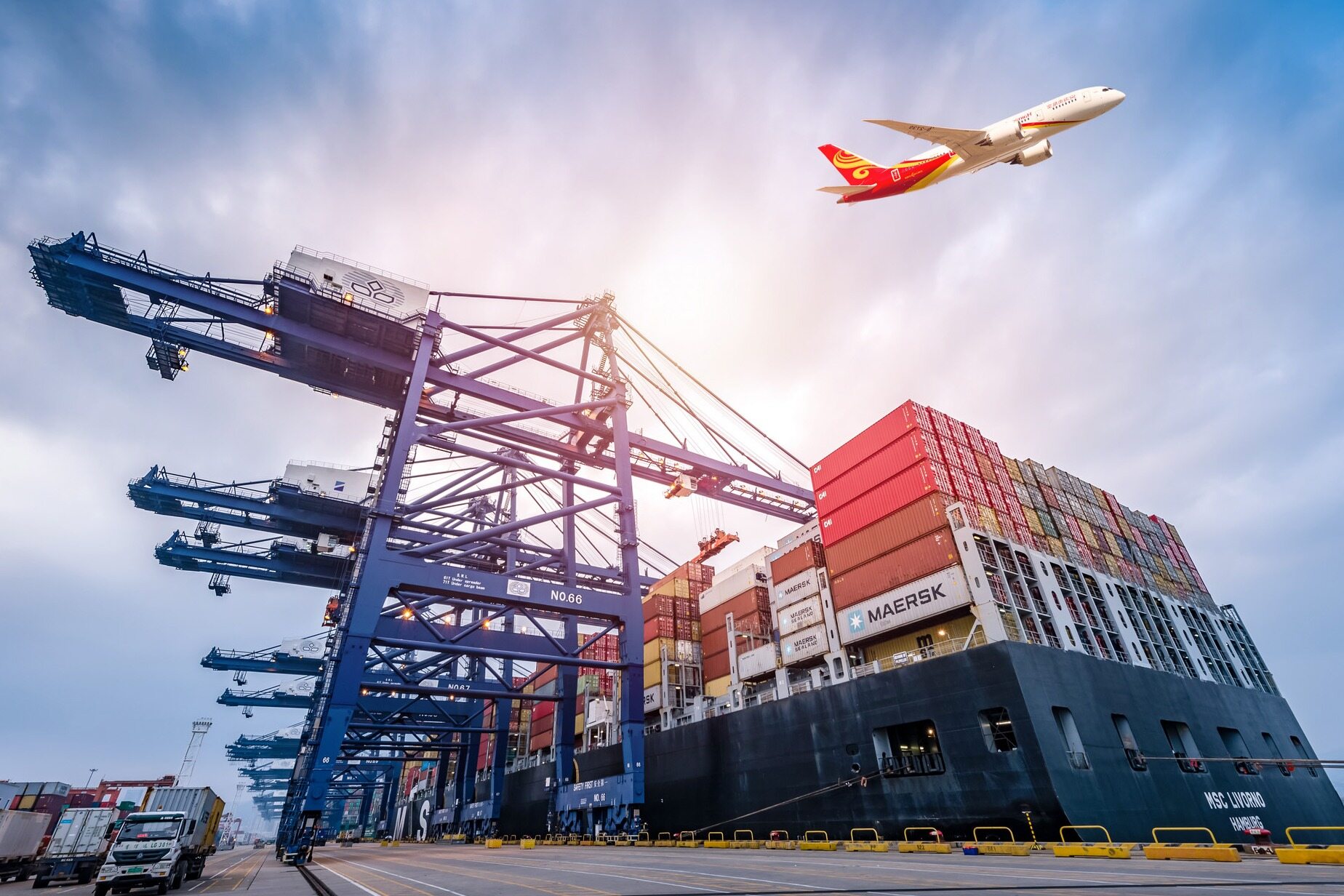
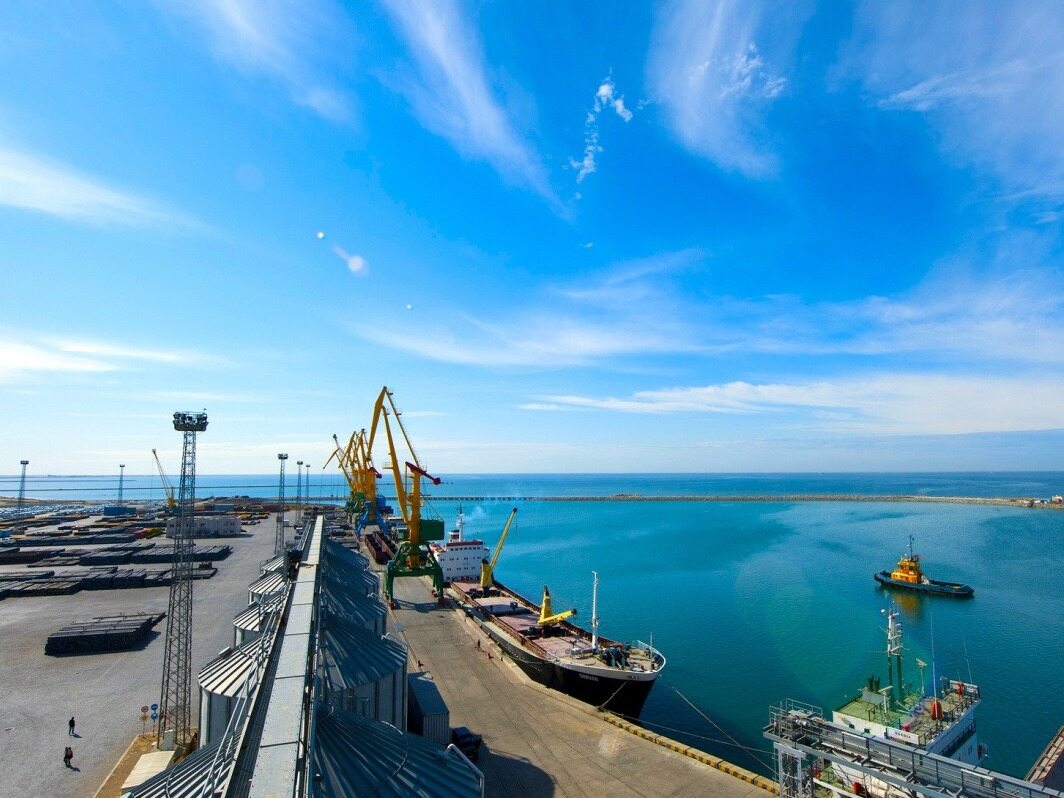
Recently, an ocean going cargo ship loaded with photovoltaic panels and transformers was being decommissioned and set sail from Yangshan Port in Shanghai, with its destination being Mombasa Port in Kenya. At almost the same time, a bulk cargo ship from South Africa docked at Qingdao Port, and the unloaded chromium and manganese ore will be transported to nearby smelters. This scenario repeats every day - according to data released by the General Administration of Customs of China in July 2026, the total trade volume between China and Africa reached 1.41 trillion yuan in the first half of the year, a year-on-year increase of 19.6%, setting a new historical high for the same period. On average, China and Africa do nearly 8 billion yuan in business every day.
Mechanical and electrical products account for three-quarters of exports
In the first half of the year, China's exports to Africa amounted to 130 billion US dollars, a year-on-year increase of 26.2%. Among the exported products, the electromechanical category reached 534.1 billion yuan, an increase of 28.8%, accounting for about three-quarters of the total export value. The categories with the fastest growth named by the General Administration of Customs include photovoltaic products, power transmission and transformation equipment such as transformers and cables, general machinery and equipment, and automotive spare parts.
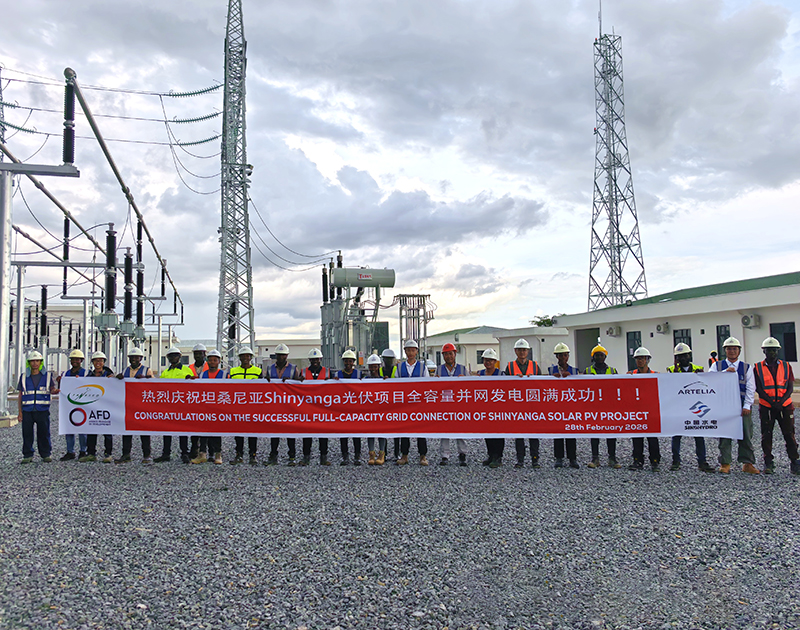
About 600 million people on the African continent lack access to electricity, and some data centers have shut down due to unstable power supply. The category with the fastest growth in China's exports corresponds precisely to this essential demand - power generation and transmission equipment rank first in terms of growth rate. The size of the gap determines the size of the order. From Cairo to Nairobi, from Lagos to Lusaka, Chinese made power equipment is lighting up factories and households in Africa.
Mineral and agricultural products lead import growth
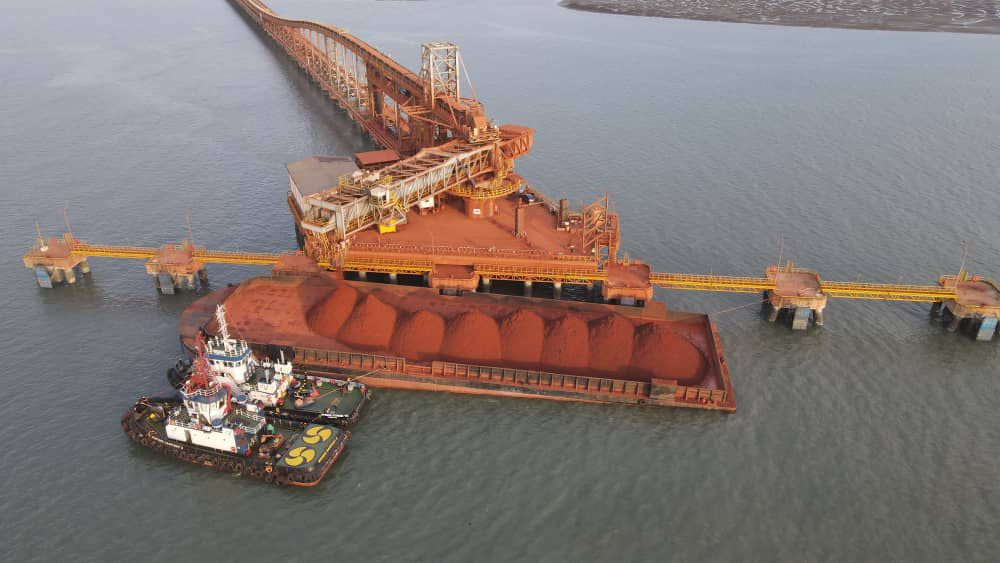
China's imports from Africa amounted to 73.5 billion US dollars, a year-on-year increase of 20.3%. The import structure presents three levels: crude oil remains the largest category, mainly from Angola, Nigeria, and Algeria, with a monthly import volume of 3.11 billion US dollars in May 2026, an increase of 21%; Mineral imports reached 19.1 billion US dollars in the first half of the year, an increase of 13%. Among them, the use of metals for batteries more than doubled, and copper in the Democratic Republic of Congo and Zambia, bauxite and alumina in Guinea all doubled in May.
Starting from May 1, 2026, China will fully exempt 53 African countries with diplomatic relations from tariffs. In the first two months after the policy came into effect, imports of African agricultural products increased by 23.5%. The performance of individual products is more intuitive: avocado increased by 130%, apple increased by 89.6%, and orange increased by 27.9%. Dried chili peppers, coffee beans, cashews, and wild aquatic products have now achieved full African quarantine and can be exported to China.
Copper aluminum connectors, lithium cobalt become the new main force
Mineral growth is not a monolithic process, and the trends of the three types of metals vary. Zimbabwe supplies about 15% of its lithium ore to China. Its lithium concentrate export ban, originally scheduled to be implemented in January 2027, was implemented ten months ahead of schedule on February 25, 2026. Miners rushed to ship before the ban came into effect, driving Zimbabwe's mineral sales to skyrocket by 79% in the first quarter, with lithium surging by 106%.
The Democratic Republic of Congo has implemented an export cap on cobalt, reducing the total amount by nearly 60% over the past two years. Cobalt not only did not contribute to growth but also dragged down overall data. The mineral sector still achieved a 13% growth, relying on the replenishment of copper and alumina. Copper is not on any ban list, doubling in May due to new mine operations and price increases. Guinea alumina is a processed product, and the doubling in May precisely indicates that the export ban is having the expected effect - processing locally in Africa before exporting. Keywords: the Belt and Road news, trade, logistics, new energy
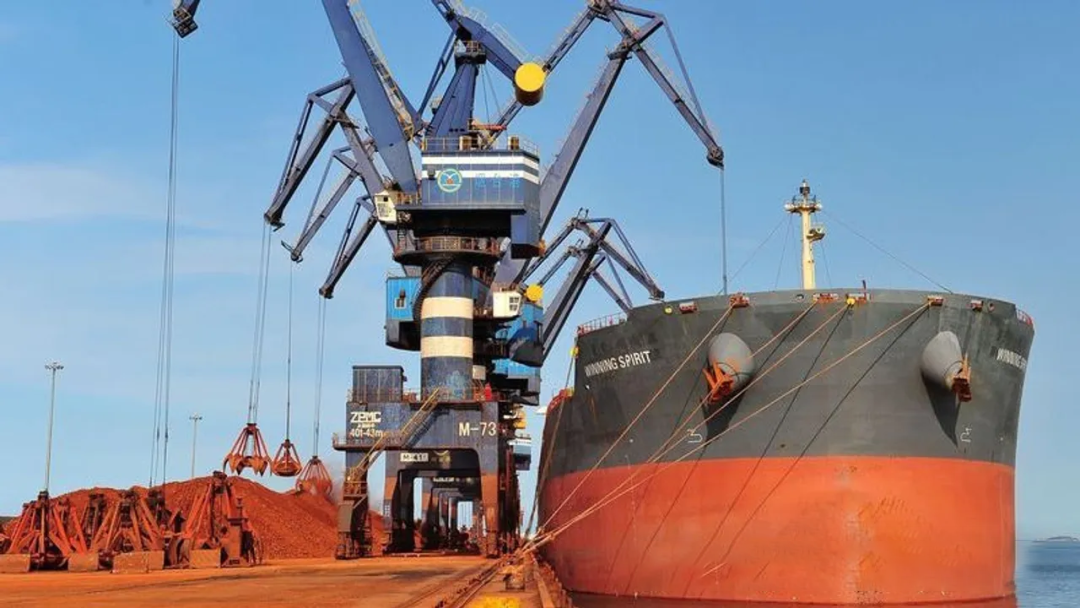
The closed loop of China Africa trade is forming: Africa exports avocados, coffee, and alumina to earn RMB, and newly established RMB clearing banks facilitate the flow of funds. African customers then use this money to purchase photovoltaic panels, transformers, and mechanical equipment. Fruit baskets and mining for industrial construction, with a total of 1.41 trillion yuan in the first half of the year, is the first half year report of this cycle. China's export growth rate to Africa is 26.2% higher than its import growth rate of 20.3%, and the trade surplus is still expanding. This is precisely the logic behind China's continued market opening to African goods - after dried chili peppers and coffee, cashews and aquatic products will be added to the list. The more Chinese yuan African customers have, the more orders they will give to China.Editor/Gao Xue
Comment




 Praise
 Collect
 Comment

 Share
Share


Write something~