 Search


- High end manufacturing, green circulation, and high value-added imports support a new framework for structural upgrading
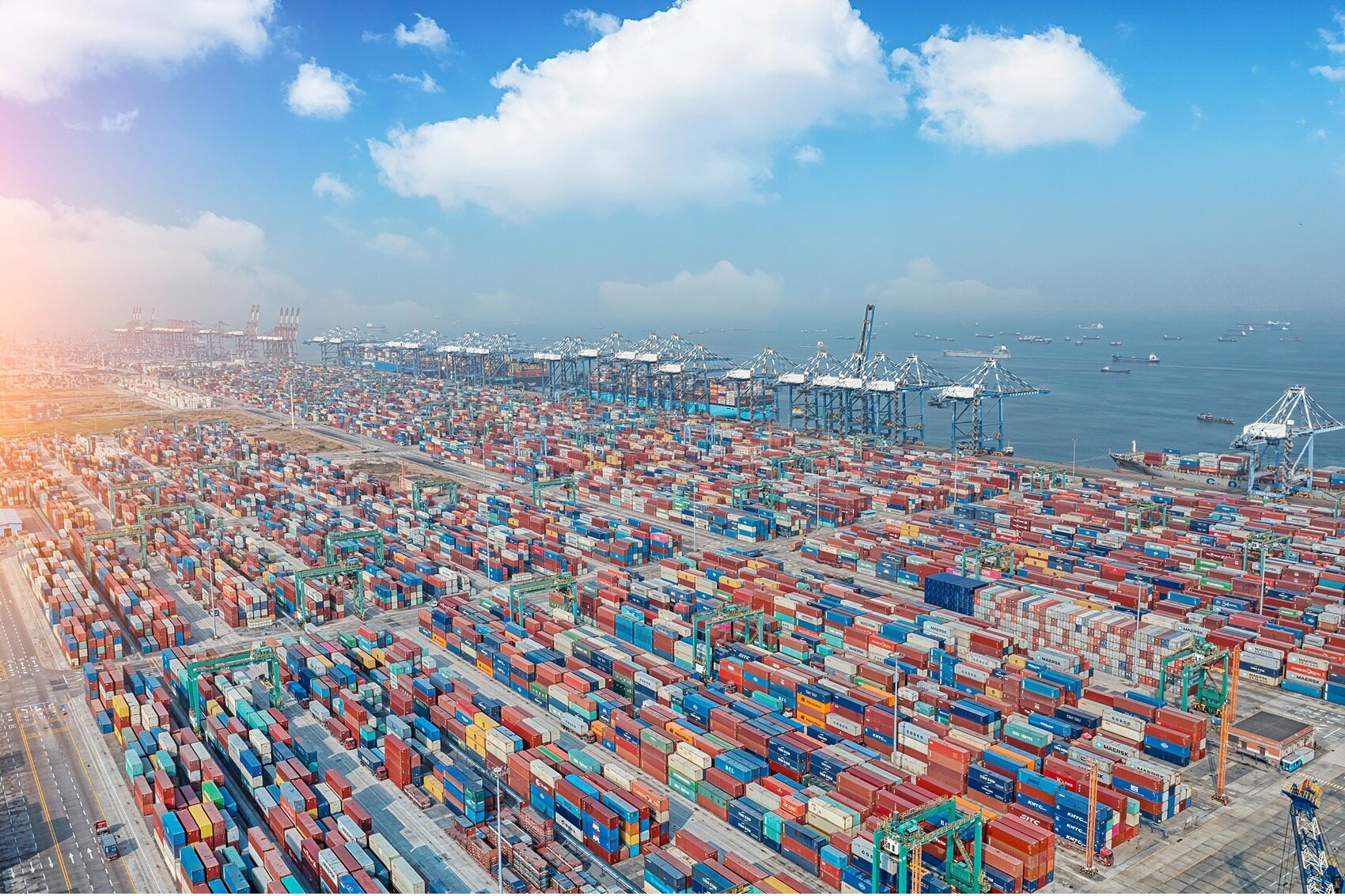
At 3am, at the entrance of a smart factory warehouse in the Yangtze River Delta, a constant temperature truck loaded with lithography machine spare parts and integrated circuits slowly drove out, heading towards the wafer workshop in the Chengdu Chongqing region. At the same time, the cranes at a port in North China lost the roar of crude oil and steel in the past, and more space was reserved for semiconductor manufacturing equipment and high-purity chemical intermediates. These trucks, cargo ships, and shelves that circulate day and night are quietly rewriting the underlying ledger of Chinese logistics.
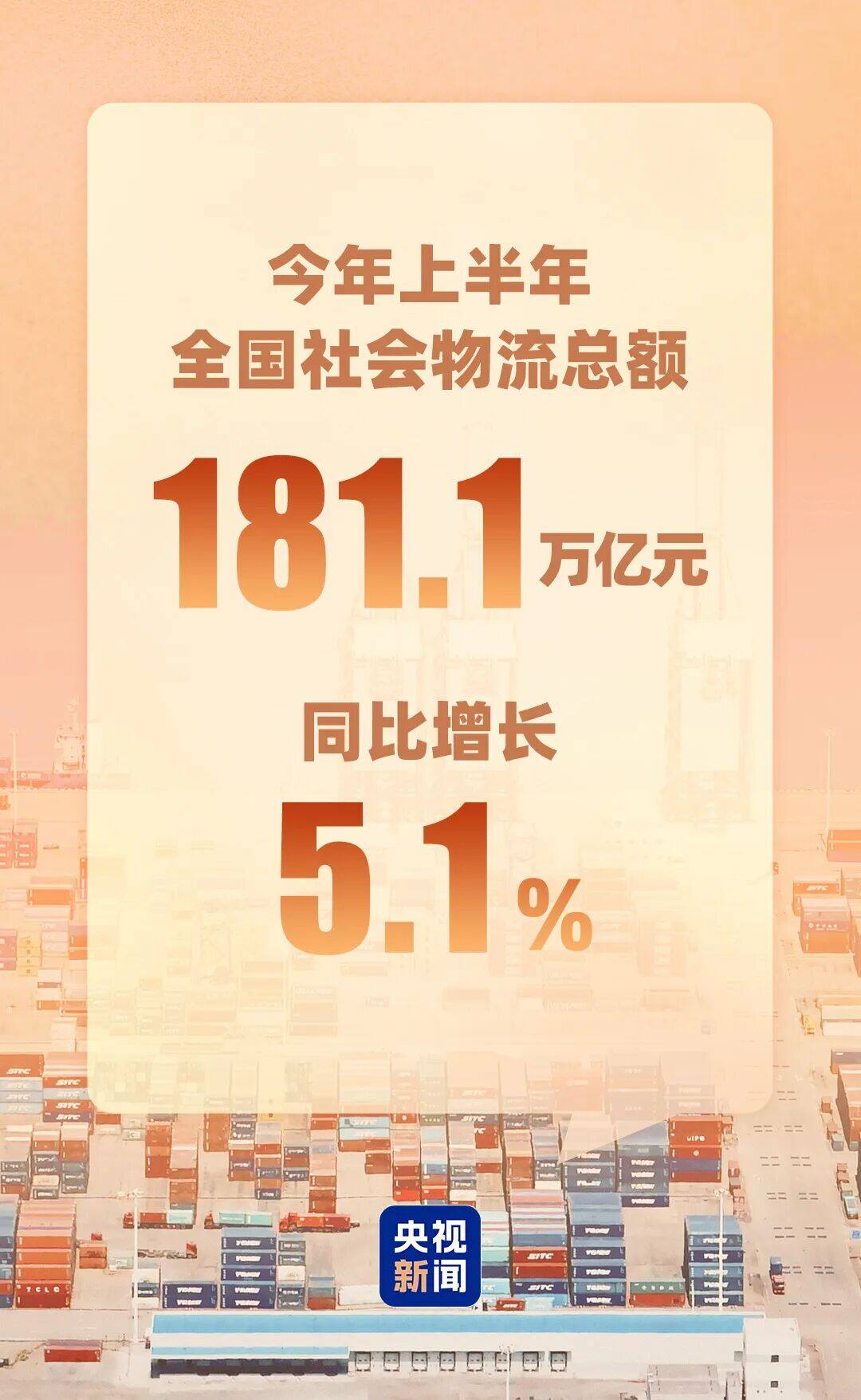
On July 29, 2026, the China Federation of Logistics and Purchasing submitted the logistics operation report for the first half of the year: the total amount of social logistics in China was 181.1 trillion yuan, a year-on-year increase of 5.1%. Looking at the quarter by quarter, it increased by 6.2% in the first quarter and 4.4% in the second quarter, showing overall stability and growth, and the growth rate was 0.4 percentage points higher than the GDP (4.7%) of the same period. The traction of logistics as a capillary of the real economy has not weakened.
Stable increase in total quantity
What is the concept of 181.1 trillion yuan? Equivalent to an average of about 990 billion yuan of goods moving through the national railway, highway, air route, and warehouse distribution network every day. Against the backdrop of a shift in macro growth rates, the total logistics volume still remains in the range of over 5%, indicating that the industrial cycle has not stalled. Liu Yuhang, Director of the China Logistics Information Center, mentioned that the total revenue of the logistics industry in the first half of the year was 7.2 trillion yuan, a year-on-year increase of 4.7%, and the average business prosperity index was 49.9%, a 0.3 percentage point increase from the first quarter. The ability of the supply side to adapt to demand is being repaired; The total cost of social logistics is 9.6 trillion yuan, which is 13.9% of GDP, a decrease of 0.1 percentage points from the same period last year, equivalent to saving nearly 70 billion yuan in costs. The slogan of cost reduction and efficiency improvement has been put into the report.
Manufacturing towards heights
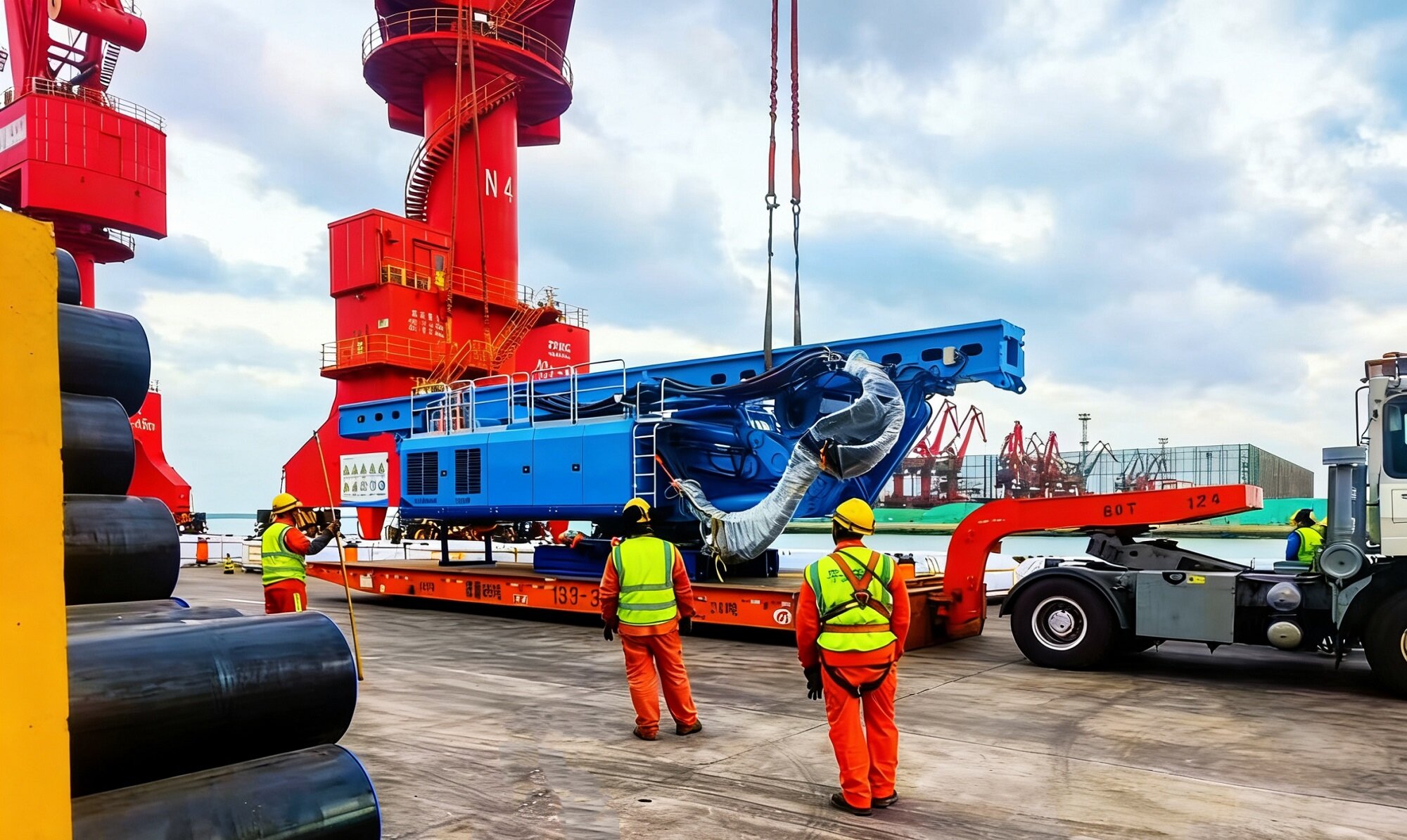
Turning to the page of WeChat Logistics, the differentiation is extremely glaring. In the first half of the year, the total logistics volume of industrial products increased by 5.4%, but the traditional sector continued to operate at a low level. The real driving force behind the curve was the new quality productivity side: the logistics demand of high-tech manufacturing industry increased by 13.3%, and the digital product manufacturing industry increased by 12.3%, which were 7.9 and 6.9 percentage points higher than the overall growth rate of industrial products, respectively. The new energy battery production line needs to transport electrode materials, the energy storage base needs to allocate power modules, and the AI server factory is waiting for high-end PCB boards. The material exchange between factories is no longer bulk steel coils and coal, but chips, optical components, and precision transmission parts. Zhou Zhicheng, spokesperson for the China Federation of Logistics and Purchasing, pointed out that the growth rates of demand for high-end manufacturing, equipment technology, and consumer goods have continued to outperform traditional logistics. Internationalization, high-end, and greenness have shifted from adjectives to order structures.
Imported blood transfusion
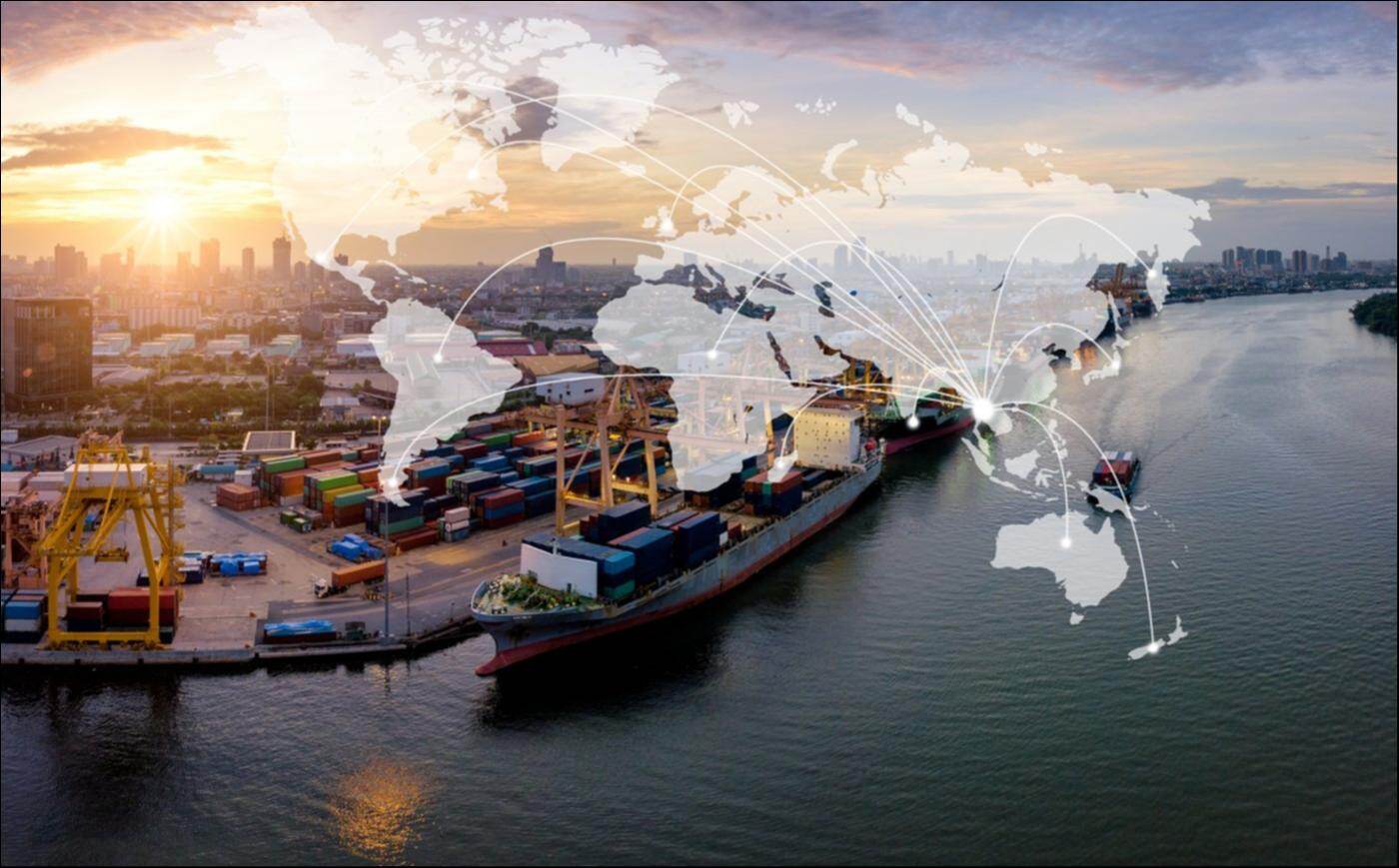
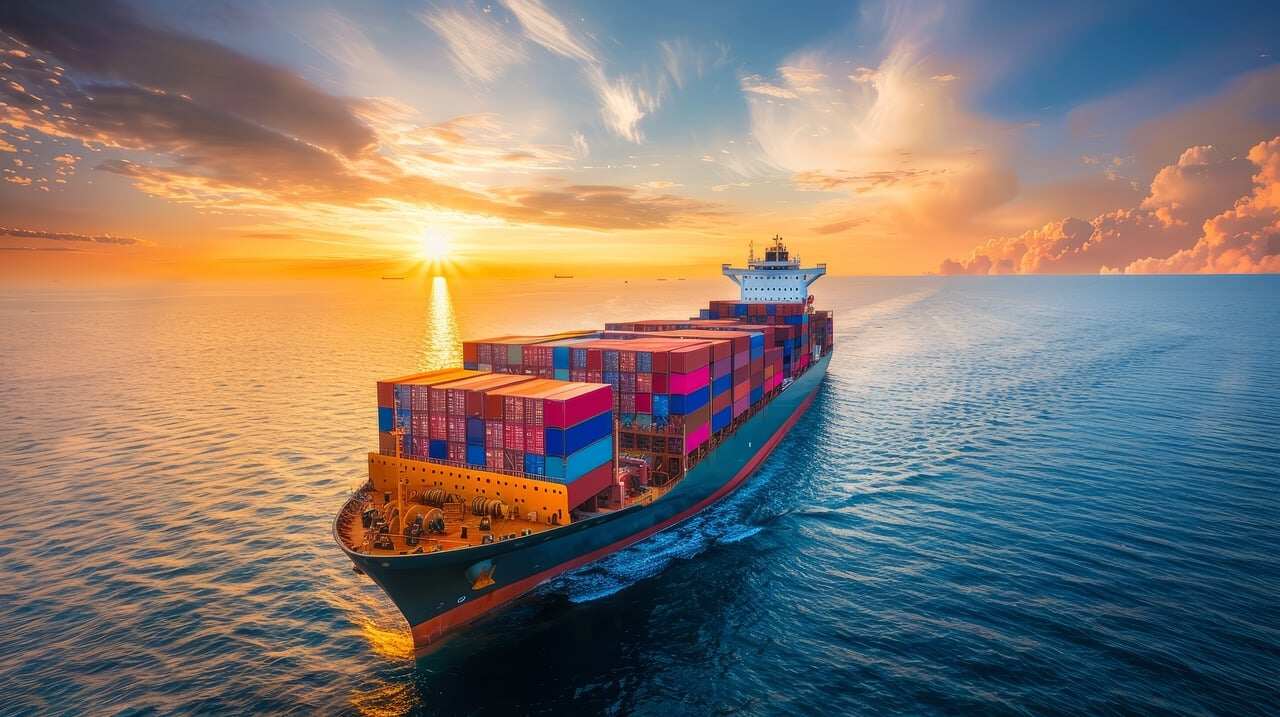
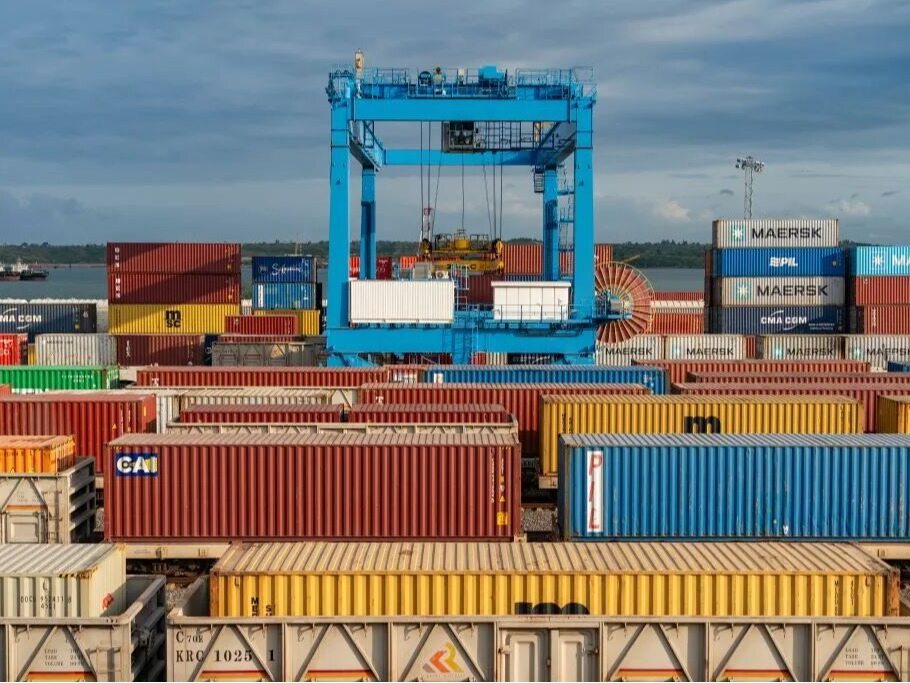
The bill of lading at the port is also being updated. Affected by the transformation of domestic demand and fluctuations in international bulk prices, crude oil imports decreased by 11.4% and steel imports decreased by 11.3% in the first half of the year; However, the import volume of semiconductor manufacturing equipment rose by 20.4% against the trend, and the import volume of integrated circuits rose by 8.1%. Between a decrease and an increase, the total import logistics volume still recorded a positive growth of 2.2%, with high value-added intermediate goods offsetting the weakness of bulk commodities. Liu Yuhang believes that the trend of imported goods shifting from resource-based products to extending to equipment and components is difficult to reverse. Behind this is the triple force of expanding local high-end production lines, domestic substitution climbing, and global supply chain re layout.
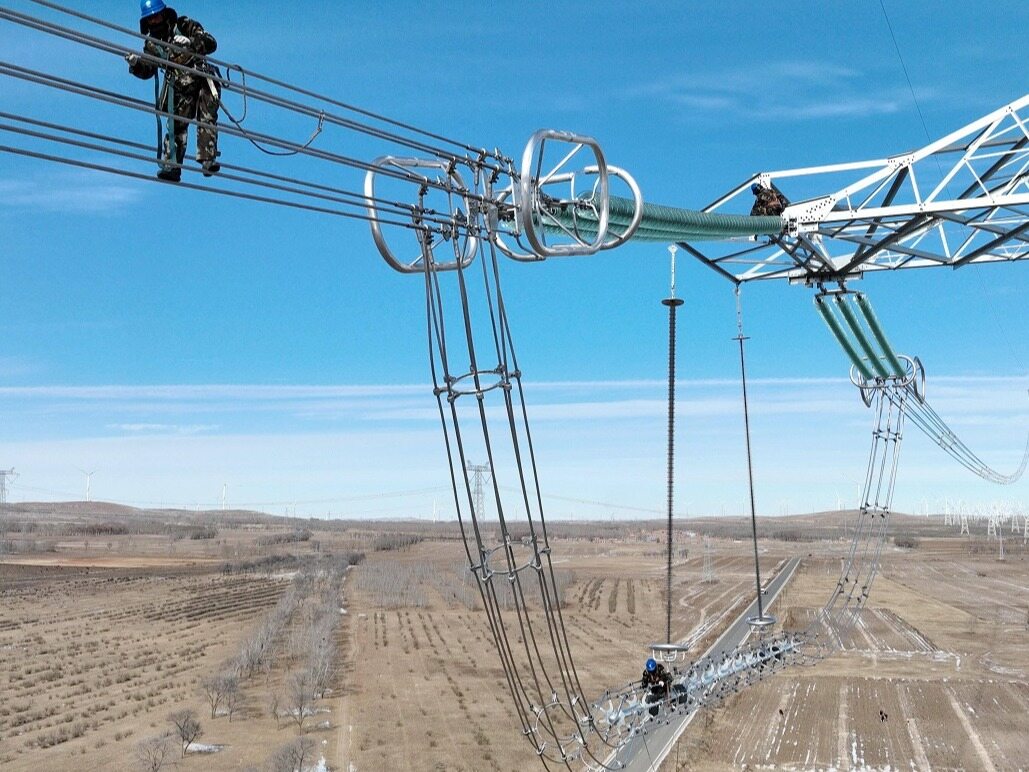
The other dark line is the green loop. The total logistics volume of renewable resources increased by 5.4% in the first half of the year, 0.3 percentage points faster than the overall social logistics market. The reverse logistics of industrial solid waste resource utilization and power battery recycling, which were previously classified as environmental sanitation, are now integrated with front-end positive electrode material manufacturing and vehicle assembly - a retired battery pack from a new energy vehicle is recycled and sorted back into lithium salt and cobalt powder, and then enters the new battery production line. The logistics chain sews together the manufacturing and consumption ends.
The constant temperature truck in the night finally unloaded at noon the next day, and when it scanned the code and entered the warehouse, the system recorded this transaction as a normal transaction in the 181.1 trillion yuan. But when countless ordinary strokes are stacked together, what is painted is no longer the portrait of bulk logistics in the old infrastructure era, but a new logistics map of high-end manufacturing leading, imported structure changing, and green cycle closure. On a stable market, structure is more worth seeing than speed.Editor/Yang Meiling
Comment




 Praise
 Collect
 Comment

 Share
Share


Write something~