 Search


- Infrastructure linkage in the Indochinese Peninsula opens up a new chapter of regional cooperation
- Chinese capital supports the Century Canal in Cambodia, breaking down old barriers to Southeast Asian shipping
On the map of the Mekong Delta, sea access has always been a scarce strategic resource. For a long time, control over channels has meant absolute bargaining power. As the outline of the Dechong Funan Canal gradually becomes clearer, the logistics chain that has been maintained in the Indochinese Peninsula for decades is quietly loosening, and a change in autonomy and balance has begun.
Abundant funds support the Century Project
The total investment of the Dechong Funan Canal is 1.7 billion US dollars, which is a national level livelihood project in Cambodia. The Chinese side has provided nearly 1.4 billion US dollars in financial support, with loose cooperation conditions, no strict additional terms, and clear and transparent fund allocation. A low interest loan of 200 million US dollars, with an annual interest rate of 1.25% and a repayment period of 20 years, specifically used for ship locks and core coastal water conservancy projects; 200 million US dollars in free aid, all used for the construction of cross canal bridges to alleviate Cambodia's financial pressure; Nearly 1 billion US dollars in commercial financing, financial institutions connecting with enterprises to ensure the steady progress of waterway excavation and main construction.
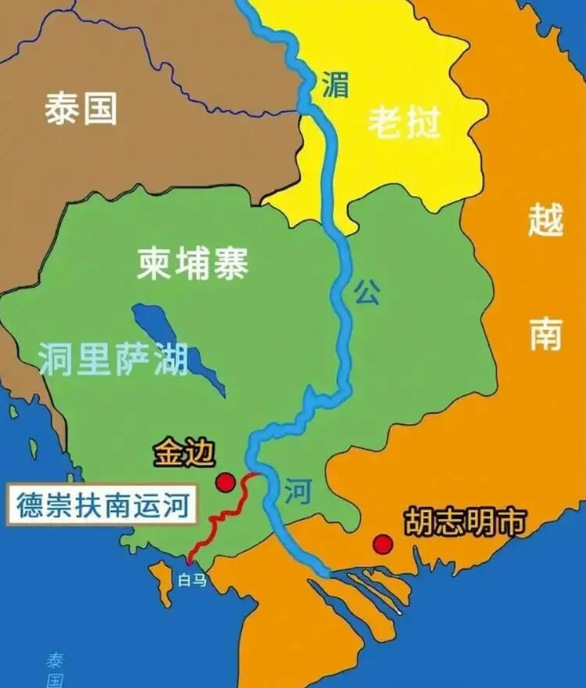
The canal is a two-way civil waterway that can accommodate 3000 ton cargo ships, connecting four provinces and directly reaching Baima Port for sea transportation, benefiting 1.6 million coastal residents. It also has the value of shipping, irrigation, and increasing income. The Cambodian side has made it clear that the project is purely for people's livelihood and has no military layout. All related speculations are false rumors.
Due to long-term restrictions on neighboring trade
Before the landing of the canal, Cambodia had no nearby deep water outlet, and its economic and trade development was long constrained by geographical constraints. Nearly one-third of the country's exported goods must be transshipped through Vietnamese ports for export. For a long time, Cambodian companies have been forced to bear additional costs such as port usage fees, transit fees, and customs clearance fees in Vietnam. Freight timeliness and dispatch authority are completely controlled by the Vietnamese side, and trade bargaining power is seriously lacking. The economic lifeline is under the control of others. After the navigation in 2028, the local container transportation cost will decrease by 20% -30%, and cargo ships can directly sail to the Gulf of Thailand without bypassing Vietnam, greatly improving logistics efficiency. Cambodia will fully grasp the autonomy of trade going abroad.
Heavy money hedging against Vietnam game stop loss
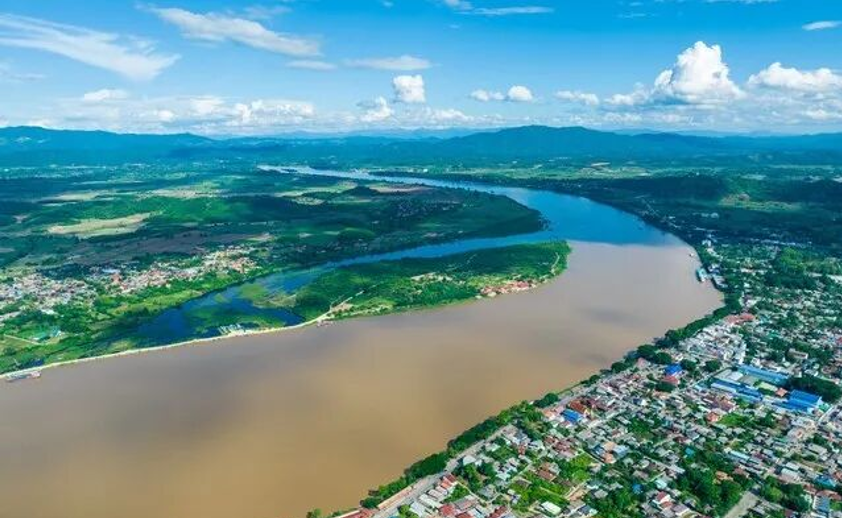
Cambodia opens up independent sea routes, challenging Vietnam's traditional advantages in the lower Mekong River. Vietnam immediately invested 4 billion US dollars to build a cross sea bridge and a dual-use military civilian deep-water port, which will be completed simultaneously by the end of 2028. From a business perspective, the profitability of this project is extremely poor: Ho Chi Minh City Port is already a large and mature deep-water port, and the newly built port area is remote, with no turning point for enterprises. The Singapore think tank pointed out that the investment is a geopolitical hedge rather than a commercial investment. What Vietnam is truly concerned about is the loss of its right to speak on Cambodia's channels. The geographical advantage of relying on ports to control neighboring countries in the past will completely disappear with the navigation of the canal.
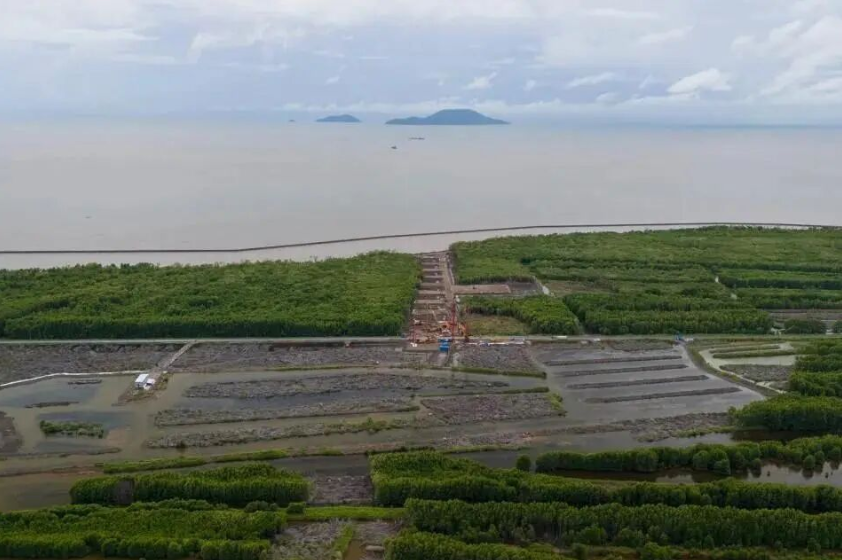
The Dechong Funan Canal is a key link in the interconnection between China and Indochina Peninsula: the China Laos railway opens up Laos' land lock dilemma, the China Thailand railway builds a land trunk network, and the canal superimposes on Yunran Port, forming a large channel of land and water linkage in the lower reaches of the Mekong River. The implementation of a series of infrastructure projects continues to dilute Vietnam's regional dominance. The Cambodian side stated that the canal aims to expand the regional economic cake and benefit cross-border trade in Southeast Asia, rather than targeting neighboring countries. However, Vietnam is caught in a dilemma: continuing to hedge will result in long-term losses in infrastructure, while choosing cooperation will lose its bargaining advantage, and can only invest heavily to maintain its regional presence. Keywords: logistics cost reduction, Dechong Funan Canal, interconnectivity
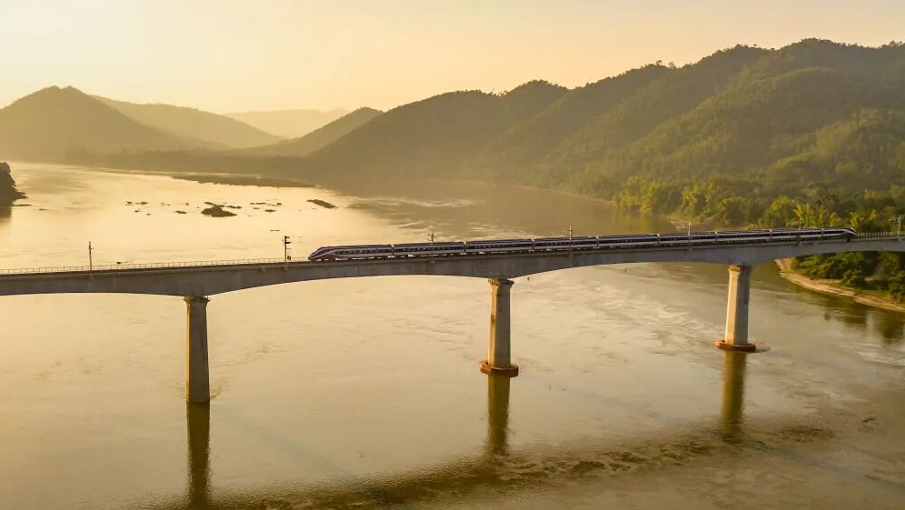
The Dechong Funan Canal, which started construction in August 2024, will officially open for navigation in 2028. At that time, the lower reaches of the Mekong River going out to sea will be completely rewritten, and the era of relying on channel monopolies will come to a complete end. In the layout of the the Belt and Road, the canal echoes the domestic Pinglu Canal from afar, broadens the logistics channel to the sea in southwest China, stabilizes the regional industrial chain and supply chain, and promotes the new upgrading of the geopolitical pattern and regional cooperation of the Indochina Peninsula.Editor/Gong Ziwei
Comment


 Praise
 Collect
 Comment

 Share
Share


Write something~