 Search


- Kazakhstan National Oil and Gas Company President Hasenov visits Beijing to meet with CITIC Chairman Xi Guohua
- Surrounding the production increase of Karazhanbas oilfield and the renovation of Aktau asphalt plant
- Push China Kazakhstan energy cooperation from single point projects to a new stage of full industry chain collaboration
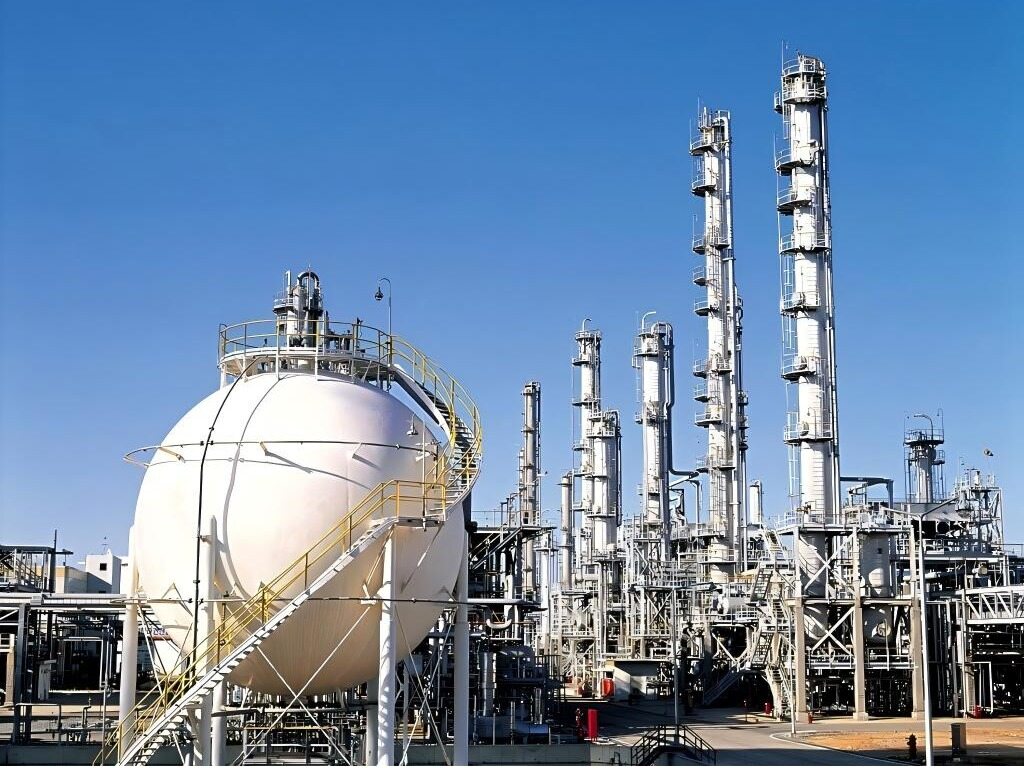
In the early autumn reception room of Beijing, Hassenov, the President of Kazakhstan National Oil and Gas Company, sat opposite Xi Guohua, the Chairman of CITIC Group. The agenda on the table is not just an ordinary one, but a collaborative map interwoven with Gobi Desert and Caspian Sea flowers in Mangystau Oblast - one side is the Karazhanbas oil field that has been exploited for more than 20 years, and the other side is the newly expanded Aktoriya Caspian Asphalt Plant. This meeting is like a line, connecting upstream oil exploration and downstream refining into the same chess game.
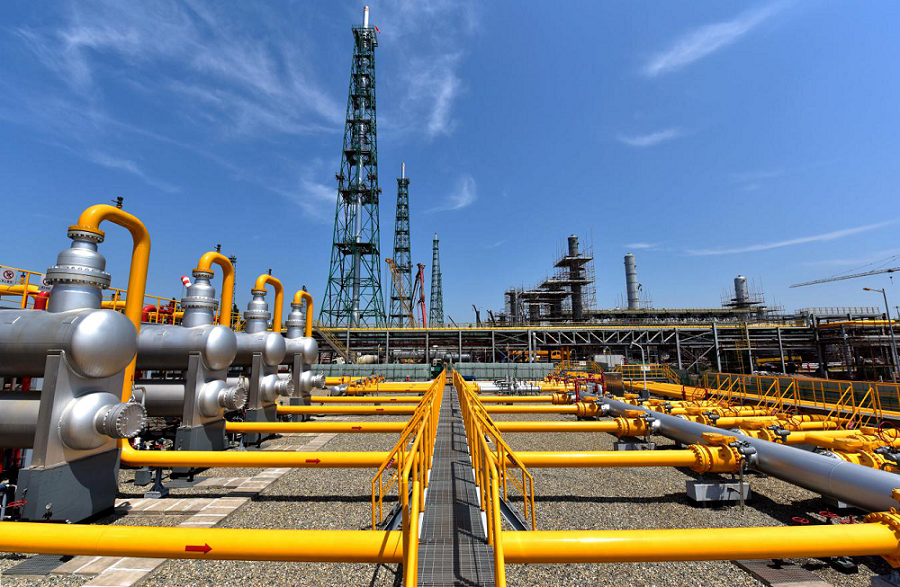
New reserves excavated from old oil fields
Karazhanbas Petroleum Company (KBM), located in Mangystau Oblast, is a well-established joint venture between the two parties, which has extracted 1.018 million tons of oil in the first half of this year. Facing the natural decline of old oil fields, supplementing the resource base has become a top priority.
The development of the Binhai block has brought surprises. 8 evaluation wells and 12 production wells have been drilled in this block, and after verifying their effectiveness, the geological reserves have increased to 12 million tons and the recoverable reserves have increased to 3 million tons. The drilling plan for the originally planned 25 wells has been extended to 48 wells due to unexpected results, and the expected additional oil production has jumped from 21000 tons to 50000 tons. These new wells near the coast of the Caspian Sea have given an old oil field a renewed upward momentum.

Fill the gap in the asphalt plant
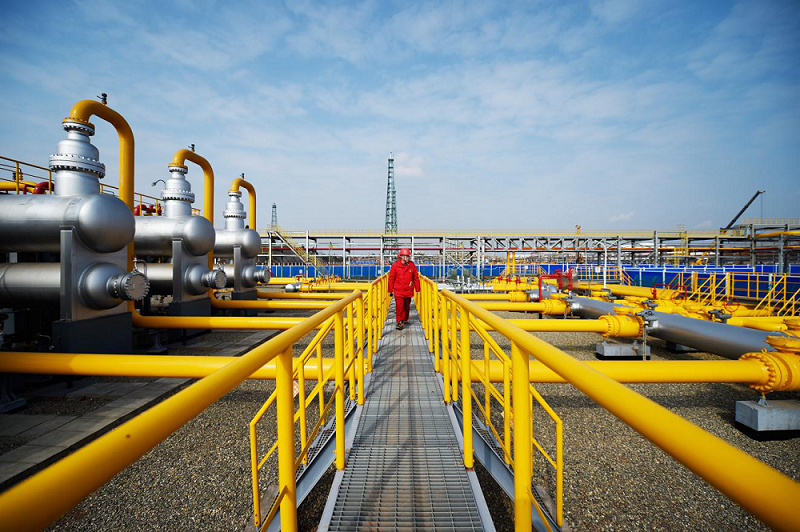
If the oil field is the starting point of cooperation, the CASPI BITUM factory in Aktau is a key link in the downstream development. This refinery, jointly promoted by CITIC Construction and Hafang for modernization, has a crude oil processing capacity of 1.5 million tons per year and a road asphalt youth production of 750000 tons, a significant increase from the 500000 tons before the renovation.
When the factory first started production in 2013, it ended Kazakhstan's history of importing 90% of its asphalt; After the expansion project is completed and put into operation ahead of schedule in May 2025, it fills the gap of domestically produced modified asphalt. Nowadays, it provides stable supply of high-quality domestic asphalt and has become the backing for Kazakhstan to connect the "Bright Road" transportation network in the context of the growth of infrastructure projects in Russia and Central Asia.
Deeper binding of the entire chain
Between the two handshakes, the logic of cooperation changed. In the early years, the Chinese side participated in Southeast Asian oil fields and worked separately in stages; Now, from supplying oil from KBM oilfield, to CITIC Construction undertaking the construction of asphalt plant, and then to supporting cross-border settlement with CITIC affiliated banks, the collaboration between production and finance has twisted the "finding oil - extracting oil - refining - paving the way" into a chain.
Hassenov made it clear during the meeting that continuing to implement the joint initiative will significantly improve the operational efficiency of existing assets and become an important stage for the two companies to consolidate their strategic partnership. President Tokayev had previously thanked CITIC for the early completion of the Caspian Asphalt Plant and awarded Xi Guohua the Second Class Friendship Medal. When Beijing's strategic consensus falls back to Mangistuo's derrick and Aktau's distillation tower, China Kazakhstan energy cooperation is no longer just about buying and selling crude oil, but building industrial capacity locally together.Editor/Yang Meiling
Comment


 Praise
 Collect
 Comment

 Share
Share


Write something~