 Search


- Both parties are accelerating the interconnection of QR code payments and signing a local currency exchange agreement
- Expected to achieve barrier free cross-border QR code scanning for residents of both countries by the end of 2026
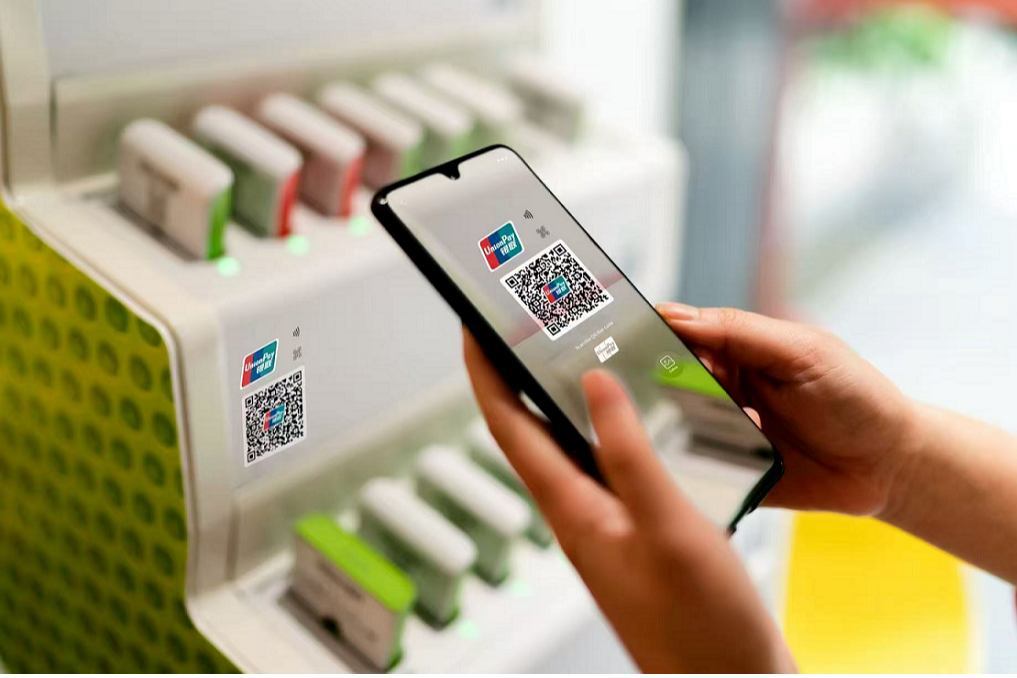
On the streets of Almaty, local businessman Ali is busy debugging the payment codes in his store. In the past, when receiving Chinese tourists, he always had to prepare two payment devices, one for receiving tenge and one for connecting with UnionPay. Nowadays, this complexity is about to become history. As China Kazakhstan financial cooperation enters the fast lane, a small QR code is quietly weaving a new bond of economic and trade exchanges between the two countries.

Currency swap for another three years
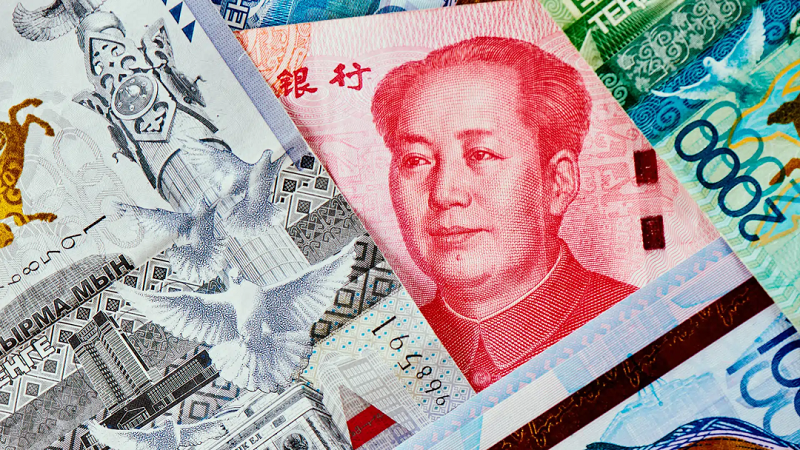
The most notable achievement in this series of talks is undoubtedly the signing of a new round of bilateral currency swap agreement between the central banks of China and Kazakhstan. This three-year agreement not only solidifies the cornerstone of cooperation between the two sides in the fields of trade and investment, but also paves the way for the widespread use of the tenge and the renminbi in bilateral transactions. This is not only a continuation of numbers, but also a boost of confidence, which means that companies from both countries will have stronger risk resistance and lower exchange costs in future cross-border settlements.
Scan code interoperability to be implemented by the end of the year
For ordinary people, the most obvious change will occur at the end of the year. Kazakhstan's national payment company is working closely with UnionPay International to promote the integration of the two countries' QR code payment systems. At that time, both Chinese tourists traveling to Kazakhstan and Kazakhstani businessmen doing business in China will enjoy the convenience of "one yard to two countries". At the same time, the underlying construction of digital finance is also advancing synchronously. The interaction between digital tenge and digital RMB has been put on the agenda, and through the two-way connection of mBridge international platform and CBETS system, both sides plan to launch pilot projects before the end of 2026. In addition, the National Payment Company of Kazakhstan will serve as a centralized hub for domestic financial institutions to access China's CIPS cross-border payment system. This measure will effectively solve the problems of scattered bank connections and fragmented infrastructure in the past, and further make it a "cake" for big currency settlement.

Digital finance blooms at multiple points
The tentacles of cooperation have extended to broader fields. Both sides are exploring expanding the financing support of Chinese financial institutions for the economy of Kazakhstan, exploring the issuance of RMB denominated bonds, and welcoming more Chinese banks to settle in Kazakhstan. Kazakhstan also warmly invites Chinese partners to participate in investment and jointly build Alatau City into a future city that integrates digital finance, artificial intelligence, and international capital. At the domestic level, Kazakhstan is also actively improving its internal strength, planning to fully apply digital tenge to public procurement and large-scale transactions worth over 100 million yuan by the end of 2026, covering multiple key areas such as pharmaceuticals, fuel, infrastructure, and transportation. This full process fund tracking mechanism will ensure that every penny is spent wisely, accurately targeting the predetermined purpose.
From QR code payments on the streets and alleys, to the grand national level digital currency bridge, and to the strategic layout of urban digital transformation, the financial cooperation between China and Kazakhstan is becoming increasingly close. This not only brings the wallets of the people of both countries closer, but also injects strong impetus into the integration of regional economies.Editor/Yang Meiling
Comment





 Praise
 Collect
 Comment

 Share
Share


Write something~