 Search


- Central Asia links with South Caucasus, continuously expanding regional multilateral cooperation system
- Focusing on energy and transportation cooperation, filling the gaps in regional industrial chain development
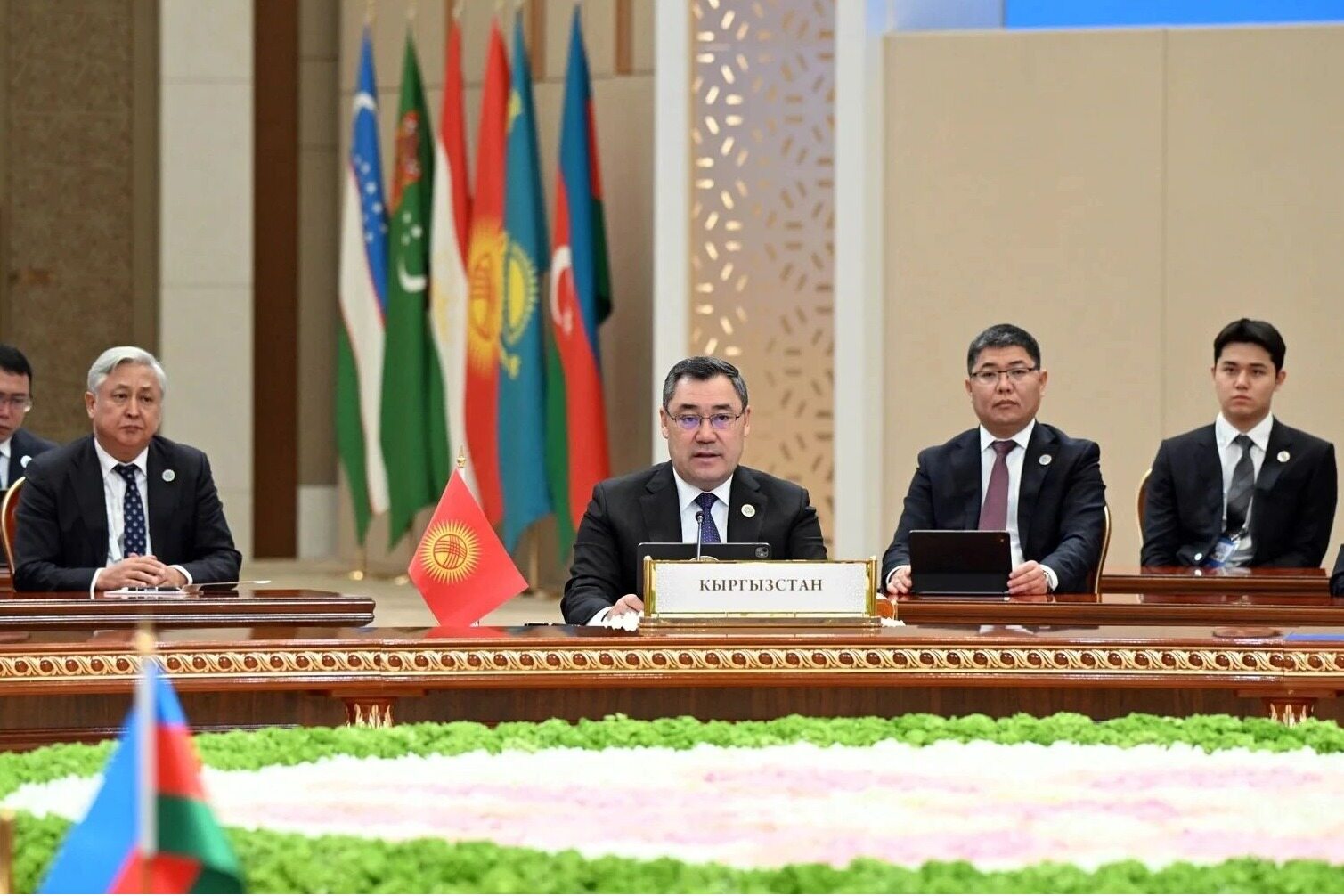
Surrounded by snow capped mountains on the shores of Lake Issyk Kul, the heads of state of the six countries sat around a table, slowly paving the map of Central Asia and the South Caucasus. The mountains and the Caspian Sea that once spanned are now sewn together by the ideas of railways, oil pipelines, and a common oil refinery, and the land is learning to use its own hands to grip the knots leading to the outside world.
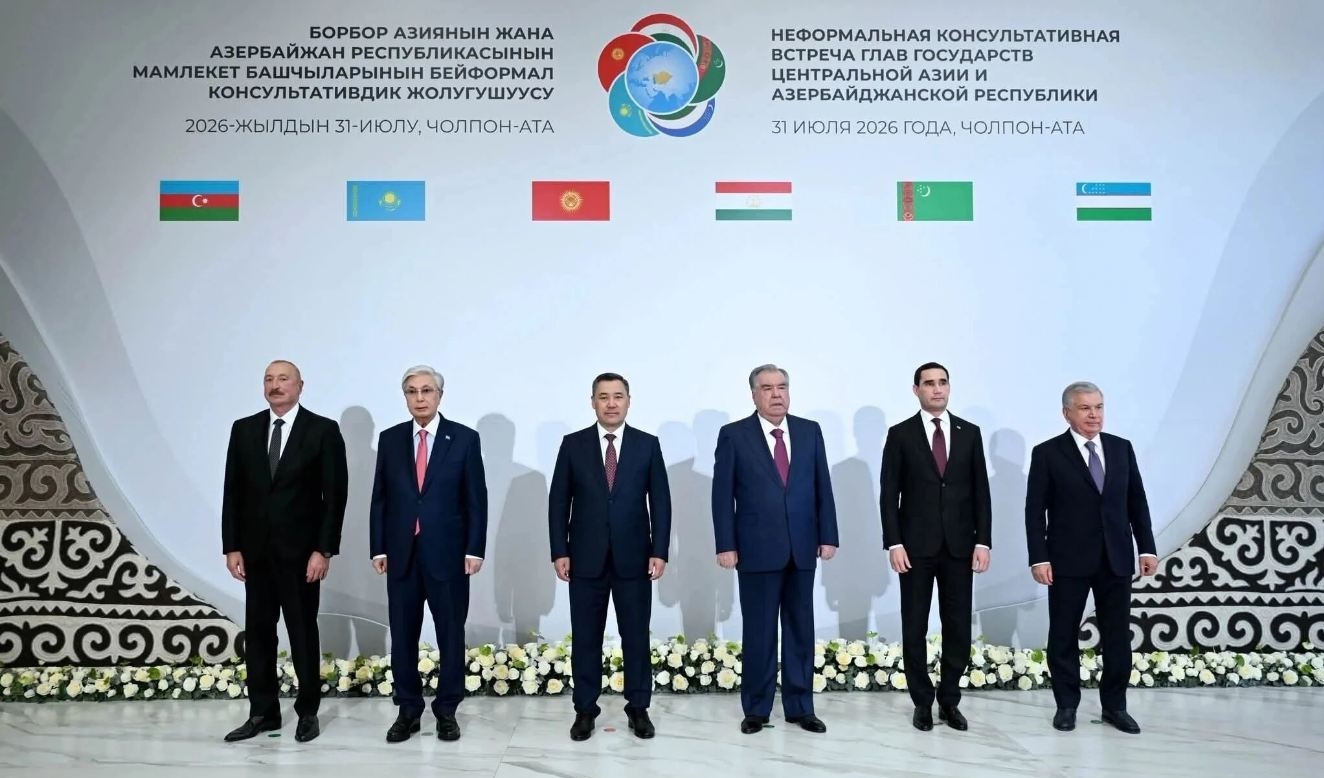
On July 31, 2026, the informal consultation meeting between the heads of state of Central Asian countries and Azerbaijan was held in the city of Chorponatah, Kyrgyzstan, with the participation and exchange of six presidents.
The cooperation mechanism continues to expand
This informal meeting of heads of state has become an important platform for communication and consultation among Central Asian countries, to solve regional problems, and to deepen cooperation. The Tashkent Summit in 2025 officially invites Azerbaijan to join the mechanism, opening up the cooperation channel between Central Asia and the South Caucasus, and bringing more development opportunities for regional economy, trade, investment, transportation, and cultural exchanges.
Regional cooperation further improves quality and efficiency
Kyrgyzstan's President Zaparov stated that the current level of regional cooperation has significantly improved. Countries have successfully reached a historic border agreement, stabilizing the regional security situation and continuously enhancing international cooperation. He thanks all countries for supporting his country's candidacy for a non permanent seat on the United Nations Security Council and will uphold regional common interests in his duties. The meeting clarified that in the future, the focus will be on promoting interconnectivity projects such as railways, highways, and aviation. At the same time, Zaparov expressed gratitude for the invitation to the Turkmenistan summit and stated that he will fully cooperate with the smooth holding of the 8th Central Asian Summit in October. Keywords: Central Asia, Azerbaijan, multilateral cooperation
New Energy and Transportation Planning Bureau
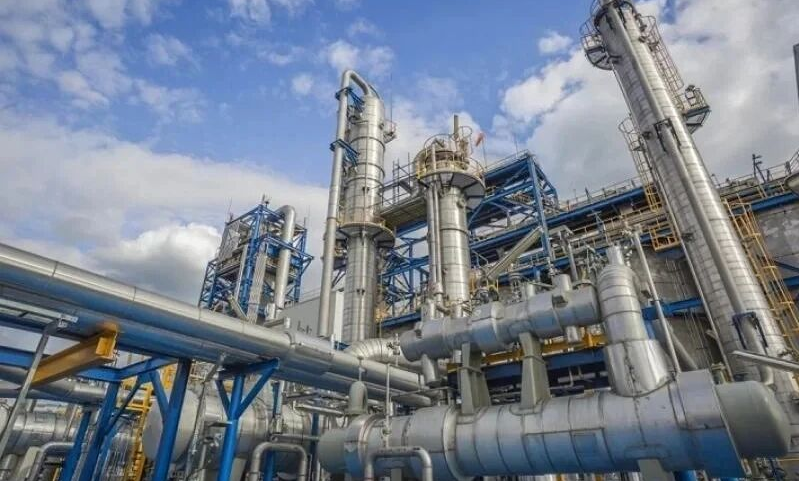
Tajikistan President Rahmon has once again proposed the initiative to jointly build a large-scale joint refinery in Central Asia. He stated that fluctuations in the energy market have a profound impact on regional development, and energy security is a key guarantee for sustainable development. He suggested that countries should jointly carry out feasibility studies, use advanced technology to construct regional refining projects, prioritize meeting the internal oil demand in Central Asia, and build a strong regional energy security system.
At the meeting, heads of state from various countries had in-depth discussions on trade, energy, tourism, transportation corridors, and cultural exchanges, and exchanged views on regional security and international cooperation. All parties unanimously agreed to continue deepening mutual trust and cooperation, jointly maintaining regional stability, and promoting the deepening and implementation of long-term friendly partnership in the region.Editor/Gong Ziwei
Comment



 Praise
 Collect
 Comment

 Share
Share


Write something~