 Search


- China and Egypt join hands to conquer photovoltaic technology, injecting momentum into Egypt's development

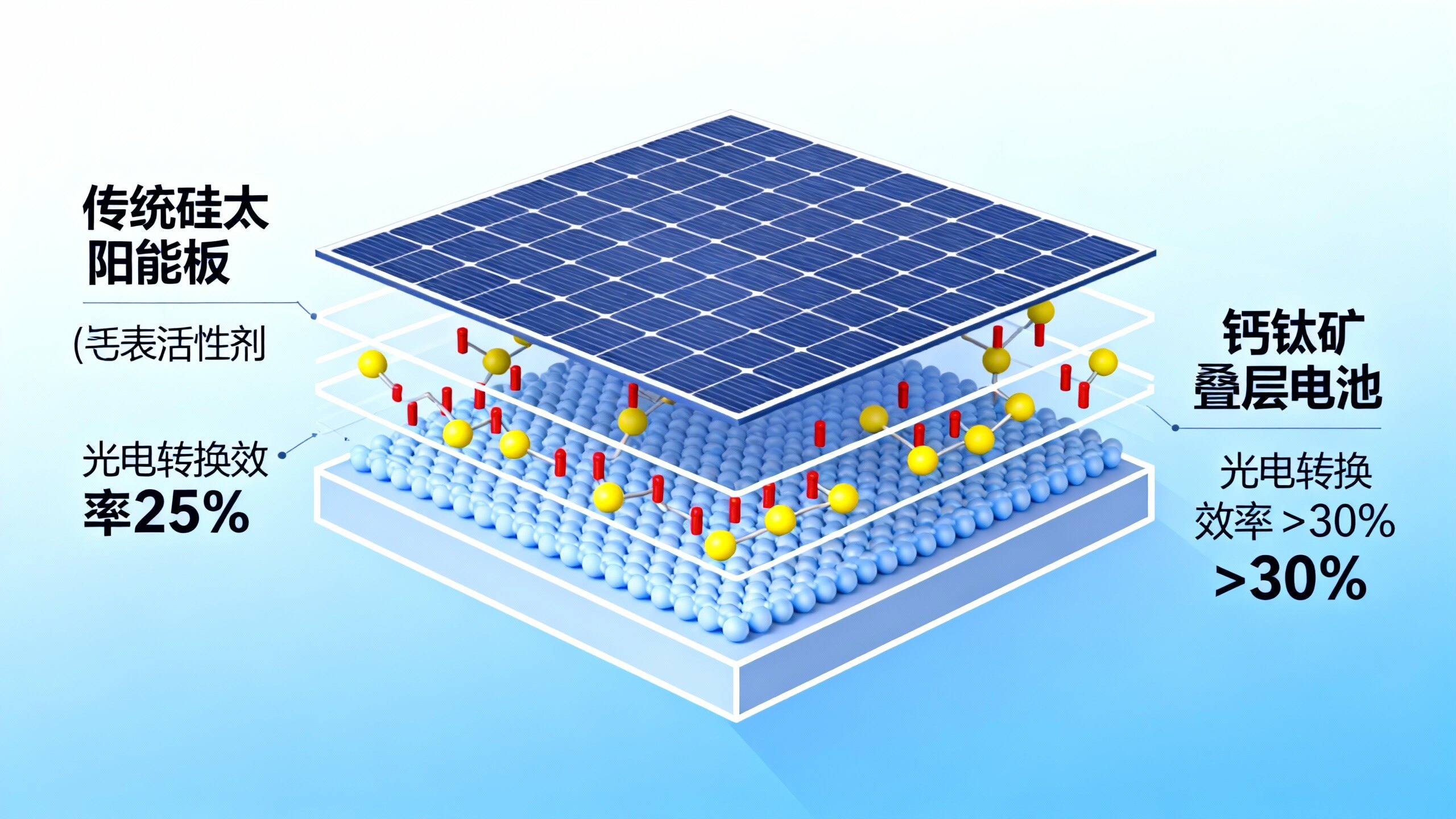
On Karaman Island in the southern Egyptian city of Sohage, the sun is scorching the sandy land along the Nile River. On the rooftop of the photovoltaic research and development base building of the Egyptian Academy of Science and Technology, rows of photovoltaic panels are converting abundant sunlight into green electricity. Three years ago, there were neither standardized research and development sites nor complete production equipment here, and all photovoltaic cells relied on imports. Now, the Sino Egyptian Joint Laboratory for Renewable Energy, jointly built by Chinese and Egyptian researchers, has enabled Egypt to produce its first domestically produced half cell photovoltaic cell and high-efficiency half cell photovoltaic module in this desert, completely rewriting the history of Egypt's photovoltaic industry.
Build a research and development production system from scratch
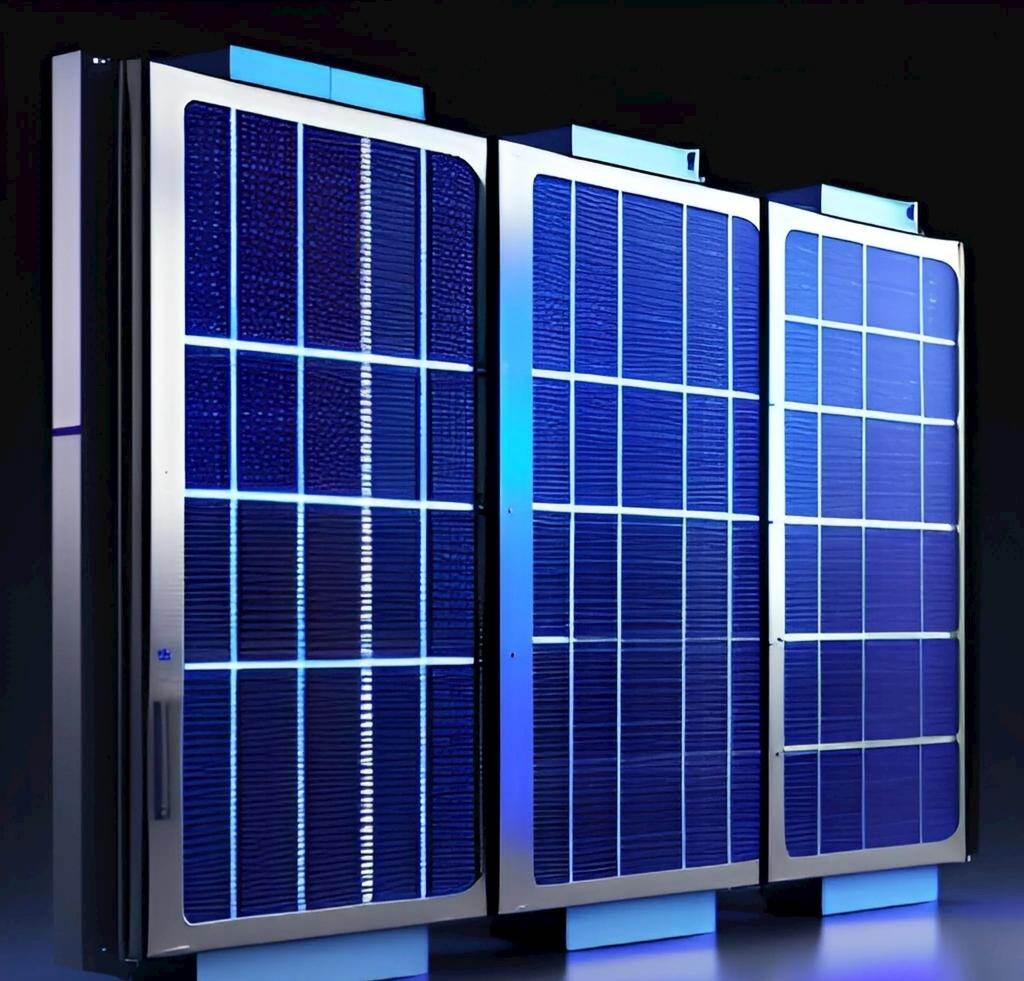
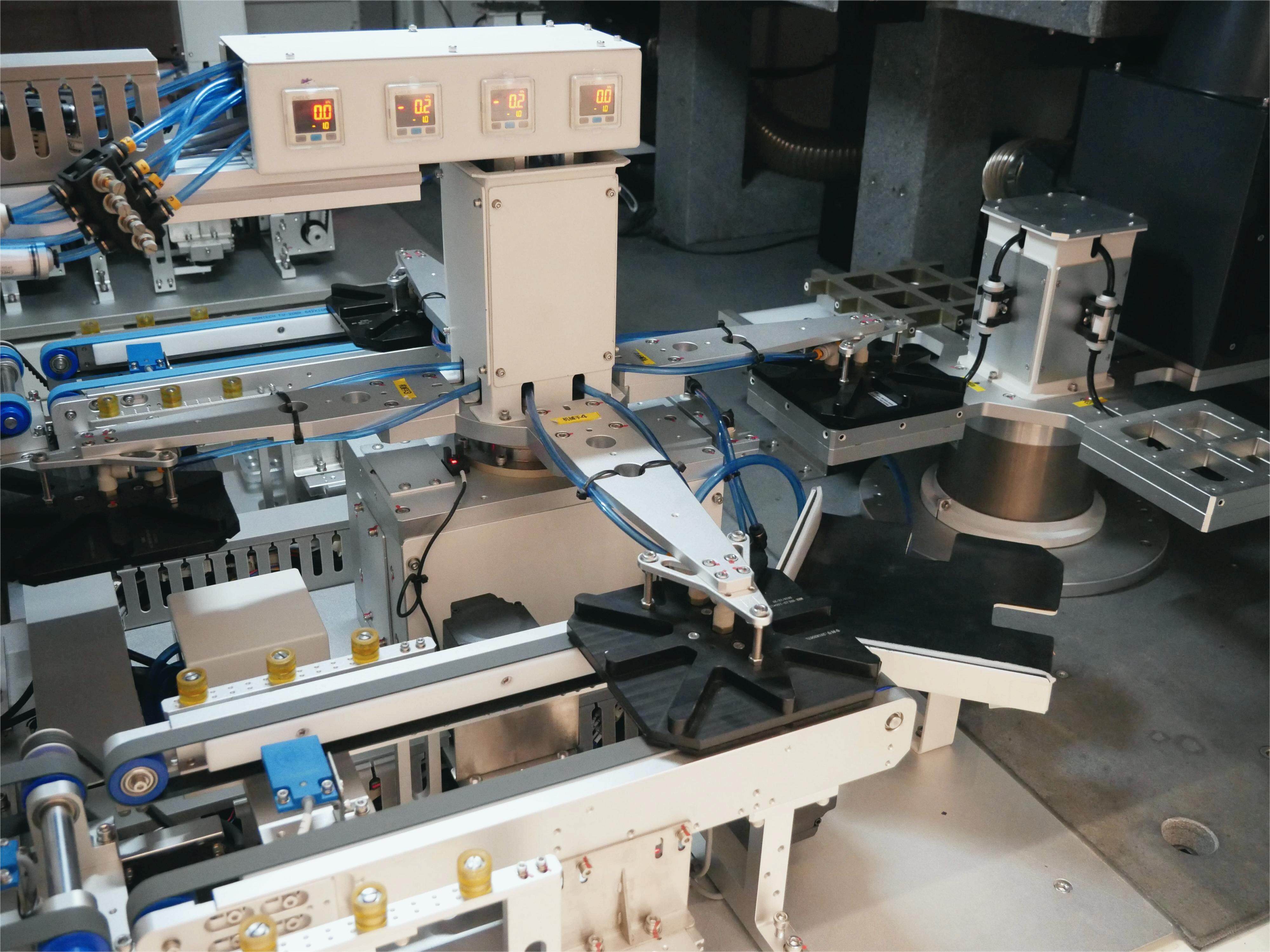
Before the joint laboratory was launched, the photovoltaic field in Egypt faced numerous constraints - there were no standardized research and development sites, no complete production equipment, no mature preparation processes, and all photovoltaic cells relied on imports. After the launch of the China Egypt cooperation, the 48th Research Institute of China Electronics Technology Group Corporation and the Egyptian side worked together to build a complete R&D and production system covering the core processes of photovoltaic cell production and a complete set of professional testing equipment for Egypt, and built a purification research and production site suitable for desert climate. In October 2023, Egypt's first half cell photovoltaic cell was born here; One month later, Egypt's first high-efficiency half cell photovoltaic module was successfully produced. Professor Mohamed Zahran from the Egyptian Academy of Science and Technology exclaimed: The joint laboratory is the core carrier for us to achieve these breakthroughs, providing comprehensive support for technological research and independent production.
Small and beautiful projects benefit local livelihoods
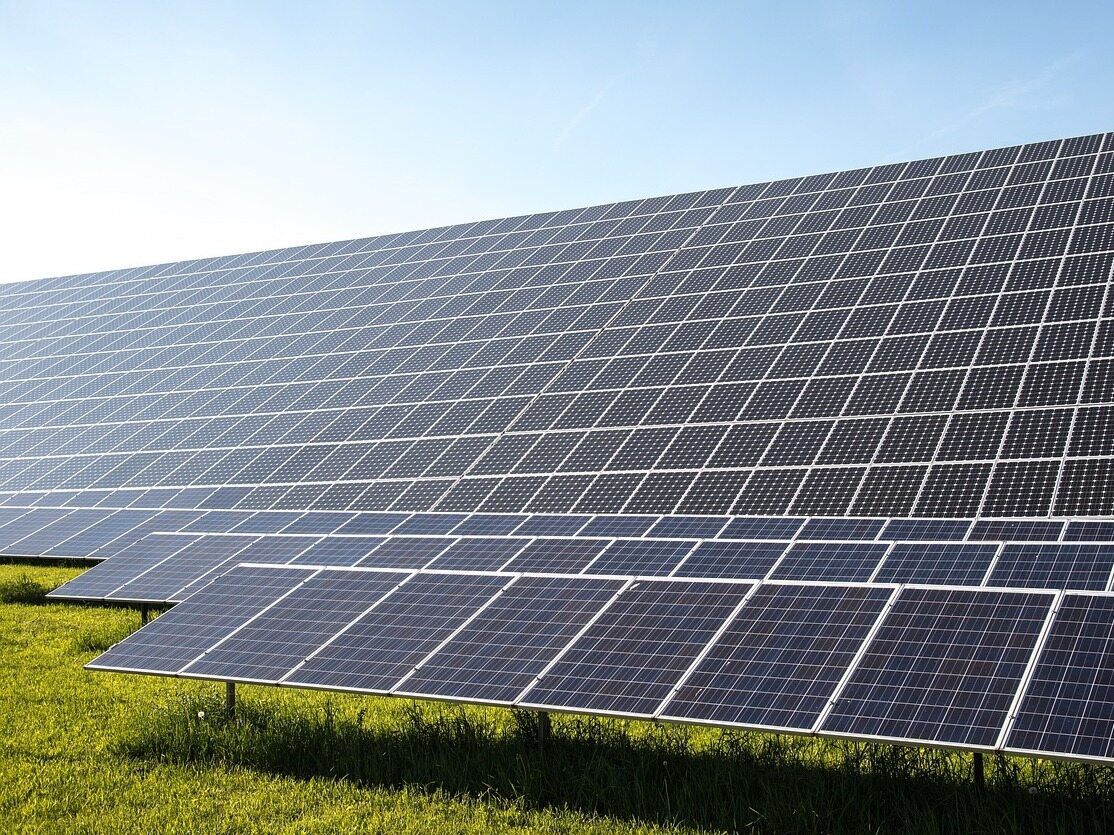
When the joint laboratory was first established on Karaman Island, there was a shortage of electricity and water in the area. In response to these pain points, the joint laboratory has built a series of demonstration projects such as off grid photovoltaic systems, photovoltaic water lifting systems, and photovoltaic water purification systems. Lu Yunzhang, a researcher at the 48th Research Institute of China Electronics Technology Group Corporation, introduced that these small and beautiful livelihood projects have effectively alleviated the problem of local electricity and water supply, providing practical samples for regional energy security. Professor Arif Illeva from the Egyptian Academy of Science and Technology stated that China and Egypt have collaborated to overcome the high resistance dense grid cell technology, significantly improving the efficiency of photovoltaic cells and laying a technical foundation for the development of products that are suitable for Egypt's local lighting environment. The potential for cooperation continues to be unleashed through the complementarity of Egypt's abundant 3000 hours of sunshine per year and China's mature photovoltaic industry chain. Keywords: the Belt and Road news, international cooperation, photovoltaic cells
Shoulder by shoulder, forge a deep friendship
During the construction of the joint laboratory, the Chinese and Egyptian teams worked closely and shared weal and woe. An urgent need for industrial parts occurred, but local search was unsuccessful. The Egyptian contractor drove over 600 kilometers overnight from Cairo to deliver them. During the debugging of the diffusion furnace, the indoor temperature exceeded 40 degrees Celsius, and the Chinese staff worked tirelessly without complaint to ensure the project was completed on schedule. Zaharan said: We have never been two independent teams, but a family tightly united by a common mission. Zhou Meng, Deputy Director of the Research Department of the 48th Research Institute of China Electronics Technology Group Corporation, revealed that the next step for both parties is to build the joint laboratory into a regional renewable energy innovation center. Through technology joint research and development, demonstration promotion, and training, it will radiate and drive the development of renewable energy on the African continent, allowing more local residents to enjoy the technological dividends of renewable energy.Editor/Gao Xue
Comment






 Praise
 Collect
 Comment

 Share
Share


Write something~