 Search



- The computing power map of western China is crossing the national border
- Opened a new journey for China's intelligent computing to go global
As containers loaded with servers slowly depart from ports in western China, a cross-border migration of computing power is quietly unfolding. On the long border between Xinjiang and Kazakhstan, the wind is not only blowing the photovoltaic panels on the Gobi Desert, but also pushing China's booming digital infrastructure to the hinterland of Central Asia. Recently, Huazhi Future, a subsidiary of Max Intelligent Engine from Chongqing, signed a meaningful cooperation agreement on this ancient and vibrant land.

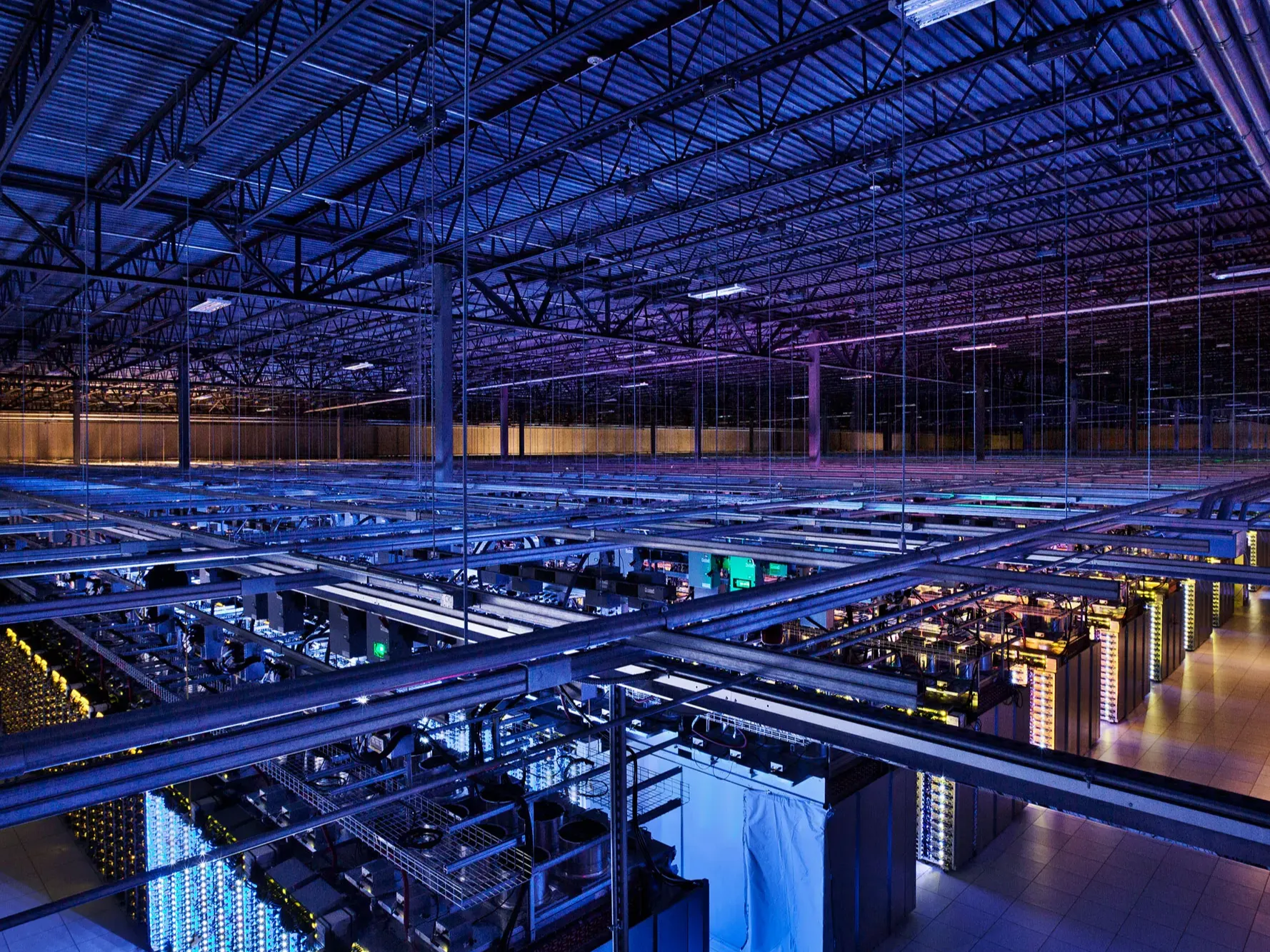
Hand in hand with KT Telecom LLP, a local telecommunications operator in Kazakhstan. Both parties plan to jointly build a large data center in the energy city of Ekibastuz in northeastern Kazakhstan. This is not only a commercial contract, but also a natural extension of China's "East Data West Calculation" project to the west, indicating that the digital economy pattern of the Eurasian continent may usher in new variables.
Leveraging energy advantages
Ekibastuz is not an ordinary border city. As a famous energy base in Kazakhstan, it contains abundant coal resources, providing natural power guarantee for high energy consuming industries such as data centers. Huazhi Future's site selection is highly strategic, aiming to utilize the abundant and relatively inexpensive energy in the local area to solve the energy consumption pain points of AI computing power clusters. Previously, Chinese enterprises mostly relied on their energy advantages in the western provinces of China to layout their computing power. Now, this model has been successfully copied to Central Asia, realizing the local transformation of energy and data.

Star Architecture Goes Global
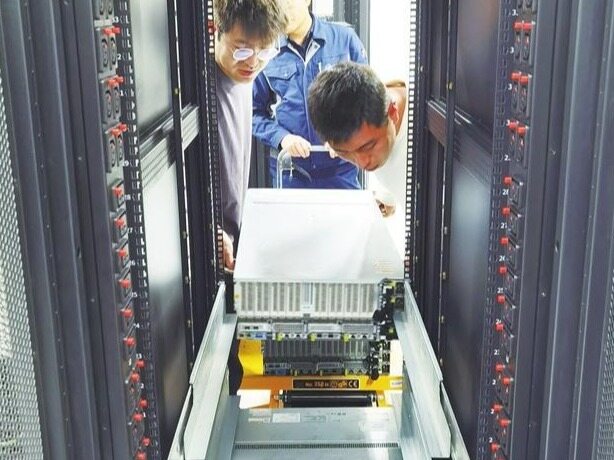
The core supporting this project is the Xingchen distributed modular AI infrastructure architecture independently developed by Huazhi Future. This technology was announced to the public in April this year, with a domestic project investment of up to 5 billion yuan, approximately 738 million US dollars. This overseas deployment means that this technology solution has ushered in its first overseas application scenario. Modular design can not only significantly shorten the construction period, but also adapt to the complex geographical environment in Central Asia. From hardware facilities to software architecture, the complete solution of intelligent computing in China is achieving standardized output.
Digging into the Blue Ocean of Central Asia
Although the current agreement signed by both parties is only a non legally binding memorandum of understanding, and the specific scale and construction schedule of the cabinets are yet to be finalized, this does not prevent it from sending a strong signal. With the rise of the digital economy in Central Asian countries, the demand for data storage, cloud computing, and artificial intelligence services has surged. For Chinese technology companies, this is not just a single data center project, but also a gateway to connect the Eurasian computing power network. Through this node, Huazhi Future not only expands its cloud services and intelligent application market, but also has the potential to access a wider range of international data exchange systems in the future, seizing the initiative in global computing power competition.Editor/Yang Meiling
Comment




 Praise
 Collect
 Comment

 Share
Share


Write something~