 Search


- 160000 sets of unused energy storage batteries in South African households awakened
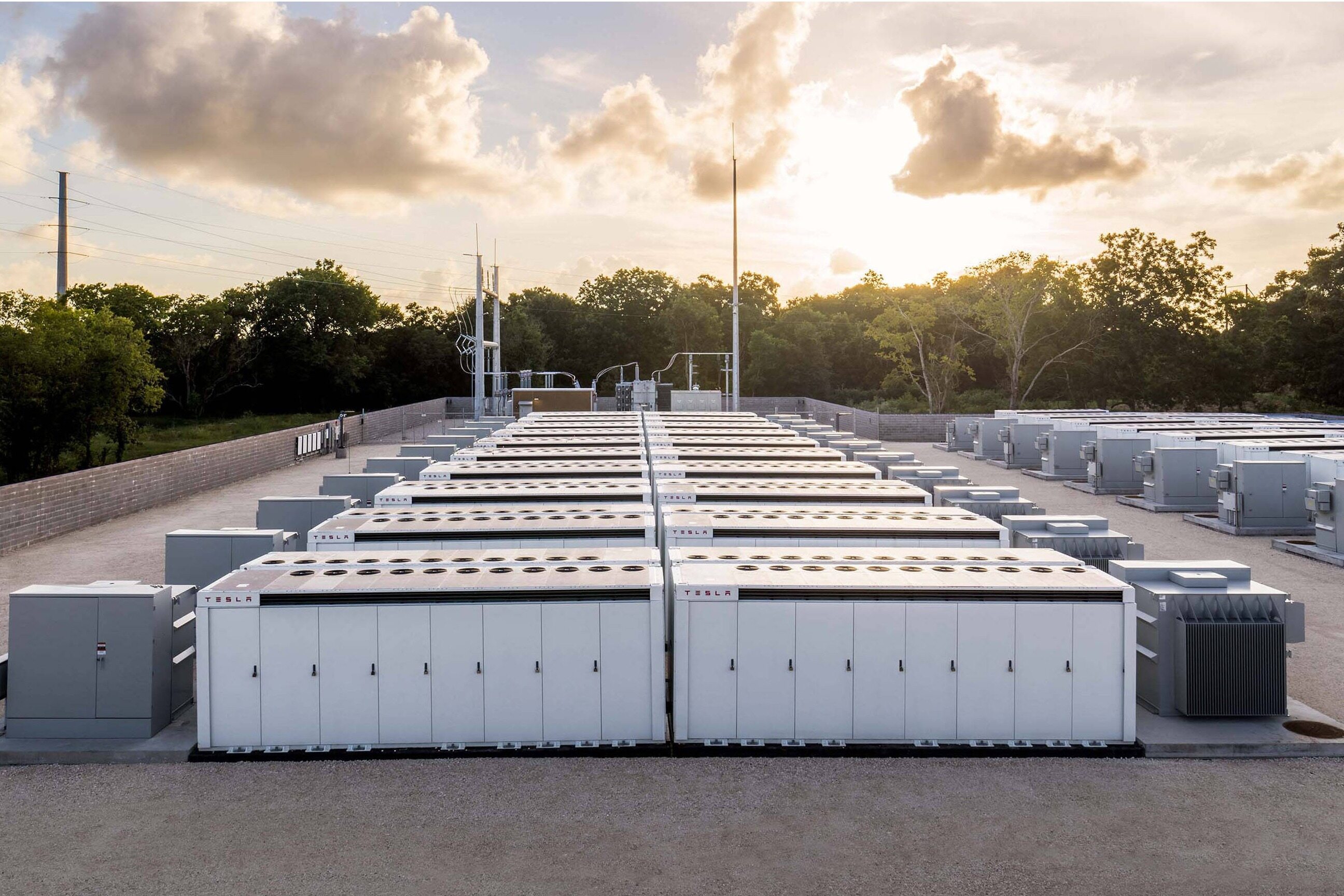
At the height of the power rationing crisis in South Africa, households and businesses competed to install photovoltaics and energy storage - over 90% of solar systems were equipped with batteries, a rare proportion globally. But as the power supply stabilizes, these expensive batteries remain idle for most of the day.
The cooperation between South African energy technology company Plentify and Chinese inverter and energy storage company DeYe is changing this situation: 160000 deployed DeYe residential batteries will be intelligently coordinated through Plentify's virtual power plant platform to form a centralized distributed energy resource with a total controllable capacity of approximately 2.7 gigawatt hours.
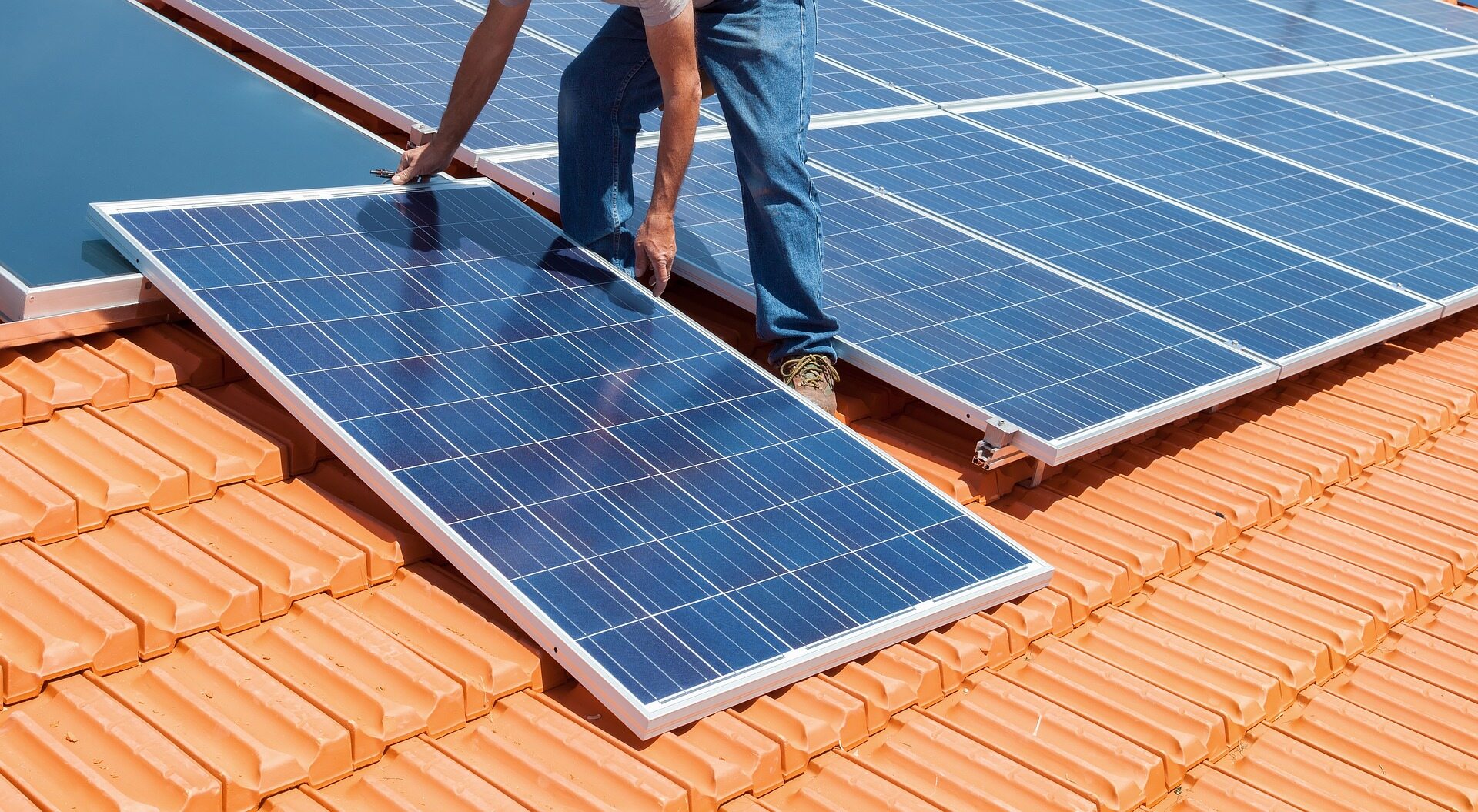
Distributed resources far beyond Eskom's energy storage plan
Plentify CEO Jon Kornik pointed out that over 90% of solar systems in South Africa are equipped with batteries, but they are currently mostly idle. The 2.7 gigawatt hours of energy storage capacity integrated in this collaboration is almost twice the current battery storage plan of South African national power company Eskom (1.4 gigawatt hours), which is a centralized infrastructure investment that has cost billions of rand and taken many years.
Colin Chang, Director of DeYe Cloud, stated that South Africa holds an irreplaceable core strategic position in DeYe's global layout. Over the past five years, DeYe has established one of the largest residential energy storage footprints in South Africa, creating scale conditions to support national level virtual power plants. Germany has deployed virtual power plant projects in mature energy markets such as Australia and France, and this time will introduce relevant experience to South Africa.
Home energy storage upgraded from backup power source to grid asset
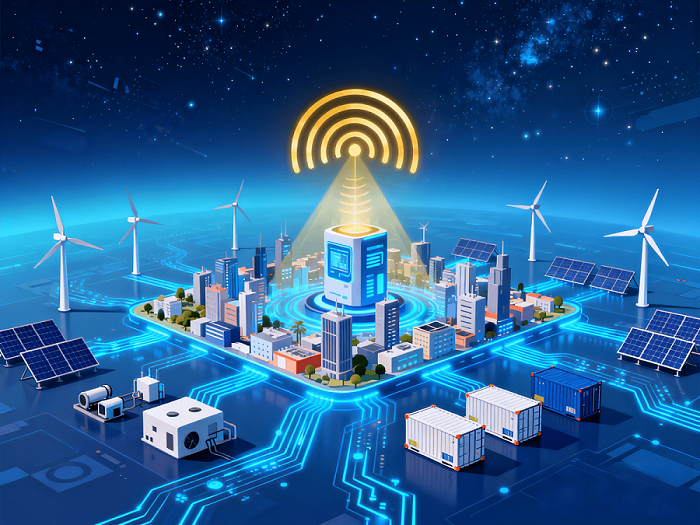
According to the information released by both parties, existing Deye Cloud users can register and participate independently through the Deye Cloud App. The entire program adopts a voluntary participation mode, and users can decide whether to access the platform on their own. Virtual power plants use digital platforms to centrally dispatch dispersed energy storage devices, participate in grid peak shaving, power balancing, and demand response. For household users, participating in virtual power plants is expected to bring additional economic returns. Keywords: new energy projects, battery production
Currently, South Africa is shifting from simply expanding power generation to making distributed energy more flexible and efficient. With the gradual activation of 2.7 gigawatt hours of household energy storage installed in Germany, South Africa is becoming a new testing ground for distributed energy management in Africa.Editor/Cheng Liting
Comment


 Praise
 Collect
 Comment

 Share
Share


Write something~