 Search


- This giant power bank will add 1GW of new energy consumption and reduce carbon emissions by 1.7 million tons annually
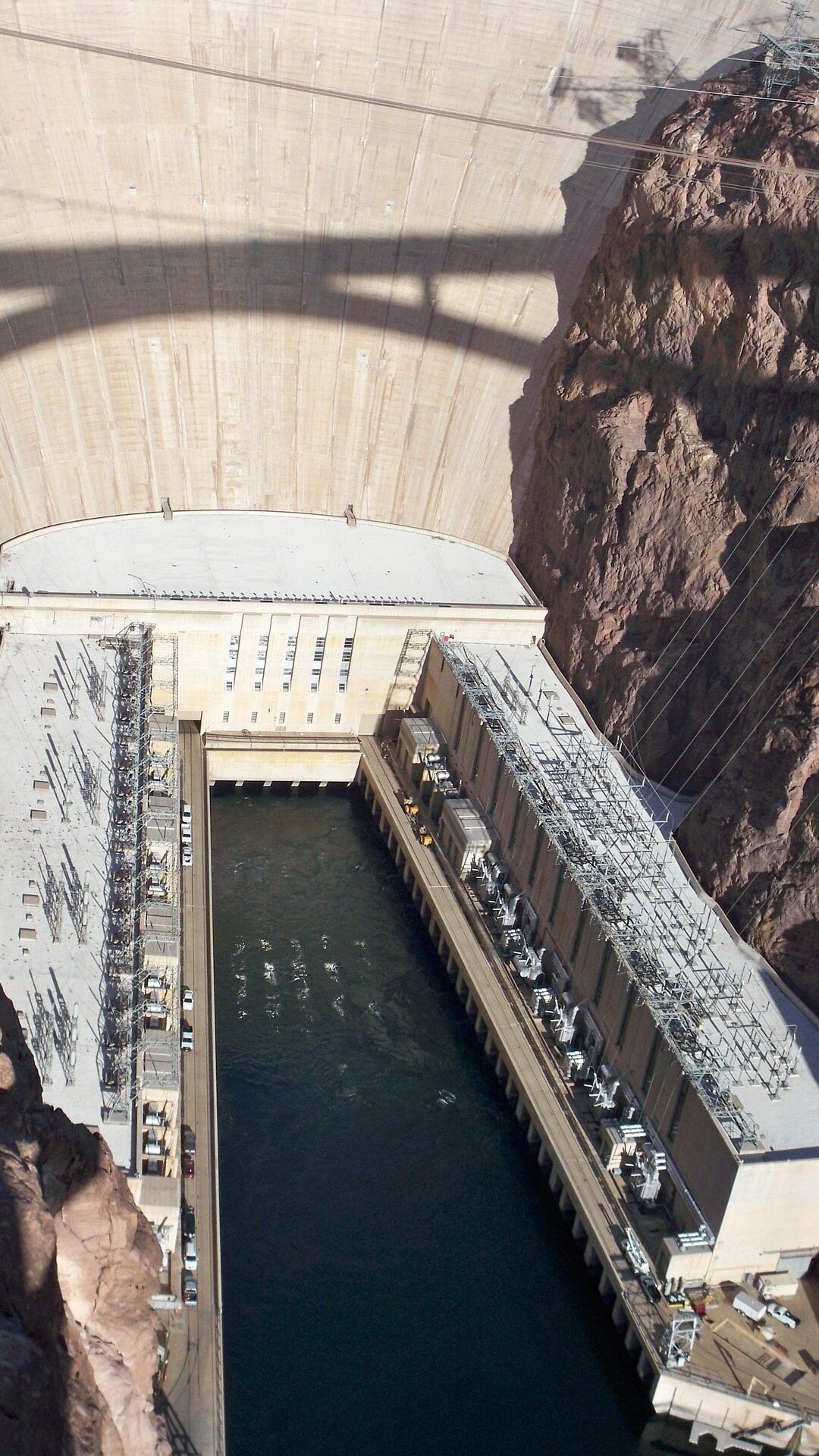
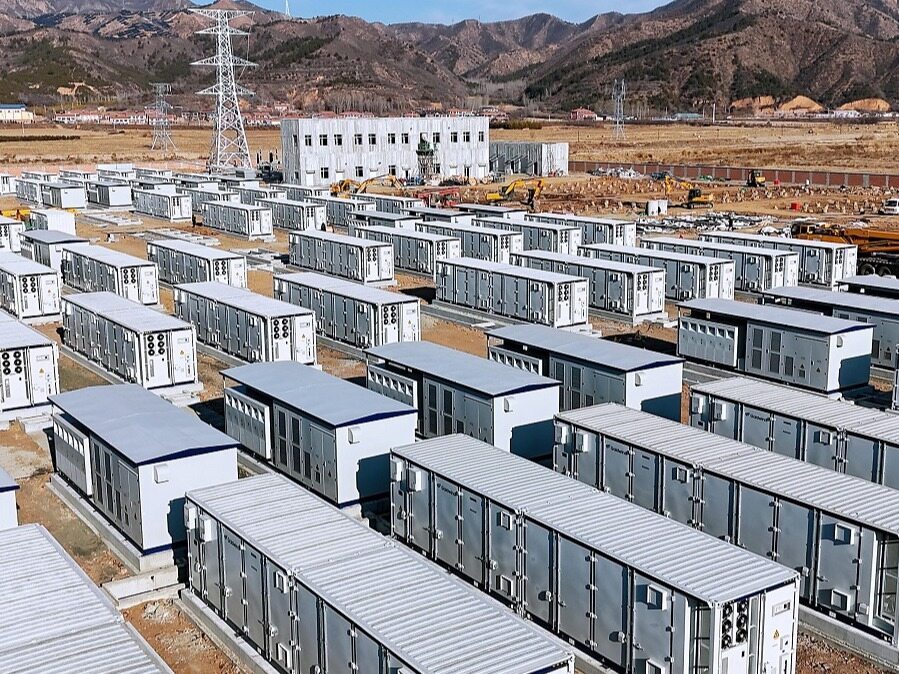
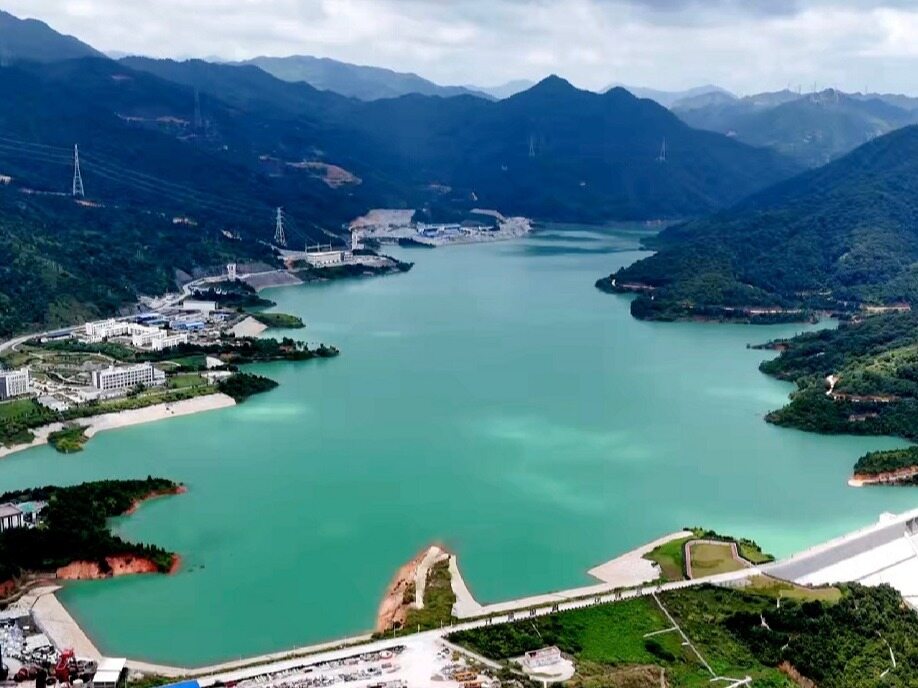
When the pumped storage power station in the Shefshavan Mountains starts operating, Morocco's power grid will receive a massive 300 MW power bank. The World Bank has officially approved a $265 million financing plan to fully support the construction of the Ifasa pumped storage project.
This project, located in the Shefshavan region of northern Morocco, is led by the Moroccan National Electricity and Drinking Water Authority and jointly financed by the African Development Bank. It is one of the fastest and most strategically significant pumped storage benchmark projects in Morocco in recent years.
Consume 1GW of new energy
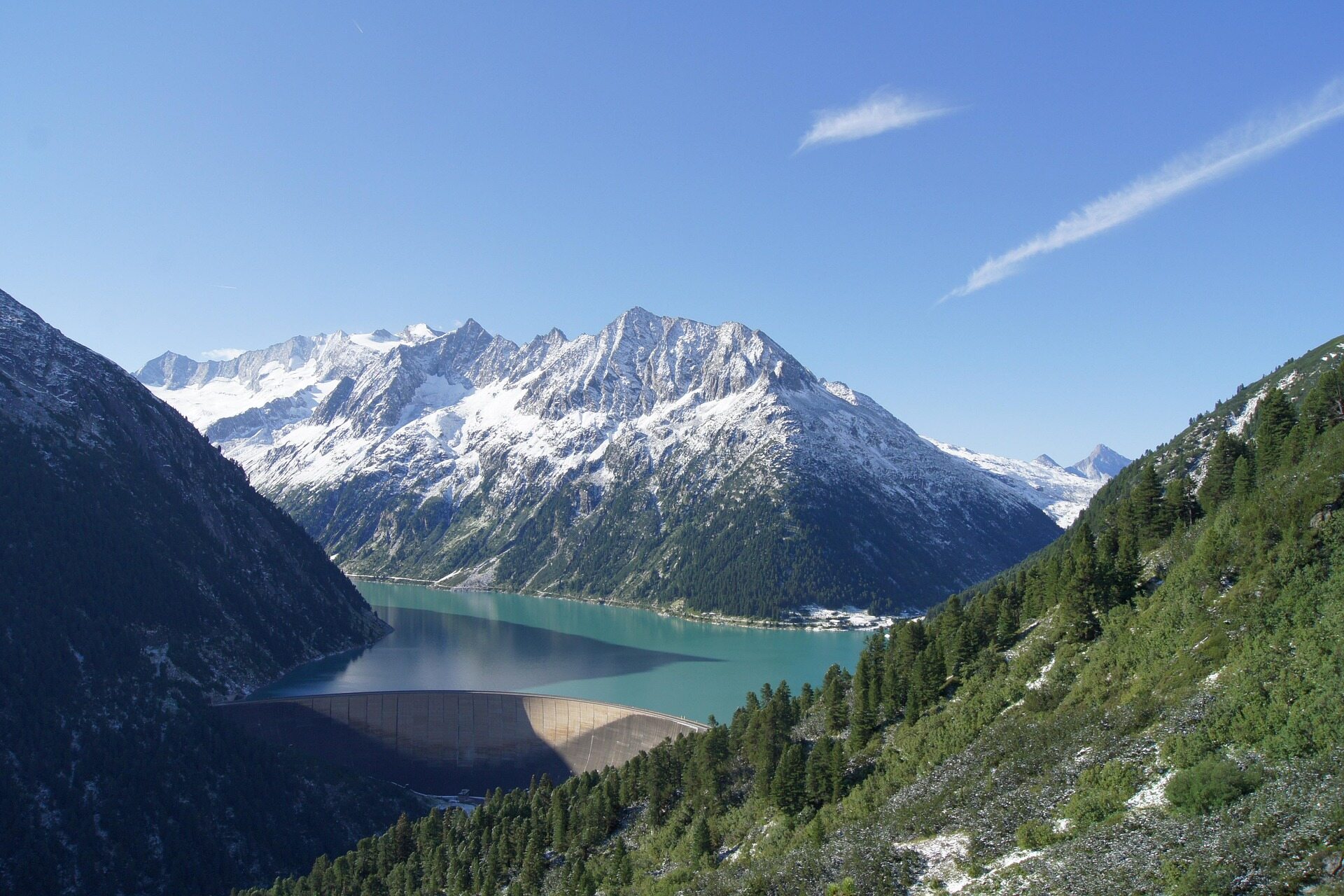
As the core peak shaving and energy storage facility of the power grid, the greatest value of the Ifasa project is to safeguard the large-scale integration of new energy into the grid in Morocco. The project is equipped with two 150 MW reversible water pump turbine units, with a total energy storage capacity of 1500 megawatt hours, connected to a 400 kV transmission network.
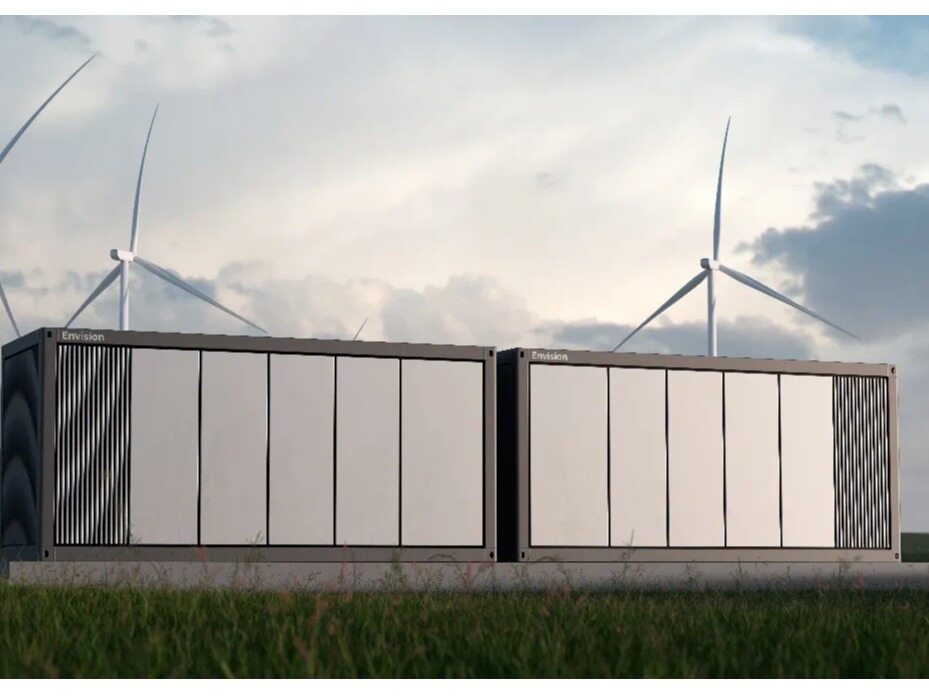
With the flexible regulation capability of this pumped storage power station, the Moroccan power grid can add at least 1GW of photovoltaic and wind power installed capacity - equivalent to the integration scale of 400MW of solar energy and 600MW of wind power, reducing renewable energy waste by about 340 GWh per year. The implementation of the project will also leverage social capital and is expected to drive about $1 billion in private investment into Morocco's clean energy sector.
Create 820 job opportunities during the construction period
In terms of green emission reduction benefits, this project has outstanding advantages. After completion and operation, it can replace 3 terawatt hours of fossil fuel power generation annually, directly reducing 1.7 million tons of carbon dioxide emissions. Meanwhile, during the construction period, 820 direct employment opportunities can be created annually.

Morocco's installed capacity of renewable energy is expected to reach approximately 5.5 gigawatts by 2025, and the peak electricity demand is projected to reach 11.3 gigawatts by 2030. The Ifasa project is an important part of ONEE's energy storage strategy - ONEE has put into operation a 350 MW Abdulmouman power station in 2024 and is developing a 362 MW Ermenzele power station, with the goal of adding 1 GW of pumped storage energy by 2030. Keywords: energy storage news, pumped storage
This financing adopts a diversified funding combination model, covering loans from the International Bank for Reconstruction and Development, preferential loans from the Clean Technology Fund, and grants from the Livable Planet Fund. As Morocco transitions from a fossil fuel importing country (accounting for approximately 87% of its energy demand) to a green power hub, Ifasa is installing critical safety valves for this energy revolution.Editor/Cheng Liting
Comment

 Praise
 Collect
 Comment

 Share
Share


Write something~