 Search


- Technological iteration accelerates, promoting efficient implementation of computing infrastructure
- The rapid growth of the AI industry is driving a wave of computing power construction in the Asia Pacific region
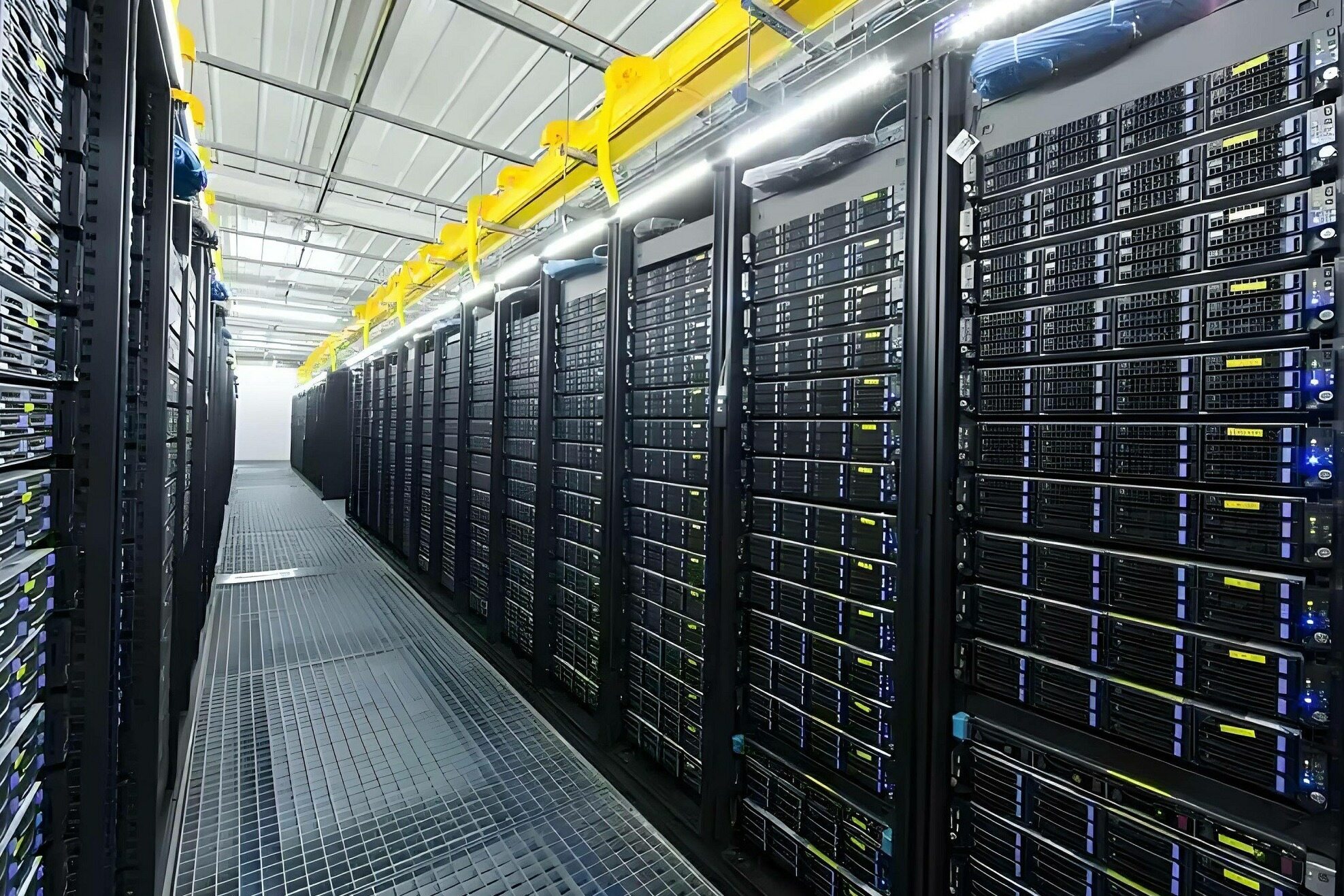
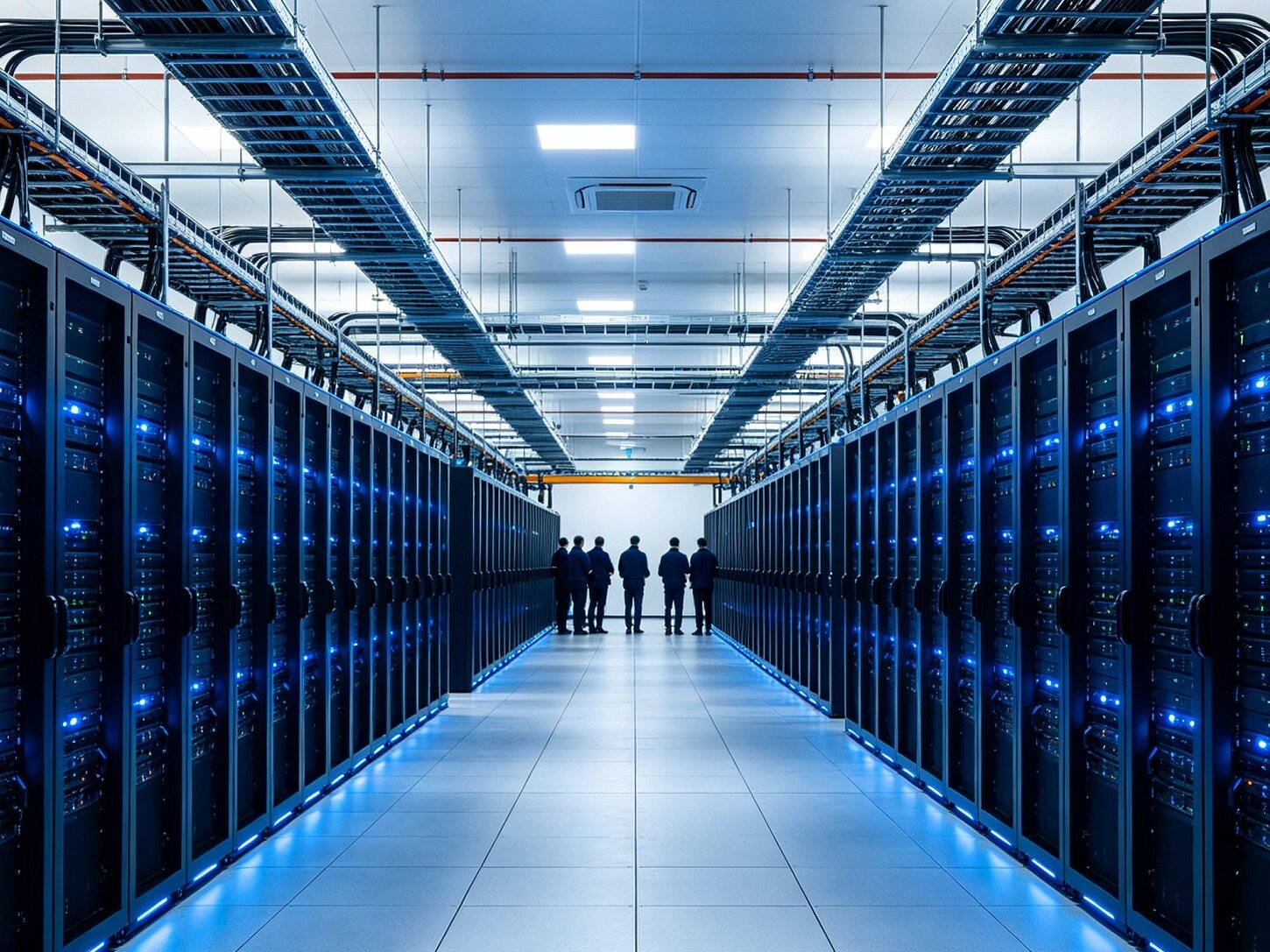
As the map of the Asia Pacific digital economy is re measured by AI computing power, a silent infrastructure migration is unfolding. The torrent of capital and technology has crossed the traditional hub and reached the power rich hinterland of Southeast Asia. From Johor to Bangkok, modular cabinets are rising from the ground, and a brand new computing power growth belt is accelerating along the equator.
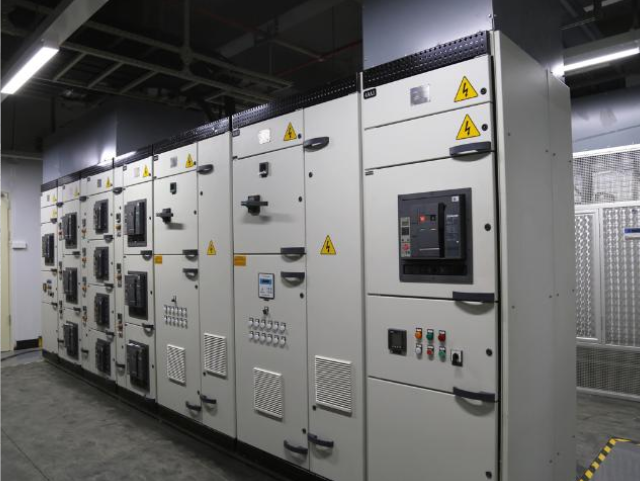
Cushman&Wakefield's Report on the Update of Asia Pacific Data Centers in the First Half of 2026 shows that, driven by the investment in cloud services and AI platforms, the total amount of data centers under construction and planning in the first half of 2026 in the Asia Pacific region reached 26.5 GW, a record high. The current location selection of data centers places more emphasis on power supply, infrastructure support, and regulatory stability. Developers are gradually expanding their layout from traditional hubs to emerging areas with sufficient power.
In the first half of 2026, the Asia Pacific data center will add 7.1 gigawatts of development capacity, including 4.8 gigawatts under construction and 21.7 gigawatts of planned capacity; Newly delivered 1.4 gigawatts. The vacancy rate of custody has dropped to 10.3%, and the market's absorption capacity remains stable. Andrew Green of Cushman&Wakefield said that Asia Pacific AI and cloud investment have entered the high-speed landing period, and power infrastructure has become the core bottleneck. The industry layout has shifted from traditional network hubs to regions with abundant electricity, forming a new growth zone for computing power. Keywords: Asia Pacific, Data Center, Southeast Asia
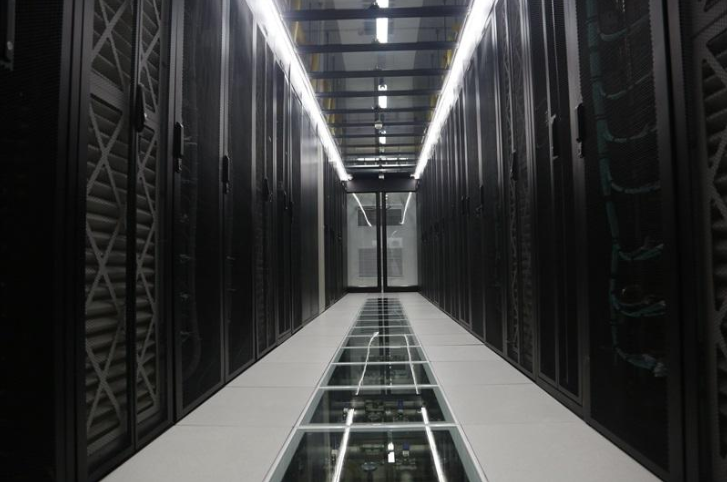
Pritesh Swamy of Cushman&Wakefield pointed out that the standard of computing infrastructure has been improved and the industry has accelerated iteration. Modular construction and new cooling technologies effectively shorten the construction period, improve resource utilization efficiency, and make delivery speed a key competitive factor. Southeast Asia contributes nearly half of the under construction capacity in the Asia Pacific region, with Malaysia leading with 1 gigawatt and Thailand closely following with 859 megawatts. Johor and Bangkok have shown outstanding growth rates, with under construction capacity surging by 91% and 148% respectively. This report covers mainstream core cities and secondary markets in the Asia Pacific region, including Tokyo, Singapore, Sydney, Jakarta, Ho Chi Minh City, and other areas. Multiple key markets have shown impressive growth, with Sydney's total capacity increasing by 65%, Mumbai and Jakarta growing by 31% and 56% respectively, and the Asia Pacific computing power expansion trend being significant.Editor/Gong Ziwei
Comment





 Praise
 Collect
 Comment

 Share
Share


Write something~