 Search


- Zambia partners to launch 220MW photovoltaic project
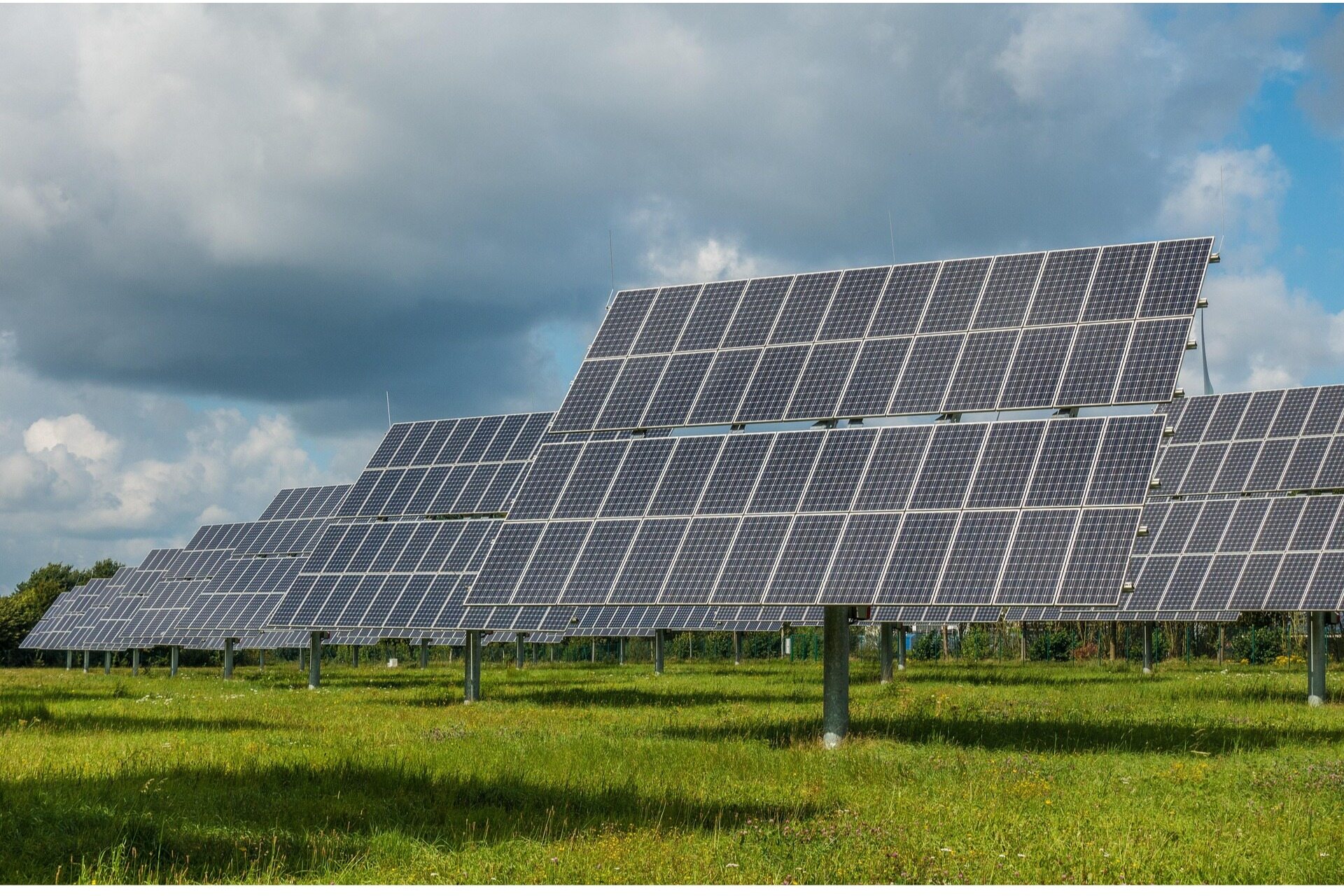
On a dry season afternoon in Lusaka in 2026, the sun scorching the mines in Copperbelt Province. As the miners finished their shift and walked out of the derrick, a brand new cooperation agreement officially landed in the capital. This memorandum signed by three parties will convert abundant sunlight into stable electricity, opening a new green window for Zambia's mining industry, which has long been plagued by power outages.
220MW photovoltaic anchored mining power integration layout
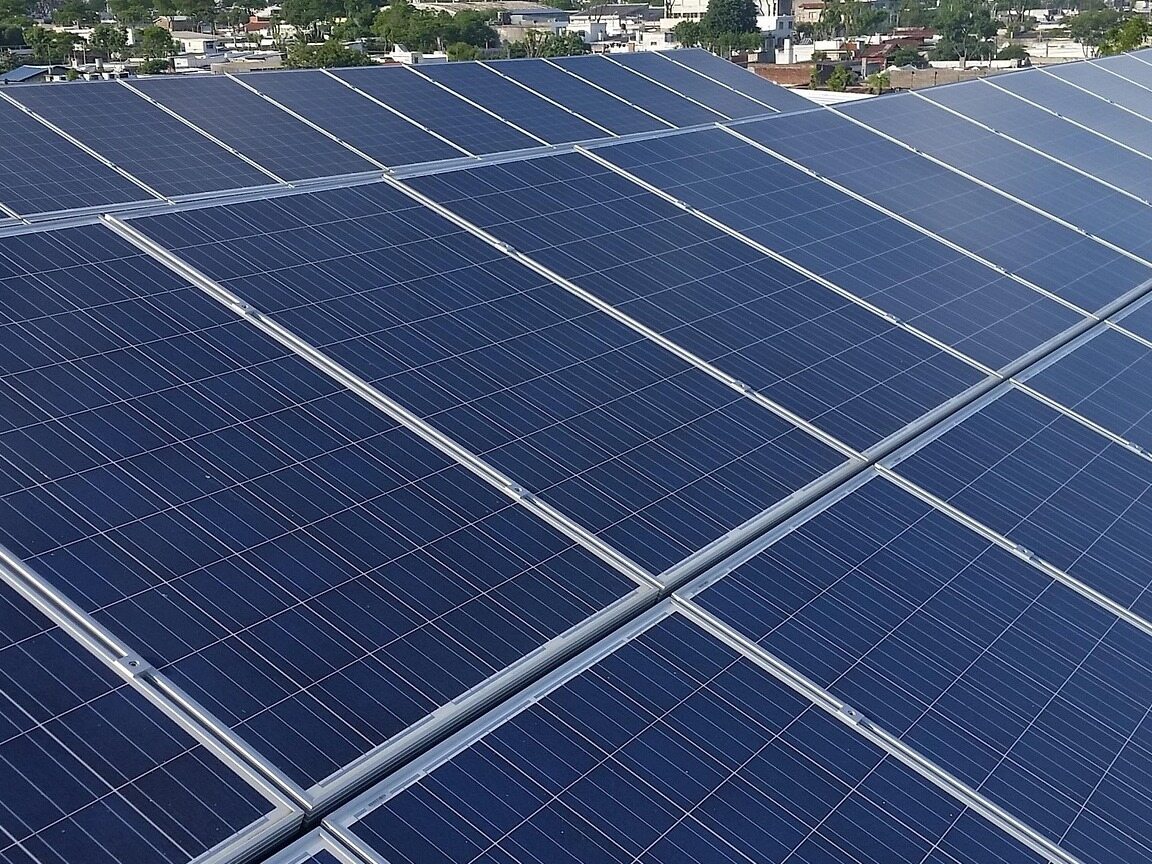
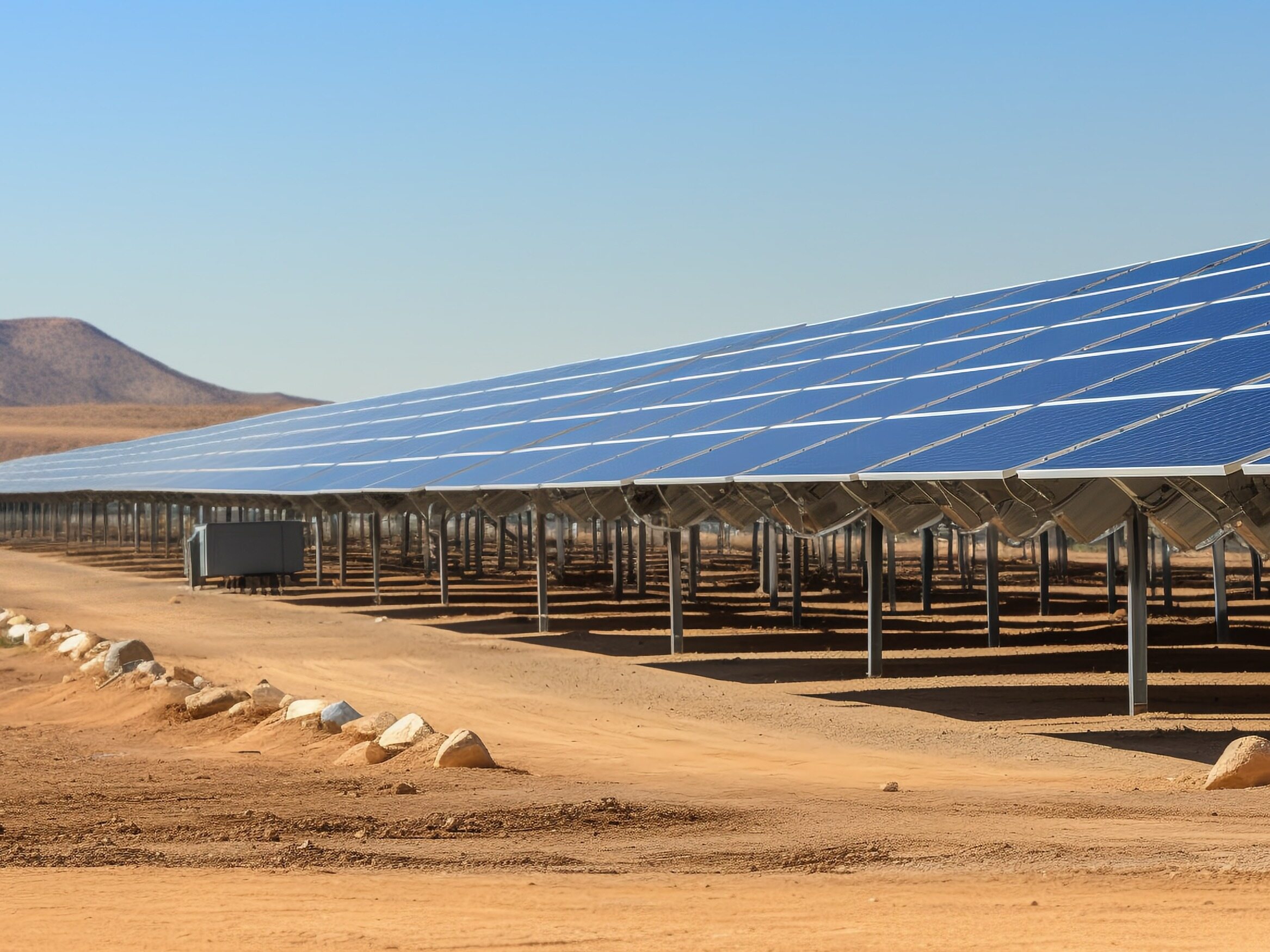
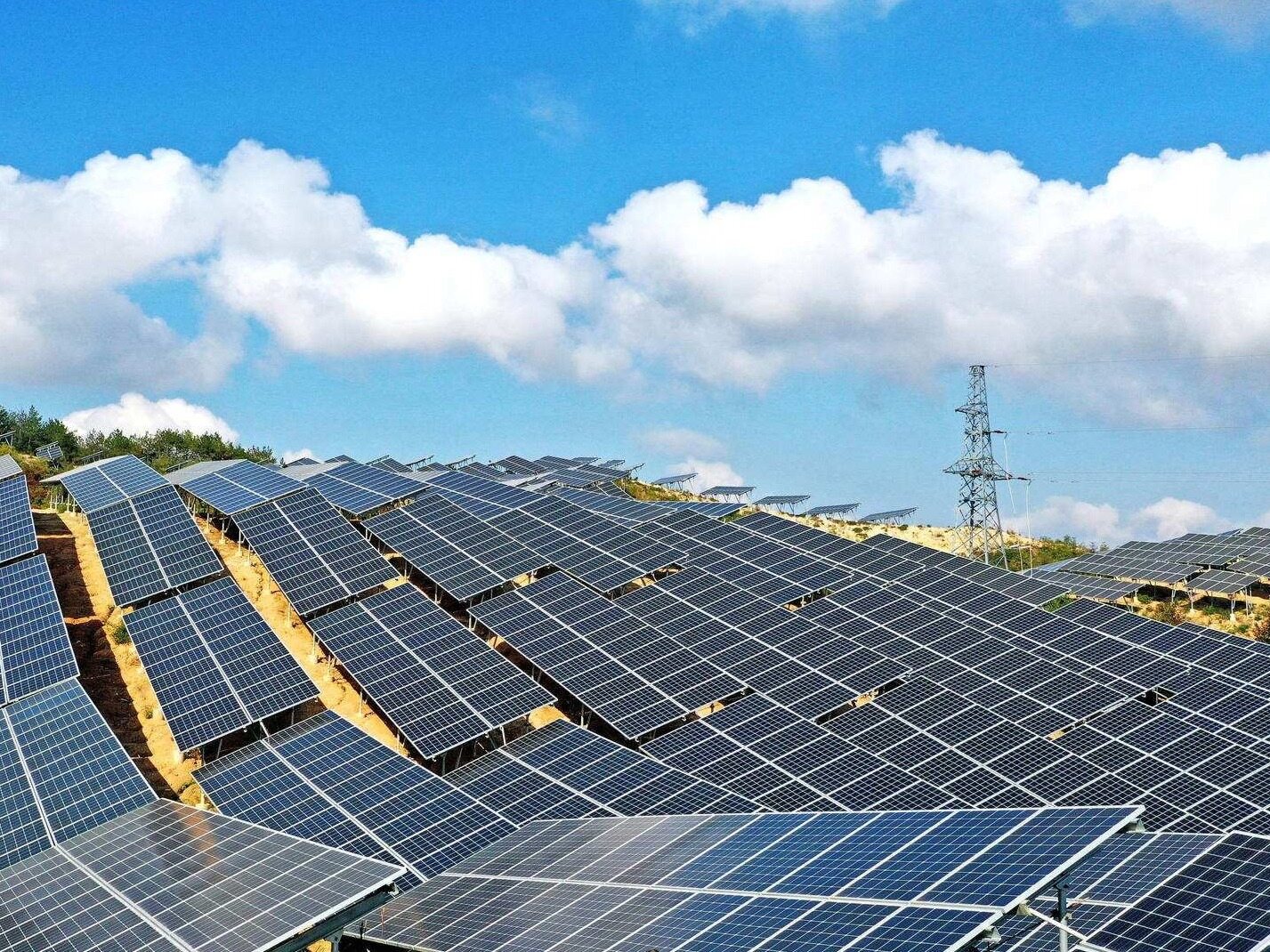
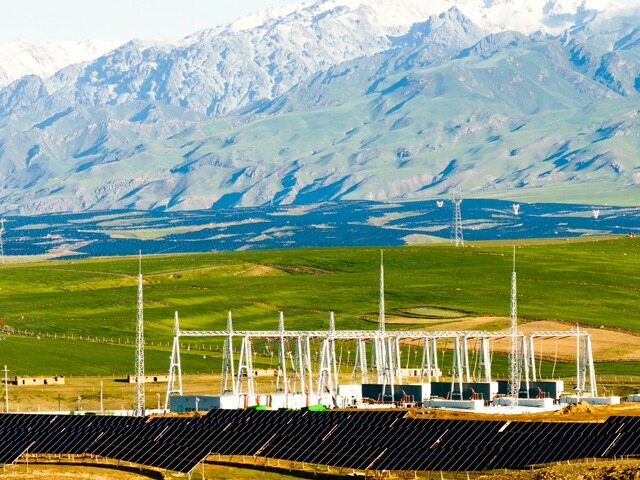
The public utility scale photovoltaic project jointly developed by Zambia has a total installed capacity of 220MW and is divided into two sub projects. The 100MW power station is located near Lusaka, while the 120MW power station is rooted in the core mining area of Copperbelt Province. The project adopts mature photovoltaic technology and prioritizes the connection of electricity to the mining area's power grid, providing affordable and stable green electricity directly for high energy consuming processes such as mining, beneficiation, and smelting.
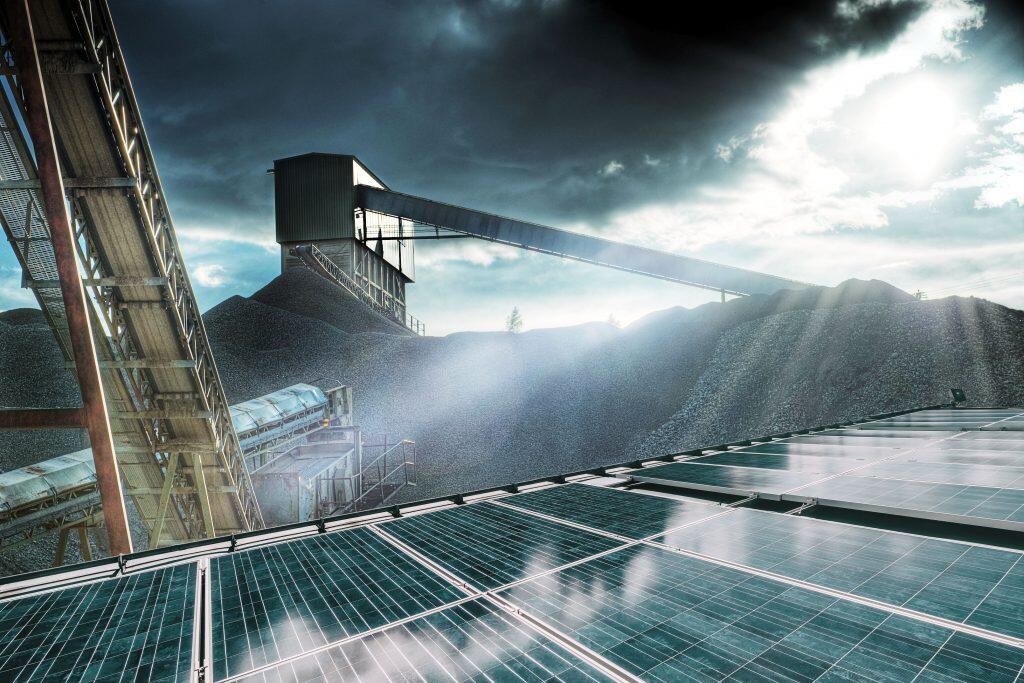
This layout model of electricity following the mine deeply embeds renewable energy into the mining ecological chain, fundamentally solving the long-term power supply vulnerability of mining areas that rely on external hydropower. By 2026, the national electricity gap in Zambia has risen to 380MW, and frequent power restrictions have resulted in an average annual loss of over 12% in mining capacity. The implementation of this project will directly fill this rigid electricity gap.
Three party collaboration strengthens the foundation of local shared development
The clear division of labor among the three parties in the project supports each other. SunCore Solar, as the technology leader, is responsible for the design, development, and financing implementation of the entire project process. Monasa Advisory&Associates leverages its experience in the infrastructure sector in Southern Africa to establish a transaction framework and attract international capital. The miners' union MUZ leverages the mining area network to connect with communities and miners' demands, incorporating employment skills training and social welfare into the project's full cycle framework.
85% of Zambia's electricity comes from hydropower. In recent years, the continuous drought has caused the water level of Lake Kariba to repeatedly hit historical lows. Mining, as a pillar industry that contributes 70% of foreign exchange income and nearly 20% of GDP, has long been constrained by power shortages. After the project is put into operation, it can reduce hundreds of thousands of tons of carbon dioxide emissions annually, create over a thousand local jobs during the construction period, and continue to drive the development of the surrounding service industry during the operation period. Keywords: new energy projects, photovoltaics
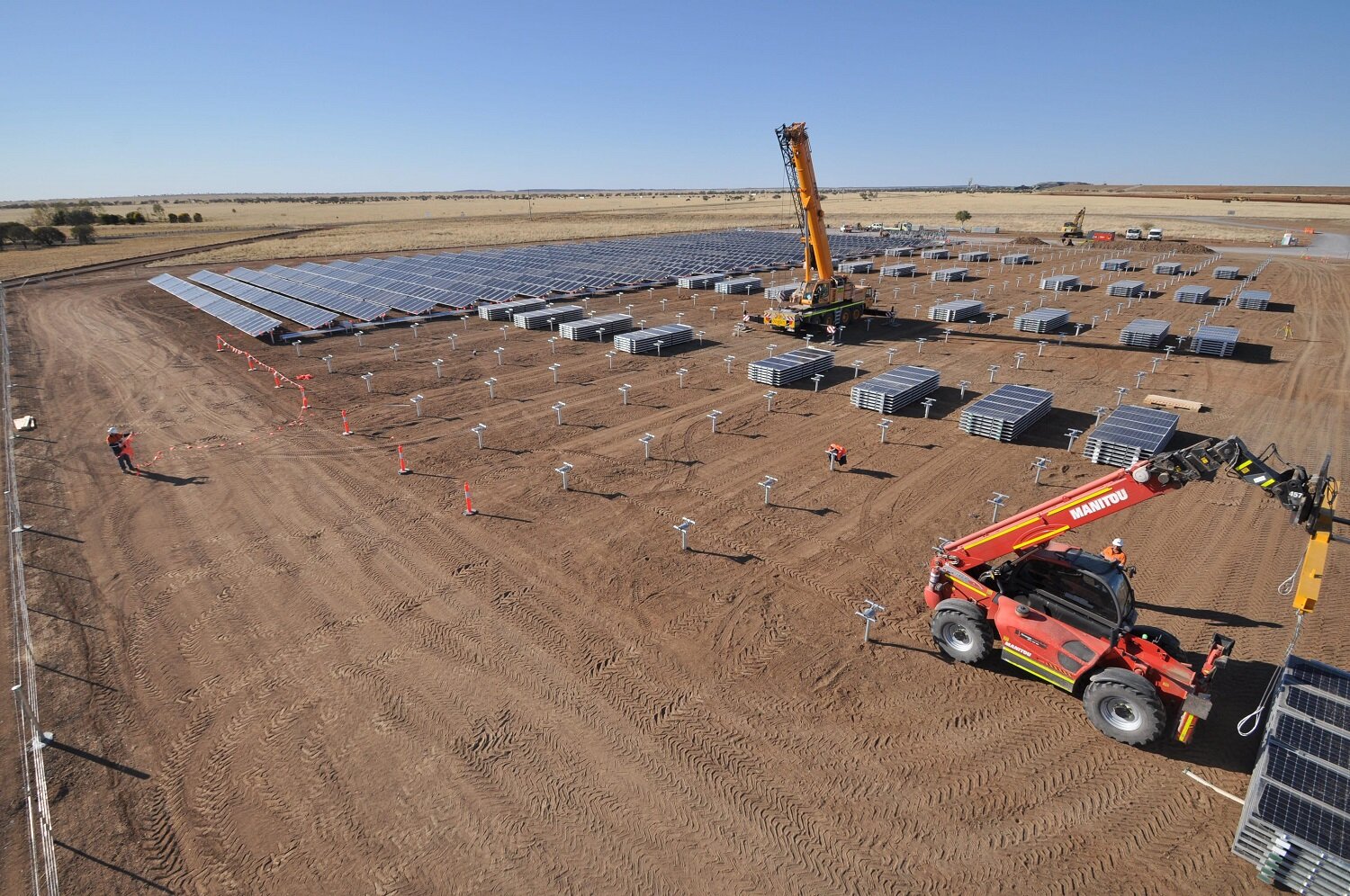
At present, the three parties have initiated site selection detailed survey, power grid access assessment, and environmental and social impact research. It is expected to complete the feasibility report within the year and officially start construction in 2027. The first grid connected unit is expected to be put into operation in 2028. When photovoltaic panels are laid out at the edge of the mine, clean sunlight will inject new vitality into Zambia's mining industry, and provide a replicable model for green industrialization for other resource rich but electricity scarce African countries.Editor/Cheng Liting
Comment

 Praise
 Collect
 Comment

 Share
Share


Write something~