 Search


- The acceleration of new energy in Eastern Europe highlights the effectiveness of cross-border photovoltaic layout
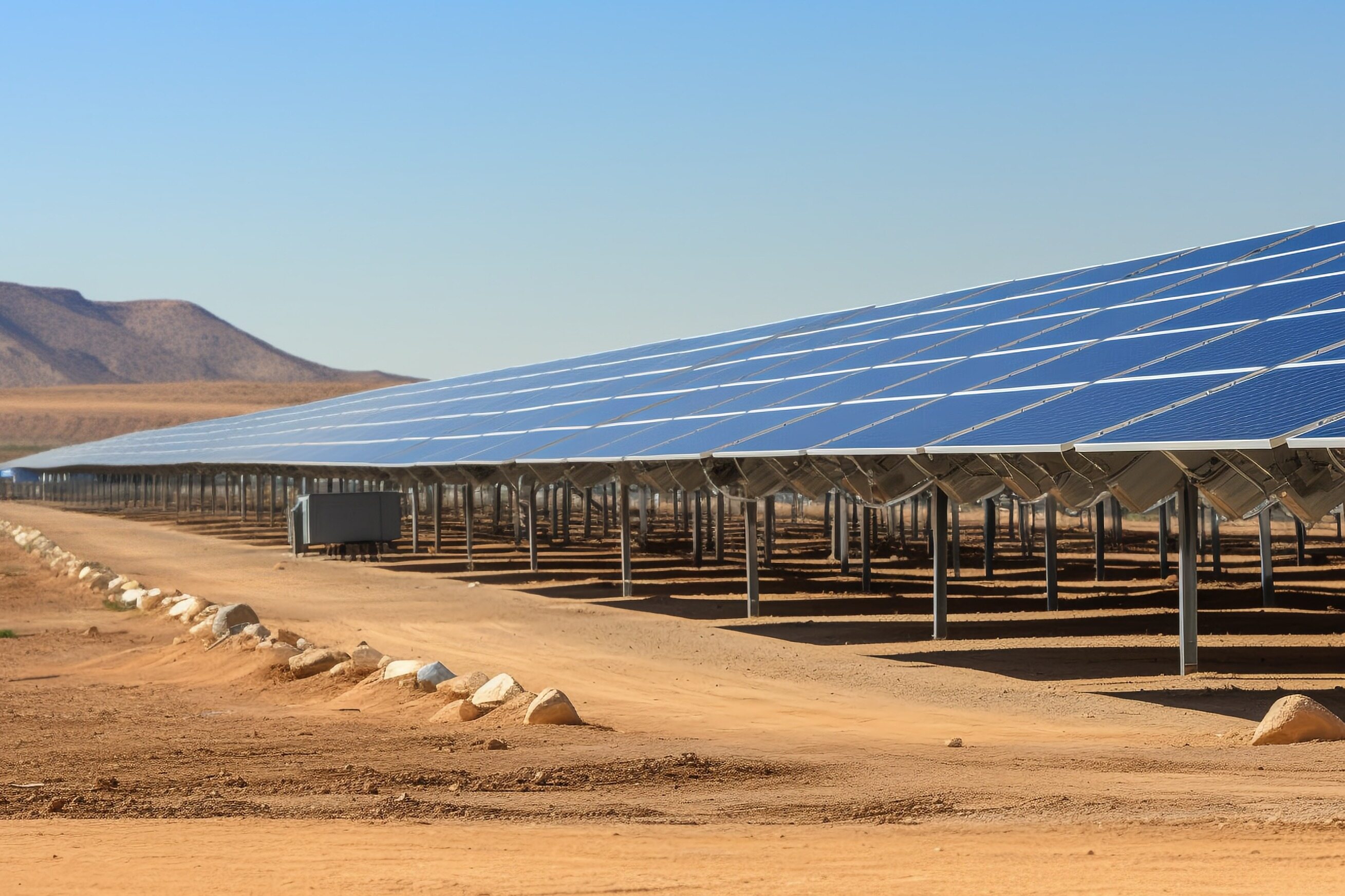
The new energy market in Eastern Europe continues to heat up, and Romania, with its superior location and policy advantages, continues to attract international energy giants to establish themselves. Israel's Nofar Energy's two major photovoltaic projects have been connected to the grid, forming a large-scale clean power production capacity. Combined with energy storage planning and large-scale financing, they continue to activate the vitality of regional green energy development.
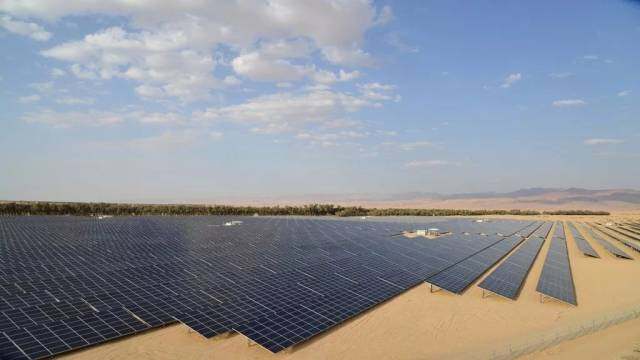
Photovoltaic cluster formation
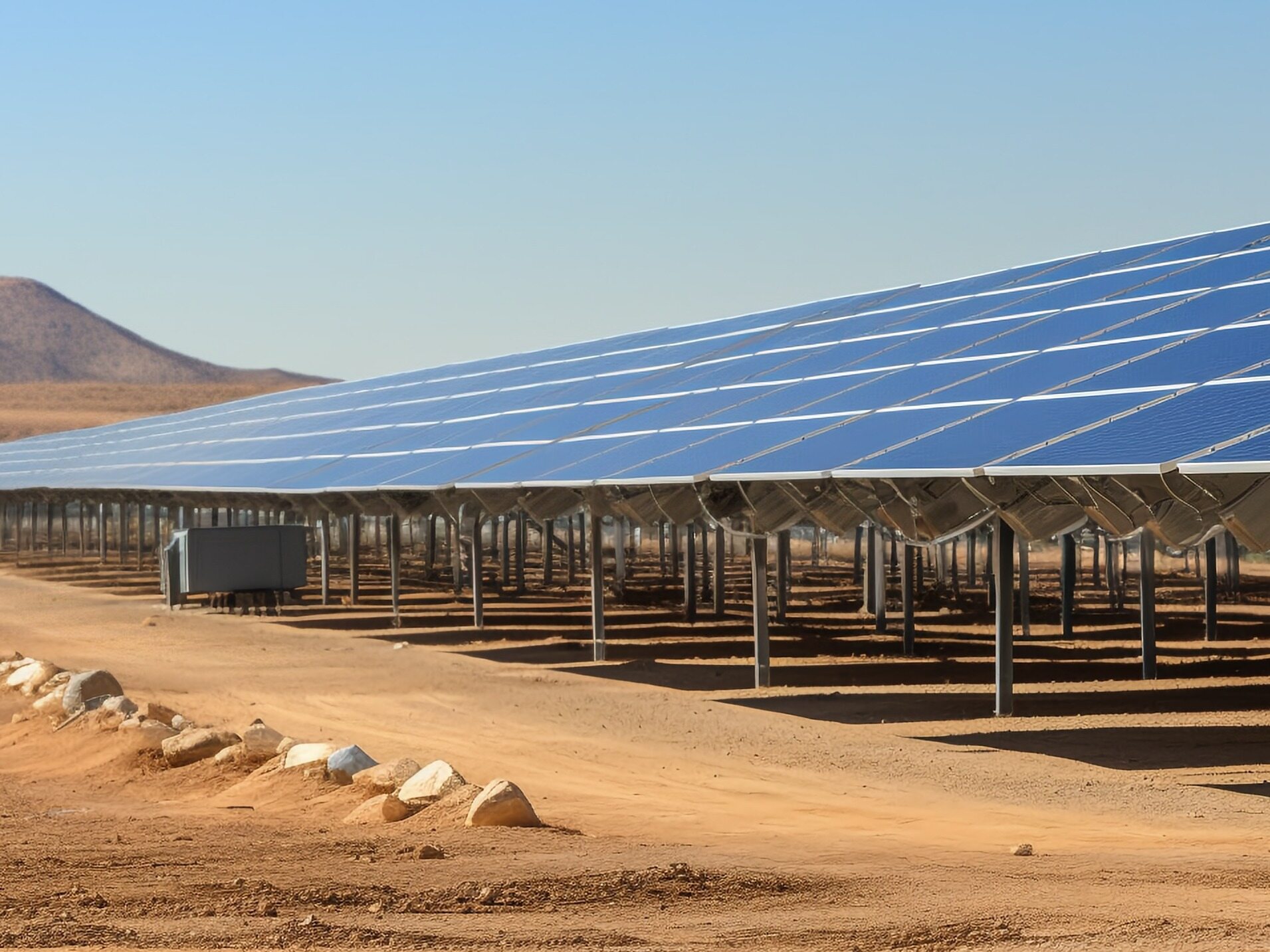
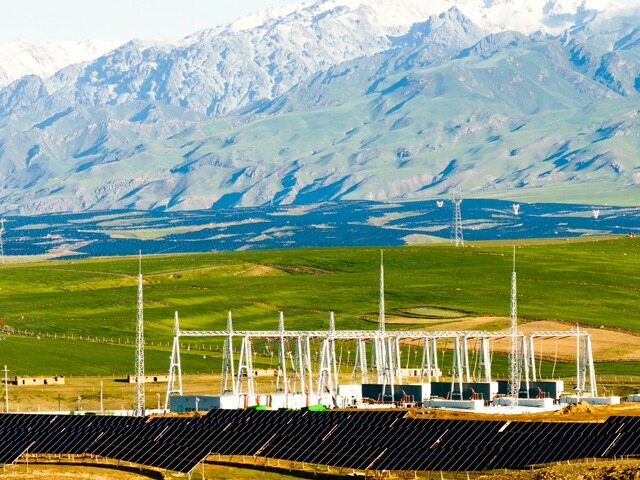
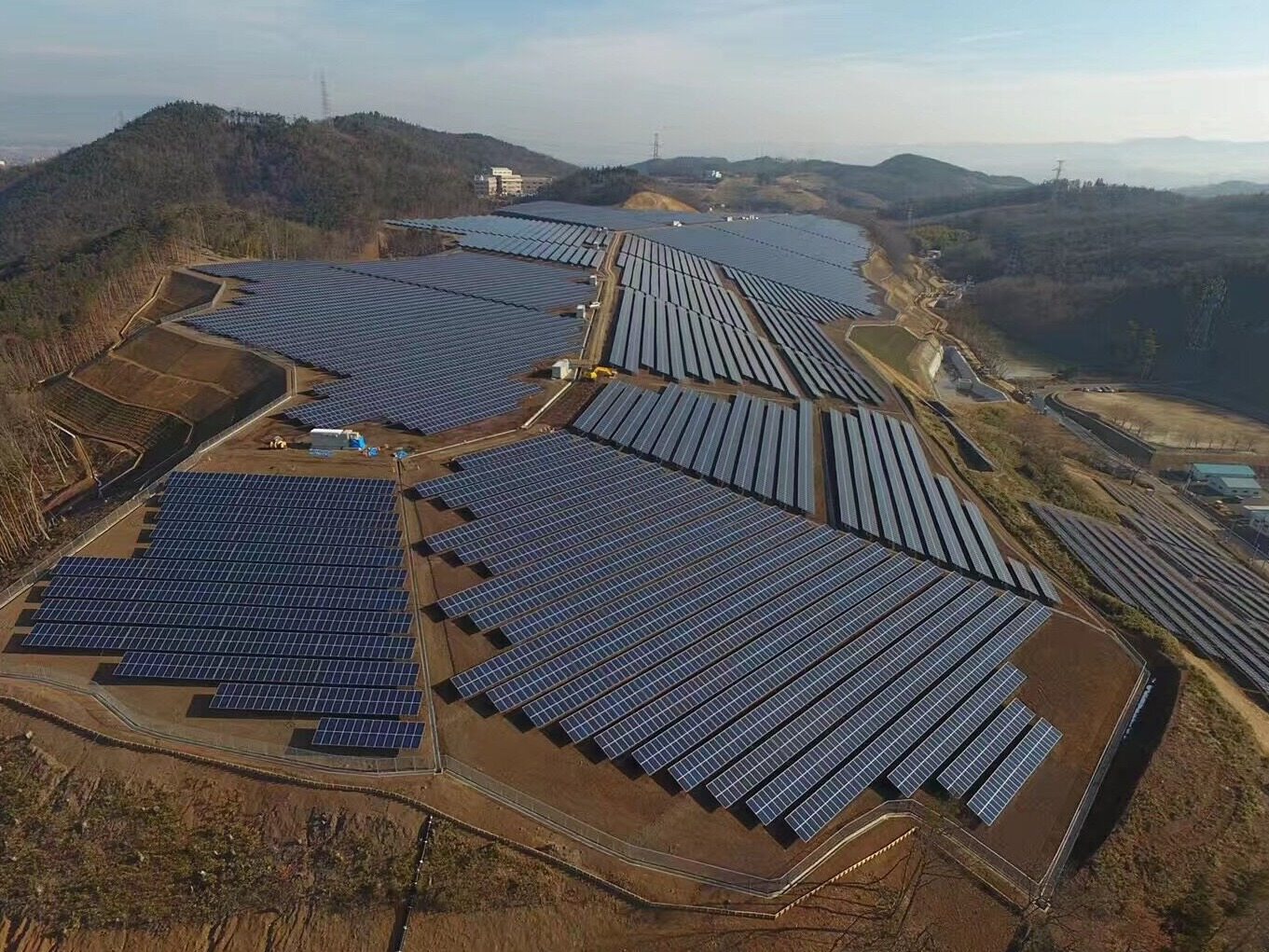
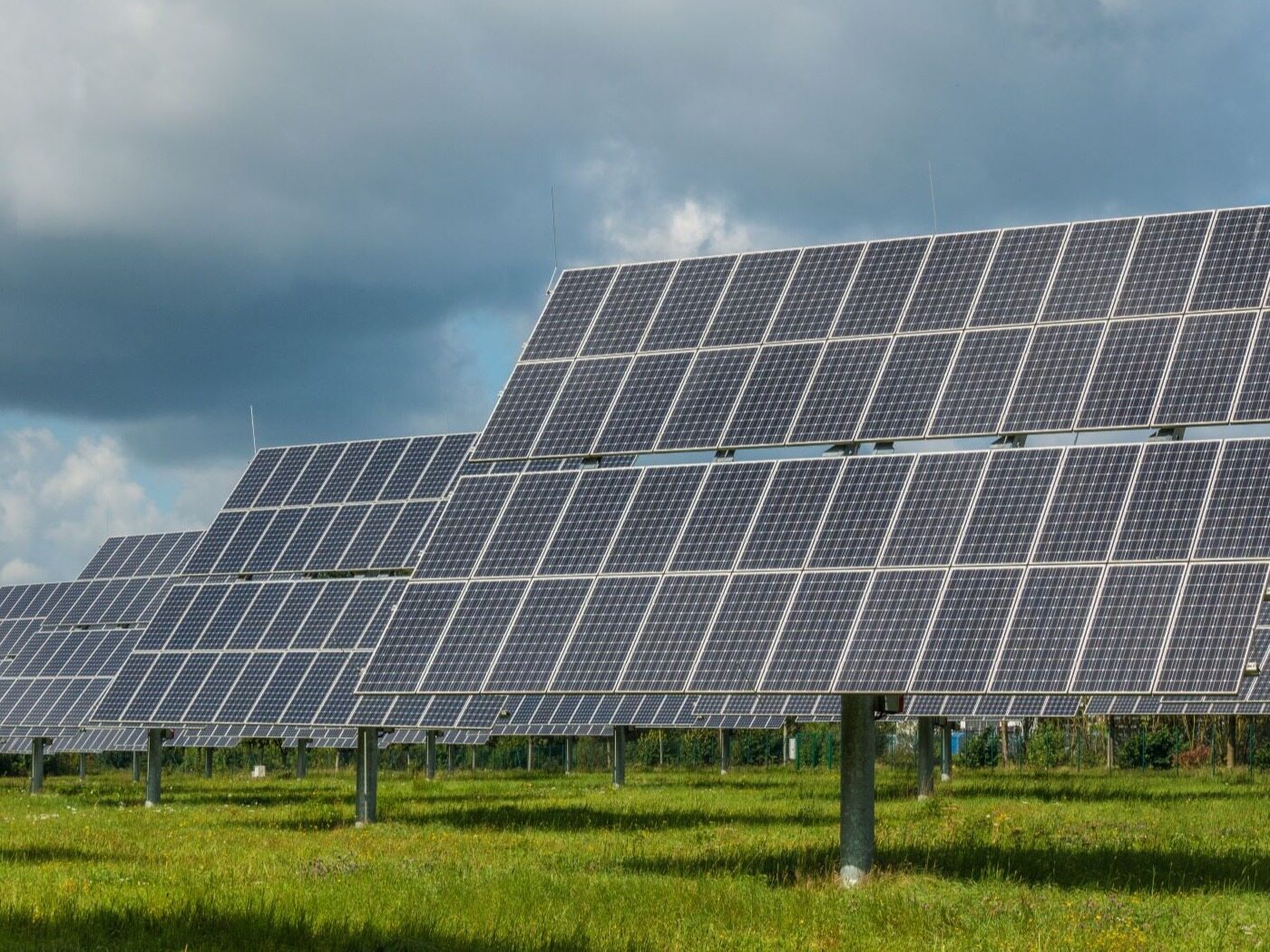
On August 3, 2026, the Ghimpa ț i photovoltaic power station under Nofar Energy in Israel was officially connected to the grid for power transmission, with a peak capacity of 146 megawatts. In June of the same year, the 169 MW Iepure ș ti photovoltaic power station in the same region had been put into operation. The two power stations formed a photovoltaic cluster with a total capacity of 315 MW, becoming an important clean energy support in southeastern Romania. The enterprise is promoting the integration of large-scale battery energy storage systems, while reserving 849 MW photovoltaic projects in Romania, with a planned energy storage capacity of 2.27 GWh, and continuously improving the layout of integrated photovoltaic energy storage.
Financing project integration
In addition to the grid connected projects, Nofar Energy is promoting the 282 MW Corbii Mari photovoltaic project in Dengbovica County, which is a large-scale photovoltaic power station under construction in Romania. It is expected to be connected to the grid within the year, with an annual power generation of 362 million kWh, capable of meeting the electricity needs of 160000 households. The company has secured a financing of 192 million euros for multiple photovoltaic projects, with the European Bank for Reconstruction and Development providing a loan of 64 million euros, and the remaining funds raised by commercial institutions. Relying on a mature project operation model, the company has previously built the largest photovoltaic power station in Serbia and deeply cultivated the new energy market in Eastern Europe.
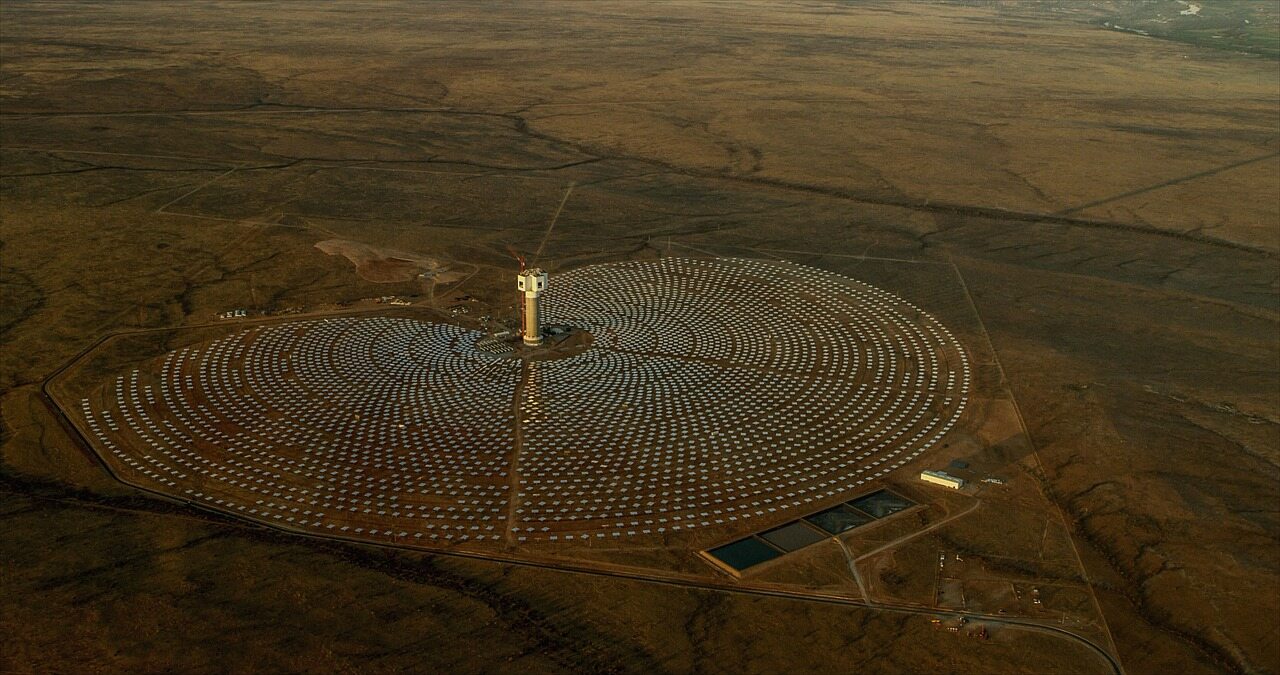
The implementation of a series of projects marks the accelerated influx of international capital into the new energy sector in Eastern Europe. Photovoltaic and energy storage have become the mainstream models for local new energy projects, continuing to support the green transformation of Romania and Southeast European power grids.Editor/Min Jing
Comment

 Praise
 Collect
 Comment

 Share
Share


Write something~