 Search


- Vietnam's railway budget has been significantly increased, bringing new changes to cross-border channel construction
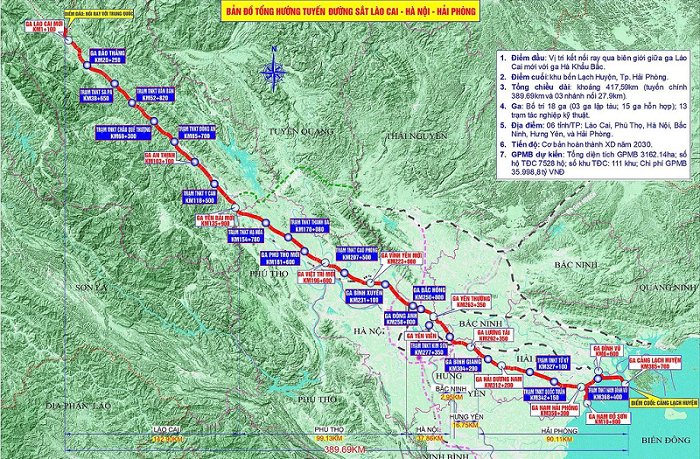
There have been new changes in the promotion of key railway projects for cross-border cooperation between China and Vietnam. The Vietnamese Ministry of Construction has submitted a draft resolution to the National Assembly, planning to increase the total budget of the Lao Cai Hanoi Hai Phong railway, and change some sections from phased double track to one-time double track construction. The plan involves multiple changes to the route, stations, and branch lines, and the funding gap and construction period of the project have also attracted attention from the Congress. This cross-border railway is related to the efficiency of land logistics connectivity between the two countries.
Increase in investment scale
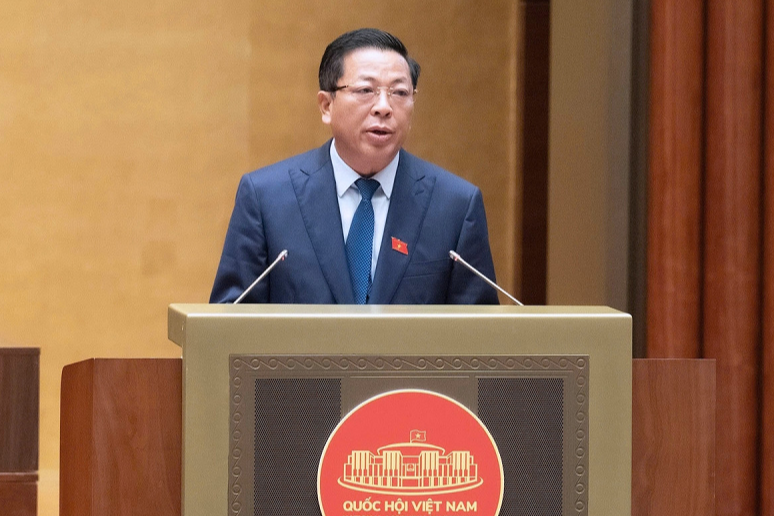
Vietnam's Minister of Construction, Chen Hongming, submitted a draft to raise the project budget from 8.37 billion US dollars to 11 billion US dollars, with an additional investment of about 3.3 billion US dollars, an increase of 42.4%. The capital increase comes from the exchange rate of project quantity and cost for the route direction, as well as various planning updates. The Beihong Nanhai defense section will be converted into a one-time double track construction, and an additional 8.4 kilometers of Yanyuan Jialin section will be added simultaneously to optimize the station layout. Compared to later expansion and renovation, the one-time construction of a dual line is expected to save 12.5 trillion Vietnamese dong. The Vietnamese side mentioned that the project will seek loan support from the Chinese government.
Reshaping the route plan
After adjustment, the length of the main line has been shortened from 389 kilometers to 362.9 kilometers, and the length of the branch line has been increased from 27.9 kilometers to 62.9 kilometers. The line passes through six provinces and cities including Laojie, Fushou, Hanoi, Beining, Xing'an, and Haiphong. The northbound passenger transportation hub has been adjusted to Jialin Station, with two new branch lines connecting to the existing road network. The Nanhai Fangraqu section has been downgraded to a branch line. The old street Beihong section still has new single track reserved capacity expansion conditions. The main line will be electrified, and the port branch line will initially use diesel locomotives. It is planned to switch to clean energy around 2045. Keywords: Southeast Asian infrastructure, China Vietnam cross-border railway
The project is facing challenges
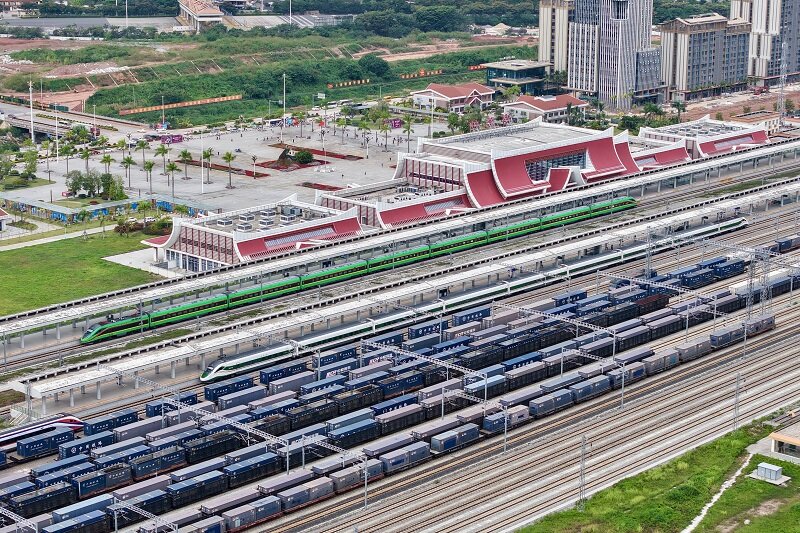
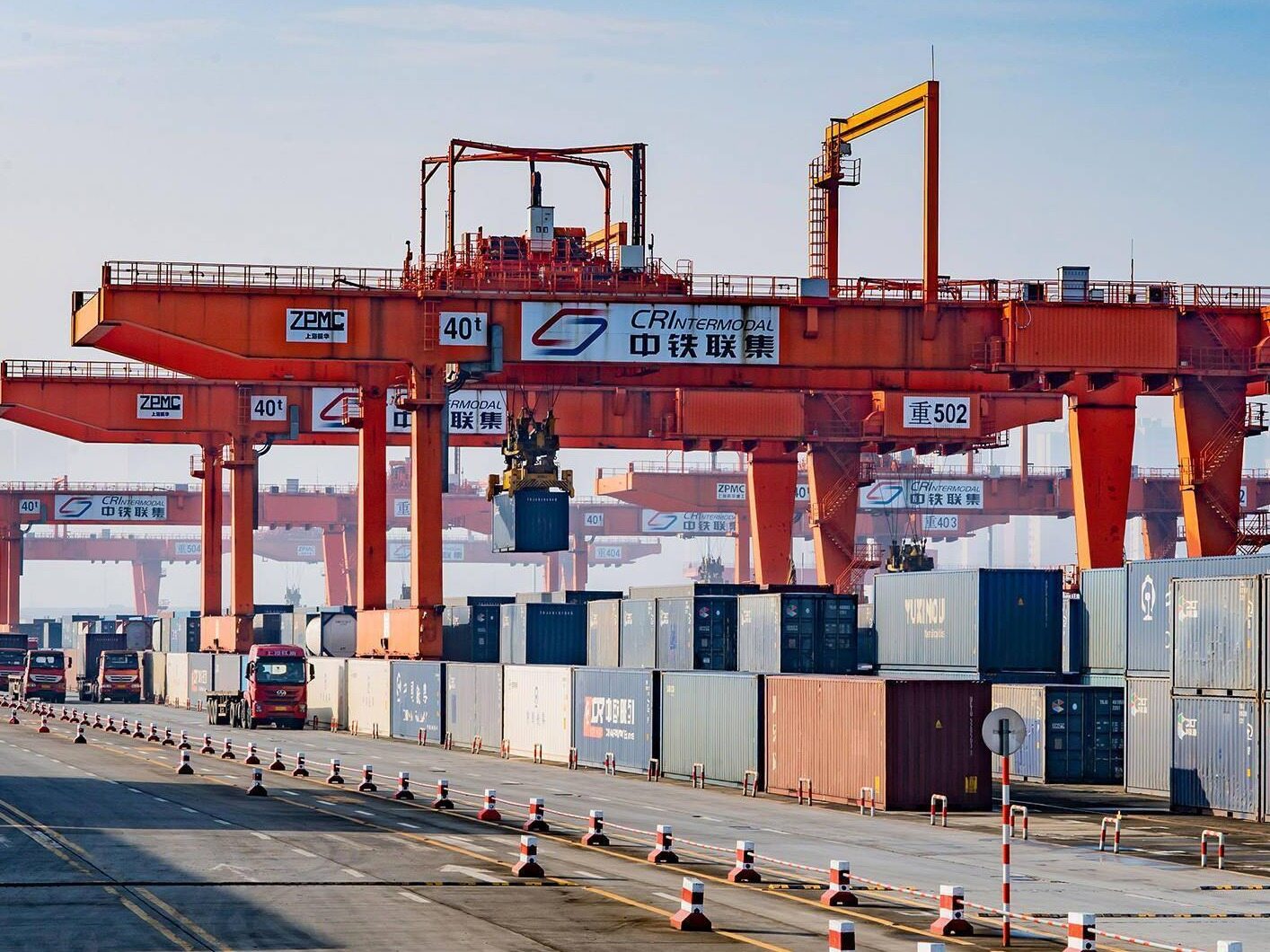
The Economic and Financial Committee of the Vietnamese National Assembly recognizes the direction of the adjustment, but has raised multiple concerns. The funding demand from 2026 to 2030 is about 22.46 trillion dong, and the current arrangement is only 14.85 trillion dong, leaving a gap of 7.61 trillion dong. It is planned to borrow external debt of 17.97 trillion dong, and the debt repayment ability needs to be clarified. The committee also pointed out that the difficulty of achieving the 2030 opening target is not small, and requested to improve the calculation of transportation volume, clarify the implementation details of engineering nodes and branch lines. This project aims to prioritize the promotion of cross-border railways between China and Vietnam, with both passenger and freight lines and a maximum speed of 160 kilometers per hour. The goal is to start construction on the entire line by December 2026, and once completed, it will improve the efficiency of cross-border freight transportation between China and Vietnam.Editor/Min Jing
Comment

 Praise
 Collect
 Comment

 Share
Share


Write something~