 Search


- The rapid development of AI is driving a construction boom in global computing infrastructure
- Fill in the gaps in the industry and promote China's steady progress towards becoming a computing power powerhouse
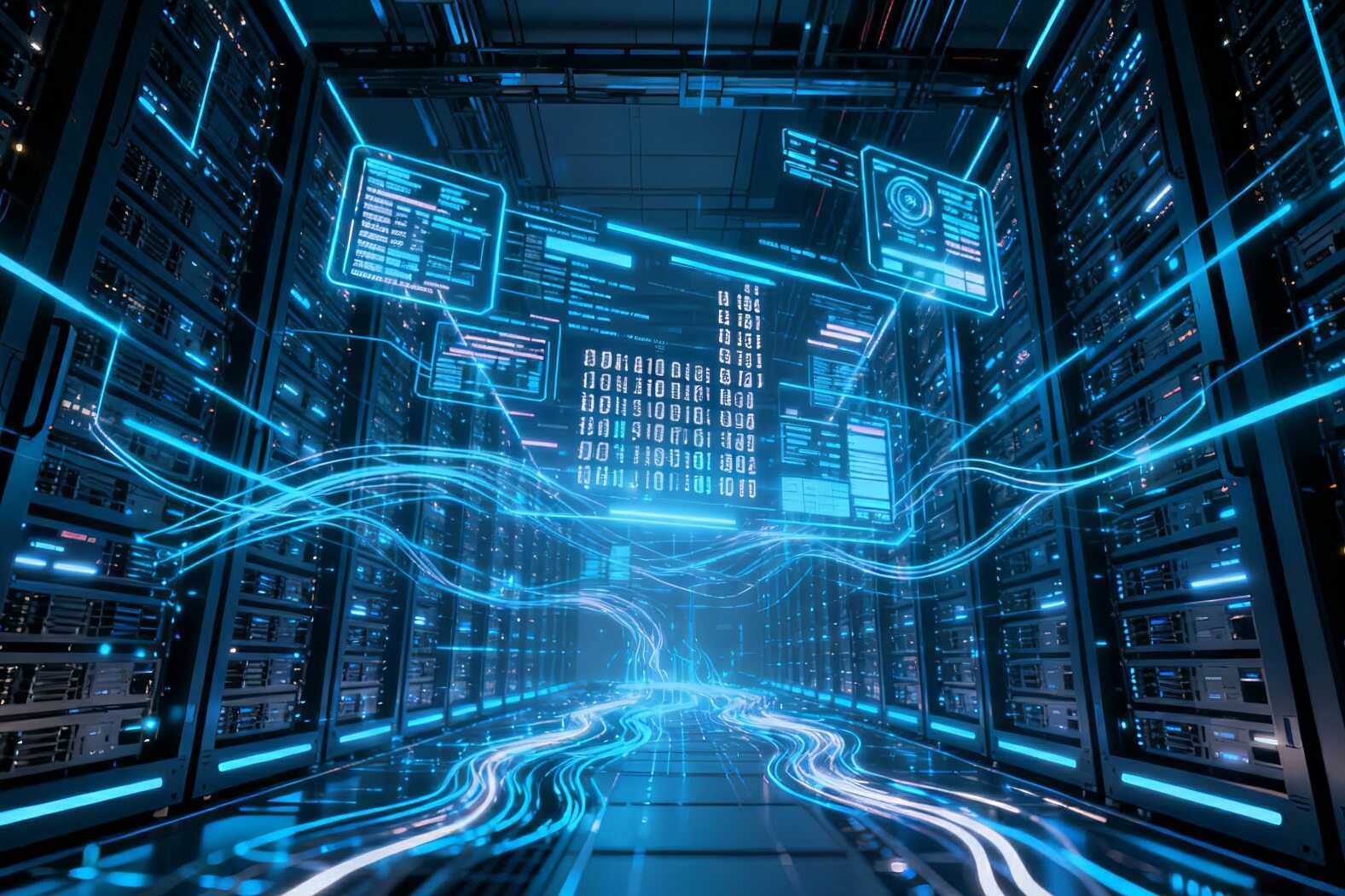
The buzzing in the computer room of the past has converged into a digital torrent spanning the ocean. When big models learn to think, the world is no longer competing to see who has more servers, but who can weave computing power into a network and flow like water and electricity. The lights of the East and West are on the same frequency as the Silicon Valley campus, and a silent infrastructure revolution is reshaping the foundation of the AI era.
Global computing power investment is heating up
Driven by AI competition, the construction of global computing infrastructure has reached a peak. The National Development and Reform Commission disclosed that during the 15th Five Year Plan period, China's computing power network will increase direct investment by about 4 trillion yuan, which will activate private capital and accelerate the construction of a nationwide integrated computing power network. Following the trend of Eastern and Western computing, the domestic computing power industry has ushered in a new round of development opportunities. The four major overseas cloud giants are also continuously increasing their AI infrastructure to cope with the computing power demand brought by large models and AI agents. Jointly creating the world's largest computing power investment cycle both domestically and internationally. Computing power has been upgraded to an important strategic resource, and the entire industry chain including GPU servers, liquid cooling, optical communication, and energy will be upgraded.
AI drives computing power to accelerate expansion
Generative AI has completely rewritten the investment logic of technology companies, and the core of AI competition has extended to the underlying infrastructure. Microsoft, Google Meta、 Amazon has significantly increased its capital expenditures, expanding its data centers and GPU clusters to support large-scale model training and inference. The scale of this round of investment far exceeds that of the traditional cloud computing stage. Industry institutions predict that the demand for reasoning will gradually surpass training and become the main driver of computing power growth. Big models, multimodality, and autonomous driving have led to an exponential increase in computing power consumption, and data center electricity consumption continues to rise. Intelligent computing has become a new quality productivity, and laying out computing infrastructure is to seize the competitive advantage in the AI era.
Unlike the dominant model of American cloud providers, China's computing power construction relies on top-level planning to advance. Building a complete system of computing power center, network interconnection, unified scheduling, and industrial application based on East West computing, with a 4 trillion investment releasing strong policy signals. The integrated computing power network focuses on cross regional computing power scheduling, with the goal of providing computing power to the public like hydropower. The western region relies on resources to build large-scale intelligent computing centers, while the eastern region lays out low latency computing nodes. The three major telecom operators are transforming into computing power service providers, with companies such as Alibaba Cloud, Tencent Cloud, Huawei, and Baidu building domestic computing power ecosystems. What our country pursues is not just the number of data centers, but a complete and efficient computing power base. Keywords: computing power investment, intelligent computing center, Eastern and Western computing
Competition turns to system competition
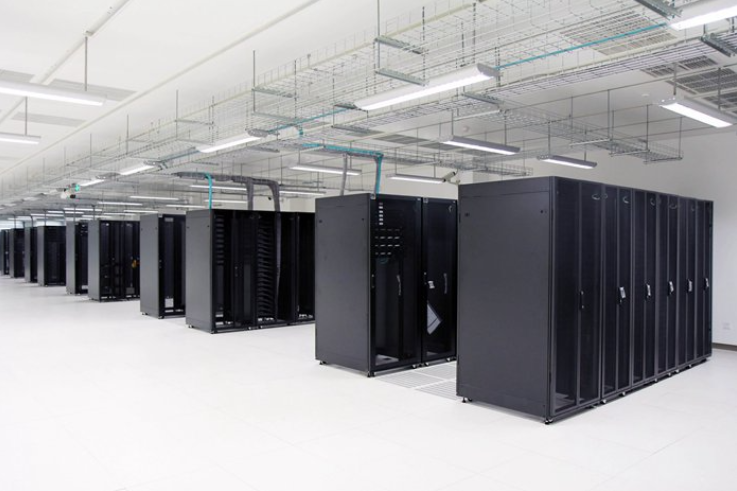
The global competition for computing power has shifted from competing in hardware scale to computing efficiency, scheduling capabilities, energy security, and industrial ecology. The rise of inference services has raised higher requirements for dynamic scheduling of computing power, which is precisely the advantage of integrated computing power networks. China has a complete communication industry chain and rich industrial application scenarios, but still faces practical problems such as high-end chip shortcomings, project homogenization, and insufficient green power support. The future focuses on improving the practical efficiency of computing power usage, and the industry chain still needs to continue to break through. With the penetration of AI into various real economy industries, there are significant opportunities for China's computing power industry. The competition for computing power has risen to a comprehensive competition of national digital infrastructure, and only by improving the modern computing power system can we take the initiative in global AI competition.Editor/Gong Ziwei
Comment


 Praise
 Collect
 Comment

 Share
Share


Write something~