 Search


- Rising energy import costs, Thailand vigorously develops household photovoltaics
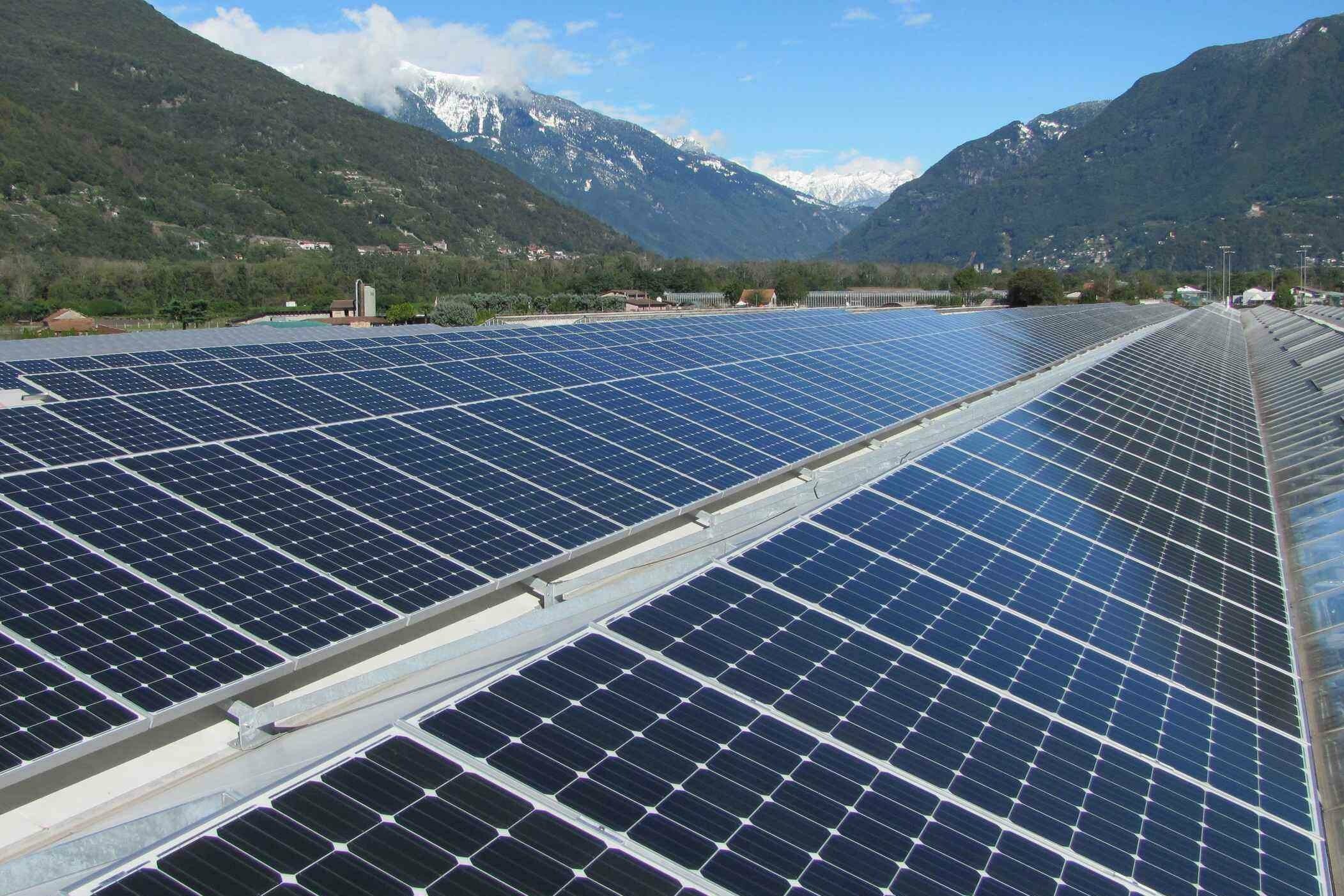
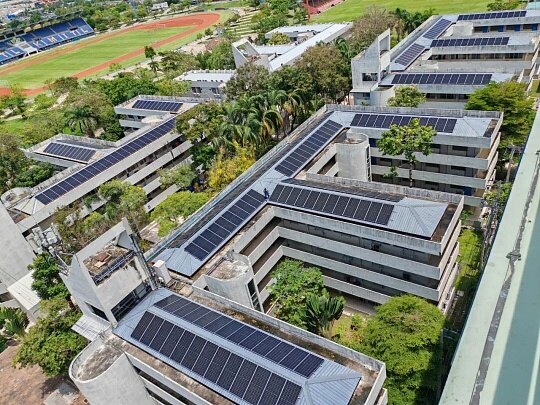
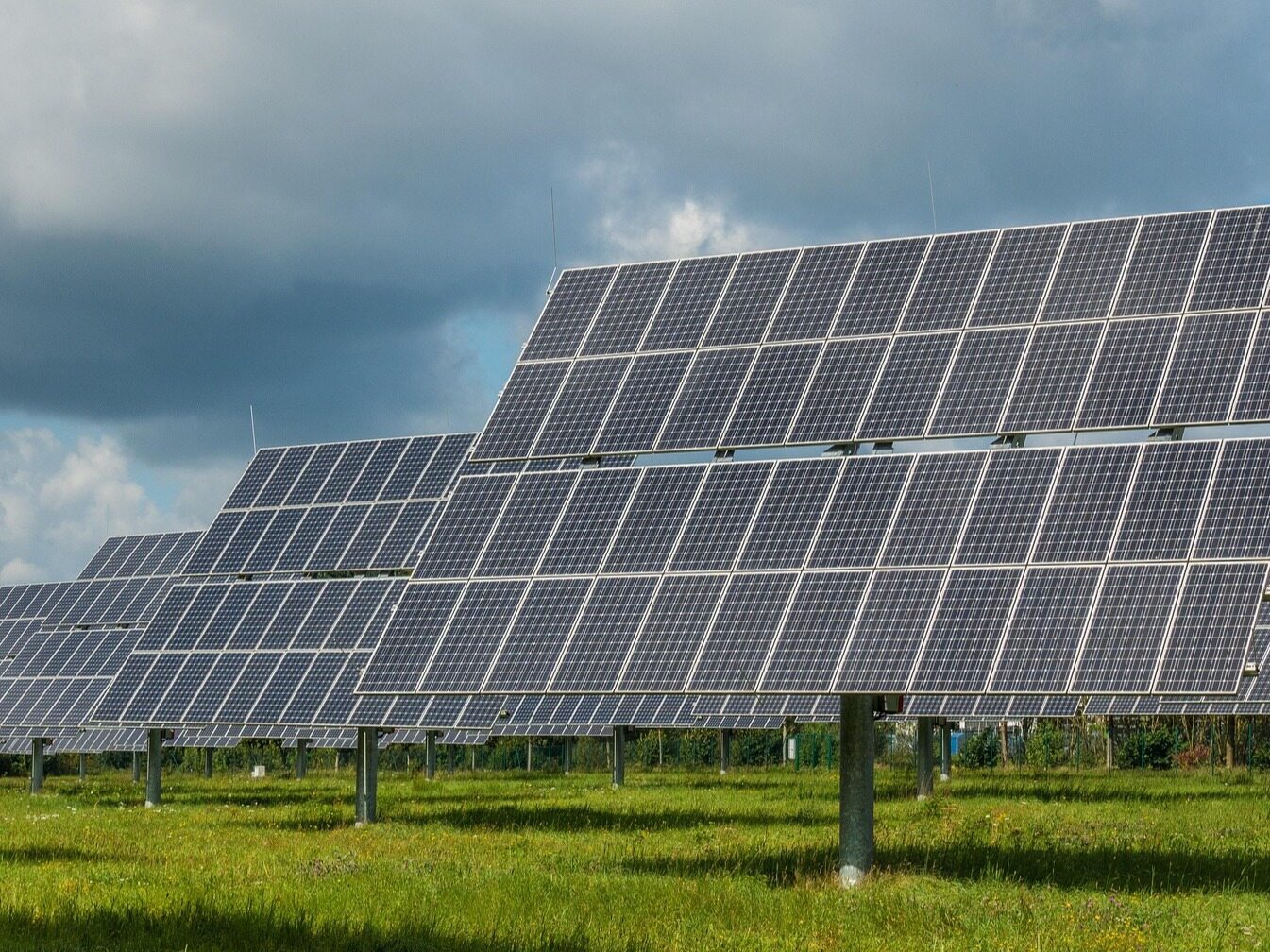
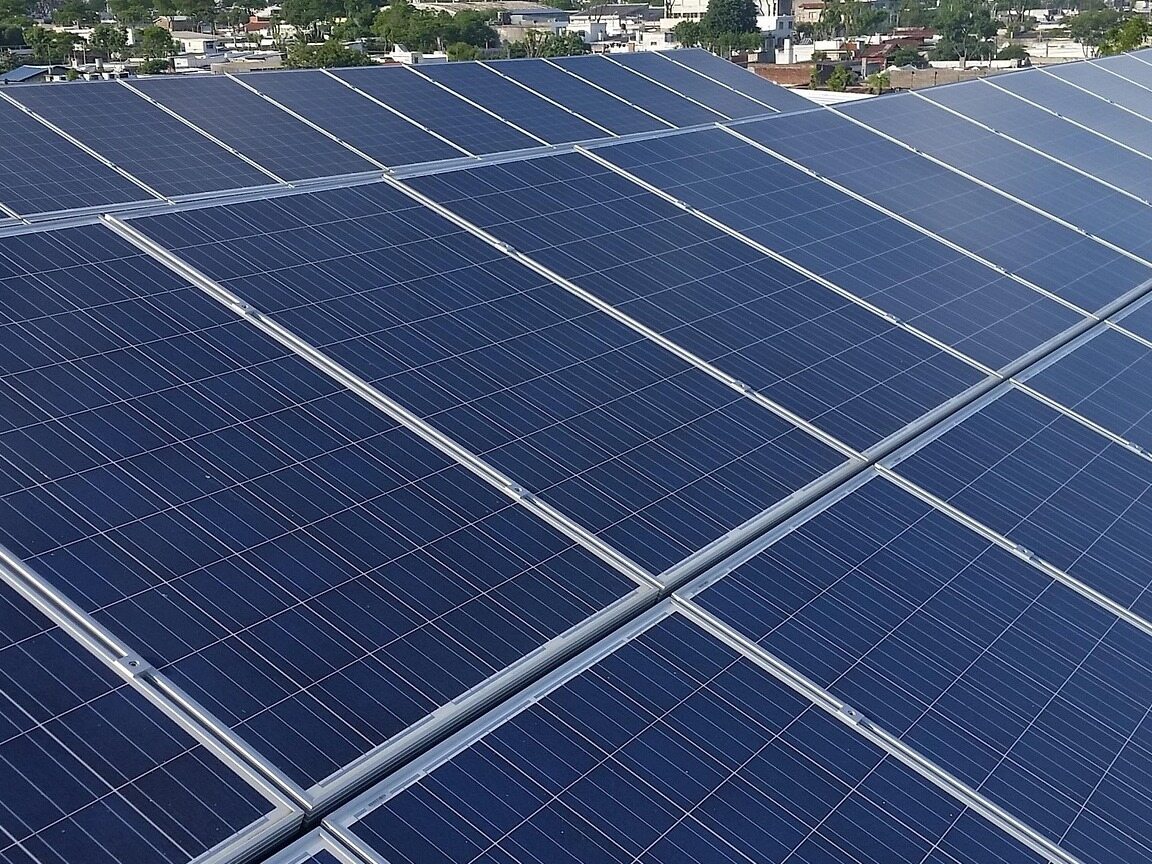
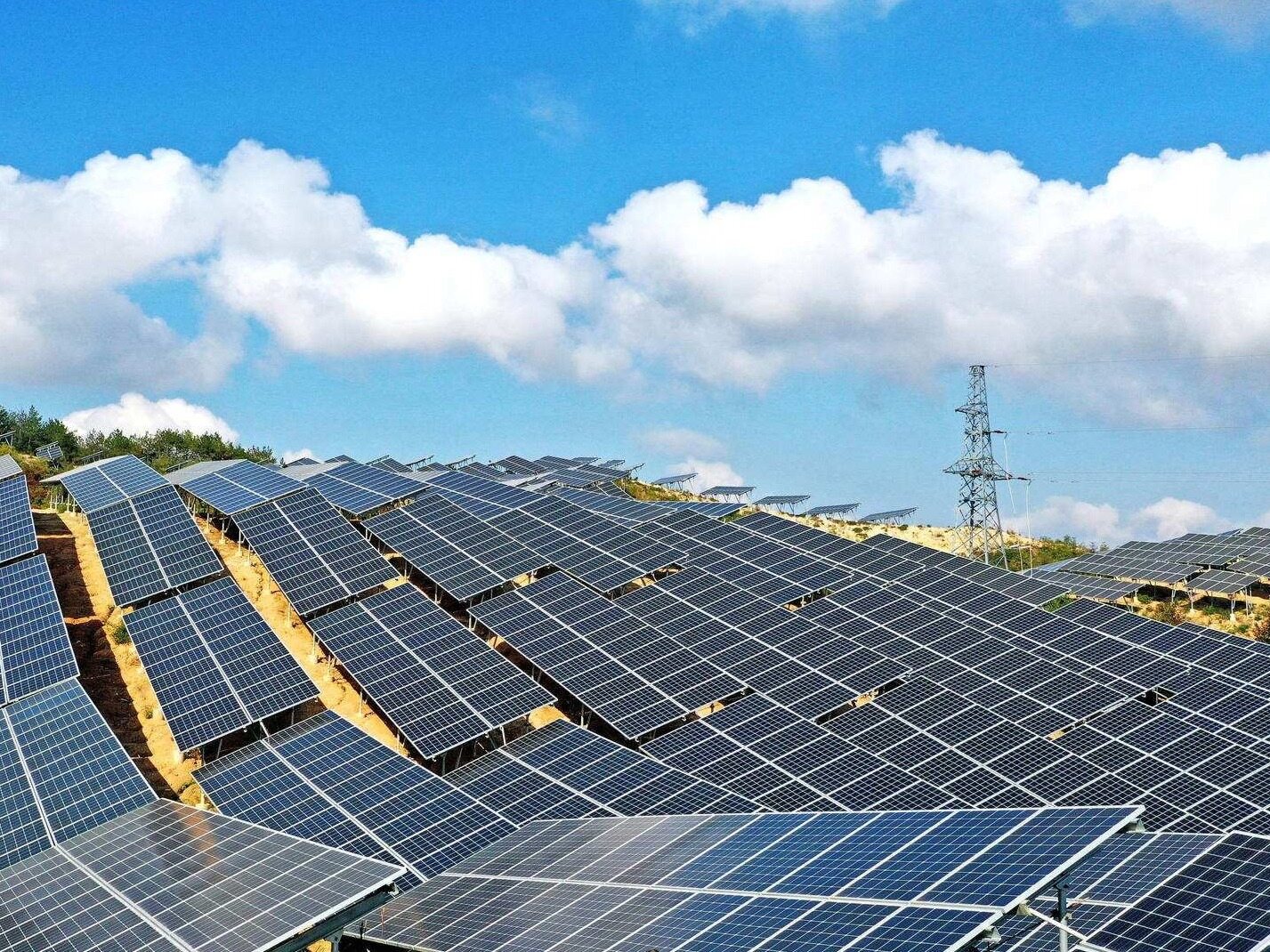
Under the scorching sun on the streets of Bangkok, countless rooftops are quietly transforming into miniature power stations. When the turmoil in the Strait of Hormuz pushed up oil prices, Southeast Asia no longer passively endured energy pains, but instead used the opportunity to break through the situation - transforming the scorching sunshine into a stable current for thousands of households, and a silent energy self rescue has already begun.
Crisis drives energy transition
Since the conflict between the United States, Israel, and Iran at the end of February, the situation in the Middle East has remained unstable, with high international oil prices and an energy crisis rapidly affecting Southeast Asian countries that heavily rely on energy imports. Faced with the pressure of a significant increase in oil and gas prices, many Southeast Asian countries have successively launched support measures to vigorously promote the development of the photovoltaic industry. On August 5, 2026, the Thai government officially relaxed the registration process for rooftop photovoltaic installation companies and certified equipment, laying the groundwork for the widespread adoption of home rooftop solar facilities in China.
Introduce multiple supportive policies
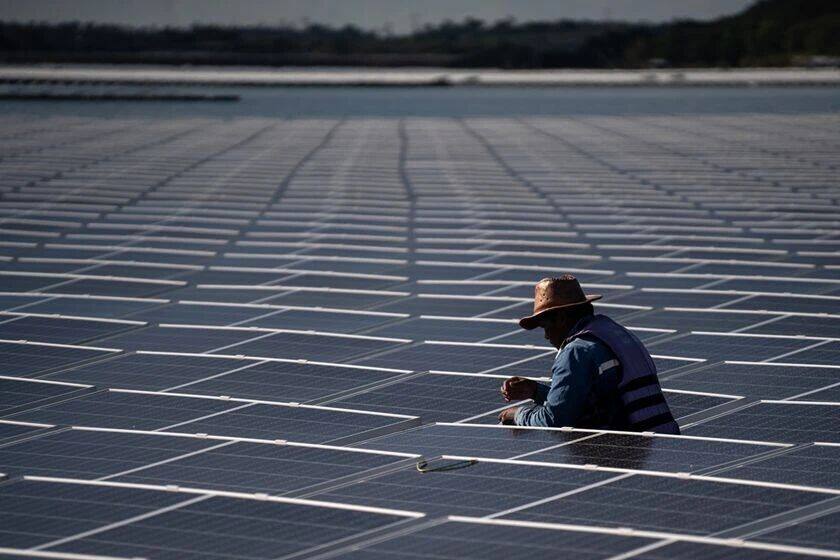
In May 2026, the Thai Cabinet approved an emergency bill with a maximum limit of 400 billion Thai baht to address energy risks caused by the Middle East conflict and accelerate the country's transition from fossil fuels to clean energy. At present, Thailand relies on this law to provide financial subsidies for rooftop solar energy, and the first phase plans to complete the photovoltaic installation work for 500000 households nationwide. In July 2026, Thailand will implement a surplus electricity grid connection mechanism, allowing eligible residents to sell excess photovoltaic power to the grid at a purchase price of 2.20 baht per kilowatt hour, with a cooperation period of 10 years, in order to stimulate the willingness of ordinary households to install photovoltaic power generation equipment. In addition, starting from March 2026, households that install rooftop photovoltaics can also enjoy a maximum personal income tax deduction of 200000 Thai baht. Keywords: international, Thailand, rooftop photovoltaics
Relieve external energy dependence
Thailand is a net energy importing country. Before the outbreak of the Middle East conflict, about 60% of its crude oil was imported from the Middle East, and its transportation channels were highly dependent on the Strait of Hormuz. Natural gas power generation accounts for over half of Thailand's total electricity generation, with Qatar LNG accounting for 6% of Thailand's total natural gas consumption. The tense situation in the Middle East coupled with the obstruction of shipping in the Strait of Hormuz directly impacts Thailand's energy supply security. Therefore, Thailand is accelerating the promotion of renewable energy such as rooftop photovoltaics to reduce its dependence on imported fossil fuels from overseas.Editor/Gong Ziwei
Comment

 Praise
 Collect
 Comment

 Share
Share


Write something~