 Search


- Exploring the construction of green hydrogen complexes in Nurabad and other areas using the EPC+F model
- Assisting Wu in low-carbon metallurgy and appreciation of key minerals
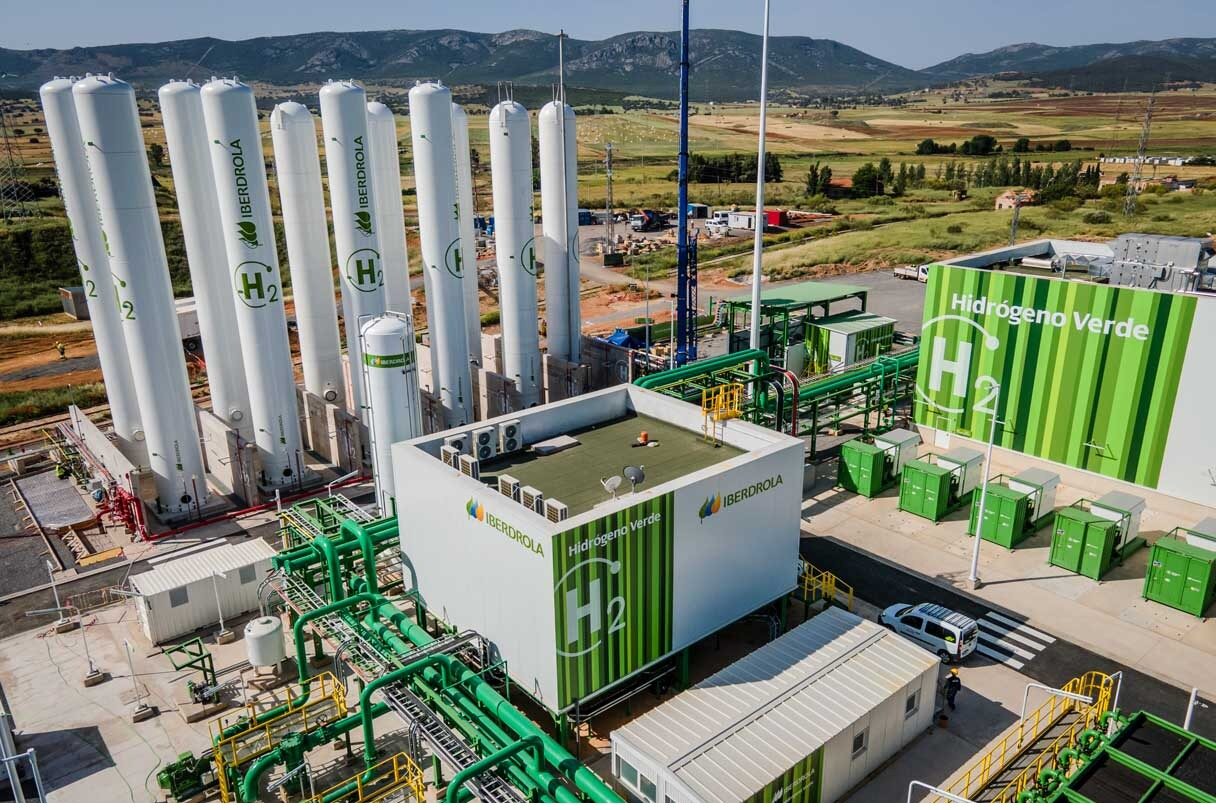
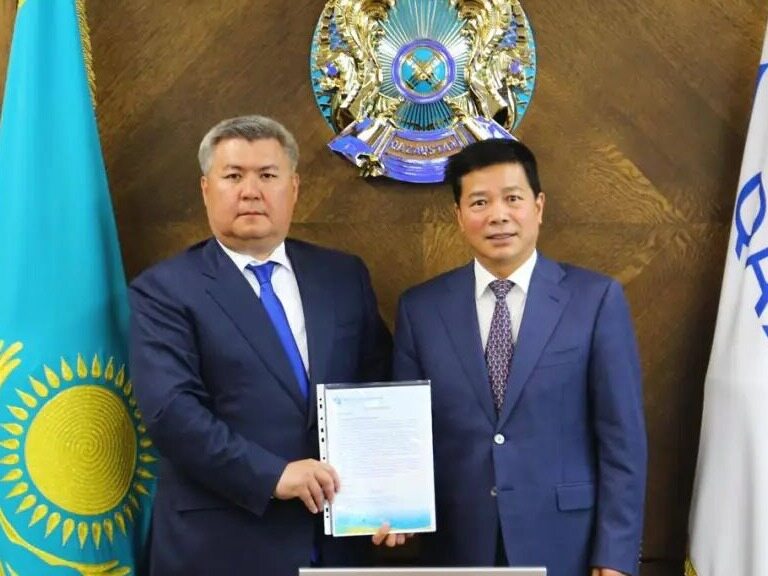
The wind south of the Aral Sea blows through the Gobi Desert of Nurabad and Ahangaran. Soon, there may no longer be only the roar of mining cars here - electrolytic cells hum to convert green electricity into hydrogen gas, which is then sent to metallurgical furnaces to replace coke. Recently, the Uzbekistan Technical Metal Joint Venture (TMK) has opened up a new industrial map: it has signed a tripartite cooperation memorandum with China Civil Engineering Group Co., Ltd. and Beijing Zhongdian Fengye Technology Development Co., Ltd. to truly bring large-scale green industrial projects into the country's soil.
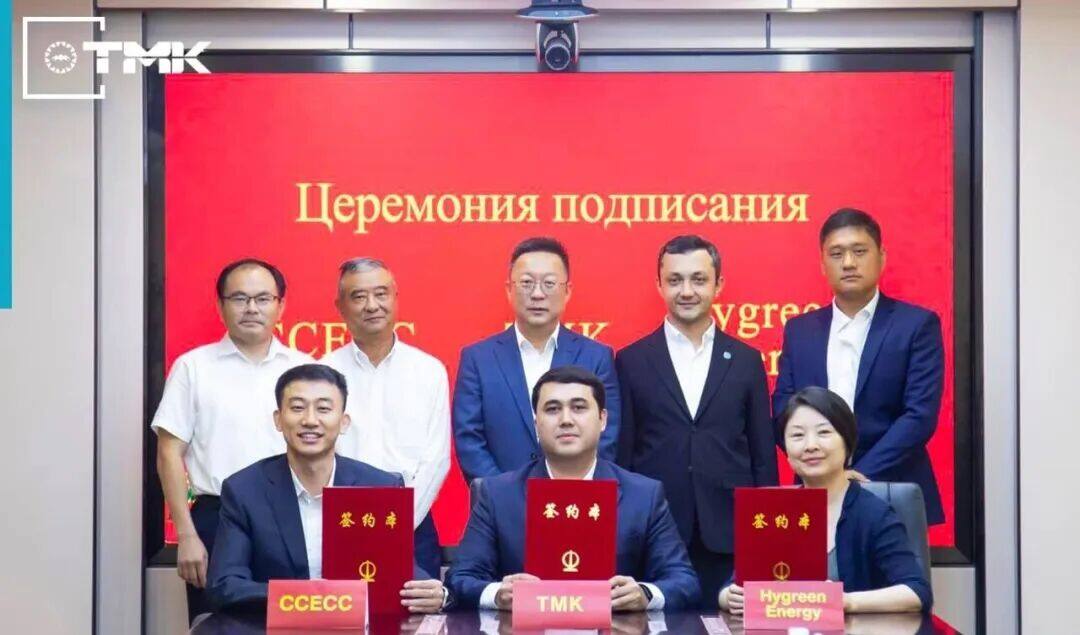
The Three Kingdoms Together Build a Framework
The three parties agreed to use the EPC+F model to promote the integration of engineering, procurement, construction, and financing, providing a one-stop solution from drawings, equipment, factory construction to finding money. The first step is to evaluate the feasibility of building advanced electrolytic cell hydrogen production complexes in Nurabad and Ahangaran, and to connect with international funding.
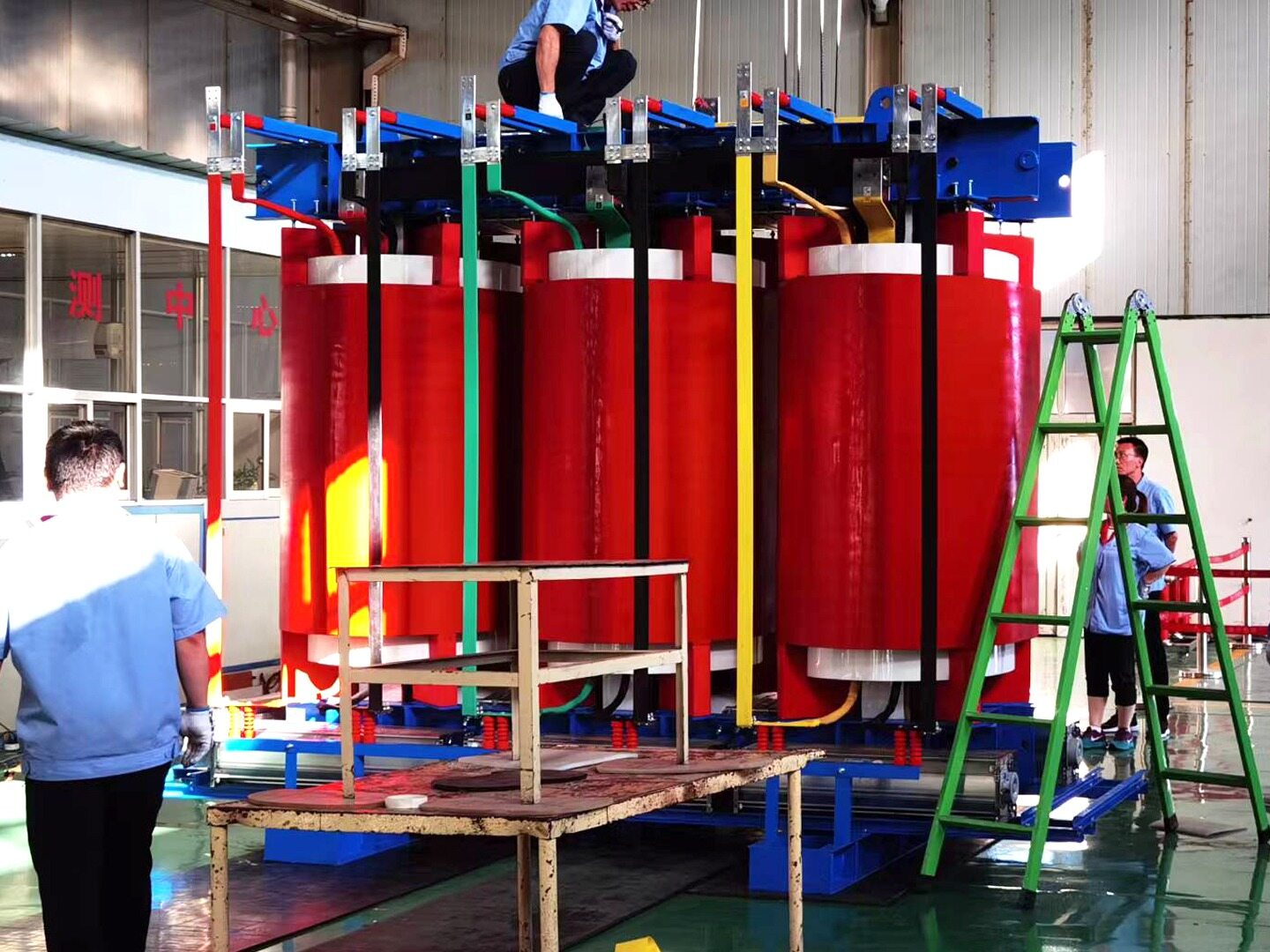
China Civil Engineering brings its global infrastructure experience to support construction and project management, while China Electric Power Fengye provides alkaline, PEM and other electrolytic cell equipment and complete solutions. TMK holds the key mineral resources and deep processing demands of Ukraine, such as tungsten, molybdenum, rhenium, etc. The combination of the three is precisely the closed loop of engineering capabilities, hydrogen production technology, and local industrial scenarios.
Green hydrogen refining produces new metals
Where does green hydrogen go? The answer is written in the pain points of Wufang. Metallurgy is a high energy consuming and high emission industry, which replaces grey hydrogen and fossil fuels with green hydrogen, directly cutting off a large part of carbon emissions in the smelting process.
More importantly, the added value of minerals. The blueprint disclosed by the Ukrainian Presidential Office this year shows that 120 key mineral projects will be launched from 2026 to 2030, with a total investment of 4.2 billion US dollars. 28 types of minerals will be turned into high-purity metals, alloys, powders, and components, and the industrial scale will reach 1 billion US dollars in 2028 and 2 billion US dollars in 2030.
TMK itself is a national brand vehicle for this transformation. Bringing in Chinese enterprises this time is equivalent to bundling green hydrogen, low-carbon metallurgical processes, and deep processing of key minerals into the same process flow diagram - ore entry, green electric hydrogen production, hydrogen metallurgical purification, high-purity selenium tellurium rhenium, and tungsten molybdenum alloy production.
Adding another green engine to the Silk Road
This is not the first time Chinese enterprises have encountered green hydrogen in Ukraine. At the MAXAM chemical plant in Tashkent, the 20 MW green hydrogen project under the general contracting of China Power Construction East China Institute has produced 99.99% pure hydrogen with an annual carbon reduction of about 30000 tons, proving the feasibility of EPC for green hydrogen in Central Asia.
The combination of TMK, China Civil Engineering, and Zhongdian Fengye has expanded the scenario from chemical ammonia synthesis to metallurgy and mineral deep processing. The model uses EPC+F to reduce the financial pressure on the host country in the early stage, and strategically follows the two main lines of Ukraine's green energy strategy and key mineral self-reliance.
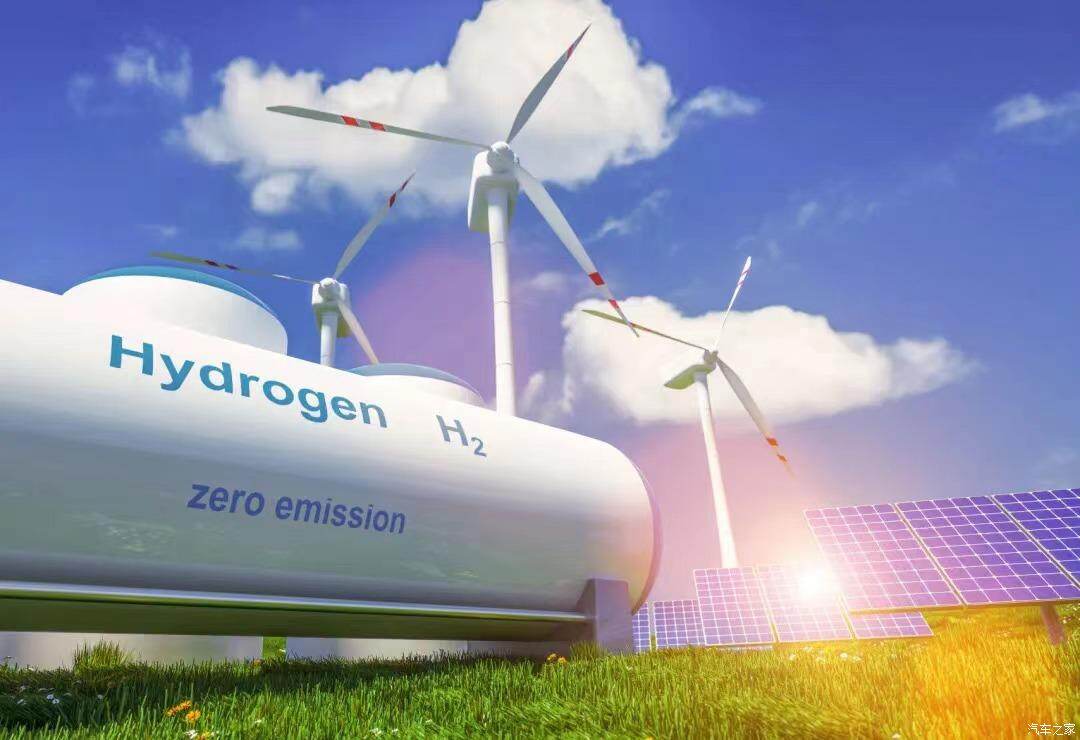
For Uzbekistan, if the project is implemented, Nurabad and Akhangaland will not only be factory coordinates, but also regional green industrial hubs integrating clean energy, advanced manufacturing, and international investment; For Chinese enterprises, this is another landing point for green hydrogen equipment to go global and bind with engineering general contracting for output, and to write Chinese solutions into the narrative of low-carbon transformation in Central Asia.keywords:New energy information network
The wind is still that gust, the stove is still that stove, it's just the energy story that drives industry, starting to change the protagonist.Editor/Yang Meiling
Comment


 Praise
 Collect
 Comment

 Share
Share


Write something~