 Search


- Sinopec and Kazakhstan National Natural Gas Company have recently finalized a new direction of cooperation
- Introducing China's mature million ton carbon capture technology into Central Asia to help achieve Kazakhstan's 2060 carbon neutrality target
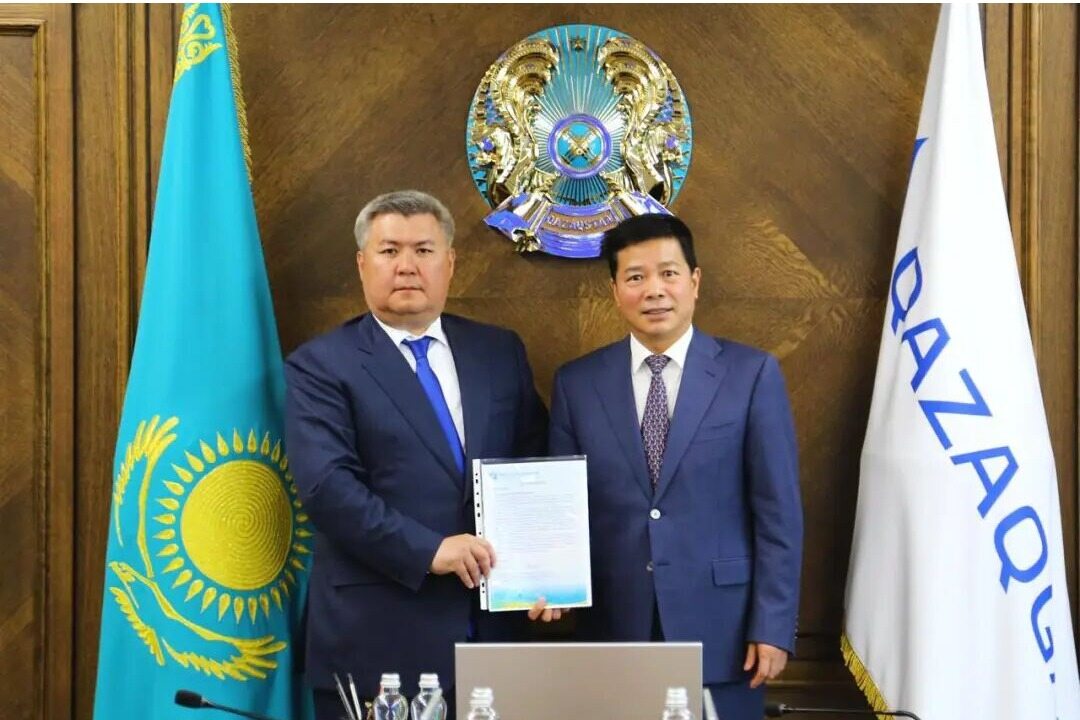
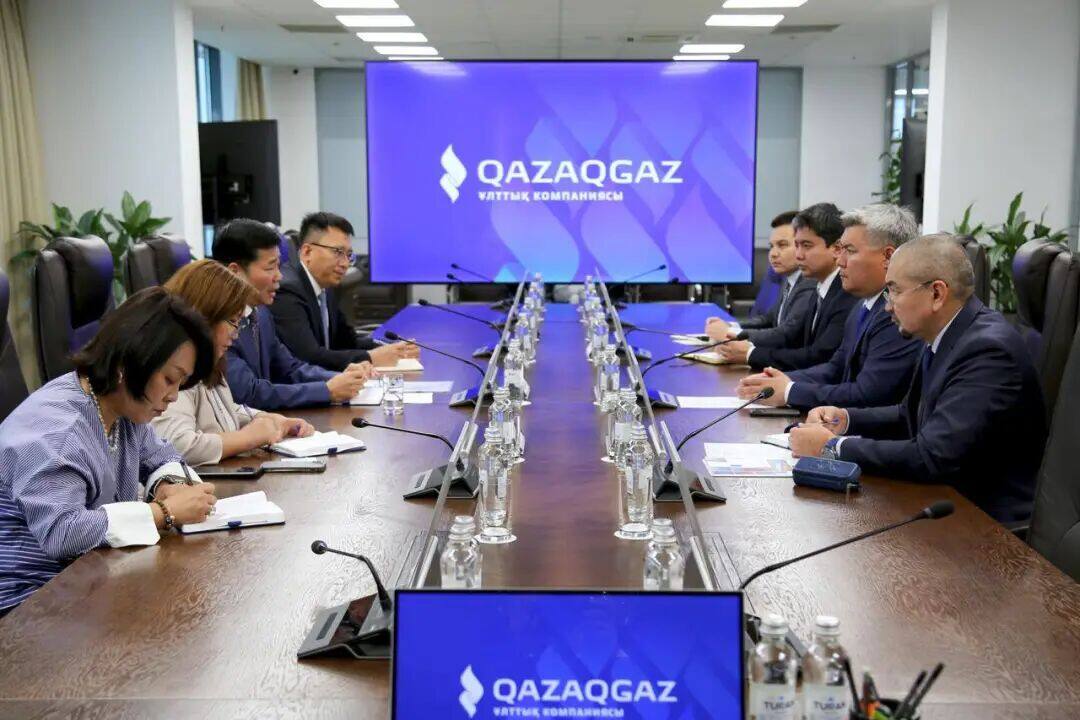
On the shores of the Caspian Sea, a new chapter in energy cooperation spanning twenty years is unfolding. Recently, the Chairman of the Board of Directors of QazaqGaz sat down face-to-face with Zhao Quanmin, the General Manager of Sinopec Kazakhstan. Outside the window is the vast energy hinterland of Kazakhstan, and inside the window, the conversation between the two sides extends from black gold underground to green carbon reduction technology. This is not only a routine business meeting, but also a microcosm of the transformation of China Kazakhstan energy cooperation from single resource development to high-tech and low-carbon.
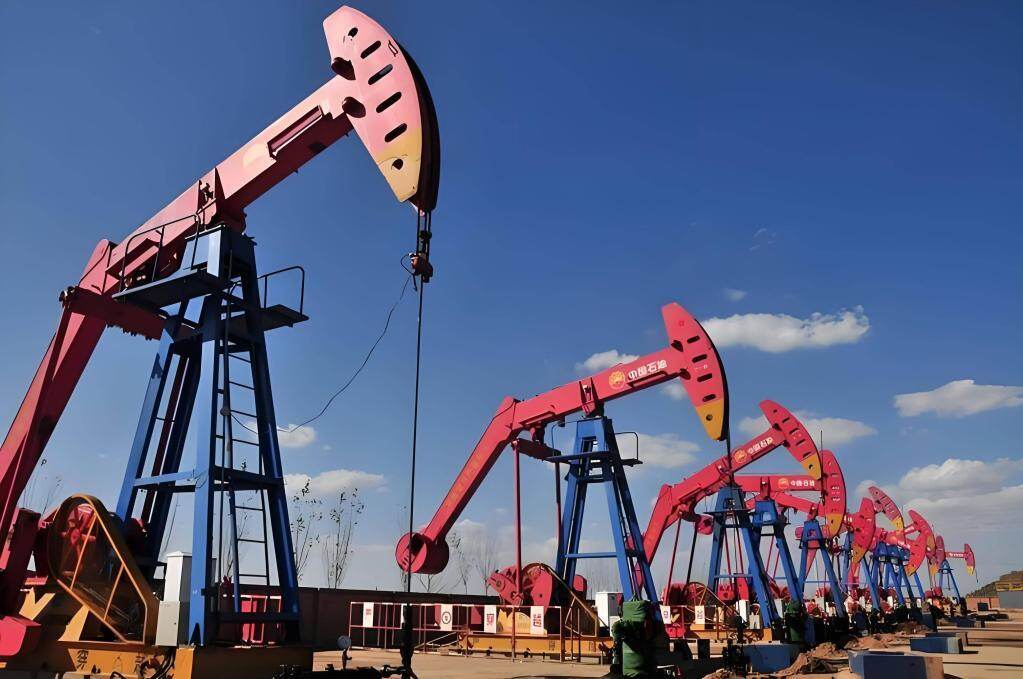
Digging deep into underground treasures
As the leader of Sinopec in the local area, Zhao Quanmin brings not only greetings, but also a series of "Chinese solutions" to improve upstream efficiency. Over the past two decades, Sinopec has deeply integrated into Kazakhstan's energy bloodline. From participating in upstream project development to promoting modernization of refineries, Chinese power has always been an important support for local oil and gas production increase. In this meeting, both sides went straight to the topic, focusing on the exploration potential of new oil and gas blocks. Faced with complex geological conditions, Sinopec has shared advanced exploration techniques and industry practical experience. For Kazakhstan, which desires to expand its resource base and increase commercial natural gas production, these experiences from the East are undoubtedly the key to cracking the underground code.
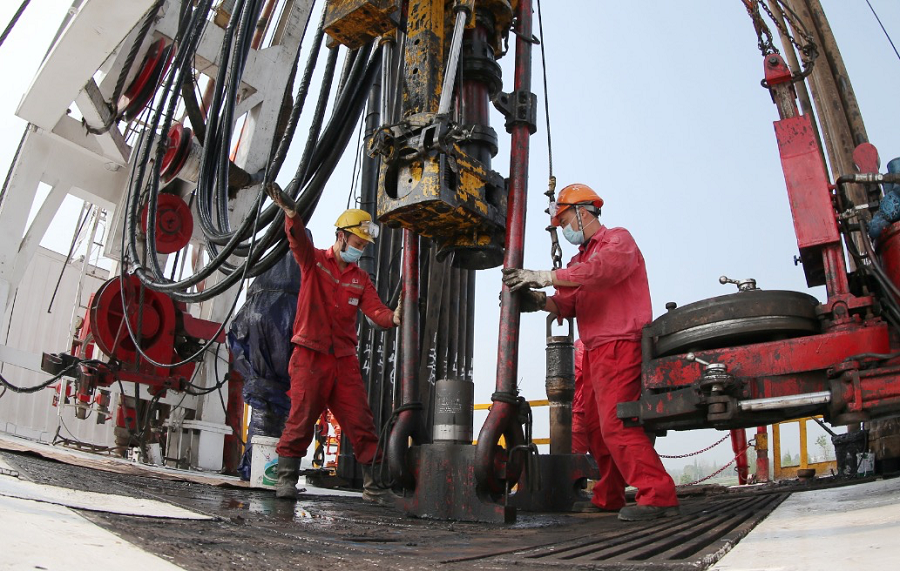
Jointly seek green transformation
If oil and gas cooperation is the cornerstone, then low-carbon technology is the new engine. At the meeting table, a commitment document on achieving carbon neutrality by 2060 was presented to both parties. CCUS (Carbon Capture, Utilization, and Storage) technology has become a breakthrough in maintaining oil and gas production while significantly reducing emissions. QazaqGaz is eager to introduce advanced external technologies, and Sinopec happens to have the richest practical experience in the industry. Both parties have thoroughly reviewed the implementation scenarios of CCUS technology in the local energy sector and discussed how to establish a long-term technology exchange mechanism. Decarbonization is no longer an option, but an important component of Kazakhstan's energy strategy, and this dialogue on green technology is particularly urgent.
Seizing the carbon capture race track
In order to fulfill its emission reduction commitments, Kazakhstan has developed an ambitious long-term roadmap: plans to establish multiple regional carbon capture centers and achieve the ability to process over 100 million tons of carbon dioxide annually by 2060. Under this grand vision, Sinopec has demonstrated its "hard power" - not only operating China's first million ton CCUS project - the Qilu Petrochemical Shengli Oilfield project, but also building the country's first 100 kilometer carbon dioxide long-distance pipeline. In addition to technology output, Sinopec actively promotes the establishment of an international cooperation platform for CCUS technology and has invited QazaqGaz to participate in the international CCUS forum. As Chinese companies continue to increase their investment in Kazakhstan, this green momentum is accelerating its injection into the future of the local energy industry.Editor/Yang Meiling
Comment



 Praise
 Collect
 Comment

 Share
Share


Write something~