 Search


- The operation and maintenance costs of Maya Railway are high, and the project relies on long-term financial subsidies to maintain
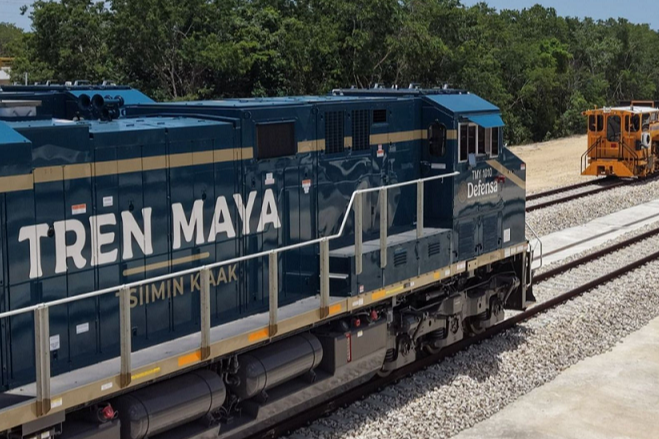
The dust of the bidding for the later operation and maintenance of the Maya Railway has settled, and Chinese enterprises have chosen to withdraw from the bidding due to the proposal of splitting the section not being adopted. In the end, a local consortium in Mexico won the annual maintenance contract at the lowest price. The high operation and maintenance expenses far exceed the project's own revenue, fully exposing the pressure of sustainable operation for this key railway.
Bid landing details
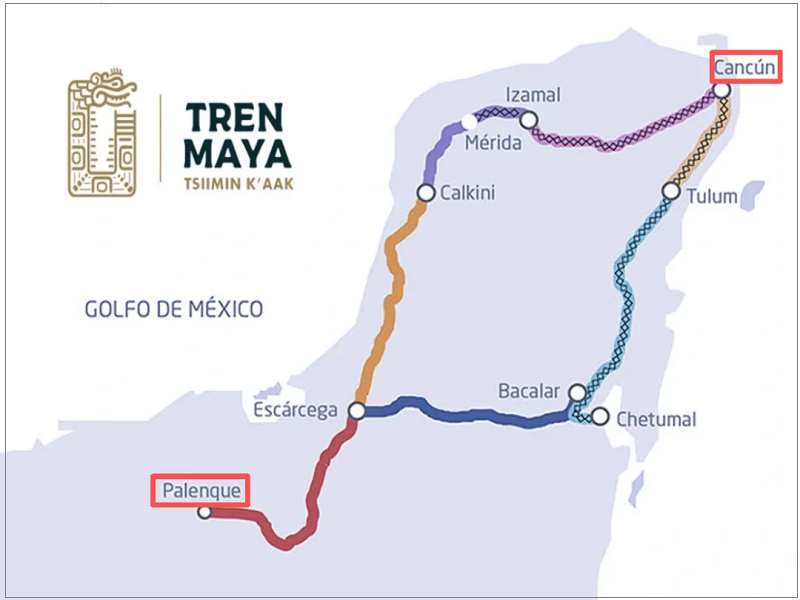
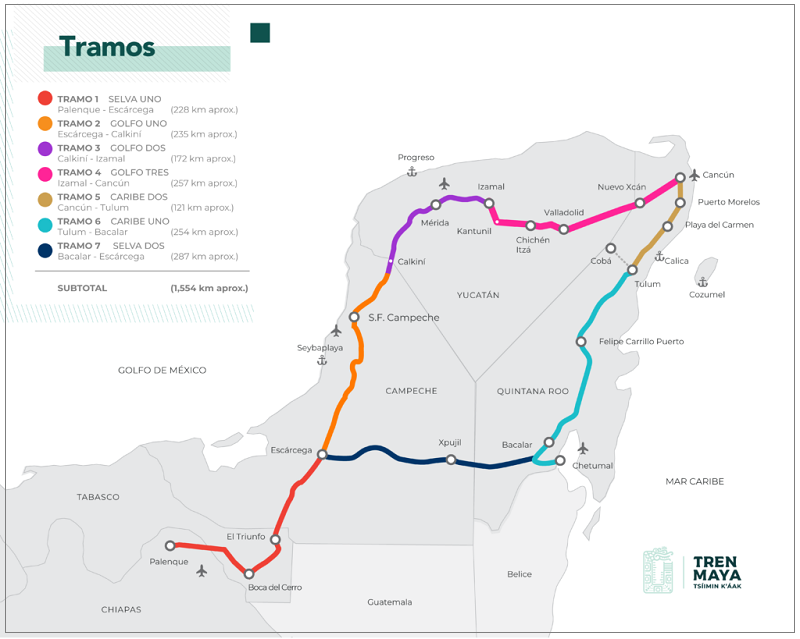
The annual infrastructure maintenance contract for sections 1 to 4 of the Maya Railway was won by a Mexican consortium, with a bid of 837.1 million pesos, equivalent to 47.76 million US dollars, which is the lowest price among all bidders. The difference in bidding price for this tender exceeds 90 million US dollars. The two winning consortium companies have mature railway operation and maintenance experience, among which ASCH M é xico has been responsible for the maintenance of local suburban railways since 2008, and the contract is extended until 2028. The main line of this section is 890 kilometers long and requires maintenance of a total track mileage of 1260 kilometers. The winning bidder needs to complete the inspection and maintenance of the entire track and establish a 24/7 emergency repair team. The existing 1700 internal employees cannot independently undertake all the workload. China Communications Construction Corporation (CCCC) participated in the construction of the first phase of the project and proposed to split the bidding sections to reduce the difficulty of execution. However, it withdrew from the bidding after not being approved by the owner.
Serious imbalance between income and expenditure
Combined with the previous contact network maintenance contract, the total operation and maintenance expenditure of the Maya Railway exceeded 1.11 billion pesos. The project's self owned operating revenue in 2025 is only 541.7 million pesos, and the operation and maintenance expenses will reach more than twice the revenue. The operator originally predicted a revenue of 1.271 billion pesos in 2026, but due to the drag of first quarter operating data, the latest estimate shows that the annual revenue will only be 539 million pesos, further declining. Sections 5 to 7 have already been opened to traffic, but the maintenance bidding has not yet started. The overall operation and maintenance costs will continue to increase in the future. Keywords: operation and maintenance bidding, imbalance of infrastructure revenue and expenditure
Operational dependence subsidy
The Maya railway, which lacked the ability to generate blood on its own, could only rely on government funding to support itself. In 2025, the total amount of federal fiscal appropriations and two types of subsidies from the Ministry of Defense Trust Fund will be 4.333 billion pesos, which is eight times the project's own revenue for that year. The high maintenance costs and unexpected ticket revenue continue to test the long-term operation mode of large-scale infrastructure projects in Mexico, and also provide practical reference for the full life cycle cost control of overseas large-scale railway projects.Editor/Min Jing
Comment



 Praise
 Collect
 Comment

 Share
Share


Write something~