 Search


- Nigeria is pushing forward with offshore oil and gas projects, striving for its 2030 oil production target
- The potential for offshore resource development is considerable, but multiple challenges in reality urgently need to be solved
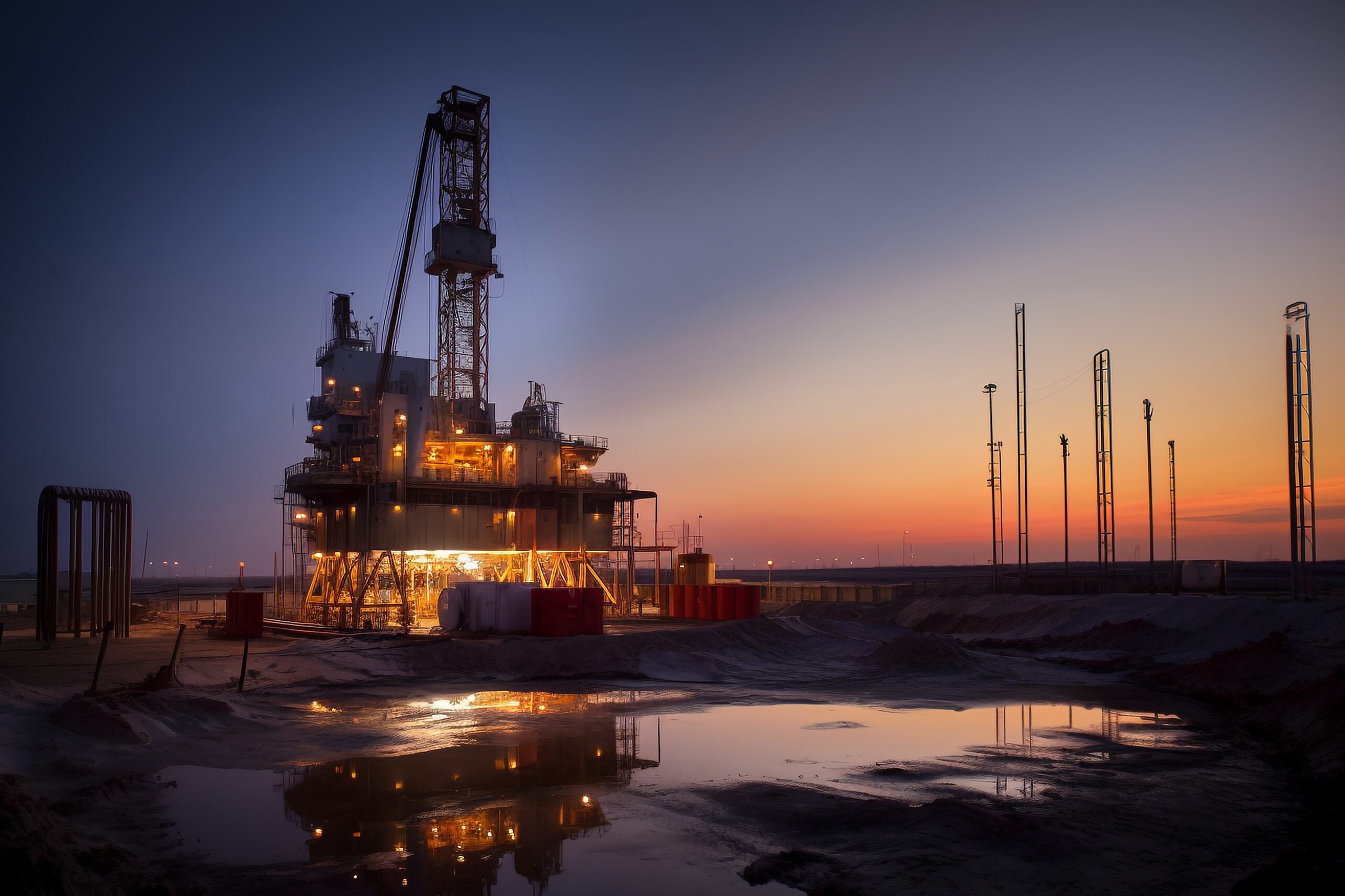
Under the waves of the Gulf of Guinea, dormant oil and gas resources are being awakened. Nigeria is trying to rewrite the narrative of abundant resources but lagging development, using institutional loosening and block opening as paddles, and is fully committed to the deep-water areas of offshore oil and gas development, injecting new momentum into the long dormant investment market.
Layout for offshore oil and gas development
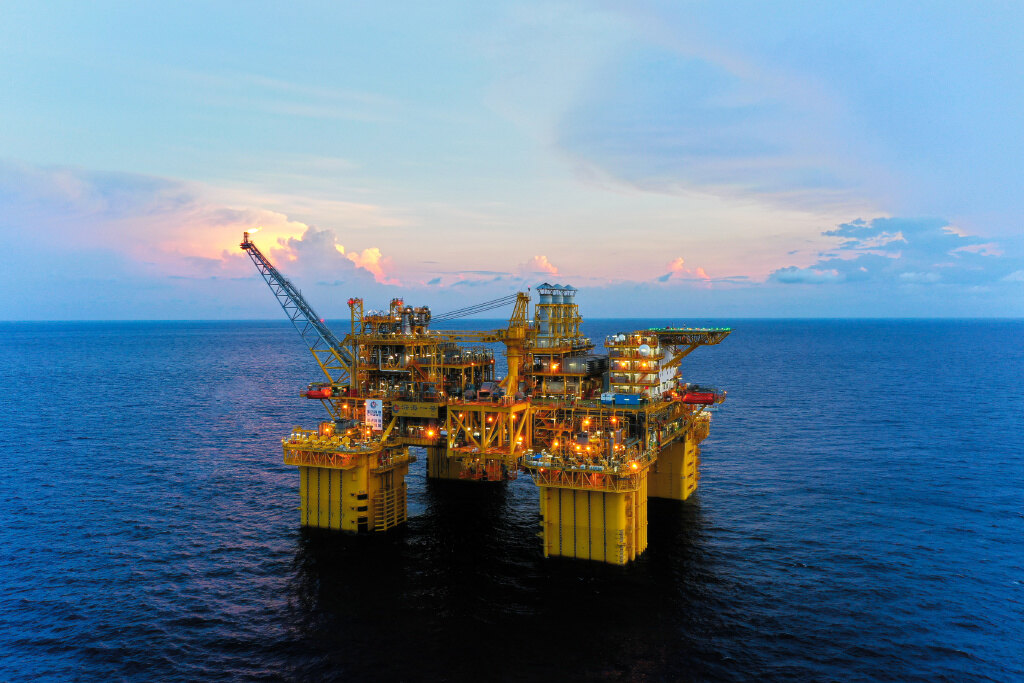
Nigeria is accelerating the development of offshore oil and gas resources. Recently, the Nigerian Upstream Oil Regulatory Commission (NUPRC) revealed that it is expected that at least 22 offshore oil and gas projects will be put into operation in the country by 2030, with a potential investment scale of up to $50 billion. As a major oil producing country in Africa, Nigeria has been striving to attract international capital back into its domestic oil and gas market in recent years through a series of measures such as upstream institutional reform, oil and gas block bidding, improving infrastructure, and enhancing safety conditions. NUPRC stated that since 2024, regulatory authorities have approved oil and gas field development plans totaling over $57 billion, helping a number of projects enter the final investment decision stage (FID). If the project is successfully implemented, it will increase the country's oil and gas production, improve upstream supporting facilities, and further enhance its attractiveness to investment entities.

Intensify block bidding layout
The head of NUPRC stated that Nigeria continues to open up new oil and gas blocks through licensing rounds. In the 2025 licensing round, a total of 31 companies won 37 oil and gas blocks, and the relevant plans for the 2026 licensing round are also being finalized. The country plans to increase crude oil production to nearly 3 million barrels per day by 2030, which requires a significant improvement in upstream development efficiency and an acceleration of the pace of production for sea and land oil and gas projects. Offshore projects have a prominent position in China's oil and gas planning, with broad prospects for the development of deepwater and shallow water oil and gas reserves; Compared to some onshore regions, offshore oil and gas assets have more advantages in production safety and continuous operations. In recent years, multinational oil companies and local independent energy companies have made many moves in the offshore sector of Nigeria, and there are still development opportunities in the market.
Opportunities and challenges coexist
However, in order to achieve the goal of putting 22 offshore projects into operation, Nigeria still needs to deal with many practical difficulties. The financing gap, infrastructure shortcomings, regulatory policy stability, contract performance, crude oil theft, pipeline safety, and other issues will all affect investor confidence and the pace of project progress. Nigeria is sending a signal to the outside world that it not only has resource endowments, but also continues to optimize the environment for project implementation. Block licensing rounds, development plan approvals, and security governance improvements are all important levers to attract capital inflows. Keywords: Nigeria, offshore oil and gas, upstream investment, oil and gas blocks
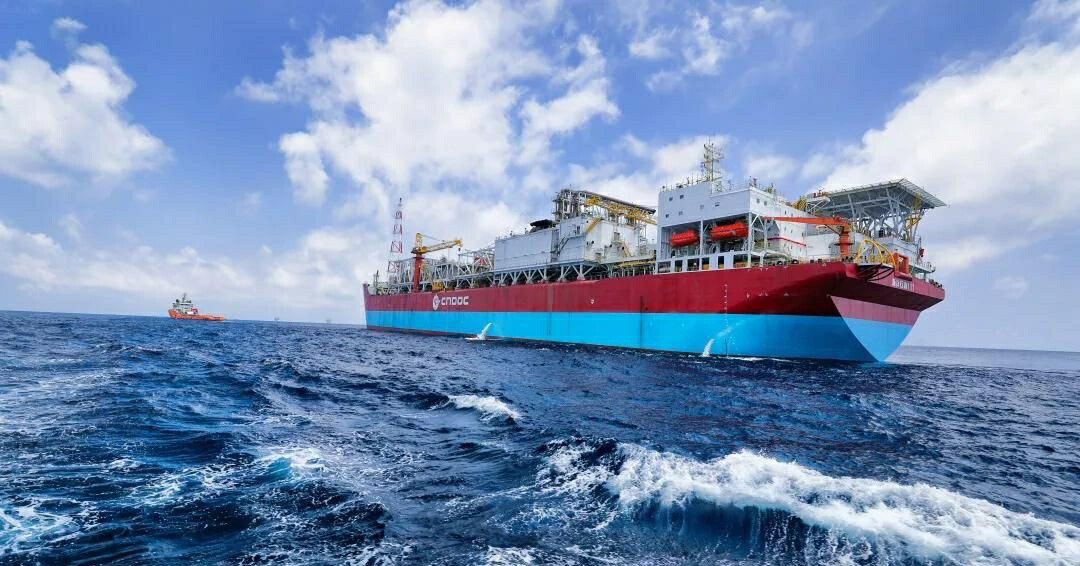
If the planned project is implemented on schedule, drilling platforms, subsea engineering FPSO、 The marine engineering and oil service fields, such as pipeline laying, offshore installation and operation, will face significant market demand. Overall, the expectation of 22 offshore projects being put into operation before 2030 represents Nigeria's intention to restart the upstream oil and gas investment cycle. The core of future industry observation lies in whether the potential investment of $50 billion can be transformed into actual investment decisions and oil and gas production capacity.Editor/Gong Ziwei
Comment



 Praise
 Collect
 Comment

 Share
Share


Write something~