 Search


- British energy giant BP is accelerating the integration of its assets in the Americas
- Intending to invest in the acquisition of shares held by partner Woodside
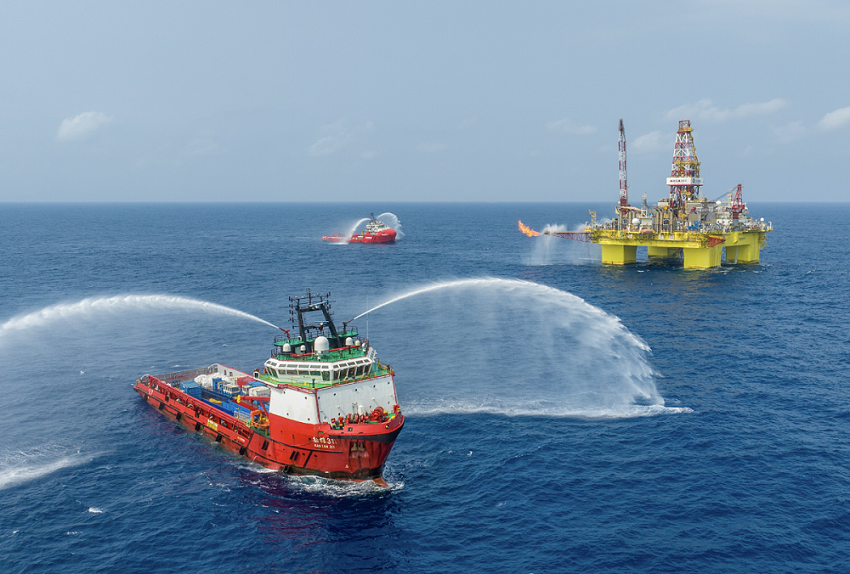
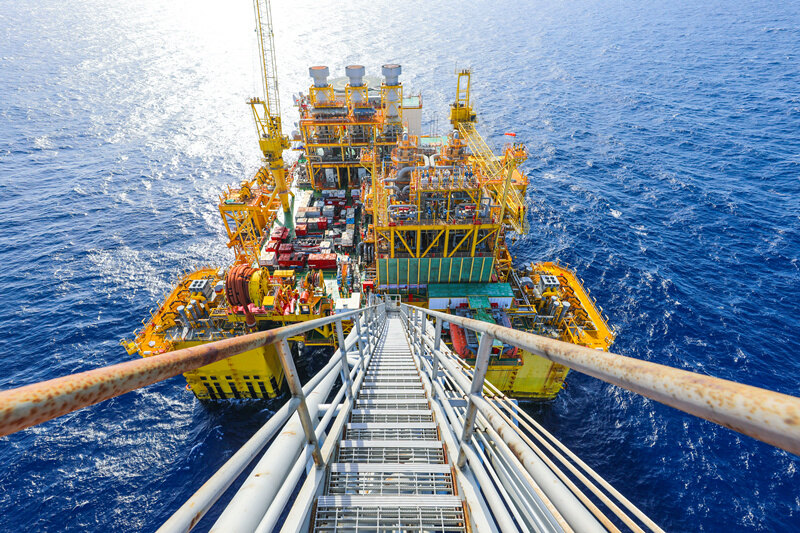
On the west coast of the Atlantic, about 225 kilometers from the east coast of Trinidad, at a depth of 2100 meters, lies a treasure trove that could impact the energy landscape of the Caribbean region. Here, the deepwater natural gas field called Calypso is waiting to awaken. On August 7, 2026, a handover ceremony for this deep-sea asset quietly kicked off, with the protagonist being the energy giant BP headquartered in the UK.
BP announced that it has initiated the process to acquire its partner, Woodside Energy of Australia, which holds a 70% stake in TTDAA Block 14. Once the transaction is approved by the government and regulatory authorities before the end of 2026, BP will achieve 100% ownership of the Calypso project and take full control of its operations. From joint development to exclusive operation, BP's move aims to elevate its influence in this sea area from an "important participant" to an "absolute controller".
Lock in core assets
Calypso is not an unconfirmed adventure destination. As early as December 20, 2021, with the successive drilling of Bongos-3, Bongos-3X, and Bongos-4 evaluation wells encountering hydrocarbons, the resource potential of the gas field was substantially verified. Last year, Woodside specifically hired Argeo to conduct high-precision surveys of the gas field, further consolidating the data foundation. For BP, acquiring the remaining 70% stake is not only a simple equity increase, but also a complete inclusion of a core asset that has been rigorously explored and verified into its own balance sheet, eliminating uncertainty about future production sharing.
Relying on infrastructure
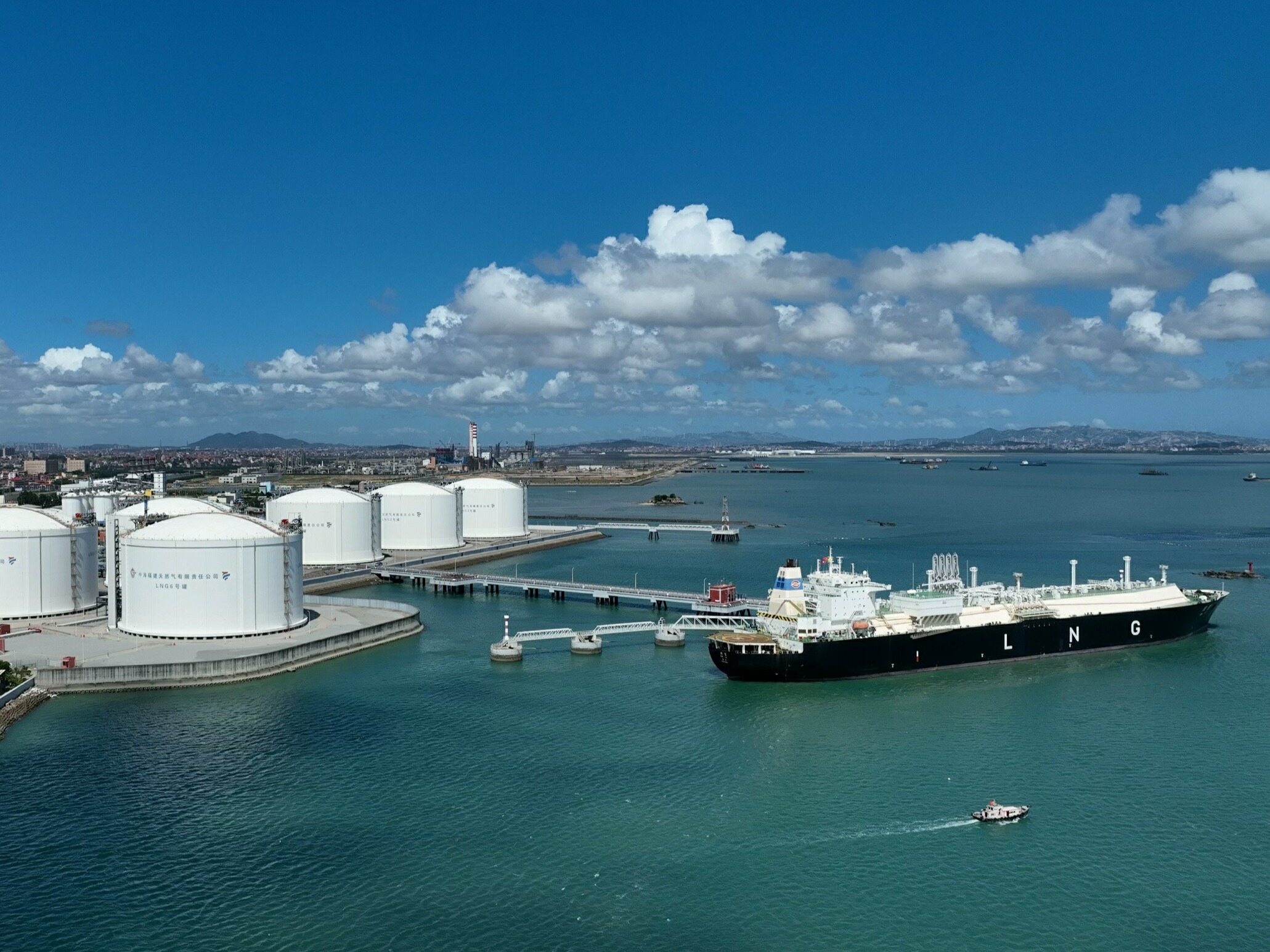
BP's confidence largely comes from its long-standing roots in Trinidad and Tobago. As the largest natural gas supplier in the domestic market of the country, BP has a mature business network and extensive oil and gas infrastructure here. Especially the Atlantic LNG facility located on the southwest coast of Trinidad, in which BP holds a 45% stake. The advantage of being close to the water tower means that the natural gas produced by Calypso can be connected to the existing liquefied natural gas industry chain nearby, significantly reducing transportation and processing costs and shortening the cycle from the seabed to the market. As the head of the company's upstream business stated, the advantages of existing infrastructure will effectively unleash new production and support long-term regional growth.
Advance the development process
In fact, preparations for the development of Calypso have already been intensively underway. In the first half of 2023, the project concept research will come to an end; In the second half of the same year, the front-end engineering pre design was immediately launched, aiming to refine and polish the development plan. The finalization of this wholly-owned acquisition will clear ownership barriers for subsequent engineering construction. Under the new model of wholly-owned holding, BP is expected to accelerate the decision-making process and push this deep-water project from blueprint to reality as soon as possible, adding an important deep-water weight to its energy layout in the Americas.Editor/Yang Meiling
Comment


 Praise
 Collect
 Comment

 Share
Share


Write something~