 Search


- The key leap from demonstration to engineering application of China's deep-sea floating wind power
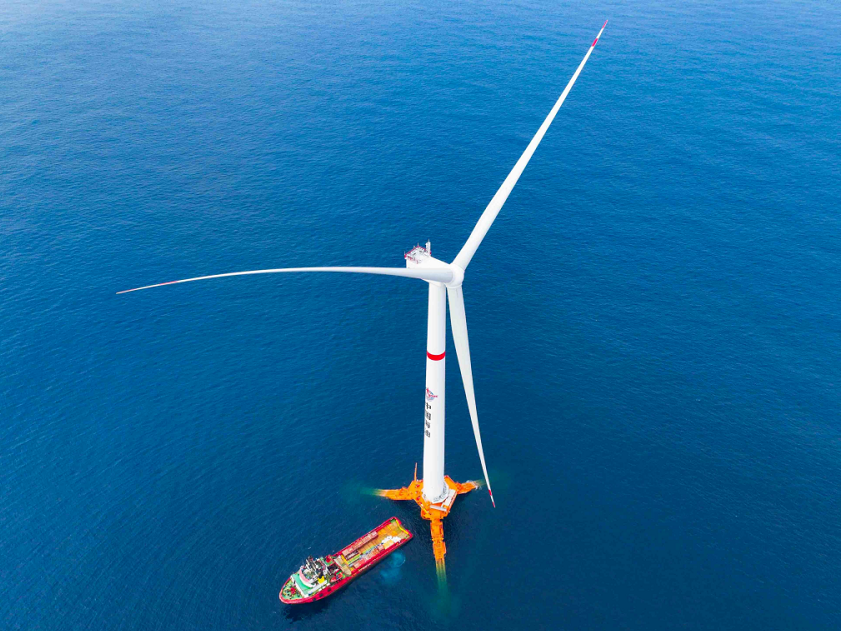
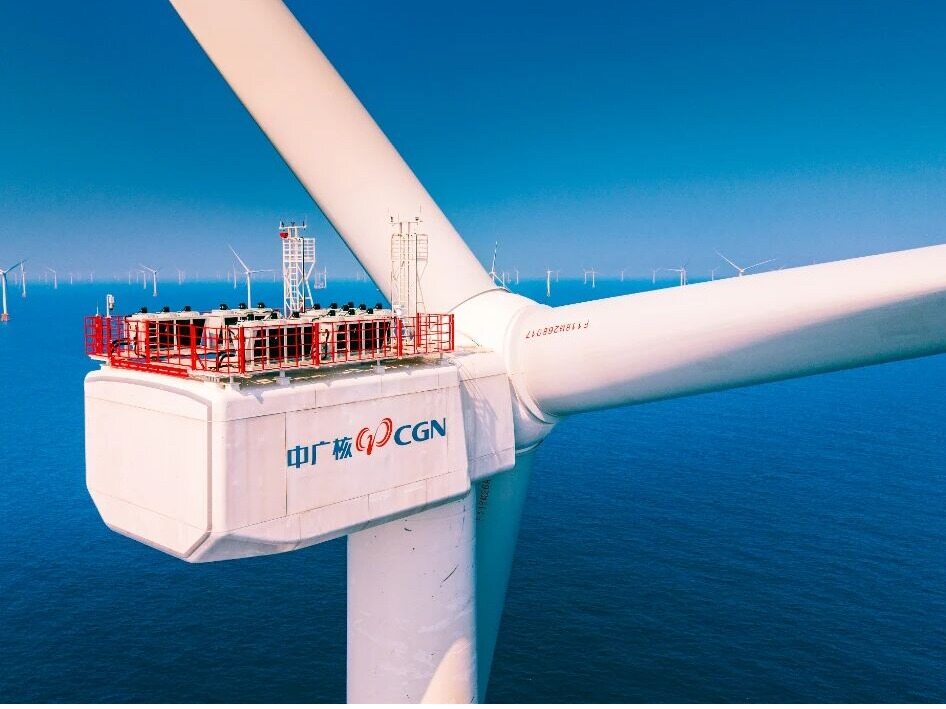
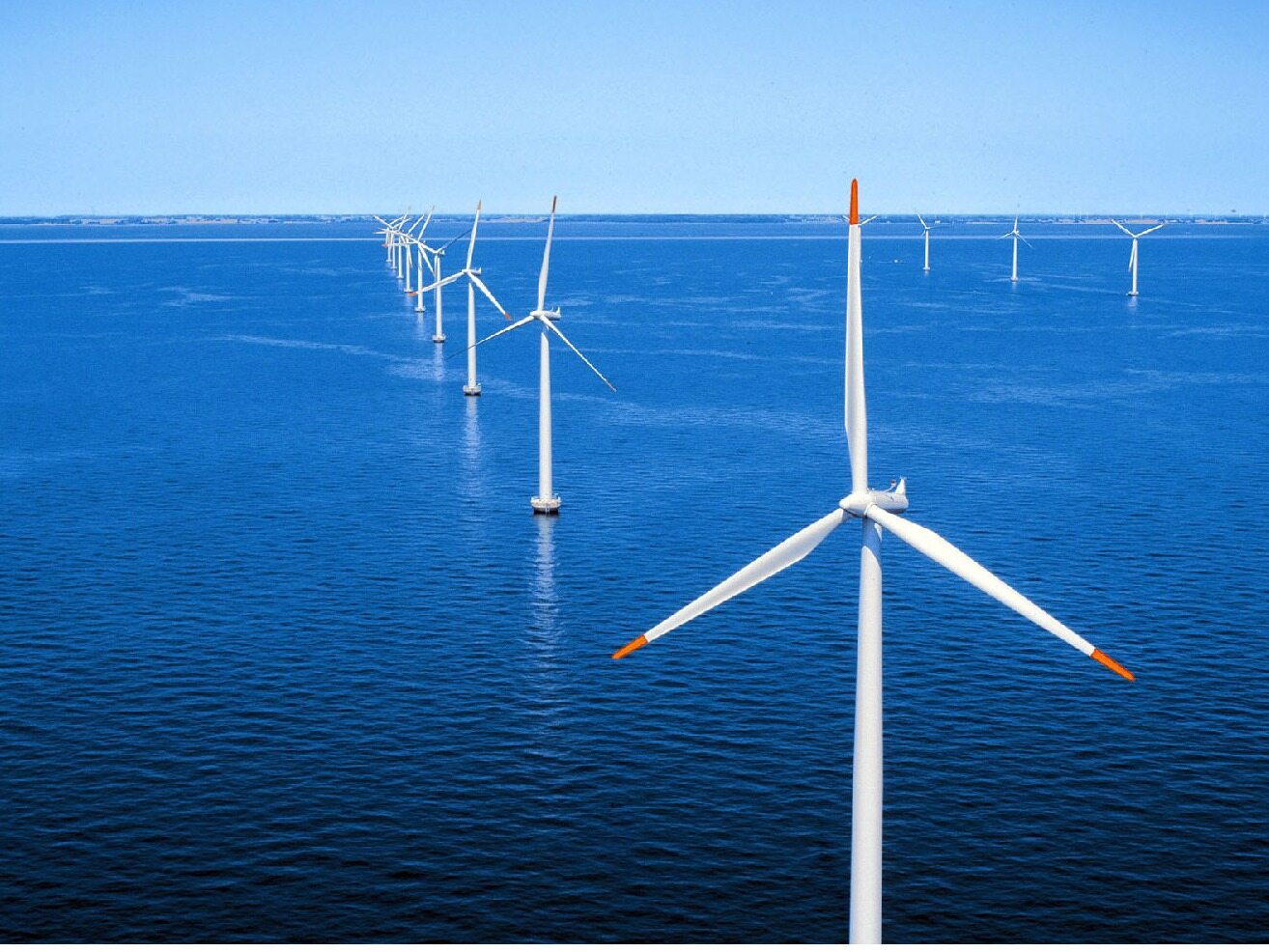
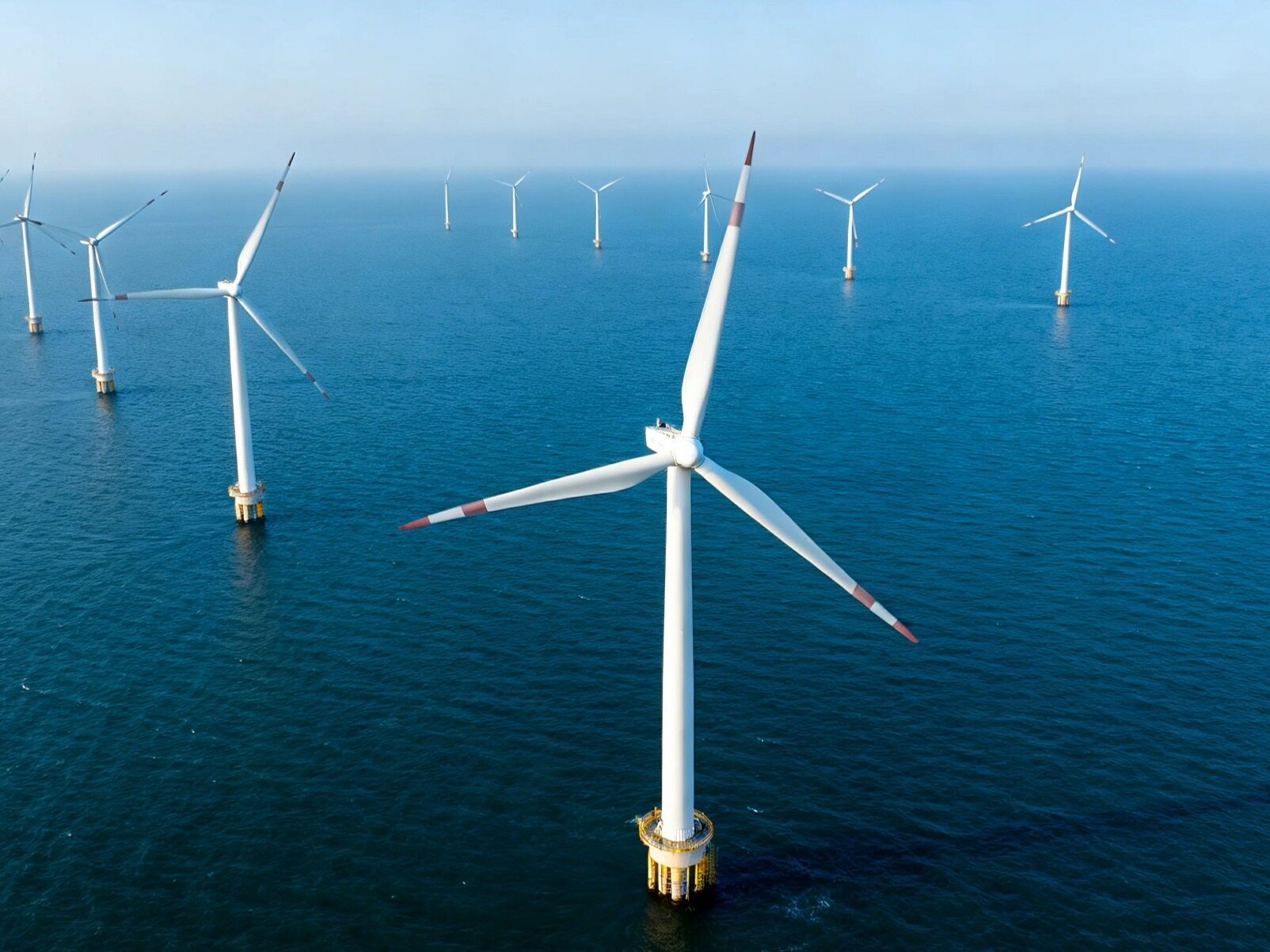
The sea breeze is blowing over the the Pearl River Mouth Basin, about 200 kilometers southeast of Shenzhen. Above the waves, three 126 meter long blades slowly turn, sweeping an area equivalent to 7.5 standard football fields; Under the waves, 9 high-strength steel cables over 100 meters long were stretched in a straight line, pulling the nearly 7800 ton platform tightly onto the 136 meter deep seabed. The submarine cable sends electricity to the Lufeng oilfield 3.8 kilometers away, and for the first time, offshore oil and gas fields have used wind power from the deep sea.
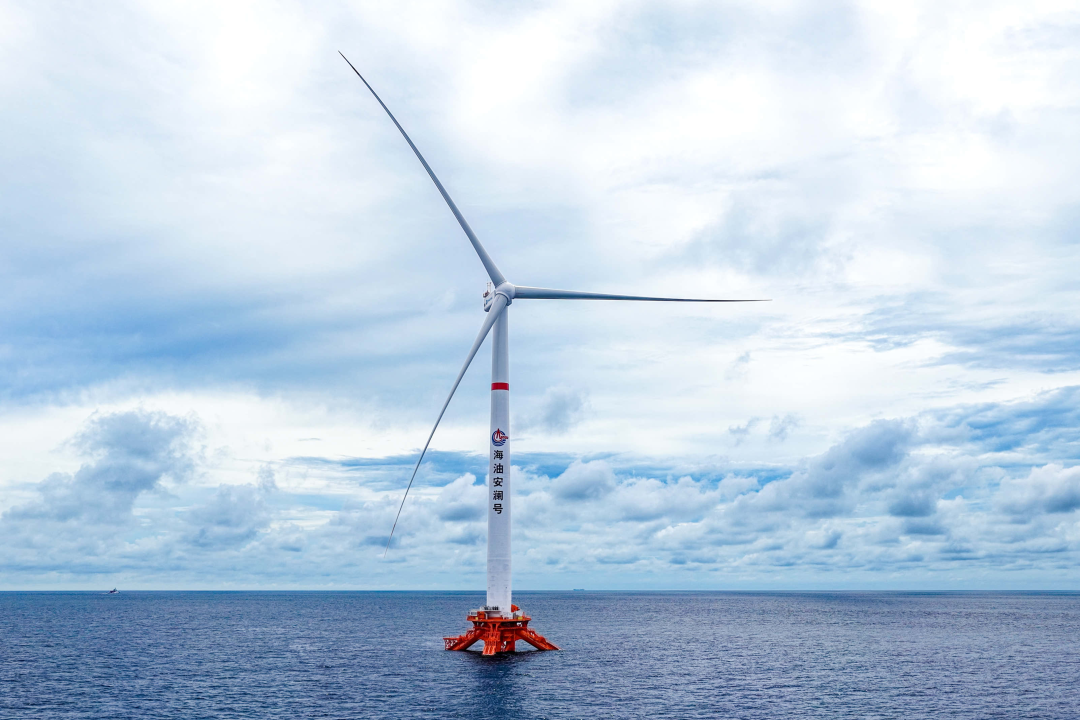
Deep Sea Windmill
The offshore oil Anlan is not a fixed fan inserted on the seabed in the offshore mudflat, but a real power island floating in the deep sea. It is 136 kilometers offshore, operating at a depth of 136 meters, with an overall height of nearly 110 floors. It is equipped with a 16 megawatt anti typhoon wind turbine, independently designed to withstand extreme conditions of a 17 level typhoon, and designed to serve for 25 years. At full power, the fan generates about 36 degrees of electricity per revolution, which is enough for an ordinary household to use for half a month; The annual power generation is 54 million kilowatt hours, which can meet the annual electricity consumption of about 70000 people.
Prior to this, China's deep-sea floating wind power was operated on a semi submersible route, with the principle of a ship floating on the surface of the water. The CNOOC Anlan has taken a more difficult path: the floating body relies on buoyancy to lift upwards, and 9 steel cables pull downwards, creating tension and anchoring the platform to the sea surface. Even if a Category 17 typhoon passes through, the platform tilt does not exceed 1 degree. This tension leg technology is internationally recognized as the most difficult, and there has only been one exploration in the mild waters of the Mediterranean before. China National Offshore Oil Corporation (CNOOC) has paved the way for this by connecting the semi submersible floating wind power of the CNOOC Guanlan in 2023.
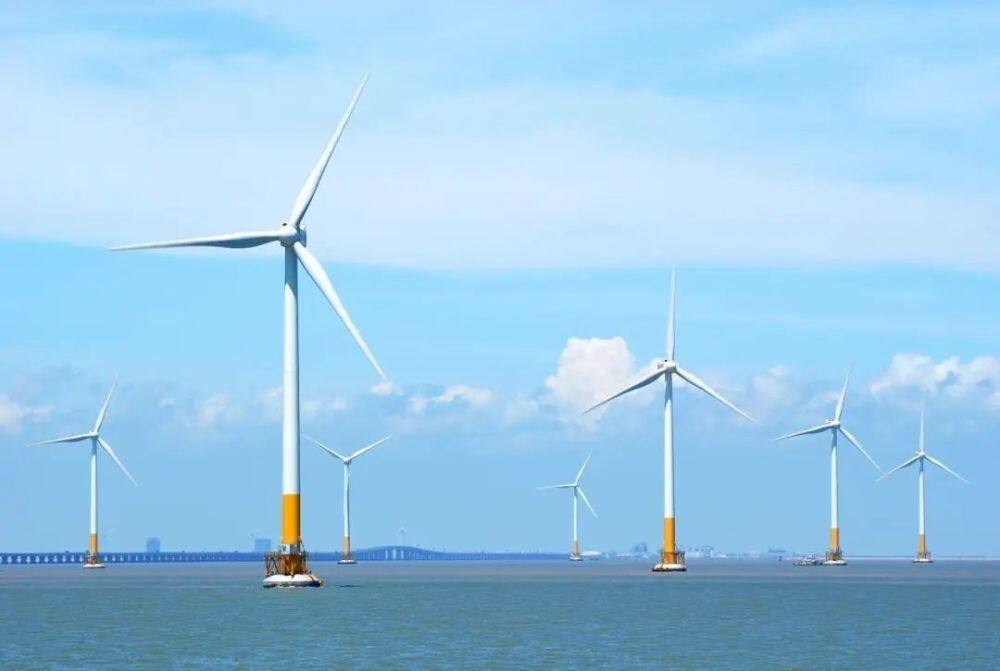
Steel cables grab the giant
To firmly plant this giant in the deep sea, it relies on a fully steel cable tension leg mooring system. Nine steel cables have a single tensile force of about 6500 tons, equivalent to lifting more than 4000 household cars at the same time. The lower end is connected to a giant anchor pile that is driven into the seabed in advance. The floating structure was built in Qingdao, Shandong Province, with a cumulative weld seam length of over 70000 meters and a first pass qualification rate of over 99%. Eight design schemes have obtained international authoritative certification; After completion, it towed more than 300 kilometers to the the Pearl River Estuary, and then the Blue Whale 7500 crane ship worked with many engineering ships such as Offshore Oil 291 to watch the wind, waves and currents with 3D sea state simulation, and completed the underwater millimeter level tieback, filling the technical gap of domestic tension leg floating wind power installation.
Compared with semi submersible platforms of the same level, the tension leg scheme requires 40% less steel for the floating body and reduces the sea surface area to about one tenth. Steel cables are almost perpendicular to the sea, unlike semi submersibles that radiate outwards and occupy the sea. The deeper the sea, the more cost-effective it is. This is particularly crucial for areas with frequent typhoons such as the South China Sea - able to withstand huge waves while minimizing competition for waterways, fishing grounds, and oil and gas wells.
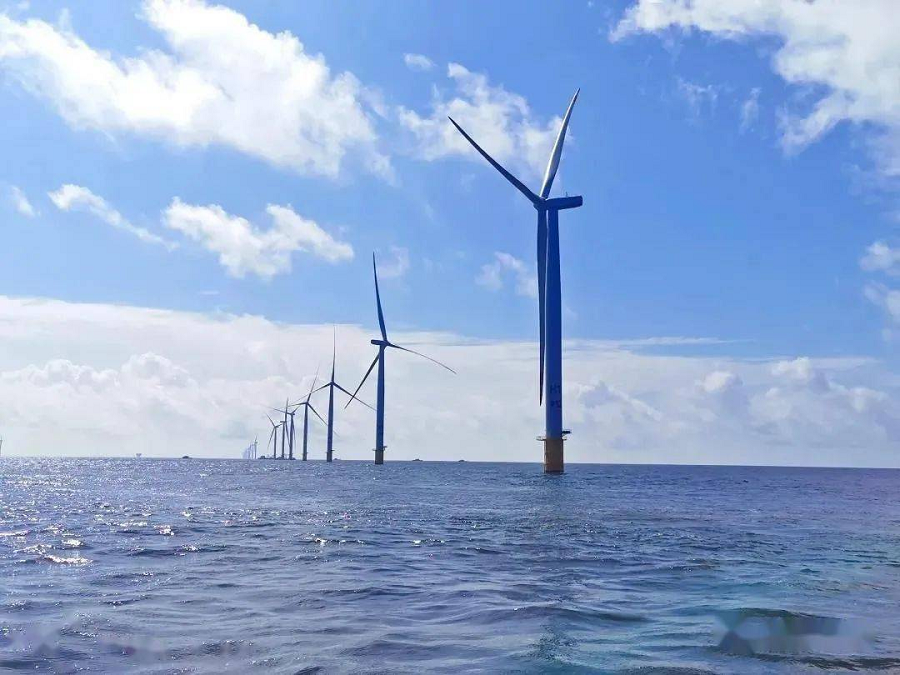
Green electricity direct supply oil field
How to use electricity is another hurdle. The Haiyou Anlan is connected to the power grid of the Lufeng Oilfield group through a 4.3-kilometer submarine cable, and has pioneered a three element coordinated power supply mode of offshore wind power, fuel power generation, and energy storage, smoothing out wind turbine fluctuations and allowing high proportion green power to be stably embedded into the oilfield microgrid.
According to calculations, the platform supplies 54 million kWh of green electricity annually, saving approximately 15000 cubic meters of fuel oil and reducing carbon dioxide emissions by 35000 tons after replacing self generated oil fields. For offshore oil and gas development, this means reducing carbon emissions is not about shutting down wells, but about allowing wind power and oil and gas to coexist in the same sea. From the 7.25-megawatt integration of Guanlan into Wenchang Oilfield in 2023, to today's 16 megawatt integration of Anlan into Lufeng Oilfield, China has broken three world records for floating wind power single unit capacity, operating water depth, and offshore distance, and has also provided interfaces for future offshore electricity scenarios such as seawater hydrogen production, ocean ranches, and offshore data centers.
The sea breeze keeps blowing, and the leaves continue to rotate. The nine taut steel cables not only hold 7800 tons of steel, but also the main thread of China's far-reaching offshore wind power from following, demonstrating to commercial closed-loop.Editor/Yang Meiling
Comment

 Praise
 Collect
 Comment

 Share
Share


Write something~