 Search


- Saudi capital enters Syria for energy reconstruction, 760MW photovoltaic energy storage landed
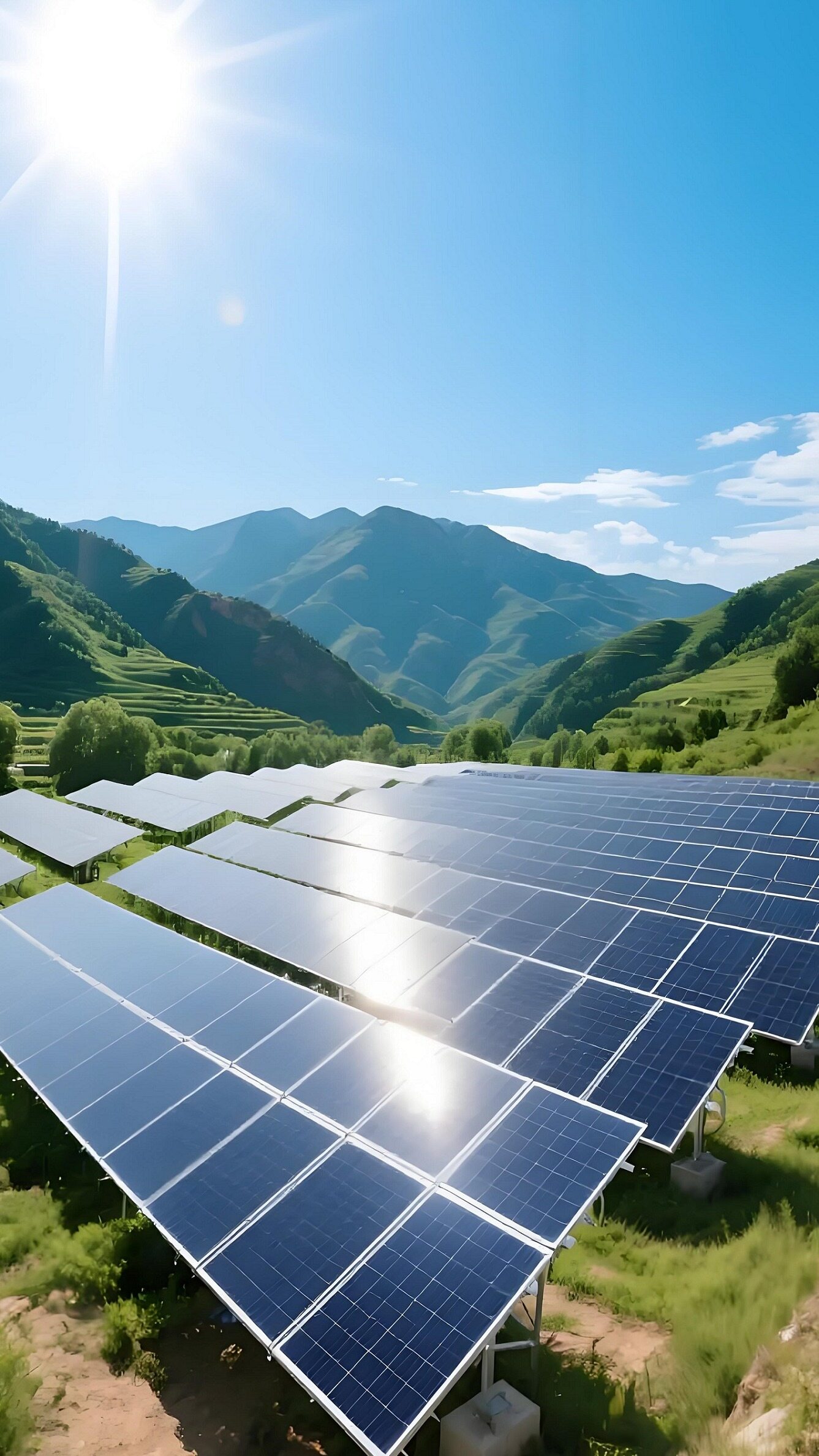
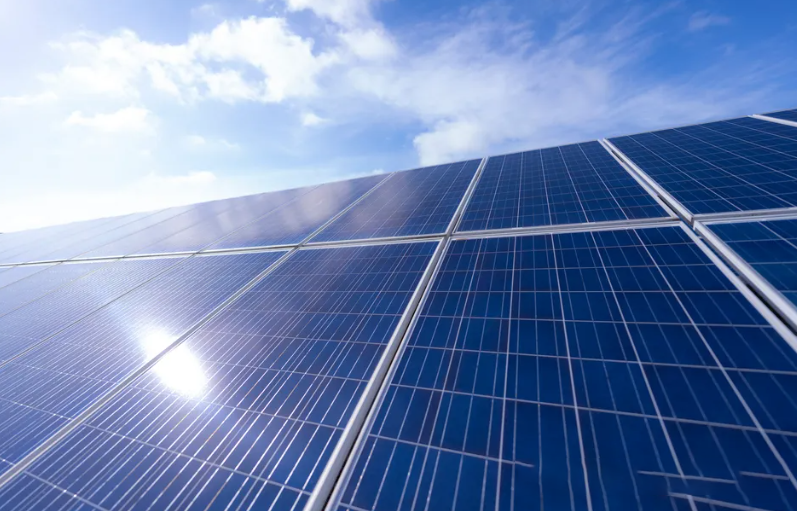
On August 5, 2026, at a signing ceremony in Damascus, Saudi Arabia's Mohammed Ahmed Al Halfi Company and Syrian Electricity Company officially signed three power purchase agreements. At the moment the agreement was signed, Syria's post-war energy reconstruction welcomed its largest renewable energy investment to date - a 760 megawatt photovoltaic power plant and a 1077 megawatt hour energy storage system, marking the first large-scale entry of Saudi capital into the Syrian market. From the 210MW memorandum of understanding to the formal 760MW power purchase agreement, Syria's energy reconstruction is moving from sporadic repairs to systematic reconstruction.
Saudi capital enters Syria for the first time
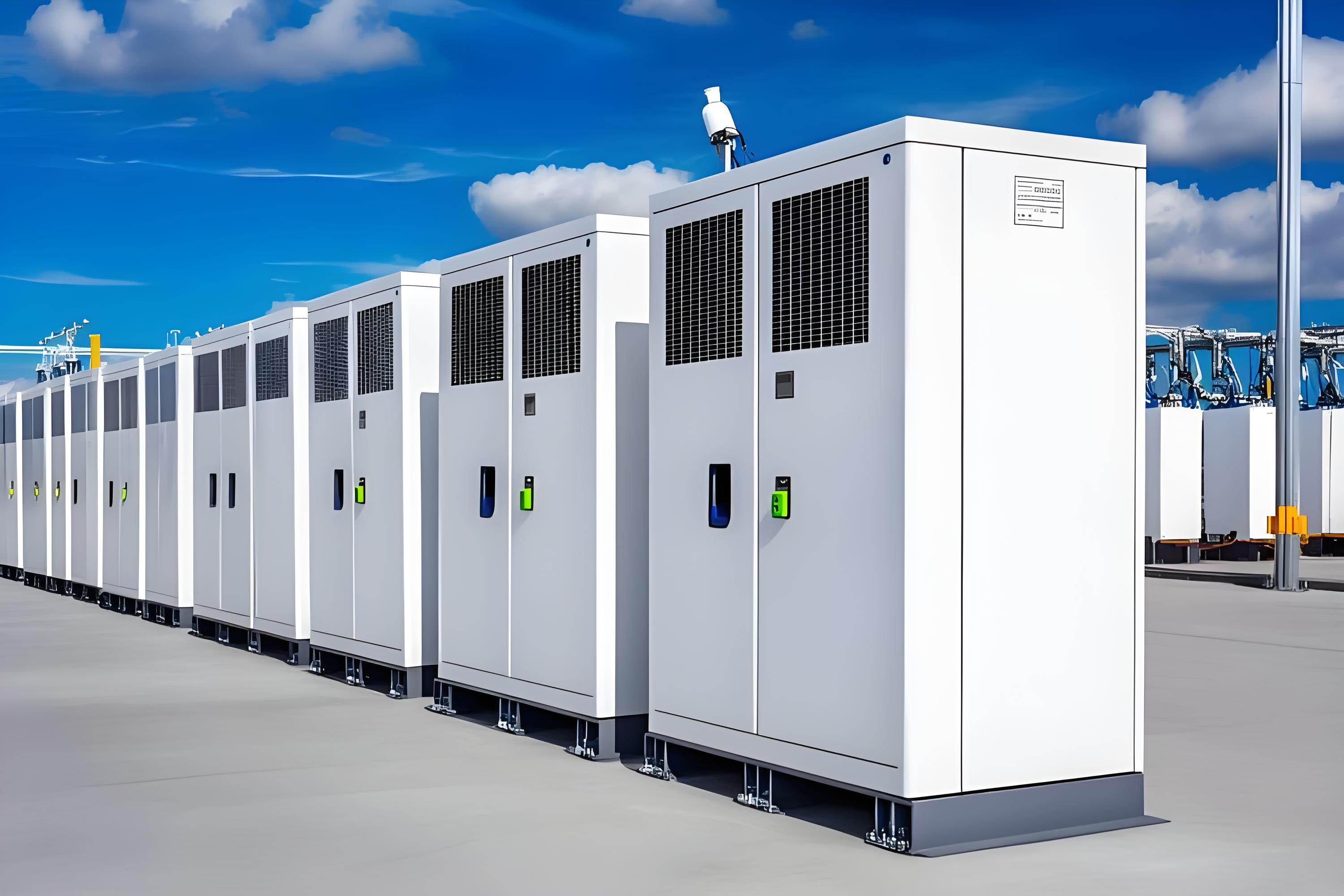
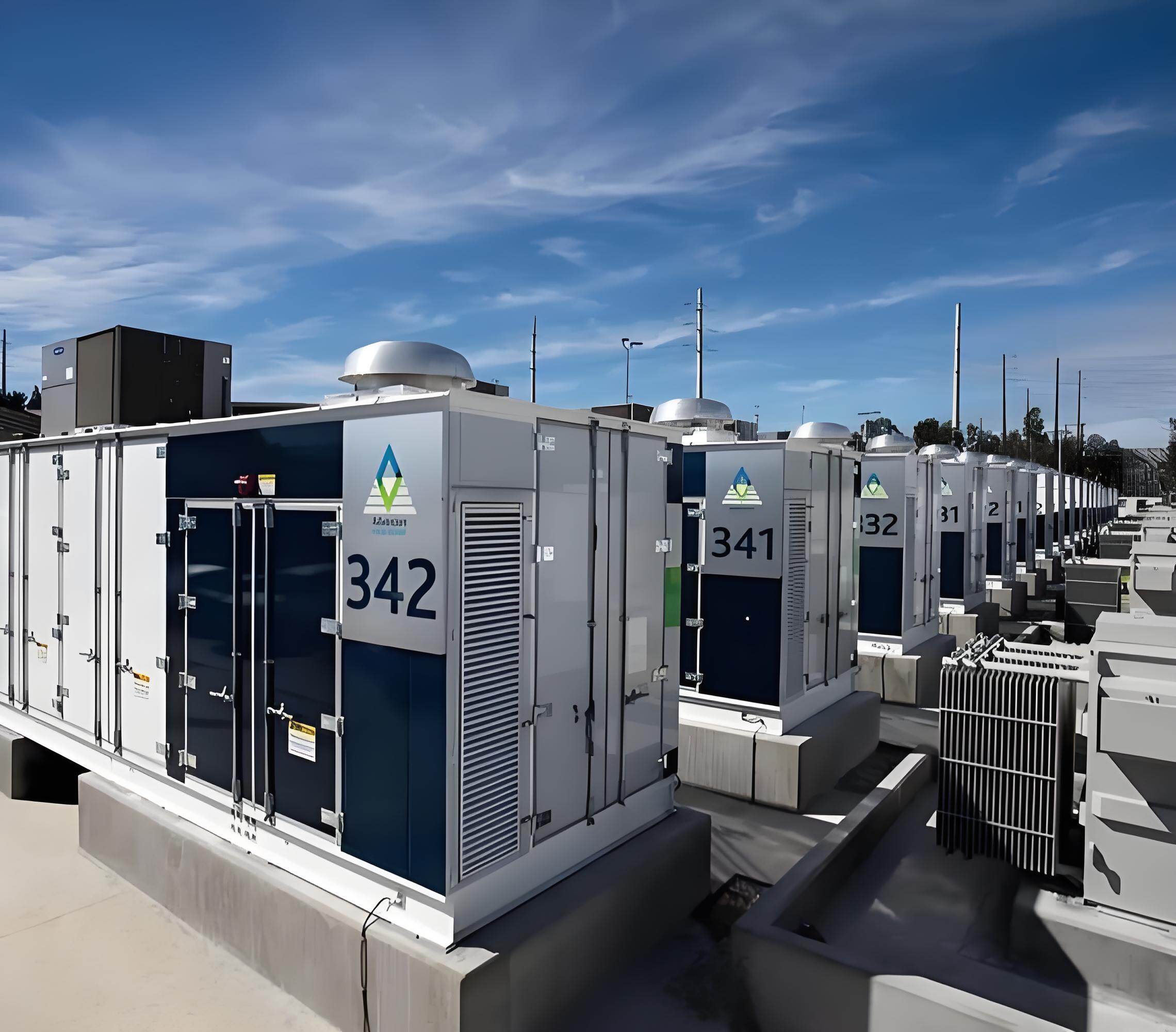
The three power purchase agreements have a term of 20 to 25 years, and the benchmark starting electricity price for the project is about 3 cents per kilowatt hour. Three solar power stations are located in the Vidyan Rabi area of Damascus Rural Province, with a total installed capacity of 760 megawatts of photovoltaic power generation and a supporting 1077 megawatt hour battery energy storage system, with a storage capacity ratio of approximately 1.42 to 1. This is the largest planned renewable energy project in Syria's history. Previously, Al Kharfi Company had signed a memorandum of understanding with Syria in February 2026 for 210 MW photovoltaic and 827 MWh energy storage. The official implementation of the power purchase agreement marks a significant upgrade in Saudi capital's layout in Syria's renewable energy sector.
Three party cooperation to build power grid
Behind the project is a clear tripartite collaboration architecture. Saudi Arabian capital firm Al Halfi is responsible for the full lifecycle management of the project as an investor and developer. The Saudi technical support party has signed a technical cooperation agreement with Saudi Power Project Development Company to provide engineering consulting services for project management and implementation. The German technical team has signed a technology cooperation agreement with Siemens Energy, covering technical cooperation and knowledge transfer for main substations, power generation, and energy storage systems. Previously, the Saudi Power Project Development Company had signed a framework agreement with the Syrian side in February 2026 to provide energy project technology and engineering services, and Siemens Energy had also signed a memorandum of understanding with the Syrian Ministry of Energy to develop the Syrian power grid control and operation system. Keywords: Middle East News Network, Photovoltaic, Energy Storage
Energy reconstruction acceleration
The Syrian power grid was one of the oldest in the Middle East before the war, and post-war repairs have been stuck in the stage of repairing where it broke down. The combination of 760 megawatts of photovoltaics, 1077 megawatt hours of energy storage, and grid control system means that Syria is building a brand new energy infrastructure system. The 20-25 year power purchase agreement provides a long-term stable income expectation for the project, and the starting price of 3 cents per kilowatt hour is at a competitive level in the Middle East photovoltaic market, which is expected to become an important pricing reference benchmark for foreign investment in Syria's new energy projects in the future. For Chinese enterprises engaged in photovoltaic modules, energy storage systems, and power transmission and transformation equipment, this is an early window worth paying attention to.Editor/Gao Xue
Comment



 Praise
 Collect
 Comment

 Share
Share


Write something~