 Search


- ADNOC Gas launches $8.2 billion expansion plan to shift focus to new LNG exports on the East Coast
- Gulf oil producing countries collectively pave the way to bypass the "bottle mouth" and survive
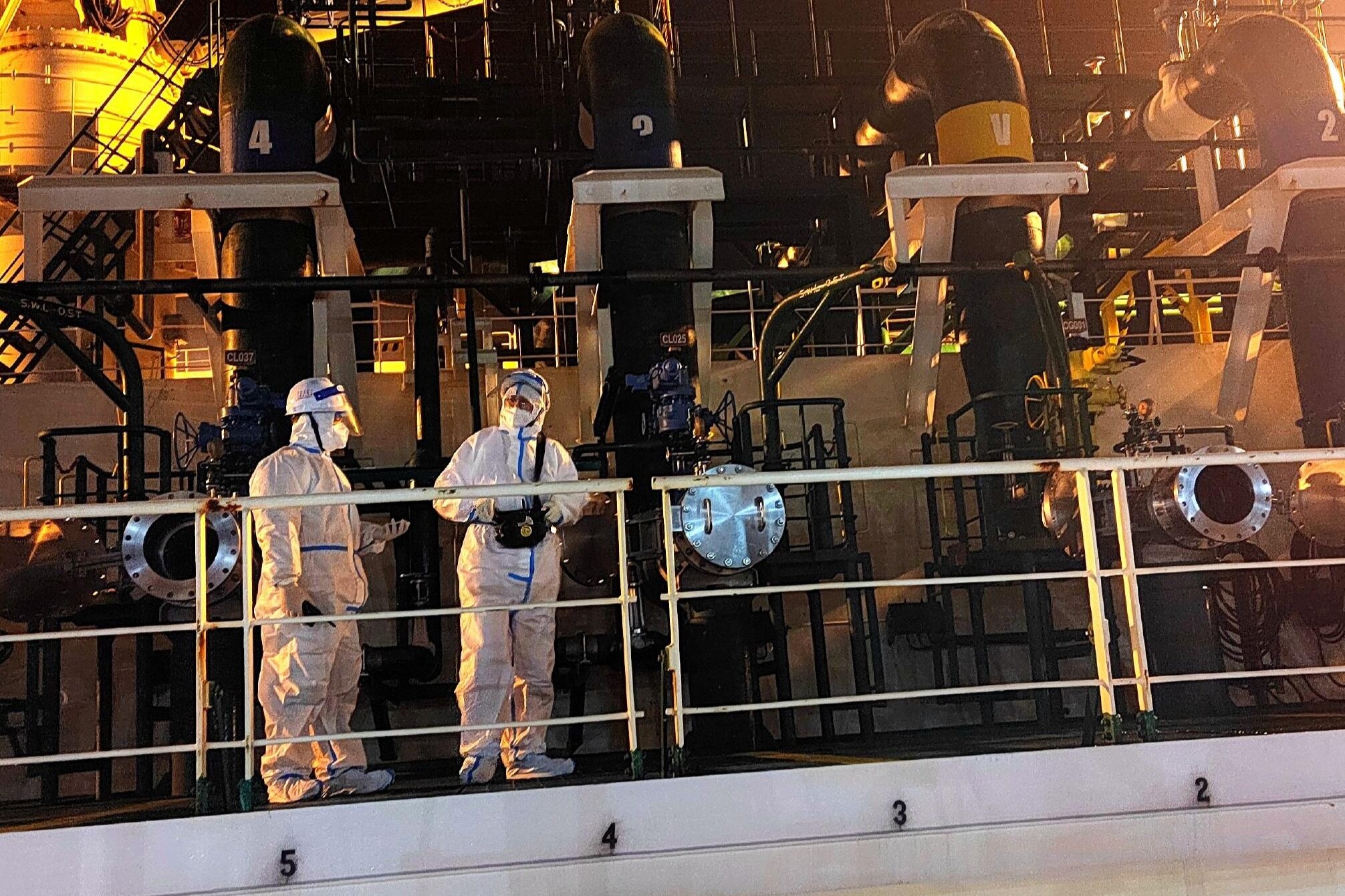
In the darkness of the Persian Gulf, Peter van der Leyl, the Chief Financial Officer of ADNOC Gas, a listed subsidiary of Abu Dhabi National Oil Company (ADNOC), spoke calmly but confidently into an interview microphone: the company is evaluating multiple locations on the east coast of the United Arab Emirates and plans to build a new liquefied natural gas (LNG) export facility outside the Strait of Hormuz. The plan has not been finalized yet, but the direction is already clear - to send natural gas from the United Arab Emirates out of the Persian Gulf, no longer just looking at the face of Hormuz.
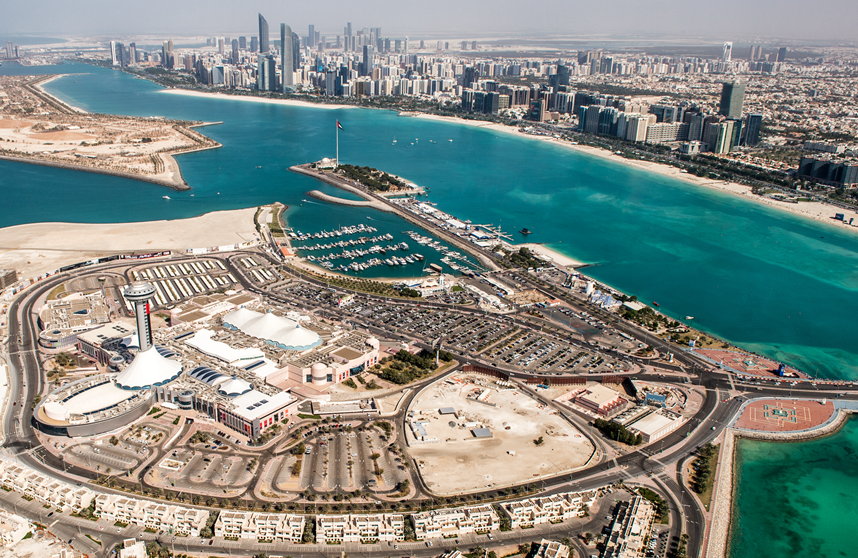
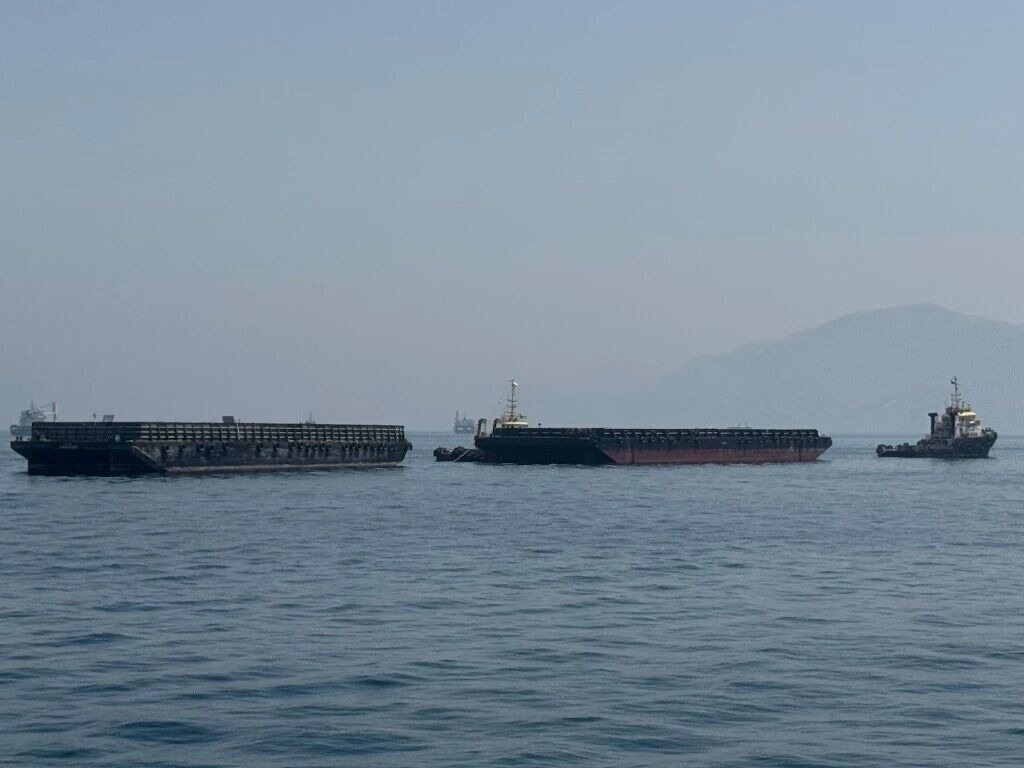
Since the outbreak of the Iran conflict at the end of February this year, this narrow strait that carries about one-fifth of the world's oil and LNG has become a powder keg. Last week, three more oil tankers were hit by missiles and drones, bringing the total number of attacked ships to 15. Insurance premiums skyrocketed and shipping schedules spiraled out of control. For the first time, Gulf oil producing countries have seen this clearly: putting their national energy lifeline into a bottle is too dangerous.
8.2 billion yuan expansion and implementation
On August 10, 2026, ADNOC Gas simultaneously submitted its second quarter financial report and a heavyweight investment order: the final investment decision for the Rich Gas Development Project (RGD) Phase II and Phase III was made, awarding a total of $8.2 billion in engineering general contracting contracts. Among them, 3.9 billion US dollars will be given to China Wison Engineering to build a new natural gas processing series in Habchan; 4.3 billion US dollars will be given to Tecnimont, Italy to build a condensate fractionation unit in Ruves. By adding the first phase of 5 billion US dollars in June 2025, the overall investment of RGD will reach 13.2 billion US dollars, and the capital expenditure from 2026 to 2030 will increase to 28 billion US dollars.
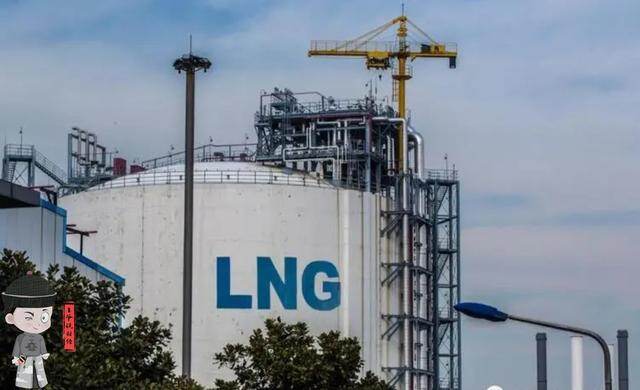
This money is exchanged for a hard expansion of processing capabilities. The Ruwais LNG terminal is scheduled to be put into operation by the end of 2028, with an annual export capacity more than doubling from less than 7 million tons to about 15 million tons; Habchan, the largest natural gas processing plant in China that was damaged during the war, has been restored to approximately 85% operational level. The company expects EBITDA to increase by 60% compared to the 2023 benchmark in 2030, which is a direct increase from the original target of 40%. This is due to the strong demand for natural gas generated by power plants, industries, and data centers in Asia.
New East Coast Exit
What really attracts the attention of the industry is the 'undecided draft' on the East Coast. Building an LNG plant along the eastern coast of the Gulf of Oman in the United Arab Emirates means that gas needs to be transported from the Habchan and Ruwais areas in the western desert through long-distance pipelines that cross the land. The plant will then be directly inserted into the Gulf of Oman, loaded onto ships, and transported south into the Indian Ocean, completely avoiding Hormuz.
The United Arab Emirates actually left room for further development: the 420 kilometer Abu Dhabi crude oil pipeline has been connected from Habshan to the port of Fujairah, with a daily oil flow of 1.5 to 1.8 million barrels, and the Fujairah port itself is constantly expanding. But LNG is different, liquefaction plants start with investments of billions of dollars and also need to be equipped with long gas pipelines, making their economic accounts much more complex than crude oil pipelines. Van Der Leyl admitted that he is still in the process of selecting a location, but once it lands, the United Arab Emirates will become the first major country in the Gulf to move its main LNG export line out of Hormuz, and Qatar and other peers who still travel through the strait will be sidelined.
Gulf collective detour
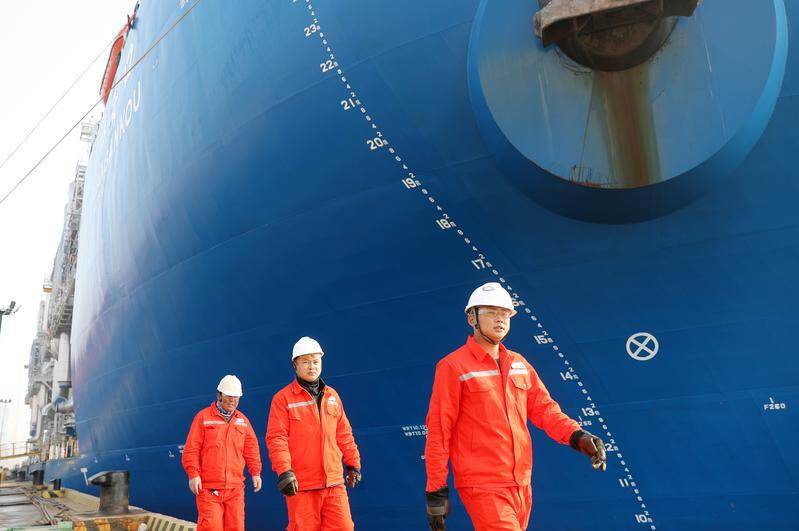
The United Arab Emirates is not an isolated case. After the expansion of the Saudi East West pipeline, about 5 million barrels of crude oil will be delivered daily to Yanbu Port in the Red Sea. In 2026, an additional 2 million barrels of capacity are planned to be added, leaving the Red Sea and entering Suez directly to Europe; Iraq was pinched the most -95% of the crude oil went to Hormuz before the war, and 90% of the finance depended on oil. Now, the 700 km new pipeline from Basra to Hadisse has been restarted, and a memorandum of understanding has been signed with Syria to repair the old line in 1952. The multi-directional way out of Kirkuk - Banias - Ceyhan, Türkiye has been paved together.
The statement by US Secretary of Energy Wright that 'Hormuz is a card that can only be played once' is being undermined by neighbors: Iran is playing the card on the table, while Gulf countries are silently moving the table into the desert. For ADNOC Gas, $8.2 billion is not only for expanding production, but also for buying insurance - about 60% of domestic commercial gas is supplied by it, and more than 20 overseas customers are waiting to pick up the goods. If the ship cannot go out, even if the gas well is opened vigorously, it will be a dead end.
No one can say for sure when the war will end, but the excavator has already been deployed. When the LNG receiving ship on the east coast docks for loading for the first time, the narrative of the "only throat" in the Persian Gulf will probably come to an end.Editor/Yang Meiling
Comment





 Praise
 Collect
 Comment

 Share
Share


Write something~