 Search


- CNOOC announces full production of the first phase of the Bohai 19-6 gas field
- Daily oil and gas equivalent exceeds 5200 tons, with additional hard support added to ensure supply in the east
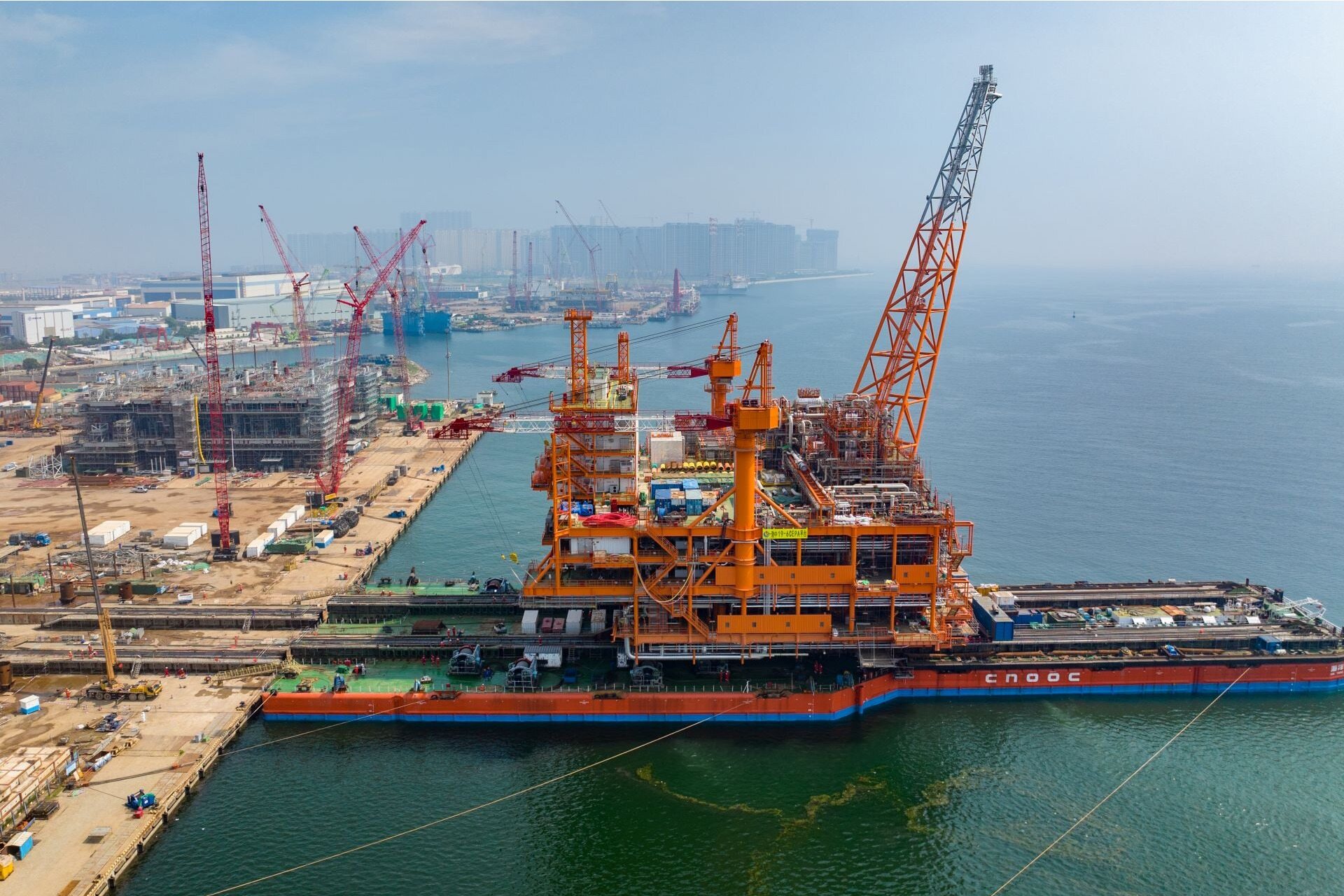
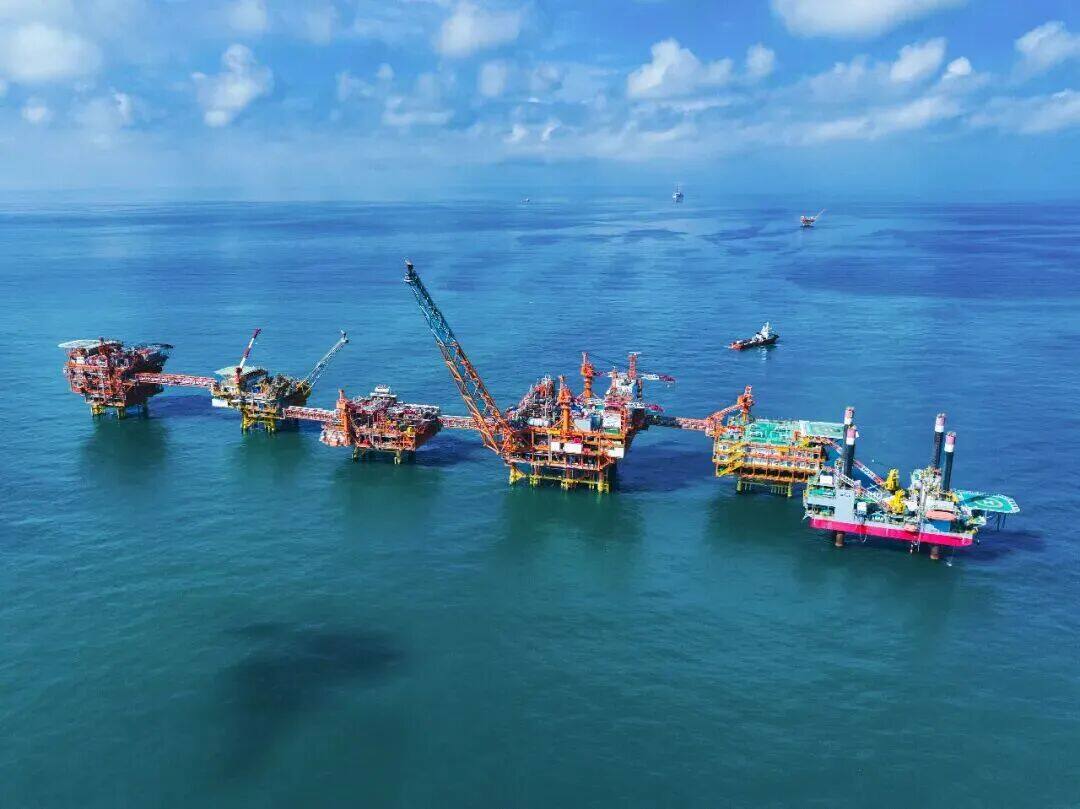
In the central waters of the Bohai Sea, with an average depth of about 20 meters below the water surface, the drill bit has to cross over 5000 meters of seabed and rock layers to reach the ancient buried hill that has been dormant for hundreds of millions of years. On August 9, 2026, China National Offshore Oil Corporation (CNOOC) Tianjin Branch announced that the first 100 billion cubic meter gas field in Bohai, the first phase of the Bohai 19-6 gas field development project, has been fully put into operation, with a daily oil and gas equivalent of over 5200 tons, including a daily gas production of 3.5 million cubic meters. From the initial production in November 2023 to the current overall production capacity, this deeply buried oil and gas treasure has finally been steadily connected to the energy artery of the Bohai Rim.
Deep buried hill searching for gas
The Bozhong 19-6 gas field has proven geological reserves of over 200 billion cubic meters of natural gas and over 200 million cubic meters of petroleum liquids, making it the largest fully assembled offshore gas field in eastern China. Its difficulty is written in every geological parameter: the reservoir depth exceeds 5000 meters, the highest underground temperature is 204 ℃, and the formation hardness exceeds conventional carbon steel; Oil and gas are not stored in the entire reservoir space, but are immersed in micro scale cracks that are only 0.01 to 0.1 millimeters wide, resembling condensate gas in a hair.
What's even more concerning is that this is a metamorphic rock buried hill from the Precambrian period, with numerous cracks but disorderly interconnections. Conventional exploration methods are difficult to determine which cracks contain gas and which wells should be drilled in which direction. China's natural gas reserves have long been abundant in the west and scarce in the east, and the gas consumption along the eastern coast is highly dependent on the West East Gas Pipeline and imported LNG. The emergence of Bohai 19-6 is equivalent to adding a nearby gas source at the doorstep of Bohai Bay.
Ultra deep well breaking hard rock
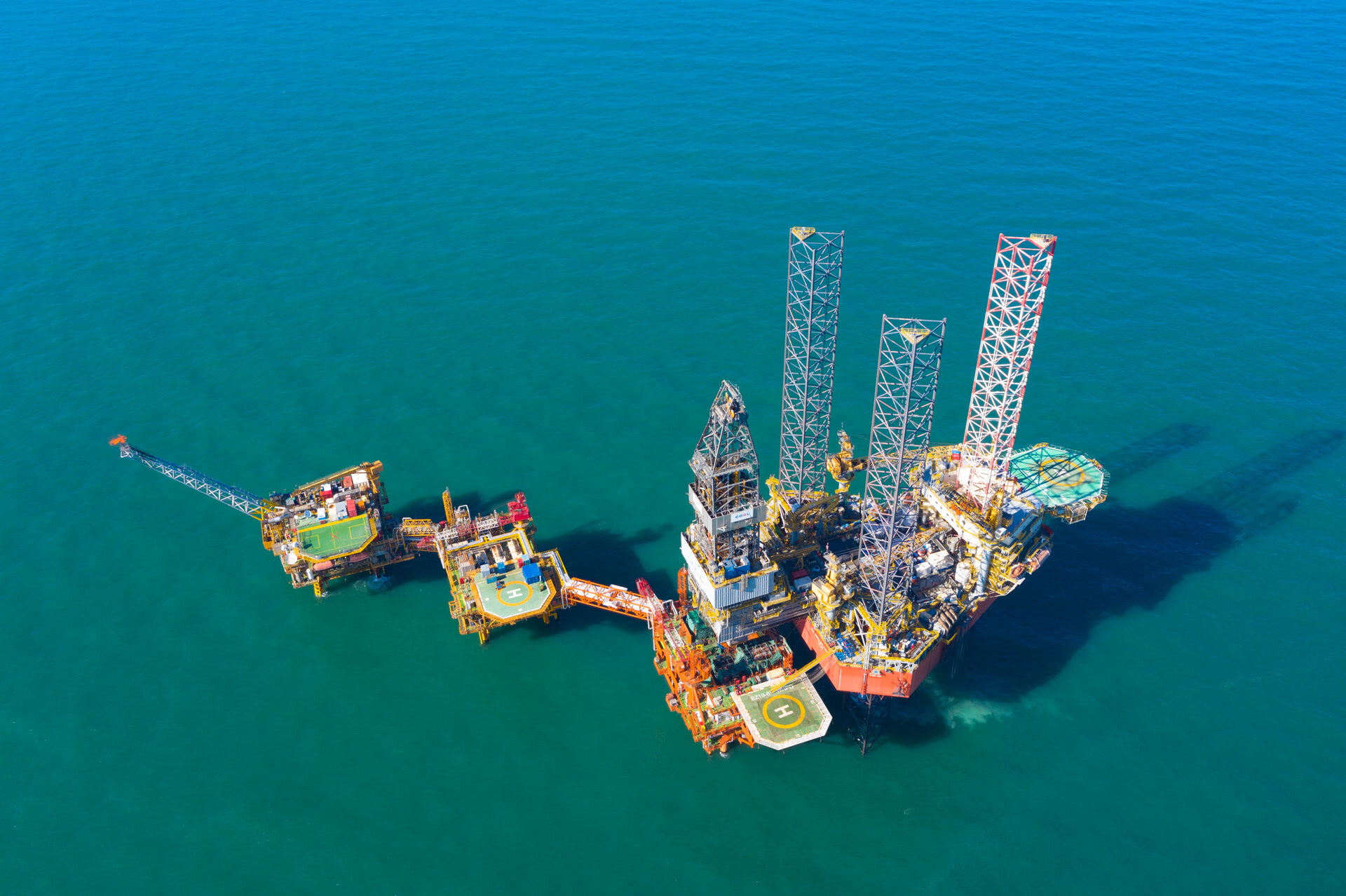
To obtain gas below 5000 meters, the well must be drilled down first. The first phase of the project successfully implemented 10 ultra deep wells over 6000 meters, setting a record for the number of ultra deep wells in Bohai Oilfield development projects. The average depth of drilling operations exceeded 5500 meters, with some wells approaching 6500 meters.
Faced with extremely hard formations, high temperatures and pressures, and complex fractures, the technical team has successively broken through key technologies such as drilling technology for extremely hard formations and high-temperature resistant drilling fluid systems, and constructed an independent and controllable offshore ultra deep buried hill development technology system. They have also completed the world's first sub well operation in the Precambrian buried hill formation - equivalent to drilling along the ancient mountain fracture network branching off several kilometers underground, gradually extracting dispersed oil and gas. The project is equipped with one central processing platform, three unmanned wellhead platforms, and one natural gas processing terminal, and the entire process from design, construction to operation and maintenance is domestically produced.
Stable production through cyclic gas injection
If the condensate gas in Qianshan is extracted through conventional depletion, the formation pressure will drop, and the gaseous hydrocarbons will transform into liquid and get stuck in micro fractures. The condensate oil cannot be extracted, and the recovery rate is extremely low. The technical team changes their approach: dehydrate and pressurize some of the extracted natural gas, and inject it back into the formation through an offshore gas injection platform to supplement pressure, using gas to preserve gas and gas to preserve oil.
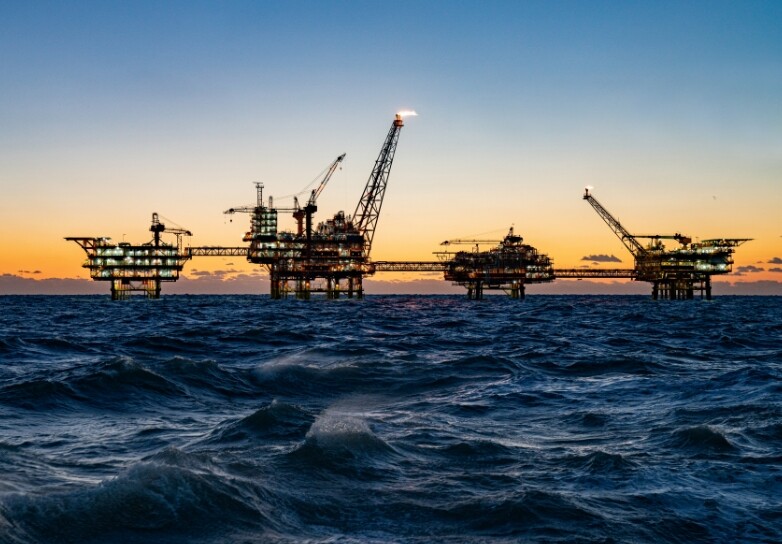
This closed-loop system also solves a seasonal problem - injecting surplus gas during low demand periods in summer is equivalent to squeezing out an underground gas storage tank in Qianshan, releasing high-pressure gas during peak heating periods in winter, and connecting summer injection and winter production with peak demand in the Beijing Tianjin Hebei region. It also eliminates the waste of traditional offshore gas field venting and burning gas. At present, the gas field has produced over 2.8 billion cubic meters of gas cumulatively, during the peak summer season. The daily gas flow of 3.5 million cubic meters directly flows into the pipeline network of more than 50 cities around the Bohai Sea, providing a foundation for the livelihood and industrial gas consumption in the Beijing Tianjin Shandong Hebei region.
The full production of Bozhong 19-6 is not just an additional gas field. It means that China has mastered a complete set of independent technologies in the development of ultra deep, ultra hard, and ultra high temperature buried hill oil and gas reservoirs at sea, and has also given us an eastern offshore card in our hands beyond the western gas source. When calculating the gas shortage in the future heating season, the share that can be filled in the Bohai Bay has actually increased.Editor/Yang Meiling
Comment



 Praise
 Collect
 Comment

 Share
Share


Write something~