 Search


- Romania's gigawatt level photovoltaic project approved, reshaping the European clean energy industry landscape
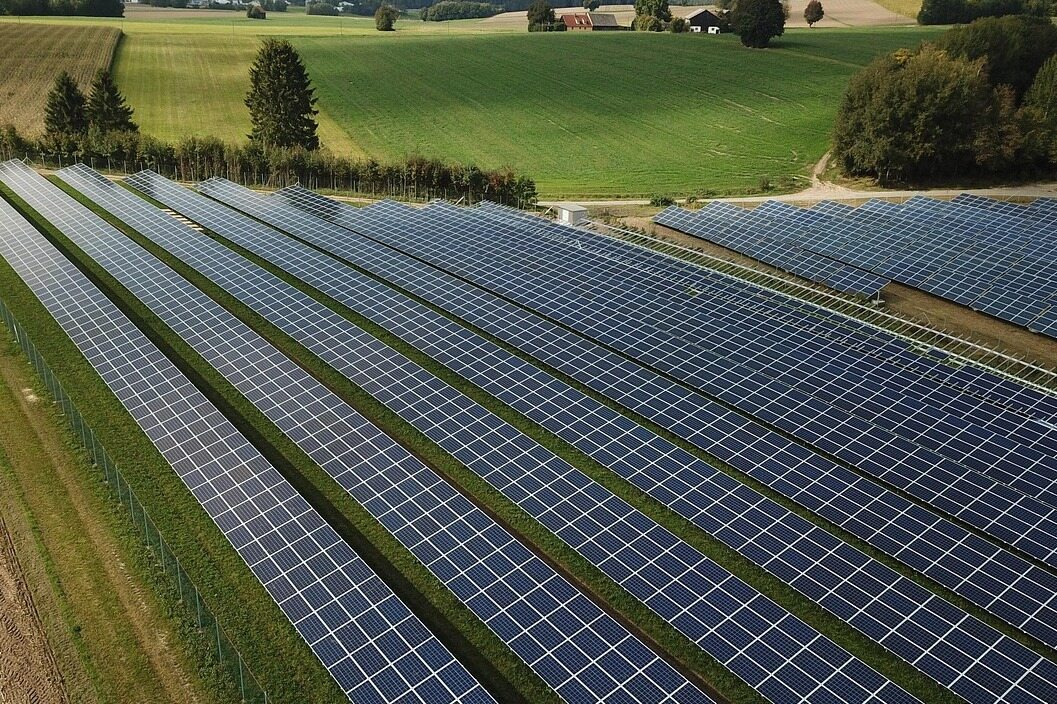
The European new energy landscape has achieved a major breakthrough, with the giant photovoltaic project in Arad County, western Romania successfully obtaining national level core approval documents and jumping into the ranks of Europe's top photovoltaic power stations. Relying on the bottom line benefits of price difference contracts and the support of multiple international financial institutions, the project has opened up a new paradigm for the landing of large-scale green power in Central and Eastern Europe, and also pointed out the direction of compliant participation for domestic new energy enterprises going global.
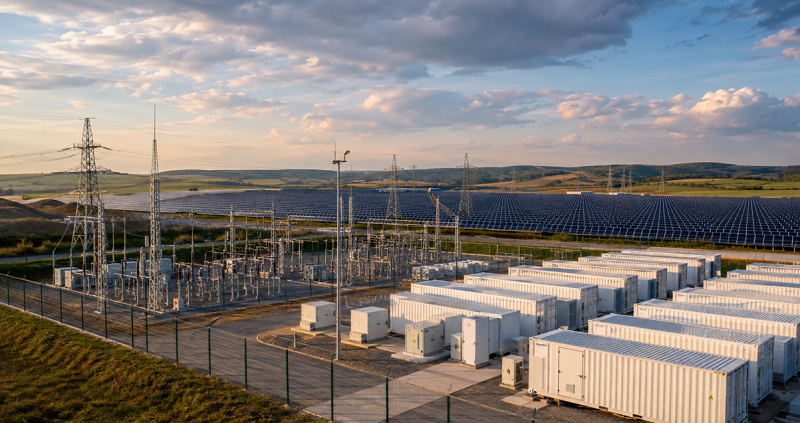
Heavy approval landing
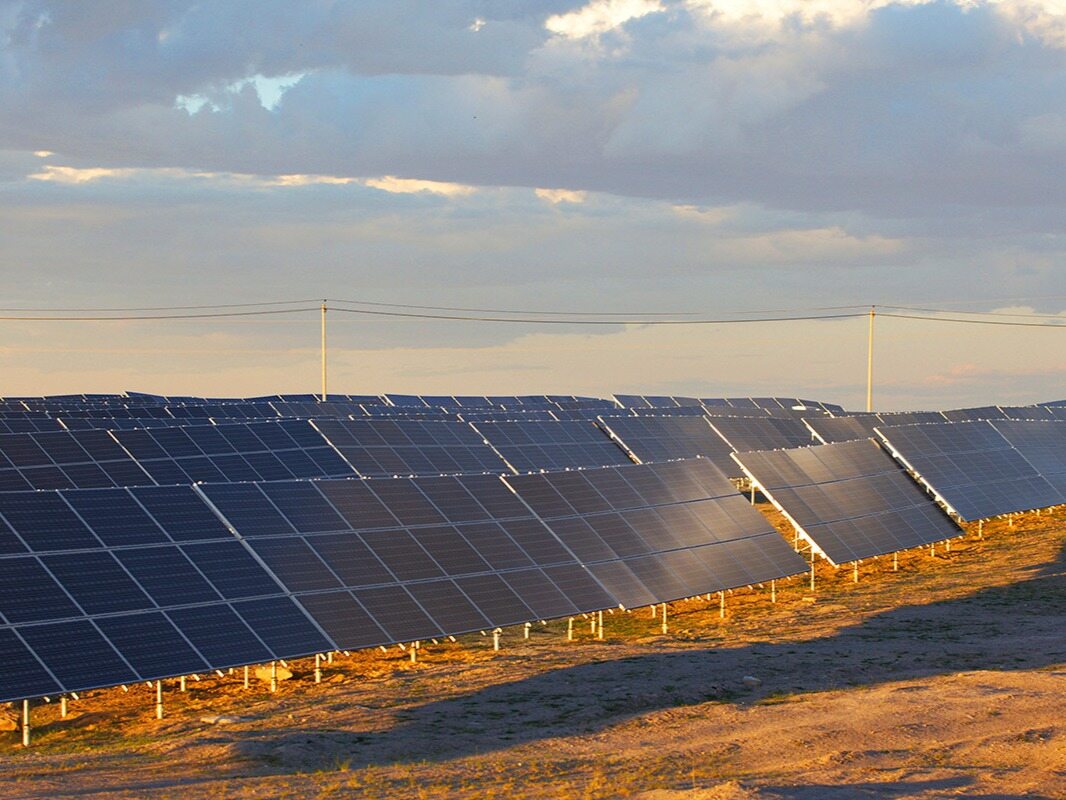
The Dama Solar photovoltaic project is located in the Pilu and Gr ă niceri areas of Arad County, Romania, covering a total area of over 1064 hectares, adjacent to the 400 kV main power grid and the Romania Hungary cross-border transmission line. The latest approved installed capacity of the project is 1.2GW, which will become the leading photovoltaic power station in the EU. This time obtaining the ANRE establishment permit from the National Energy Regulatory Administration has cleared the most important regulatory obstacles before construction begins, marking the official transition of the project from long-term reserve planning to the construction preparation stage. The early planned capacity of the project is 1044MW, and according to documents from the European Bank for Reconstruction and Development, the peak value on the DC side can reach 1357.4MWp. The difference in values is due to two statistical criteria: AC grid connection and DC components. The project is still advancing financing delivery and equipment bidding, with plans to be completed and put into operation around 2028.
Profit model provides a bottom line
The project won a total of 520MW quota through the second round of price difference contract bidding in Romania, and was executed in two 260MW contracts with electricity prices of approximately 42.1969 euros per MWh and 42.1970 euros per MWh, with a contract period of up to 15 years. Long term fixed electricity prices effectively hedge against price fluctuations in the electricity market, greatly enhancing the attractiveness of project financing. The remaining 680MW installed capacity cannot enjoy the protection of price difference contracts and needs to rely on enterprise power purchase agreements and market-oriented electricity sales to obtain profits, forming a mixed operation model of risk sharing. This pricing is lower than the first round winning bid price, which intuitively reflects the cost advantage of large-scale photovoltaic projects.
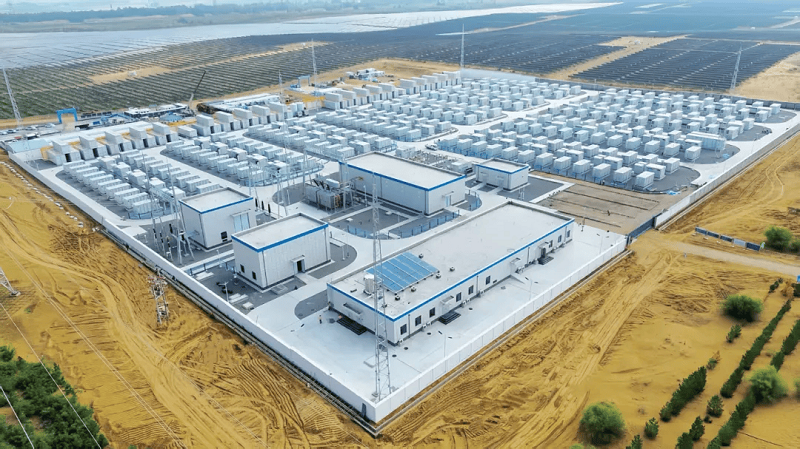
Capital and Market Opportunities
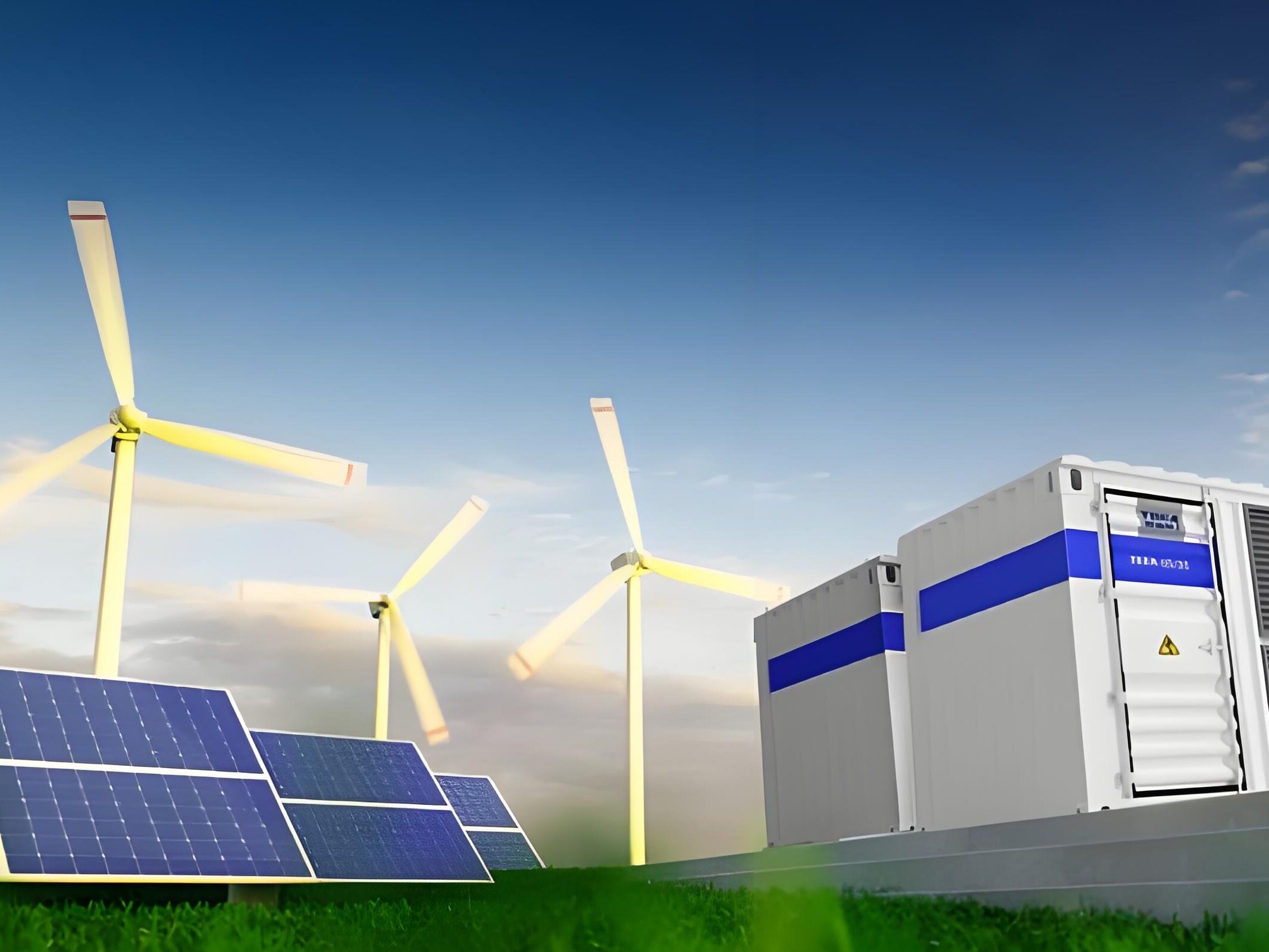
The project is led by Rezlov Energy, an international investment institution Actis, with an injection of 300 million euros in equity funds from the Abu Dhabi Mubadala Fund. The European Bank for Reconstruction and Development and the European Investment Bank have conducted debt financing reviews, with a total investment of approximately 710 million euros. This multi-party capital linkage system reduces the difficulty of landing large-scale green power projects. For domestic photovoltaic equipment and engineering enterprises, this project contains supply opportunities such as component energy storage and boosting stations. However, the strict supply chain traceability, environmental protection, and labor compliance requirements of international investment banks also impose higher standards on the comprehensive operational capabilities of Chinese enterprises' overseas projects. Keywords: Romanian photovoltaic project, European green power investment, new energy going global compliance
With the landing of its flagship photovoltaic project, Romania has completed its transformation from a major reserve country for new energy projects to a large-scale project landing market. With a sound policy grid connection and financial support system, it will continue to attract global capital to invest in the renewable energy track in Central and Eastern Europe.Editor/Min Jing
Comment

 Praise
 Collect
 Comment

 Share
Share


Write something~