 Search


- The US intervenes in the energy game between Russia and Ukraine to protect corporate interests
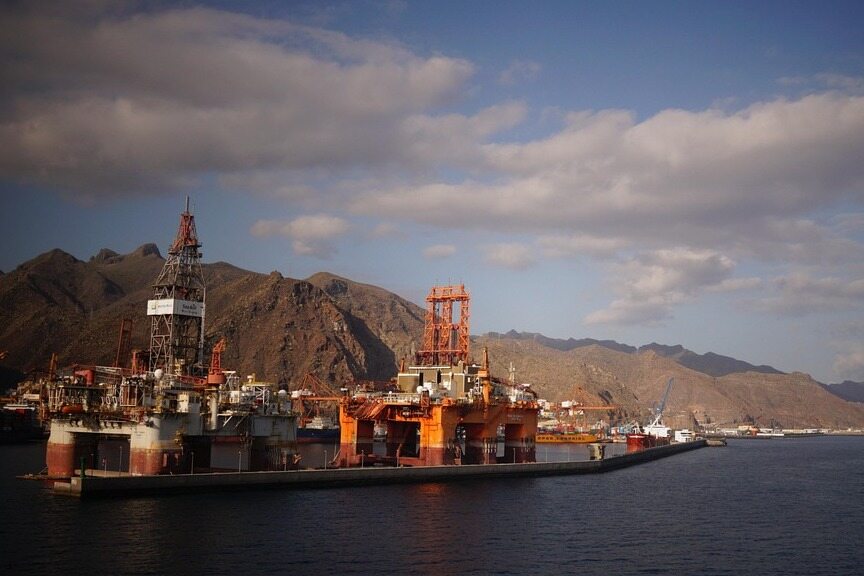
The Black Sea energy route game is once again in turmoil, and the United States, out of consideration for the interests of its own oil companies, directly intervened to constrain Ukraine's Black Sea strike, exposing the true logic behind the prioritization of energy interests among major powers.
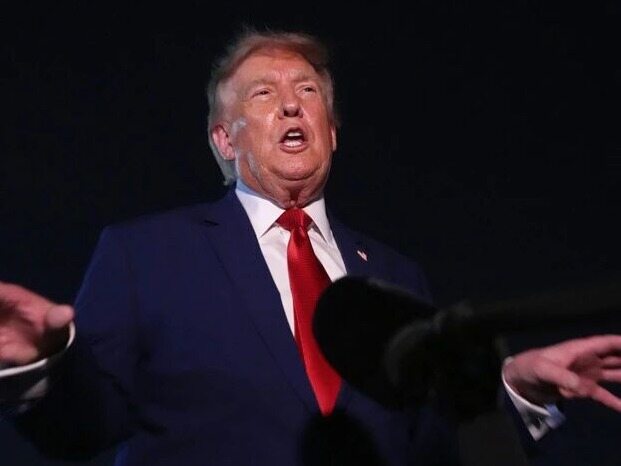
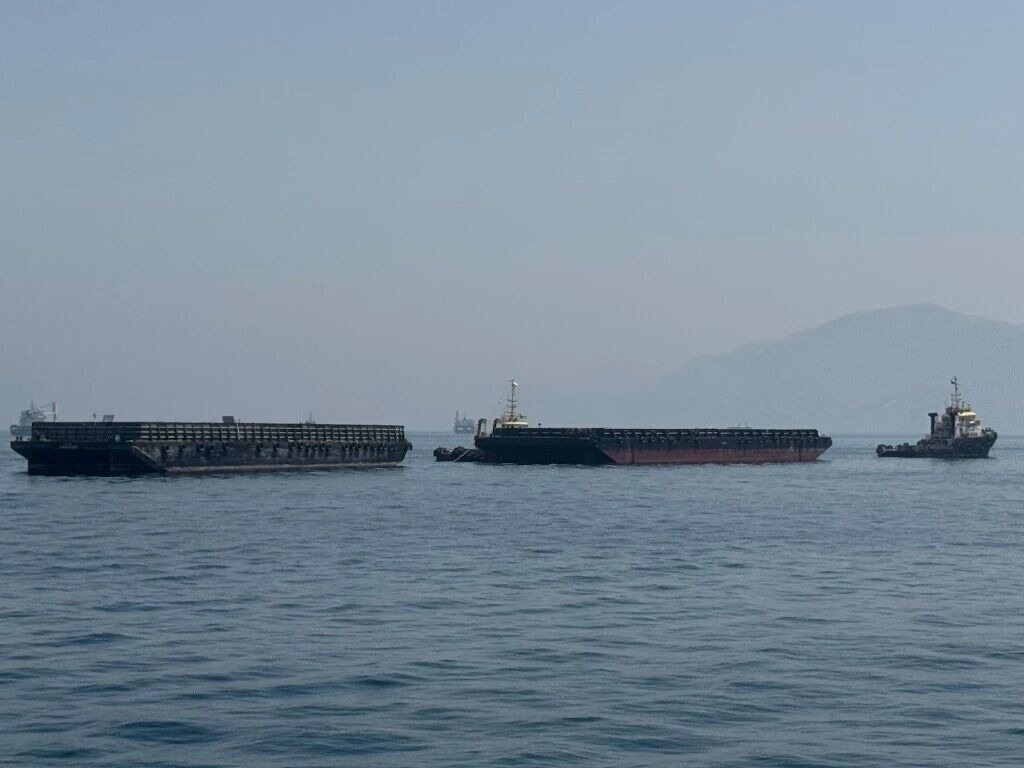
According to foreign media reports, US Vice President Vance spoke with Zelensky on July 31, 2026, demanding that Ukraine stop attacking oil tankers around the Russian port of Novorossiysk. Subsequently, the Ukrainian side suspended relevant drone attacks, designated exemption areas, and did not take action against ships that were not sanctioned or did not transport Russian crude oil, as well as the facilities of the Caspian Pipeline Group.
The Caspian Sea pipeline, with a total length of over 1500 kilometers, transports crude oil from Kazakhstan to the terminal of the port. Chevron and ExxonMobil hold shares in the pipeline group, and the US is concerned that the attack may disrupt international oil prices and damage its own investment returns. Ukraine's compromise this time is intended to exchange for the production license of the US Patriot interceptor missile, and plans to purchase hundreds of ammunition before winter. Previously, the Ukrainian attack had caused damage to one-fifth of the pipeline's loading capacity in July, and the Russian side strongly condemned this.Editor/Min Jing
Comment




 Praise
 Collect
 Comment

 Share
Share


Write something~