 Search


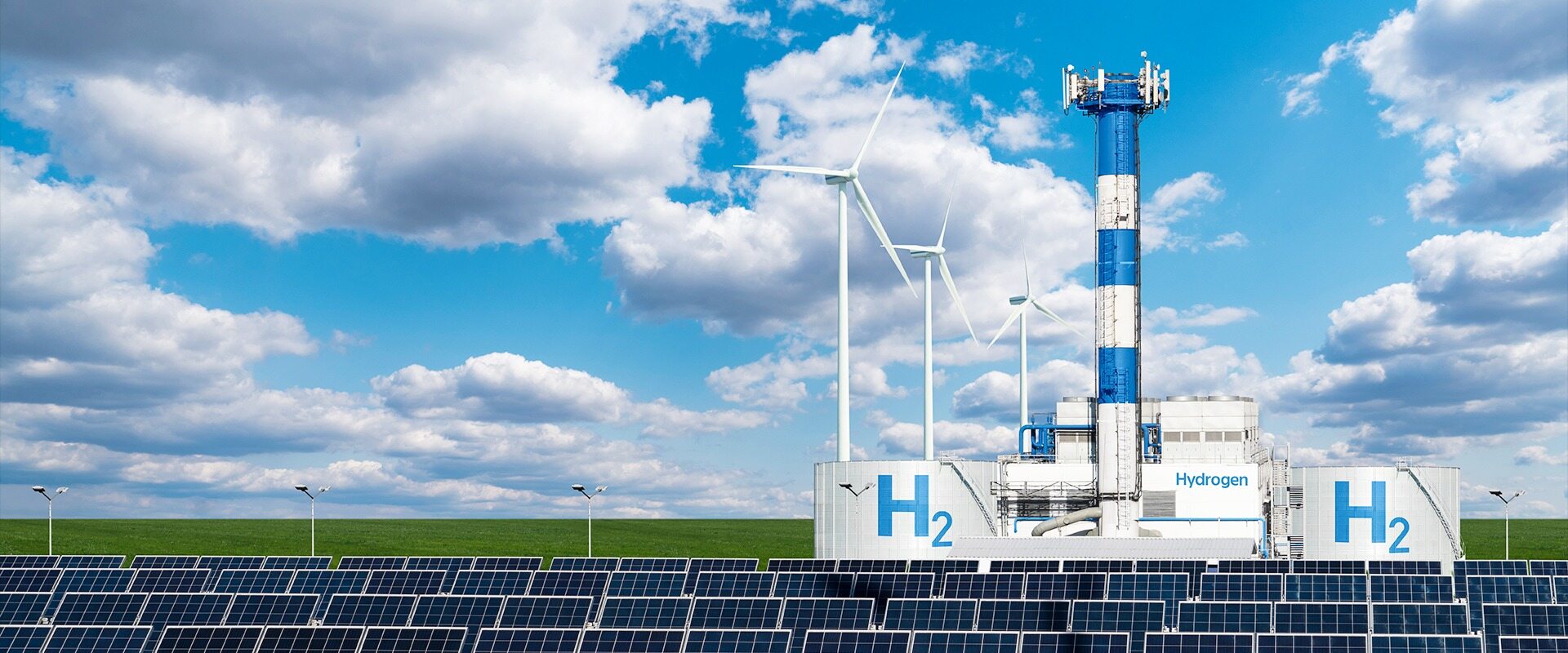
- Saudi Arabia's giant green hydrogen project, which cost 57 billion yuan, has completed construction and entered commissioning
- It is expected that the first batch of green ammonia exports in 2027 will become an important milestone in the global transition to clean energy
In the vast desert of Tabuk Province in northwestern Saudi Arabia, a future energy city is moving from blueprint to reality. There is no rolling black smoke here, instead there are endless photovoltaic panels and giant wind turbines that rotate with the wind. Recently, a NEOM green hydrogen and green ammonia project with an investment of up to 8.4 billion US dollars, equivalent to about 57 billion yuan, has officially announced the completion of all engineering construction and has fully entered the commissioning stage. This means that Saudi Arabia, a kingdom labeled as oil, is writing its own new story with solar and wind energy. According to the plan, the first batch of green products will enter the global market by 2027.
Project scale and equity structure
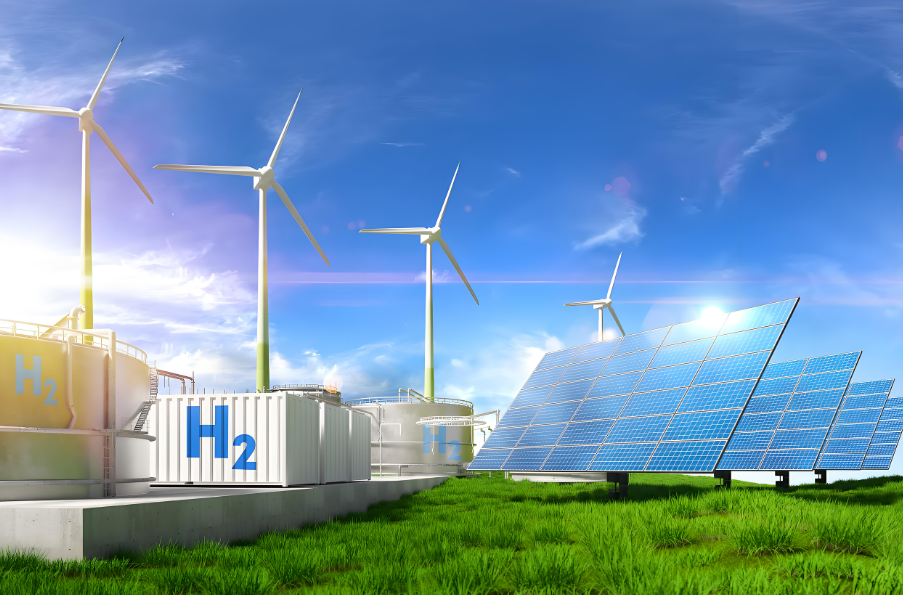
The NEOM Green Hydrogen project is located in Oxagon, the NEOM industrial zone in northwestern Saudi Arabia. It is developed by NEOM Green Hydrogen, a joint venture between NEOM, ACWA Power, and Air Products of the United States. The three companies each hold approximately 33.3% of the shares, with a balanced equity structure. Air Products Company also serves as the general contractor for the project and will receive all the green ammonia produced by the project under a 30-year off take agreement, responsible for supplying it to the international market.
At the financial level, the project will complete a total financing of $8.4 billion in 2023, of which approximately $6.1 billion will come from non recourse project financing, with a total of 23 local, regional, and international financial institutions participating. This large-scale, long-term financing model provides a replicable funding model for ultra large green hydrogen projects.
Technical roadmap and construction progress
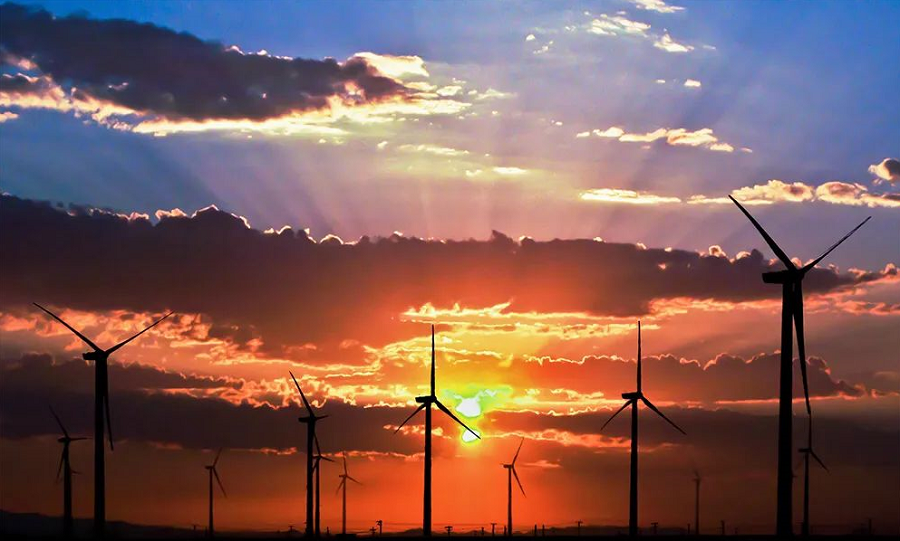
The entire project has built a complete industrial chain from power generation, hydrogen production to synthesis, storage and transportation. The total installed capacity of renewable energy is about 4 gigawatts, including about 2.2 gigawatts for photovoltaic power plants, 257 units for wind farms with an installed capacity of about 1.6 gigawatts, and a supporting transmission system to collect and transmit wind and solar power to the hydrogen production plant. The scale of the electrolytic water hydrogen production unit exceeds 2 gigawatts and adopts the alkaline water electrolysis technology of ThyssenKrupp Wood Chlorine Engineering Company. The Air Products Company provides core process equipment such as air separation units, and has also built hydrogen storage tanks, cold boxes, pipe galleries, and a dedicated green ammonia export terminal on site.
At the beginning of 2025, the overall construction progress of the project has reached about 80%, and major equipment such as fans, electrolytic cells, hydrogen storage containers, cold boxes, and pipe galleries have been delivered and installed one after another. With the completion of civil engineering and installation work, the current focus has shifted to the subsystem debugging and linkage testing of renewable energy systems, electrolytic cells, air separation units, synthetic ammonia production lines, and export facilities. After the project is put into operation, it can produce up to 600 tons of hydrocarbon free gas per day and convert it into up to 1.2 million tons of green ammonia for export annually.
Global Landscape and Saudi Arabia's Transformation
Looking at the world, the scale of the NEOM project is second only to the 1.52 million ton green hydrogen ammonia project built by Far East Technology Group in Chifeng, Inner Mongolia. The first phase of the Far East Chifeng project with a production capacity of 320000 tons was completed and put into operation in July 2024, achieving 100% direct operation of green electricity and completing commercial shipments including exports to South Korea, providing leading experience for the industry.keywords:New energy information network
For Saudi Arabia, the NEOM project carries profound significance beyond a single industry. For decades, Saudi Arabia's economy has been deeply tied to oil and gas, but now, with vast land, high-intensity solar radiation, and suitable wind energy resources, Saudi Arabia is attempting to transform into a major producer and exporter of renewable energy and clean fuels. Ammonia is not only the final product here, but also a bridge connecting Saudi Arabia's abundant wind and solar resources with international shipping, power generation, and industrial decarbonization needs. This project is not only a key milestone in Saudi Arabia's economic diversification and industrial strategy, but also provides a practical blueprint for global large-scale green hydrogen production.Editor/Yang Meiling
Comment

 Praise
 Collect
 Comment

 Share
Share


Write something~