 Search


- Using diversified transformation technologies to break through the bottleneck of transportation capacity on old mainline railways
- Deeply cultivate the transformation of existing railways and explore new paths for improving transportation capacity and economic efficiency
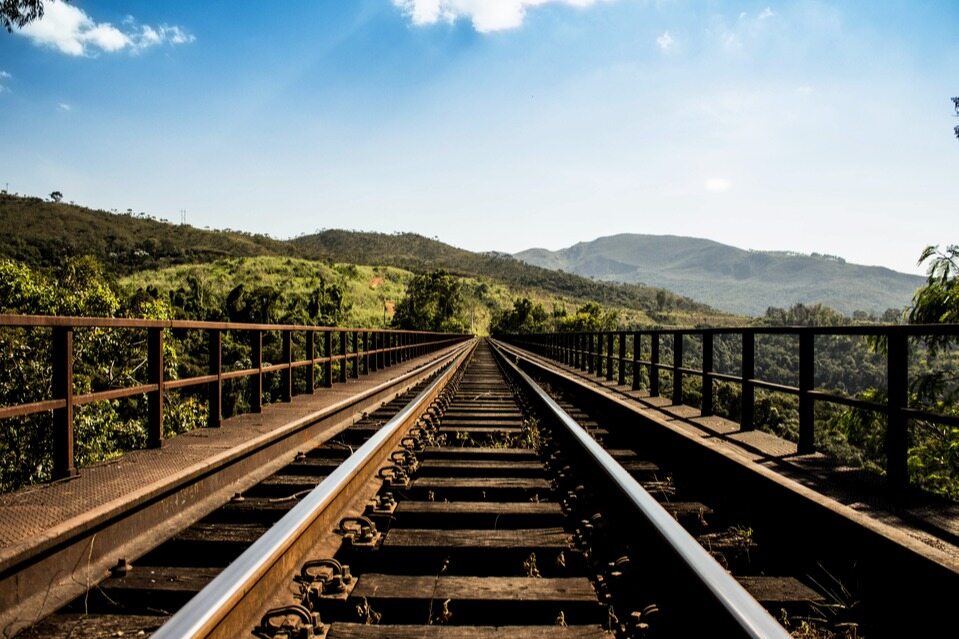
The steel arteries that once shouldered the mission of the times are gradually showing signs of fatigue in the face of the surging transportation volume. Faced with the bottleneck of old mainline transportation capacity, China Railway First Institute has broken through the situation with a "hardware upgrade" mindset, using various transformation methods such as adding stations, electrification, and adding second lines to revitalize the dormant existing railways and pave a new path for improving the quality and efficiency of the road network.
The operating mileage of China's railways has exceeded 160000 kilometers, but the early construction of a batch of traditional trunk lines was limited by the technical standards at that time, with a majority of single lines, low traction quality, and sparse station layouts. In the face of the increasing demand for passenger and freight transportation year by year, they are gradually approaching the limit of traffic. The bottleneck of transportation capacity remains unbroken, energy supply is limited, and regional industries are constrained - this is not a problem of a single line, but a systemic issue that must be faced in the transformation of the entire road network from existence to quality.
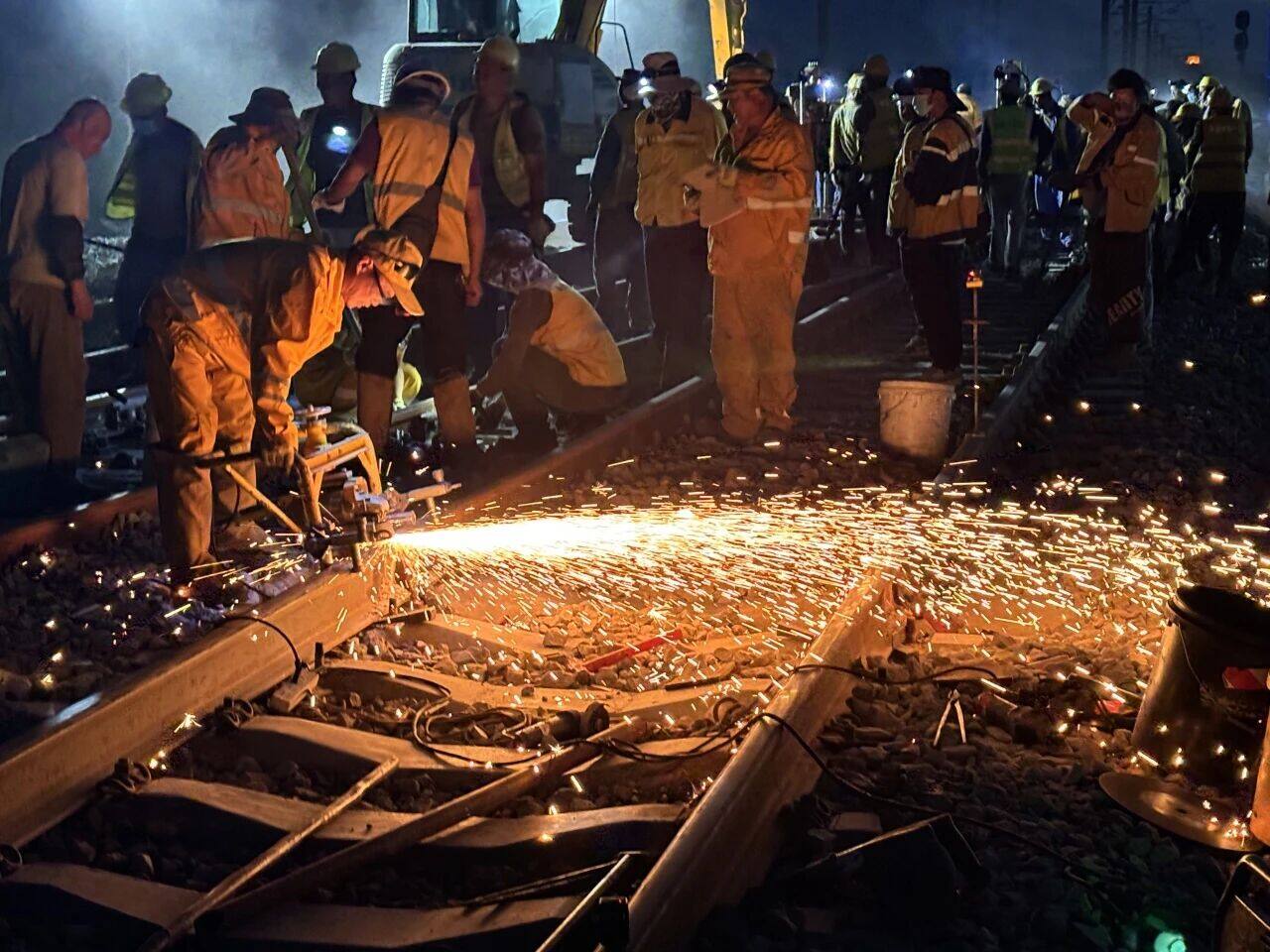
Faced with this situation, both inside and outside the industry, it is easy to fall into inertia thinking: if the transportation capacity is insufficient, we need to repair another one. Although building new railway lines is a fundamental solution, the high cost of land acquisition and demolition, long construction period, and strict environmental constraints often take several years to take effect. In the fleeting window of traffic growth, this path may not be optimal. The really noteworthy breakthrough ideas are hidden in the old railways that have been running for decades.
Deep activation of existing assets
The expansion and renovation of existing lines, while retaining the main structure of the line, synchronously applies force from four dimensions: station layout, signal system, traction power, and line structure. It is equivalent to replacing the processor and expanding the memory of an old computer - the overall performance of the machine is completely transformed, while the chassis shell remains stable. The core advantages of this model lie in less land acquisition, minimal disturbance, low investment, and quick results. In today's road network density, it is far more in line with the underlying logic of intensive development than new construction.
Multiple methods for precise release of transportation capacity
The series of projects implemented by China Railway First Institute in recent years have provided ample evidence for this path:
Addition of reserved stations -48 reserved stations will be built on the Geku Railway, with daily traffic capacity increasing from 15 pairs to 34 pairs, almost doubling, relying solely on activating the interfaces reserved for that year;
Extension to departure line - The arrival and departure line of the Erha Railway has been extended to 1700 meters, with a traction capacity of tens of thousands of tons, allowing for larger capacity to be carried with fewer trains;
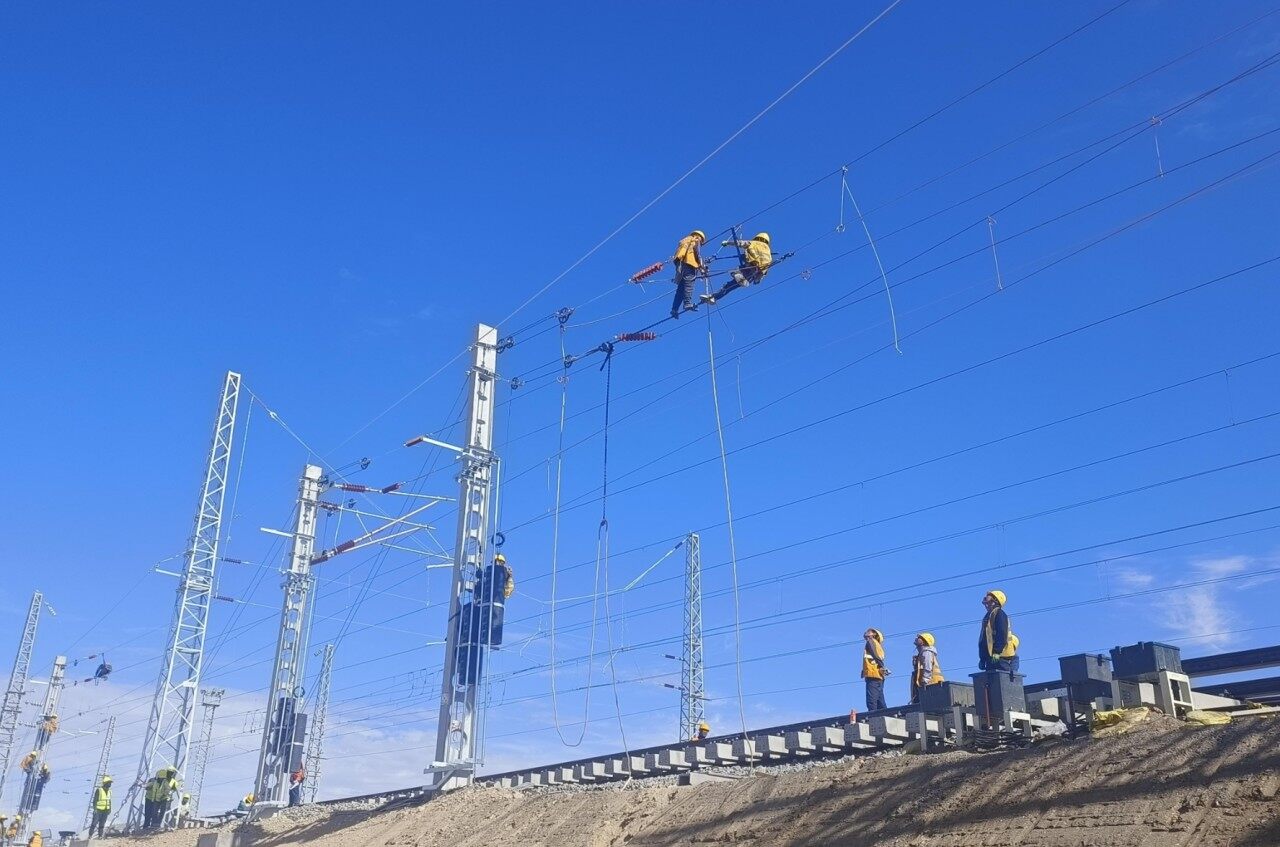
Electrification transformation - the Qinghai Tibet Railway's Gela section overcomes the extreme environment of the plateau and promotes electrification, replacing the "heavenly road" of the plateau with the "heart" of electricity;
Partial double track - the Zhongwei to Gantang section of the Baolan Railway only has three double track insertion sections, accurately resolving the bottleneck of the single track;
The addition of a second line along the entire line - the construction of a second line on the Lin'e Railway combined with mobile block technology, has achieved a qualitative leap in the transportation capacity of the West East Coal Transport Channel.
These cases collectively point to a conclusion: capacity expansion and renovation has never been a standardized action of "one size fits all", but a precise surgery with combinable means and progressive strength.
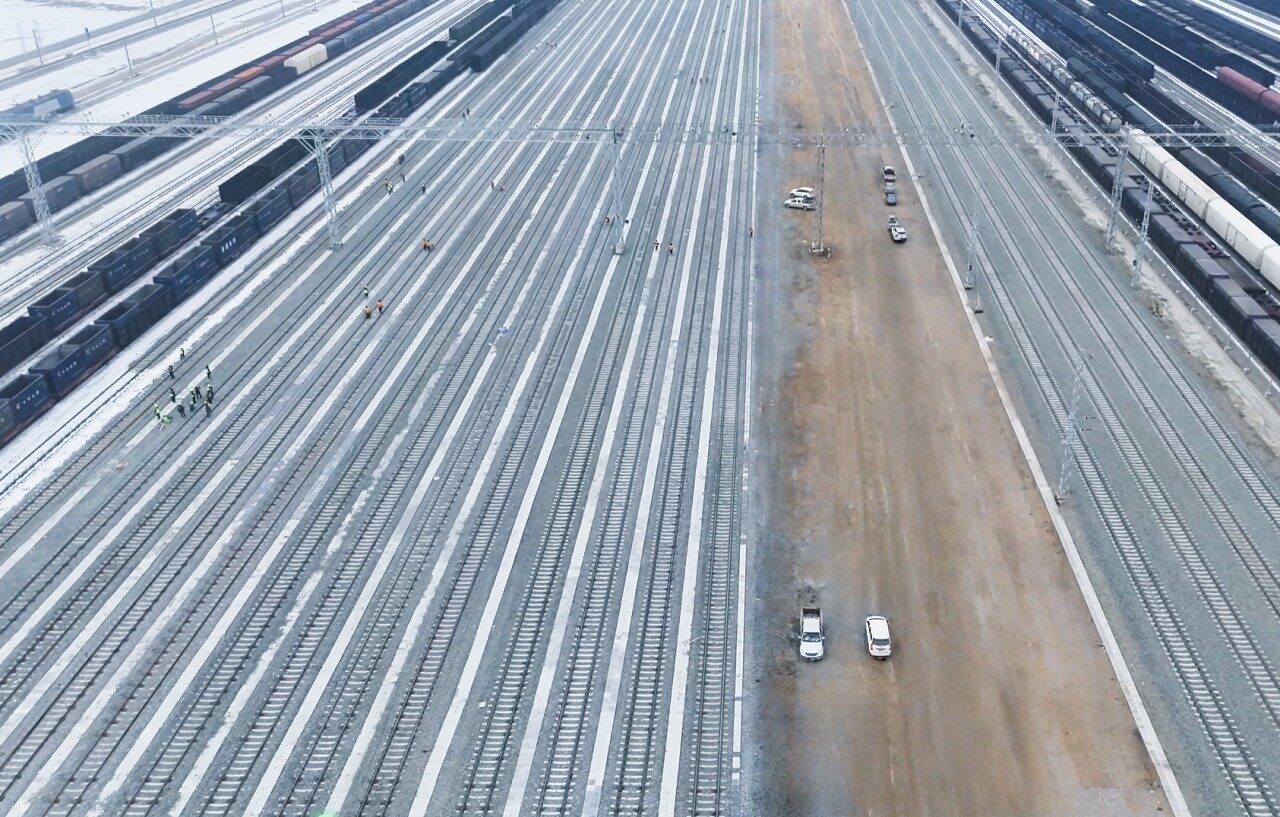
The upgrade direction is shifting gears
The current demand growth curve for transportation capacity continues to steep, and the ceiling released by transition plans such as double insertion and local double lines is limited, making it difficult to match the pressure on some main lines. The future trend is very clear: either multiple technologies are simultaneously packaged and implemented to fill in the gaps at once; Either directly add a second line to the entire line and completely lift the traffic restrictions. This is not a waste, but a necessary foresight to avoid repeated tinkering and reserve space for the future. Keywords: railway, capacity expansion and renovation, transportation capacity improvement, energy supply guarantee
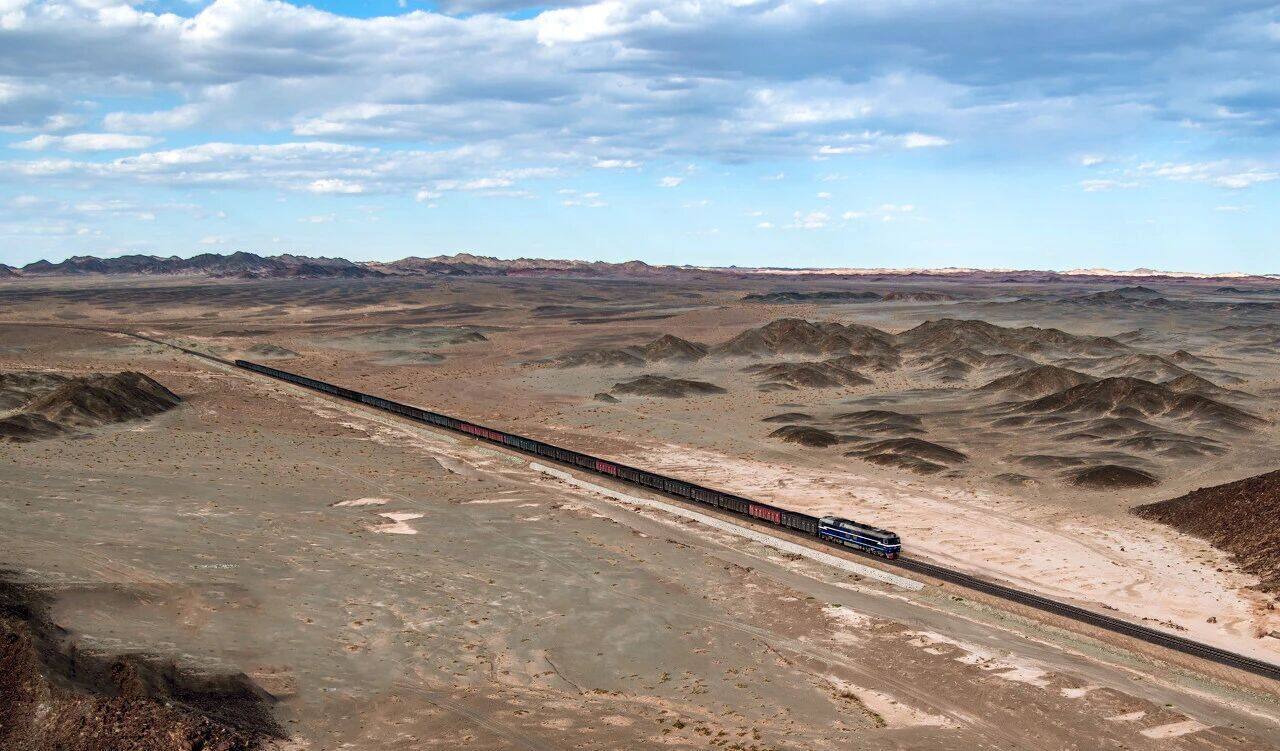
Every upgrade of existing lines from the Gobi Energy Corridor to the plateau railway mainline directly affects energy security and border livelihoods. As the expansion and growth rate of the railway network gradually slows down, optimizing existing resources will inevitably become the main battlefield for high-quality railway development in the next stage. The road is still the same, but what runs on it should be a brand new era.Editor/Gong Ziwei
Comment





 Praise
 Collect
 Comment

 Share
Share


Write something~