 Search


- The first phase of Pakistan's ML-1 railway project is scheduled to start in January 2027
- A $2.5 billion investment will increase the speed of the Karachi to Rohri section to 160 kilometers per hour
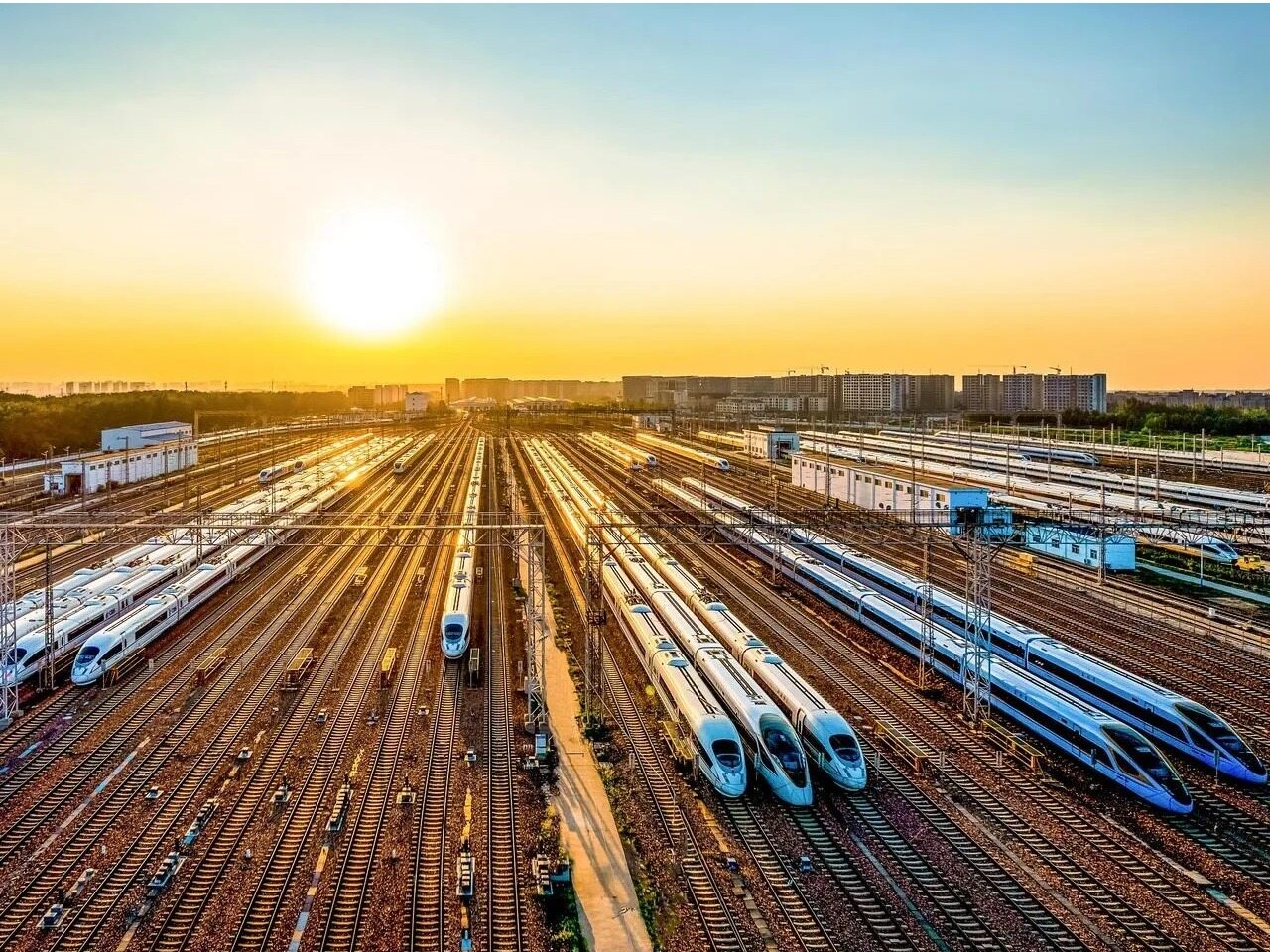
On the vast southern plains of Pakistan, an old passenger train is slowly passing through the tracks between Karachi and Rohri. The dull sound produced by the friction between the wheels and rails, accompanied by the rhythmic shaking of the carriage, is a familiar daily routine on this route. However, for passengers and freight forwarders who travel here all year round, the current situation of this railway is worrying - derailment accidents caused by the aging of the line are frequent, and cargo backlog and travel delays have become the norm. On this land that carries the lifeline of Pakistan's economy, a transformation that concerns the future of national transportation is quietly brewing.
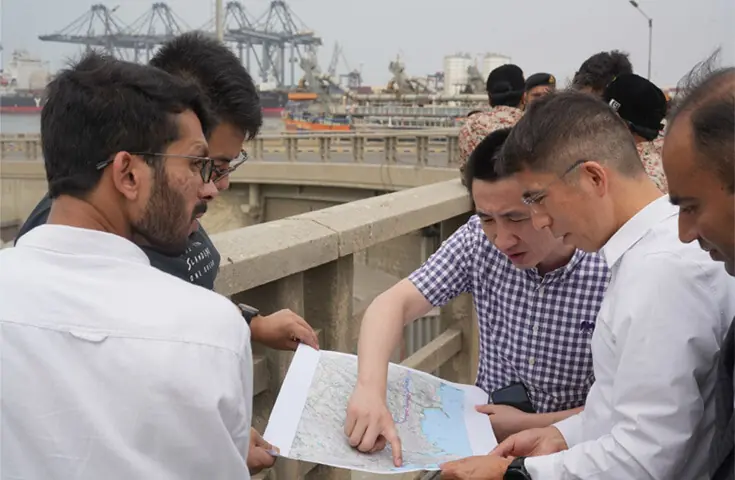
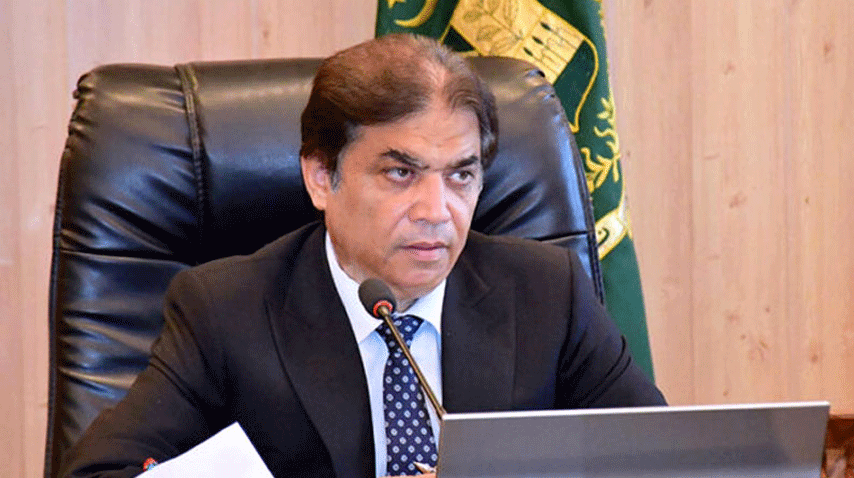
On August 16, 2026, the atmosphere inside the headquarters building of Pakistan Railways was solemn and urgent. The Chairman of the Railway Commission, Shah, convened a special meeting for the ML-1 project with representatives from international design and review consulting agencies and senior officials from the railway system. The drawings and plans spread out on the conference table point to the same goal: to revive this endangered railway mainline. The Shah clearly set a timeline at the meeting - the project review phase must be completed before October 30th of this year. This means that the time window left for the design and consulting teams is less than three months.
At the same time, another front is also unfolding simultaneously. Pakistan plans to hold an online market consulting conference on September 8th, opening its doors to global civil engineering contractors, design agencies, and supervisory consulting units. Railway Minister Abasi bluntly stated that the government hopes to launch the ML-1 project as soon as possible, and the entire process from market research, international bidding, contractor screening to final contract award is expected to take 4 to 5 months. The railway department is making every effort to ensure that construction starts as scheduled in January 2027.
Prioritize the renovation of accident prone sections
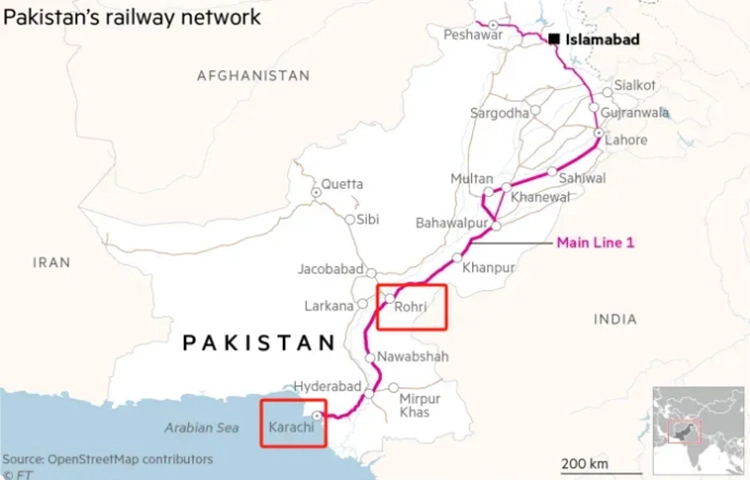
Why did the first phase of the project choose to be built from Karachi to Rohri? The answer is written in every accident report. According to Pakistani railway officials, the Karachi Rohri and Rohri Multan sections are currently the areas with the highest concentration of railway accidents and derailment incidents. The existing railway lines have a long service life, severe rail wear, aging of structures such as bridges and culverts, and high daily maintenance costs, but they only treat the symptoms without addressing the root cause. Therefore, the Pakistani side has decisively decided to prioritize the Karachi to Rohri section for surgery, in order to eliminate safety hazards from the source.
The first phase of the project has a total length of about 480 kilometers, covering multiple sections such as Kamali Landi Hyderabad, Hyderabad Nawab Shah, and Nawab Shah Rohri. The renovation content is far more than just replacing steel rails - track reconstruction, partial line realignment, bridge and culvert upgrades, and station and freight yard renovation will be carried out simultaneously. In addition, Walton Railway College will complete facility upgrades, comprehensively renovate the signal and communication systems along the line, and provide project management and supervision consulting services in place. This is a systematic reshaping from hardware to software.
Connect the major arteries of the economy
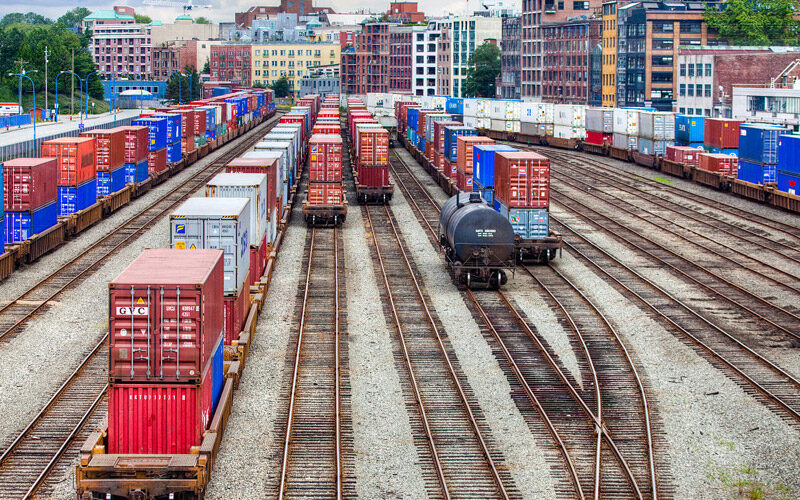
The status of the ML-1 railway in Pakistan cannot be overstated. It runs through the north and south, connecting major population centers and industrial areas, and is truly the backbone of national transportation. After the completion of the project, the maximum operating speed of the train will jump from the current low level to 160 kilometers per hour, and the construction period is expected to be 2.5 to 3 years. At that time, this corridor will bear about 76% of the passenger volume and 98% of the freight volume of Pakistan Railways - almost all of the country's freight transportation passes through here.
For farmers who rely on railway exports for agricultural products, factory owners who rely on on-time freight to maintain production, and millions of commuters every day, this upgrade means a significant reduction in travel time and logistics costs. More importantly, the release of railway capacity will directly drive the development of industrial belts along the route, injecting new impetus into Pakistan's economic growth.
Diversified financing safeguards and protects
The investment scale of 2.5 billion US dollars is not a small amount for any country. Pakistan has made it clear that the project is expected to primarily receive financing support from the Asian Development Bank, and is actively engaging with institutions such as the Asian Infrastructure Investment Bank, World Bank, and Islamic Development Bank to explore the possibility of joint financing. This diversified fundraising approach not only disperses the pressure on a single institution, but also provides a more stable financial guarantee for the smooth progress of the project.keywords:Engineering infrastructure
From the sea breeze of Karachi to the inland plains of Rohri, this railway has witnessed the steam locomotives of the colonial era and also carried the industrialization dream of post independence Pakistan. Nowadays, with a $2.5 billion investment, a target speed of 160 kilometers per hour, 76% of passenger transportation, and 98% of freight carrying capacity - behind the numbers lies a country's determination to redefine the future with steel and concrete. In January 2027, when the first steel rail is lifted and installed, this old railway will truly begin its rebirth.Editor/Yang Meiling
Comment




 Praise
 Collect
 Comment

 Share
Share


Write something~