 Search


- Kazakhstan weaves a dense Asia Europe logistics network, reshaping regional channel advantages
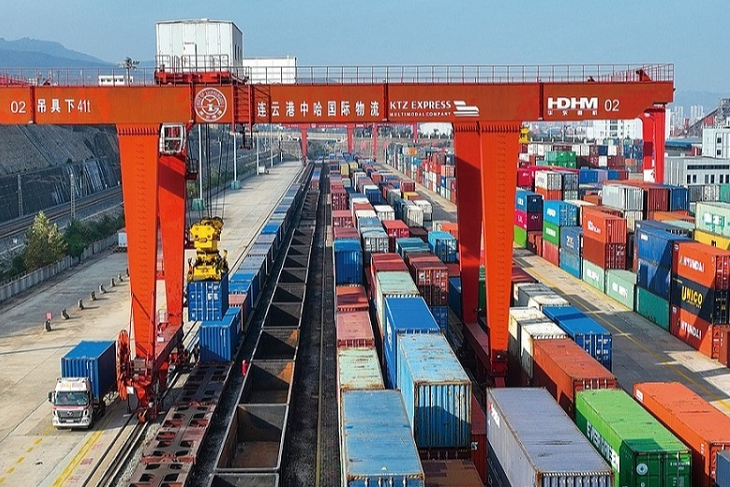
As the world's largest landlocked country, Kazakhstan breaks away from its traditional transit transportation positioning and continues to lay out key ports and intermodal nodes at both ends of Asia and Europe. By establishing a two-way logistics channel between the east and west, comprehensively upgrading the transportation system of the intermediate corridor, and deeply integrating into the Eurasian cross-border supply chain.
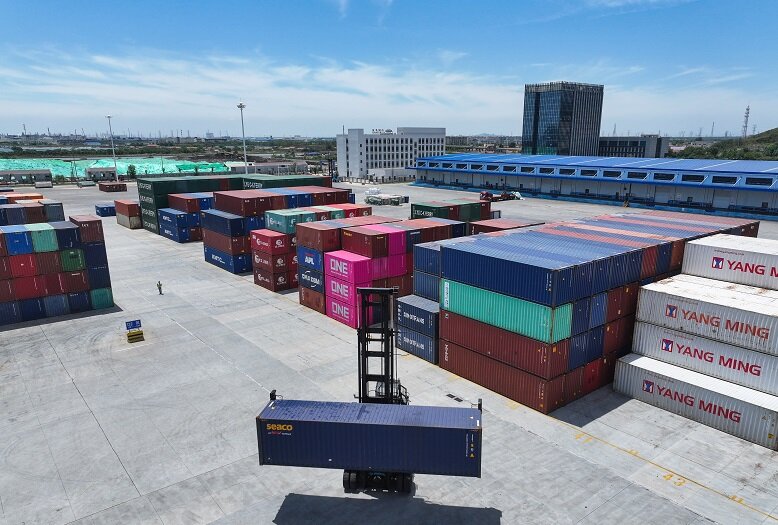
Deploy Asia Europe ports
Kazakhstan continues to promote the construction of cross-border logistics networks and simultaneously layout core port resources in Asia and Europe. At present, we have been deeply involved in the logistics operations of Lianyungang Port in China and Poti Port in Georgia, steadily promoting the landing of multiple European port projects. Relying on the China Kazakhstan logistics cooperation base, the country connects with the global shipping system to the east and extends its logistics service network to inland China, no longer limited to local freight, fully undertaking cross-border transportation business between Asia and Europe.
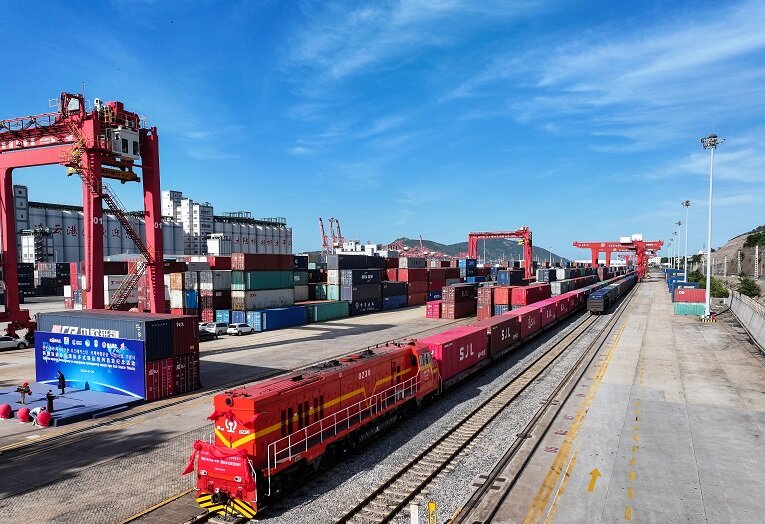
Improve the Black Sea Passage
The country focuses on strengthening the westward transportation channel and enhancing the logistics layout along the Black Sea. In June 2025, PTC Holdings of Kazakhstan and its Georgian partner jointly built the Poti Multimodal Transport Terminal, which was officially put into operation with a total investment of over 30 million US dollars and a designed annual throughput capacity of 100000 TEUs. The entire channel connects the China Kazakhstan Railway, Caspian Sea ports, and the South Caucasus region, ultimately leading directly to the European market. The construction of logistics nodes along the route is still ongoing. Keywords: Middle Corridor, Cross border Logistics, Asia Europe Corridor
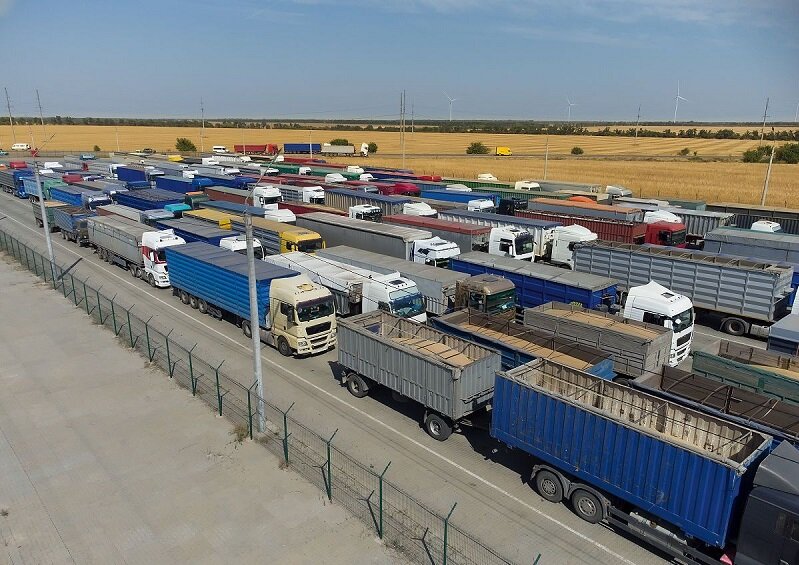
Upgrade logistics ecosystem
Relying on the layout of sea land intermodal transportation, Kazakhstan is gradually transforming from a transit country to a core participant in Asia Europe logistics. There is still a problem of low efficiency in the replacement of multiple links in the current middle corridor, and the overall transportation efficiency is constrained by port capacity and ship capacity. With the gradual formation of port nodes along the route, the country effectively expands its logistics service boundaries, extends industrial chain benefits, and continues to enhance its core strategic position in the Eurasian trade channel.Editor/Min Jing
Comment





 Praise
 Collect
 Comment

 Share
Share


Write something~